



 PDF
PDF ePub
ePub Citation
 Print
Print


Abstract
Objectives
To assess the absorption of a-tocopherol acetate and 18b-glycyrrhetinic acid, which are used as active ingredients in toothpaste, into a reconstructed gingival tissue.
Methods
EpiGingivalTM tissues were treated with a 25% slurry of toothpaste containing 2% a-tocopherol acetate and 0.3% 18b-glycyrrhetinic acid, for 2 minutes. The treatment was repeated up to 6 times, with 1 hour intervals. After completion of all treatments, the active ingredients in the tissue extracts and receiver solutions were measured by high performance liquid chromatography.
Results
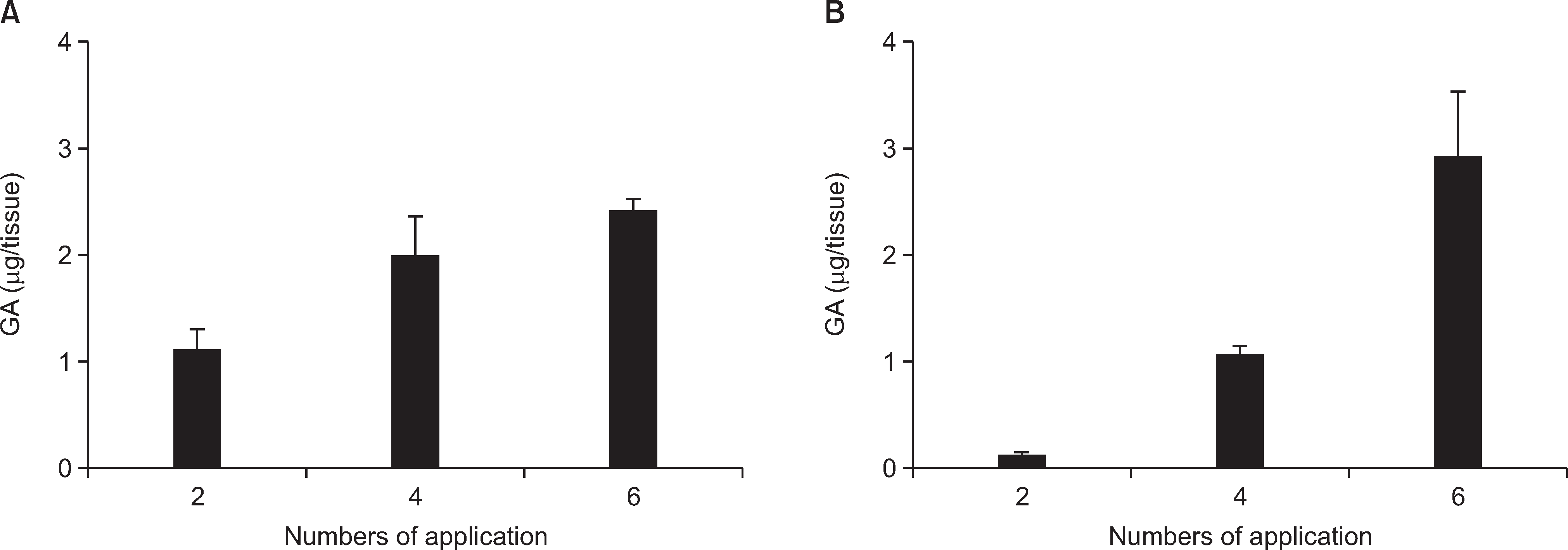
Although a-tocopherol acetate was not detected, α-tocopherol was detected in the tissue extracts, indicating that a-tocopherol acetate was bioconverted to α-tocopherol after absorption. We could detect 18β-glycyrrhetinic acid both in the tissue extracts and in the receiver solutions, with a positive correlation to the number of treatments.
Go to : 
References
1. Kornman KS, Löe H. The role of local factors in the etiology of periodontal diseases. Periodontol 2000. 1993; 2:93–97.

2. Sbordone L, Bortolaia C. Oral microbial biofilms and plaque-related diseases: microbial communities and their role in the shift from oral health to disease. Clin Oral Investig. 2003; 7:181–188.
3. Taubman MA, Valverde P, Han X, Kawai T. Immune response: the key to bone resorption in periodontal disease. J Periodontol. 2005; 76:2033–2041.
4. Kornman KS, Crane A, Wang HY, di Giovine FS, Newman MG, Pirk FW, et al. The interleukin-1 genotype as a severity factor in adult periodontal disease. J Clin Periodontol. 1997; 24:72–77.
5. Waddington RJ, Moseley R, Embery G. Reactive oxygen species: a potential role in the pathogenesis of periodontal diseases. Oral Dis. 2000; 6:138–151.
6. Derradjia A, Alanazi H, Park HJ, Djeribi R, Semlali A, Rouabhia M. a-tocopherol decreases interleukin-1b and -6 and increases human b-defensin-1 and -2 secretion in human gingival fibroblasts stimulated with Porphyromonas gingivalis lipopolysaccharide. J Periodontal Res. 2015; 27:Epub ahead of print.
7. Cohen ME, Meyer DM. Effect of dietary vitamin E supplementation and rotational stress on alveolar bone loss in rice rats. Arch Oral Biol. 1993; 38:601–606.
8. Baljeet S, Shivani B, Rajesh G, Sachin G, Ram Rattan G. Antioxidants the new weapons in the fight against periodontal diseases. Dental Journal of Advance Studies. 2013; 1:85–90.
9. Nizam N, Discioglu F, Saygun I, Bal V, Avcu F, Ozkan CK, et al. The effect of a-tocopherol and selenium on human gingival fibroblasts and periodontal ligament fibroblasts in vitro. J Periodonto. 2014; 85:636–644.
10. Szuwart T, Brzoska T, Luger TA, Filler T, Peuker E, Dierichs R. Vitamin E reduces platelet adhesion to human endothelial cells in vitro. Am J Hematol. 2000; 65:1–4.
11. Calzada C, Bruckdorfer KR, Rice-Evans CA. The influence of anti-oxidant nutrients on platelet function in healthy volunteers. Atherosclerosis. 1997; 128:97–105.
12. Kim SR, Jeon HJ, Park HJ, Kim MK, Choi WS, Jang HO, et al. Glycyrrhetinic acid inhibits Porphyromonas gingivalis lipopolysaccharide-induced vascular permeability via the suppression of interleukin-8. Inflamm Res. 2013; 62:145–154.
13. Boisnic S, Ben Slama L, Branchet-Gumila MC, Watts M, d’Arros G. Anti-inflammatory effect of enoxolone in an ex-vivo human gingival mucosa model. Rev Stomatol Chir Maxillofac. 2010; 111:69–73.
14. Salari MH, Kadkhoda Z. In vitro antibacterial effects of glycyrrhetinic acid on periodontopathogenic and capnophilic bacteria isolated from adult periodontitis. Clin Microbiol Infect. 2003; 9:987–988.
15. Mohammad HS, Nasralah S, Zainab K, Mohammad BK. Antibacterial effects of enoxolone on periodontopathogenic and capnophilic bacteria isolated from specimens of periodontitis patients. Iranian Biomedical Journal. 2003; 7:39–42.
16. Sasaki H, Suzuki N, Alshwaimi E, Xu Y, Battaglino R, Morse L, et al. 18b-glycyrrhetinic acid inhibits periodontitis via glucocorticoid-independent nuclear factor-κB inactivation in interleukin-10-deficient mice. J Periodontal Res. 2010; 45:757–763.
17. Moharamzadeh K, Franklin KL, Brook IM, van Noort R. Biologic assessment of antiseptic mouthwashes using a three-dimensional human oral mucosal model. J Periodontol. 2009; 80:769–775.
18. Yang J, Deol G, Myangar N. Retention of o-cymen-5-ol and zinc on reconstructed human gingival tissue from a toothpaste formulation. Int Dent J. 2011; 61:41–45.
19. Shim JY, Yim SB, Chung JH, Hong KS. Antiplaque and antigingivitis effects of a mouthrinse containing cetylpyridinium chloride, triclosan and dipotassium glycyrrhizinate. J Periodontal Implant Sci. 2012; 42:33–38.
20. Garcia N, Doucet O, Bayer M, Fouchard D, Zastrow L, Marty JP. Characterization of the barrier function in a reconstituted human epidermis cultivated in chemically defined medium. Int J Cosmet Sci. 2002; 24:25–34.
21. Mavon A, Raufast V, Redoulès D. Skin absorption and metabolism of a new vitamin E prodrug, delta-tocopherol-glucoside: in vitro evaluation in human skin models. J Control Release. 2004; 100:221–231.
22. Shiratori T. Uptake, storage and excretion of chylomicra-bound 3H-alpha-tocopherol by the skin of the rat. Life Sci. 1974; 14:929–935.
Go to :
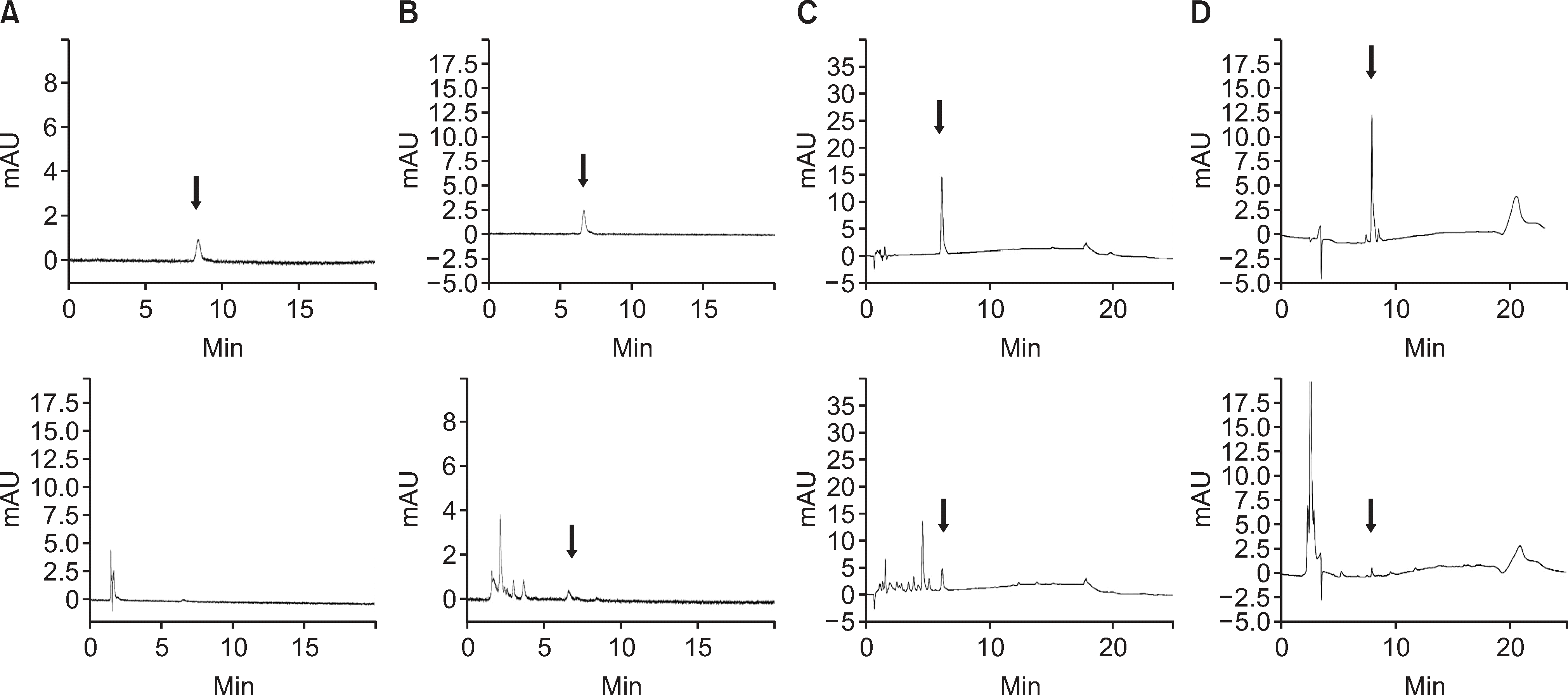 | Fig. 1.HPLC analysis. (A) α-tocopherol acetate (B) α-tocopherol (C)18β-glycyrrhetinic acid and (D) dipotassium glycyrrhizate. The top figures represent standards and the bottom ones represent the test samples. Arrows are the peaks of the target materials. |
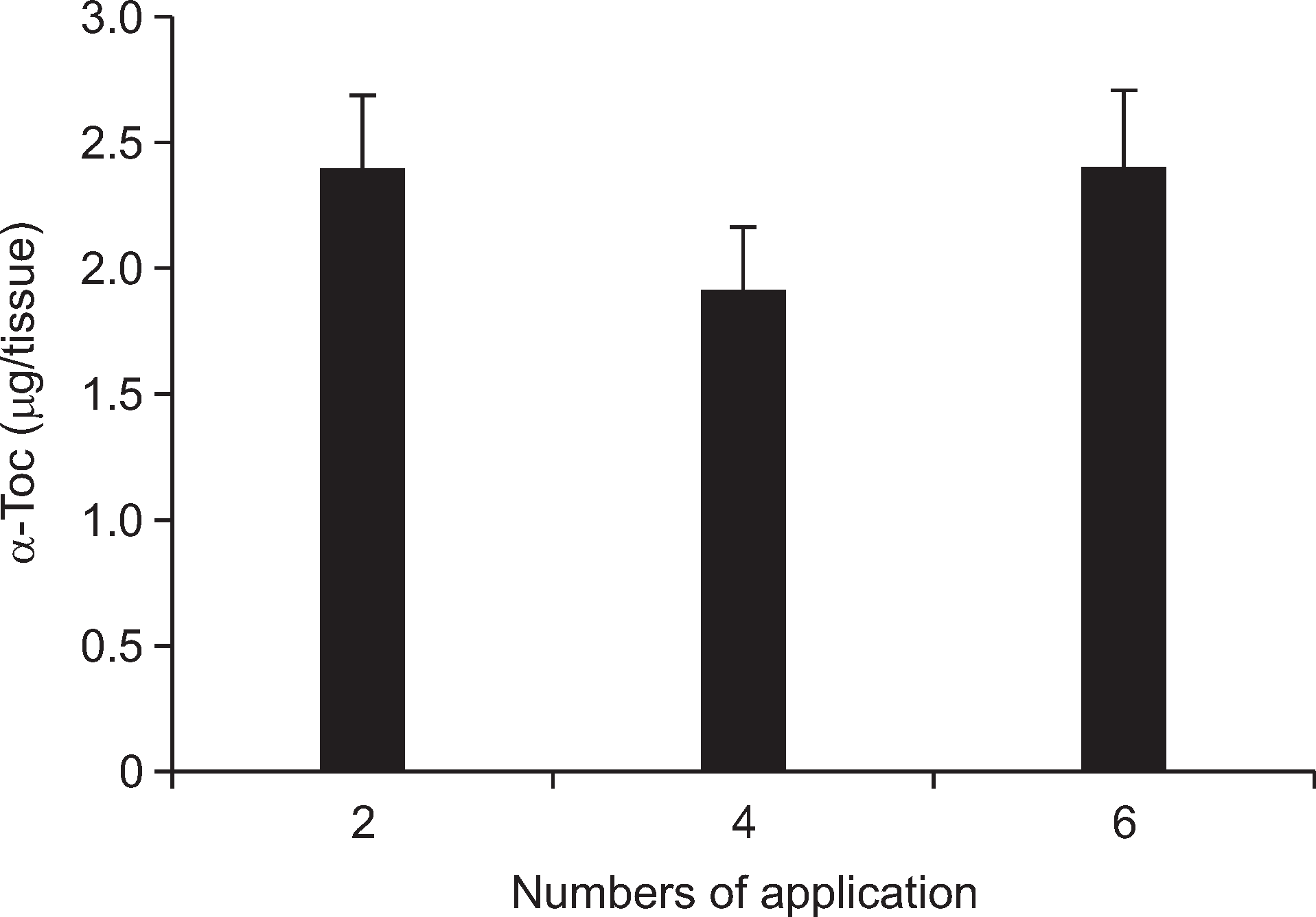 | Fig. 2.Absorption and metabolism of α-tocopherol acetate. Toothpaste slurries were treated onto the EpiGingivalTM surfaces for 2 minutes. Treatments were repeated 2, 4, or 6 times. After all treatment, α-tocopherol (α-Toc) was measured by HPLC. |
 XML Download