



 PDF
 Citation
 Print


Introduction
Aspiration pneumonia (AP), which can be caused by the inhalation of gastric contents into the lower airways, is a serious condition with high mortality rates, particularly among the older population (30%–50%) [1–4]. Such aspiration manifests as chronic microaspiration (silent aspiration) or episodic macroaspiration, which often causes an acute decline in lung function and respiratory failure [3]. Aspirated gastric materials are rich in bacteria and food particles, and have a low pH; these lead to bacterial infections, airway obstruction, and chemical pneumonitis [5]. AP symptoms include fever, cough, tachypnea, dyspnea, hypoxia, and respiratory distress [3]. Treatment involves antibiotics, suctioning, and bronchoscopy, while severe cases may require mechanical ventilation and intensive care [5,6]. Despite these measures, current therapies for AP remain inadequate [4].
Although the mechanisms underlying acute lung injury (ALI) in patients with AP remain incompletely understood, key processes have been identified [7–14]. Aspiration disrupts epithelial and endothelial barriers, leading to fluid secretion, leukocyte infiltration, and lung inflammation driven by nuclear factor-κB (NF-κB) activation, which induces expression of cytokines, such as tumor necrosis factor-α (TNF-α), interleukin-1β (IL-1β), and IL-6 [7–10]. Hypoxia and oxidative stress exacerbate tissue damage and apoptosis [11–14], resulting in impaired lung function and respiratory failure. These findings suggest that inflammation, oxidative stress, and apoptosis represent potential therapeutic targets.
Mesenchymal stem cells (MSCs) exert strong anti-inflammatory, antioxidant, and anti-apoptotic effects, which are largely mediated by paracrine factors, particularly exosomes (nanosized extracellular vesicles, 50–200 nm in diameter) [15–18]. Previous research has shown that exosomes derived from human placental MSCs (hpMSCs) can effectively mitigate inflammation, oxidation, and cell death [19–23]. Notably, hpMSC-derived exosomes reduced endotoxin-induced ALI in mice that were fed normal or high-fat diets, and the microRNA (miRNA) hsa-let-7i-5p played a key therapeutic role in this context [20,21].
Despite these promising findings, the roles of hpMSC-derived exosomes and hsa-let-7i-5p in alleviating lung injury in AP remain unclear. Thus, this study tested the hypothesis that hpMSC-derived exosomes mitigate ALI in AP via an hsa-let-7i-5p-mediated mechanism, employing proteomic analysis to identify the underlying molecular pathways.
Materials and Methods
Animals and animal care
This study used adult male C57BL/6 mice (8–9 weeks old), which were acquired from the National Laboratory Animal Center of Taipei, Taiwan. Male mice were chosen as clinical data have linked the male sex with an increased risk of mortality due to AP (odds ratio: 2.21, 95% CI [1.25–3.92]) [24]. In total, 240 mice were used in this study, including 48 in a preliminary study and 192 in the main study. All mice were fed standard chow, provided with water ad libitum, and maintained on a 12-h light/dark cycle.
All procedures followed the U.S. National Institutes of Health (NIH) guidelines and were approved by the Institutional Animal Care and Use Committee of Taipei Medical University (IACUC approval number: LAC-2022-0481).
Murine AP model
AP was induced in the mice by using a protocol adapted from a previous study [25]. A gastric-content mimic (50 μl), containing xanthan gum-based thickener (12 mg/ml, ThickenUp®; Nestlé Health Science), pepsin (2 mg/ml; Sigma–Aldrich), and lipopolysaccharide (2.5 mg/ml; Escherichia coli 0127:B8, Sigma–Aldrich), adjusted to pH 1.6 with HCl (Sigma–Aldrich), was administered via oropharyngeal instillation to mice anesthetized with 3% isoflurane, to simulate macroaspiration.
Confirmation of ALI development in the murine AP model
To confirm the development of AP-induced ALI in the model mice, the first cohort of six anesthetized mice was randomly assigned to receive 50 μl of either a gastric-content mimic (AP group, n = 3) or phosphate-buffered saline (PBS; Sigma–Aldrich; Sham group, n = 3) via oropharyngeal administration.
Thoracic micro-computed tomography imaging analysis. Forty-eight hours after aspiration, all surviving mice were anesthetized (3% isoflurane), positioned supine, secured with surgical tape, and imaged using an in vivo micro-computed tomography (CT) system (SkyScan 1176; Bruker Scientific Instruments), using the following parameters: 80-kV tube voltage, 450-μA tube current, and 0.094-mm effective pixel size. Respiratory gating was used to synchronize the acquisition of micro-CT projections. The scans lasted approximately 20 min, and respiratory activity was monitored. Image reconstruction was performed according to the manufacturer’s protocol using a consistent window-width and -level of 5000 and 2000, respectively.
Respiratory function parameter measurement. Subsequently, all mice underwent tracheostomy, followed by the insertion of a tracheostomy tube (22-gauge intravenous catheter; Terumo Corp.). Respiratory function parameters (inspiratory volume, expiratory volume, dynamic compliance, and resistance) were measured according to established methods [20,21]. A small animal ventilator (SAR 1000; CWE Inc.) was used for mechanical ventilation at a rate of 150 breaths per minute and a tidal volume of 0.2 ml, with measurements recorded using the flexiWare 8 System (SCIREQ Inc.).
Proteomic analysis of lung tissues
For proteomic analysis, a second cohort of 12 anesthetized mice was randomly assigned to receive the gastric-content mimic (AP group, n = 6) or PBS (Sham group, n = 6) via oropharyngeal administration. After 48 hours of monitoring, the surviving mice were euthanized and their lungs were collected for analysis.
Analysis of protein composition and abundance. The protein composition and abundance in lung tissues from the AP and Sham groups were analyzed using liquid chromatography-tandem mass spectrometry (LC-MS/MS) following established protocols [26], with personnel blinded to the sample groups. Lung tissues were processed, and 10-μg protein samples were digested with trypsin at 37°C for 16 hours. Peptides were desalted, dried, stored at –80°C, reconstituted in high-performance liquid chromatography (HPLC) buffer A (0.1% formic acid; Sigma–Aldrich), and separated using a multi-step HPLC gradient with buffer B (99.9% acetonitrile/0.1% formic acid; Sigma–Aldrich) over a period of 70 min. Mass spectrometry was performed using an Orbitrap EliteTM mass spectrometer (Thermo Fisher Scientific). Protein identification and quantification were conducted using the Proteome Discoverer software with the SwissProt database (for Mus musculus), employing label-free spectral counting to estimate the relative protein abundance and calculate the fold-changes between groups.
Bioinformatic analysis. Differential protein expression between the AP and Sham groups was analyzed based on established bioinformatic methods [26], with personnel blinded to the sample groups. LC-MS/MS data were uploaded to MetaboAnalyst 5.0 and Qiagen Ingenuity Pathway Analysis (IPA, Qiagen) for heatmap visualization and core analysis. Proteins with a fold-change > 2 or < 0.5 were identified as being differentially expressed. Heatmaps were used to illustrate expression patterns, whereas IPA was used to identify associated diseases and biological functions, and to categorize proteins according to their roles.
Isolation and characterization of exosomes from hpMSCs
Isolation of hpMSC-derived exosomes. This study used hpMSCs provided by one of the coauthors. The placental acquisition and isolation of hpMSCs were approved by the Joint Institutional Review Board of Taipei Medical University (approval no. N202101014) and informed consent was obtained from all donors.
hpMSC culture and exosome isolation were performed according to established protocols [19–21]. Culture medium was harvested and centrifuged to collect supernatants, followed by ultracentrifugation (OptimaTM L- 80XP Ultracentrifuge, 100 000 × g, at 4 °C, for 90 min; Beckman Coulter Life Sciences) to obtain exosome pellets. The pellets were resuspended in PBS, subjected to a second round of ultracentrifugation, and stored at –80°C in 500 μl of PBS.
Morphology and particle-sizing analysis of exosomes. The morphology of the isolated exosomes was confirmed by transmission electron microscopy, as previously described [19–21]. Briefly, exosome suspensions (3 μl) were stained with 2% uranyl acetate and 0.2% lead acetate (both from Sigma–Aldrich) and then applied to Formvar-carbon-coated electron microscopy grids. Subsequently, observations were made using a transmission electron microscope (JEM 1400 series; JEOL Inc.).
For exosome particle-sizing analysis, the NanoSight NS300 instrument (Malvern Panalytical, Malvern, UK) was utilized, following the same approach as reported previously [19–21].
Analysis of exosomal markers. Expression of the exosome markers CD63 and CD9 [27] was evaluated by immunoblotting. The exosome samples were prepared according to previously established protocols [19–21]. Equal amounts of proteins (40 µg) from the exosome samples were separated by electrophoresis and subsequently transferred to nitrocellulose membranes (Bio-Rad Laboratories). The membranes were then incubated with primary antibodies against CD63 (25682-1-AP; Proteintech) or CD9 (IR300-981; iReal Technology). The bound antibodies were detected using chemiluminescence (ECL Plus kit; Amersham Biosciences) and protein bands were visualized using the ChemiDoc MP Imaging System (Bio-Rad).
Biodistribution of exosomes. For the biodistribution assay, the third cohort of 24 mice were intra-tracheally administered hpMSC-derived exosomes labeled with Cy7 mono NHS ester (Amersham), at 1 × 10⁸ particles/mouse, a dosage that was previously shown to mitigate endotoxemia [19–21]. Mice were sacrificed at 0-, 2-, 24-, and 48-h post-administration (six mice per time point), and tissues (heart, lungs, liver, kidney, spleen, and bladder) were collected. Biodistribution of the exosomes was assessed using an in vivo imaging system (IVIS Lumina XRMS; PerkinElmer) to detect Cy7 fluorescence, and the signal intensities were analyzed using the Living Image software (PerkinElmer).
Pharmacokinetics of exosomes. For pharmacokinetic analysis, the fourth cohort of 30 mice were intra-tracheally administered Cy7-labeled hpMSC-derived exosomes (1 × 10⁸ particles/mouse). Blood samples were collected via cardiac puncture at 0-, 2-, 4-, 24-, and 48-h post-administration (six mice per time point), after anesthetizing the mice with zoletil/xylazine. Plasma was separated and stored at –80 °C. Exosome concentrations were measured based on the Cy7-dye content, using a microplate reader (Varioskan Flash Multimode Reader; Thermo Fisher Scientific). Pharmacokinetic parameters were calculated using a non-compartmental model in the Phoenix WinNonlin v7.0 software (Certara Inc.), following an established method [21].
Therapeutic effects of hpMSC-derived exosomes against lung injury in murine AP model
Therapeutic regimen. The fifth cohort of 72 mice was randomly assigned to four groups: AP, APExo, Sham, and Exo, with 18 mice per group. The AP and Sham groups received oropharyngeal administration of the gastric-content mimic and PBS, respectively, followed by two intra-tracheal doses of PBS at 2 and 26 hours post-aspiration. The APExo and Exo groups received the same initial treatments (gastric-content mimic and PBS, respectively), followed by two consecutive doses of hpMSC-derived exosomes (1 × 10⁸ particles/mouse) at 2 and 26 hours post-aspiration. All mice were monitored for 48 hours, and lung injury and relevant mechanisms were assessed. Only the surviving mice were analyzed. Personnel were blinded to the group assignments.
The dosage of hpMSC-derived exosomes was based on prior studies that showed the efficacy of the utilized dose in alleviating endotoxin-induced lung injury [20,21]. Therapy was initiated 2 hours post-aspiration to simulate clinical conditions, and two doses of exosomes were administered based on preliminary data (obtained from an independent cohort of 48 mice), which showed limited effect of a single dose (Supplementary Fig. 1).
Lung function analysis. At 48 hours post-aspiration, six mice from each group underwent tracheostomy with insertion of a 22-gauge intravenous catheter. Respiratory function parameters (inspiratory volume, expiratory volume, dynamic compliance, and resistance) were measured as described earlier.
Lung tissue sample harvesting. In addition to the mice used for the lung function assay, 12 mice were euthanized by decapitation. The left main bronchus was ligated, while the right lungs of six mice underwent lavage with sterile PBS (1 ml, repeated five times) and the bronchoalveolar lavage fluid (BALF) was collected. The right lungs of the remaining six mice were infused with 4% formaldehyde (Sigma–Aldrich) before removal. The left lung was extracted, with the lower lobe snap-frozen for storage at –80°C and the upper lobe used for the wet/dry weight ratio assay.
Histopathological analysis of lung tissues and lung injury scores. Lung tissues infused with formaldehyde were embedded in paraffin, sectioned, and stained with hematoxylin and eosin [20,21]. The slides were scanned at 200× magnification using a digital scanning system (MoticEasyScan Pro 6; Motic Asia). Lung injury was assessed by examining polymorphonuclear neutrophil infiltration, necrosis, hemorrhage, or congestion. The lung injury score was calculated based on parameters including neutrophils in the alveolar and interstitial spaces, hyaline membranes, proteinaceous debris, and alveolar septal thickening, with scores normalized to the number of fields evaluated.
Cell numbers in BALF and wet/dry weight ratio analysis of lung tissues. Cell numbers in the BALF samples (an indicator of leukocyte infiltration) were quantified as previously described [20,21]. BALF samples were fixed with 4% formaldehyde (Sigma–Aldrich) and subsequently analyzed using a ProCyte Dx automated hematology instrument (IDEXX) to calculate the total white blood cell (WBC), neutrophil, lymphocyte, and monocyte counts.
The level of tissue edema was measured by calculating the wet/dry weight ratio of the lung tissue using an established method [20,21]. Briefly, freshly harvested lung tissues were weighed and placed in an oven at 80°C for 24 hours. The dry tissues were then weighed again and the wet/dry weight ratio was calculated.
Effects of hpMSC-derived exosomes on modulating the pulmonary inflammatory response in a murine AP model
Expression of the upstream regulator NF-κB in lung tissues. The expression of NF-κB was assessed by immunoblotting, using freshly harvested lung tissues, following previously described protocols [20,21,28]. Membranes were incubated with primary antibodies targeting phosphorylated NF-κB (p-NF-κB) (p65 Ser 536) (1:1000, #3033; Cell Signaling Technology) or actin (the internal control, 1:5000, A2066; Sigma–Aldrich). After antibody detection, band density was analyzed using the ImageJ software and the p-NF-κB/actin ratio was calculated.
Expression of inducible nitric oxide synthase. The expression of inducible nitric oxide synthase (iNOS), a marker of macrophage M1 polarization [29], was analyzed in lung tissues by immunoblotting and immunohistochemistry, as previously described [20,21]. For immunoblotting, the membranes were incubated with primary antibodies against iNOS (1:500, ab15323; Abcam) or actin (1:5000, A2066; Sigma–Aldrich). For immunohistochemistry, paraffin-embedded lung sections were incubated with anti-iNOS antibody (1:200, ab15323; Abcam), signal intensities were quantified using the ImageJ software, and the average intensity was recorded from six fields per section.
Expression of cytokines in lung tissues. Cytokine concentrations in freshly harvested lung tissues were quantified by enzyme-linked immunosorbent assay (ELISA). Lung tissue samples were processed according to established protocols [20,21]. Concentrations of TNF-α, IL-1β, and IL-6 were assayed using ELISA kits (all from Enzo Life Sciences).
Effects of hpMSC-derived exosomes on modulating pulmonary oxidative stress in the murine AP model
Immunohistochemical staining of malondialdehyde (MDA). The oxidation status of the lung tissues was assessed by measuring levels of MDA, a marker of lipid peroxidation [30], using immunohistochemistry. Paraffin-embedded lung tissue sections were incubated with an anti-MDA antibody (1:200, ab27642; Abcam), and photomicrographs and signal intensity measurements were performed as described earlier.
Immunoblotting assay of heme oxygenase-1 (HO-1). The expression of HO-1, an antioxidant enzyme upregulated in response to oxidative stress [31], was evaluated by immunoblotting. Membranes were incubated with anti-HO-1 antibody (1:500, ab13248; Abcam) or anti-actin antibody (1:5000, A2066; Sigma–Aldrich), following the immunoblotting procedure described above.
Effects of hpMSC-derived exosomes on modulating pulmonary apoptosis in the murine AP model
DNA fragmentation assay. The apoptotic status of lung tissues was assessed by DNA fragmentation using the terminal deoxynucleotidyl transferase dUTP nick-end labeling (TUNEL) assay as previously reported [20,21]. The TUNEL assay was conducted using an in situ cell death detection kit (Roche) following the manufacturer’s protocol. Tissue sections were stained with DAPI (Sigma–Aldrich) to visualize the total nuclei, and were then observed using a confocal microscope (LSM-780; Zeiss). The TUNEL-positive cell ratio was calculated as previously reported [20,21].
Immunoblotting assay of caspase-3. The apoptotic status of lung tissues was assessed by evaluating the activation of the pro-apoptotic enzyme caspase-3 by monitoring its active form, cleaved caspase-3 [32], using an immunoblotting assay. Following the same immunoblotting procedure described earlier, the membranes were incubated with primary antibodies targeting cleaved caspase-3 (diluted at 1:500, ab2302; Abcam) or actin (diluted at 1:5000, A2066; Sigma–Aldrich), and bands were subsequently detected.
Role of hsa-let-7i-5p in mediating the therapeutic effects of hpMSC-derived exosomes
Construction of inhibitor-treated hpMSC-derived exosomes with an hsa-let-7i-5p inhibitor. To achieve significant hsa-let-7i-5p inhibition, we constructed inhibitor-treated hpMSC-derived exosomes using a specific hsa-let-7i-5p inhibitor (5′-AACAGCACAAACUACUACCUCA-3′) [19–21]. The inhibitor was synthesized using BioTool. Using precipitation, resuspension, and electroporation (150 V/100 μF), we generated inhibitor-treated hpMSC-derived exosomes, as described previously [19]. After miRNA removal, ultracentrifugation was used to precipitate the treated exosomes, which were then resuspended and stored at –80°C for later use.
Generating engineered exosomes enriched with hsa-let-7i-5p. To achieve exosomal delivery of hsa-let-7i-5p, we generated engineered exosomes by genetically modifying RAW264.7 cells to overexpress hsa-let-7i-5p, as reported previously [21]. Briefly, RAW264.7 cells were transfected with plasmids (2 μg) overexpressing hsa-let-7i-5p (pCMV-let-7i-5p; SC400011; OriGene Technologies). After transfection of the plasmid, serum-free medium containing Lipofectamine 3000 (both from Thermo Fisher Scientific) was added, and stable cell lines were selected using neomycin. Engineered exosomes were isolated and characterized using the protocols outlined earlier. Hsa-let-7i-5p levels were quantified using droplet digital polymerase chain reaction (ddPCR), as described previously [21].
Comparison of the modulation of ALI in the murine AP model by hpMSC-derived exosomes, inhibitor-treated hpMSC-derived exosomes, and engineered exosomes. The sixth cohort of 48 mice was randomly assigned to four groups: AP, APExo, APExoi, and APEExo, with 12 mice per group. All mice received oropharyngeal administration of the gastric content mixture. At 2 and 26 hours post-aspiration, the groups received intra-tracheal doses of PBS, hpMSC-derived exosomes (1 × 10⁸ particles), inhibitor-treated exosomes (1 × 10⁸ particles), or engineered exosomes (1 × 10⁹ particles), respectively. Mice were monitored for 48 hours, and lung injury levels in the surviving mice were measured as described earlier. Assay personnel were blinded to the group assignments. The engineered exosome dose was based on previous research showing that 1 × 10⁹ exosome particles effectively reduced lung injury in endotoxemia mice [21].
Blinded experimental design
To minimize bias, all experiments were conducted using a two-tiered blinding protocol. Animal treatment procedures, including aspiration model induction and intra-tracheal administration of exosomes or PBS, were performed by designated personnel who were not involved in outcome assessment. Sample collection (e.g., lung harvesting and BALF retrieval) and all downstream analyses (e.g., histopathology, wet/dry weight ratio, respiratory function, ELISA, immunoblotting, and immunohistochemistry) were performed by independent investigators who were blinded to group assignments. The samples were labeled with randomized codes, and decoding was performed only after data analysis was completed.
Sample size and statistical analysis
Sample size estimation was conducted using the G*Power 3.1.9.7 software (https://www.psychologie.hhu.de/arbeitsgruppen/allgemeine-psychologie-und-arbeitspsychologie/gpower), based on the preliminary data of the wet/dry weight ratio analysis of lung tissues obtained from a preliminary study (Supplementary Fig. 1). In this preliminary study, the AP group had a mean wet/dry weight ratio of 8.00 ± 3.74, whereas the AP group that had received two doses of hpMSC-derived exosomes showed a mean wet/dry weight ratio of 4.67 ± 1.21. This comparison yielded a Cohen’s d of 1.2, representing a large effect size. Based on this effect size, we conducted a power analysis under a one-way analysis of variance (ANOVA) model with four groups (α = 0.05, power = 0.80), which indicated that a sample size of six mice per group was sufficient to achieve > 99% power.
We used the minimum number of animals required for this study, adhering to the 3Rs (Replacement, Reduction, and Refinement) principle of ethical animal research [33]. Each in vivo assay was performed using data collected from six mice per group, except for the immunoblotting assay, which included data obtained from four mice per group, and the ELISA and TUNEL assays, which used data obtained from five mice per group. Additionally, three mice per group were used for micro-CT imaging and lung function measurements to confirm the effects of AP induction on ALI in mice.
All analyses were repeated at least three times. Data are expressed as mean ± standard deviation. Between-group comparisons were performed using one-way ANOVA with Tukey’s post-hoc test. Statistical significance was set at P < 0.05. All statistical analyses were performed using the GraphPad Prism software (GraphPad Software, Inc.).
Results
Confirmation of ALI development induced by AP in a mouse model
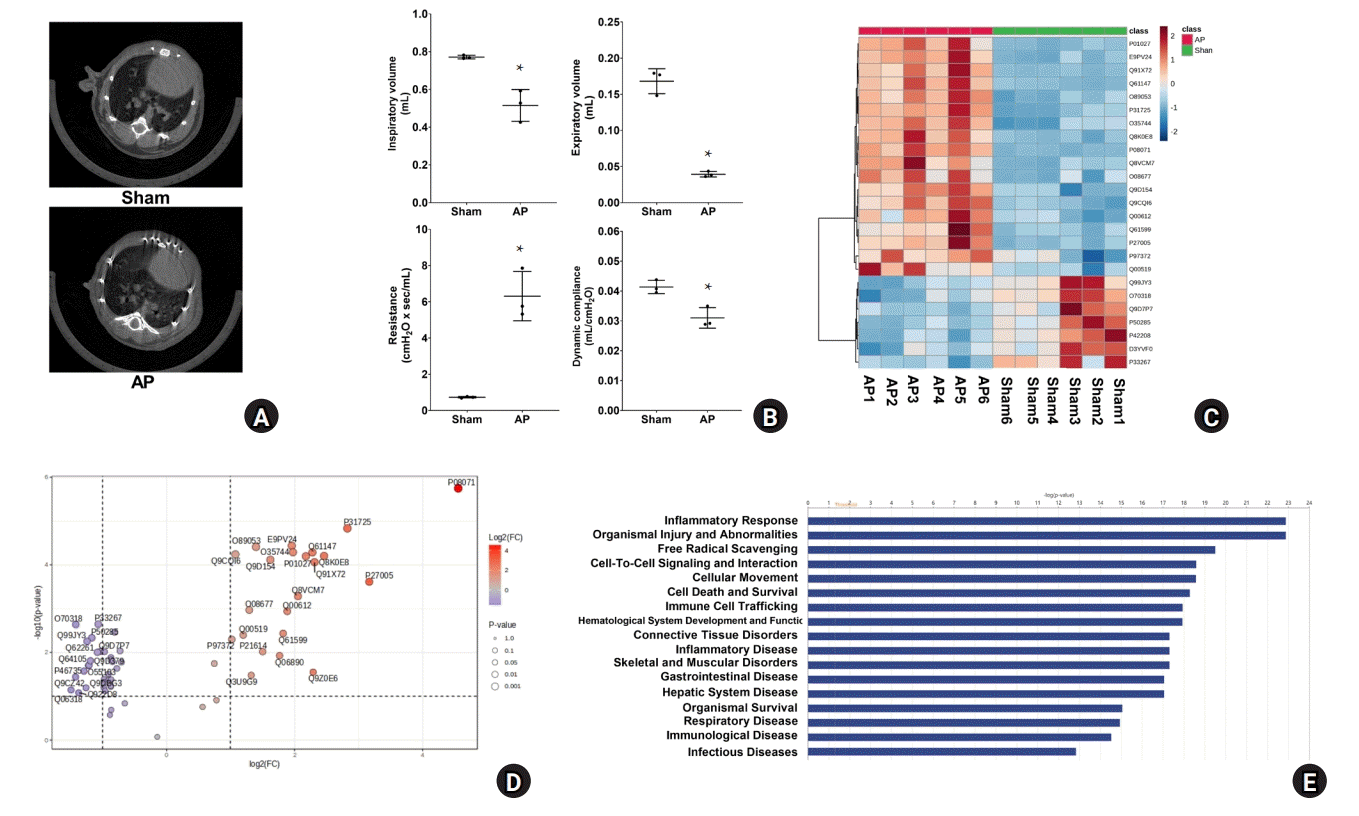
All six model mice survived AP induction. At 48 hours post-aspiration, representative micro-CT images (Fig. 1A) showed significant parenchymal opacity, predominantly in the lower lung fields, in the AP group as compared to the Sham group. Additionally, respiratory function analysis (Fig. 1B) revealed significantly lower inspiratory volume, expiratory volume, and dynamic compliance, along with significantly higher resistance, in the AP group than in the Sham group (P = 0.006, < 0.001, = 0.012, and = 0.002, respectively). These data confirmed that aspiration of a gastric-content mimic can induce ALI in mice.
Proteomic analysis of lung tissues from the murine AP model
All 12 mice survived AP model induction. At 48 hours after aspiration, the lung tissues from all mice were harvested for analysis. Our analysis revealed differences in the expression of 764 proteins between the two groups. Fig. 1C shows the corresponding heat map. Fig. 1D shows a volcano plot depicting the differences in protein expression in the lungs between the AP and Sham groups, highlighting 39 proteins that were upregulated by at least two-fold and 45 proteins that were downregulated by at least two-fold after AP induction. Fig. 1E depicts the IPA data, illustrating a comparison of the canonical pathways in the lungs between the AP and Sham groups. Our findings indicated that, compared to the Sham group, pathways associated with inflammation (including inflammatory response, immune cell trafficking, and inflammatory disease), oxidative stress (free radical scavenging), organ injury, and cell death (encompassing organismal injury and abnormalities, cell death and survival, and organismal survival) were notably upregulated in the AP group.
Characteristics of exosomes derived from hpMSCs
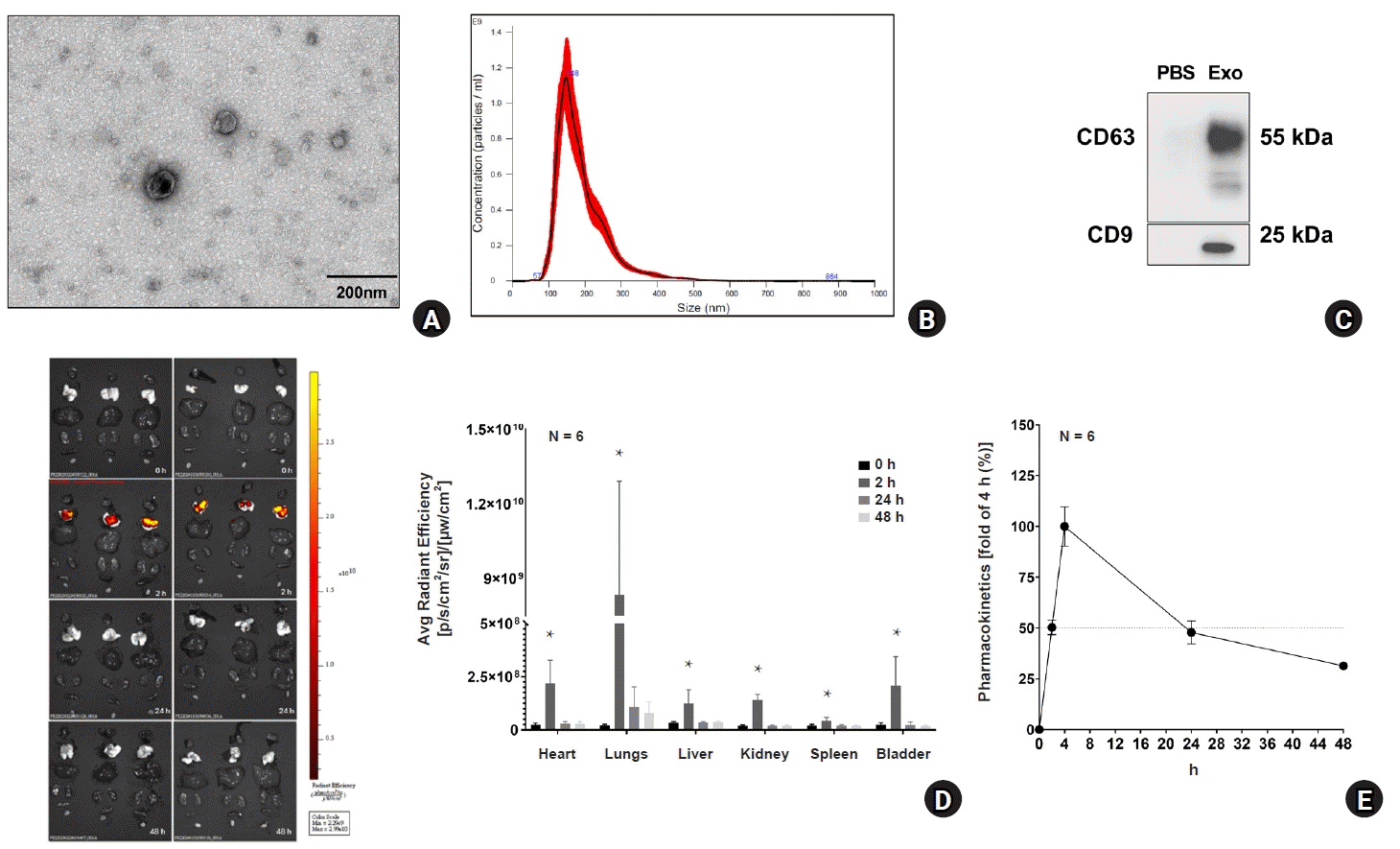
Fig. 2A shows a representative transmission electron microscopy image revealing that exosomes isolated from hpMSCs display a characteristic double-layered oval morphology. Fig. 2B shows that the hpMSC-derived exosomes had an approximate size of 150 nm. Fig. 2C confirms the presence of the exosomal markers CD63 and CD9 in the isolated exosome samples. Fig. 2D shows the biodistribution of exosomes after intra-tracheal administration of the exosomes to mice. At 2 hours post-administration, significantly elevated fluorescence signal intensities were detected in the heart, lungs, liver, kidney, spleen, and bladder as compared to baseline values (all P < 0.05), with the strongest signal observed in the lungs. However, at 24 and 48 hours, the fluorescence signal intensities in all organs did not differ significantly from baseline. These findings highlighted the significant biodistribution of exosomes in lung tissues within 2 hours of administration via the tracheal route. Fig. 2E depicts the pharmacokinetic data, indicating that the in vivo half-life of hpMSC-derived exosomes administered via the tracheal route was approximately 24 hours.
Effects of hpMSC-derived exosomes on mitigating ALI in the murine AP model
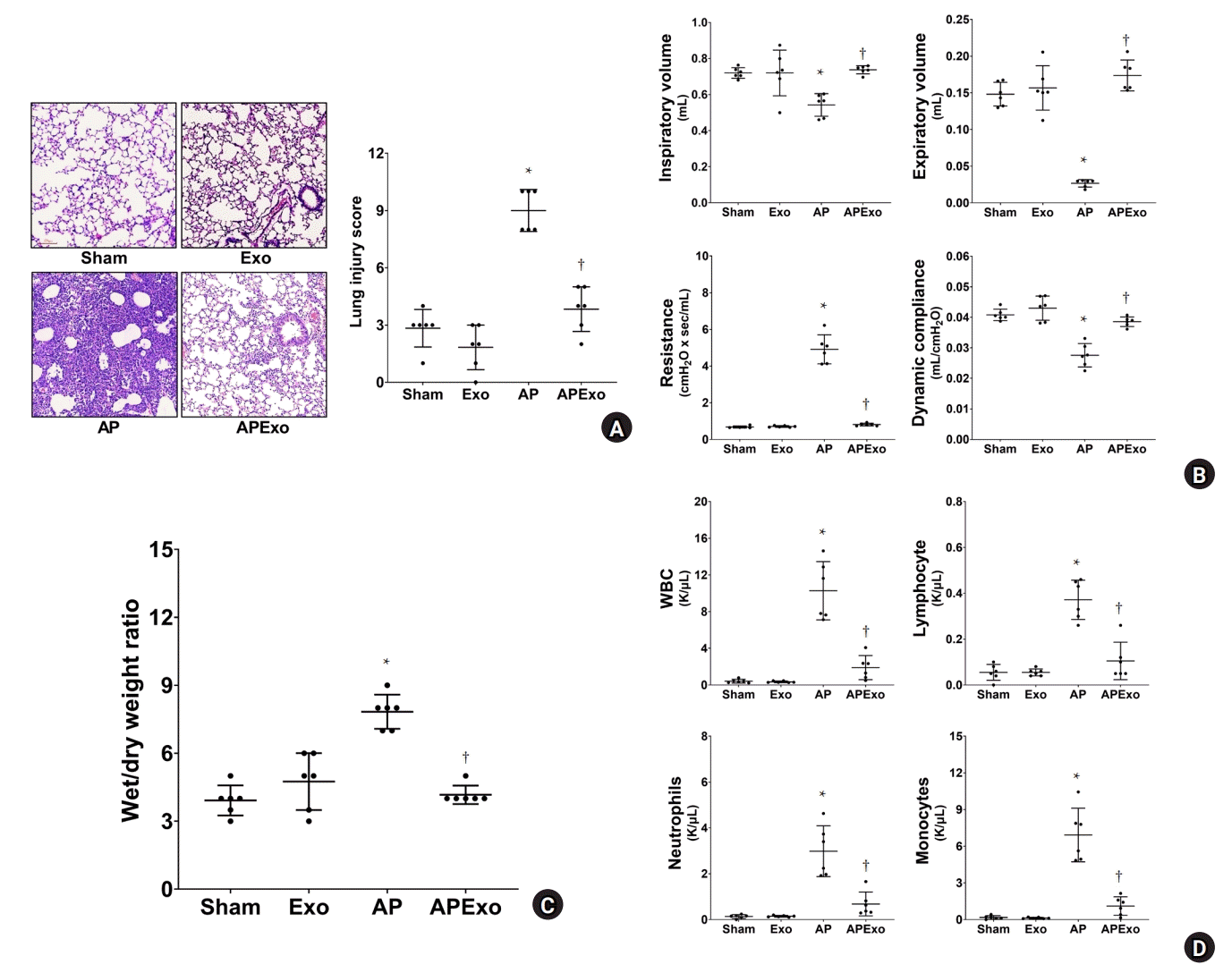
All 72 mice survived AP model induction. Fig. 3A shows representative microscopic images of lung tissues stained with hematoxylin and eosin. Histopathological analysis revealed significant lung injury in mice in the AP and APExo groups, whereas normal characteristics were observed in mice in the Sham and Exo groups. Our data also demonstrated a significantly higher lung injury score in the AP than in the Sham group (P < 0.001), confirming that aspiration of the gastric-content mimic can induce ALI in mice. Importantly, a significantly lower lung injury score was noted in the APExo than in the AP group (P < 0.001), demonstrating that hpMSC-derived exosomes could mitigate the impact of AP on ALI development in mice. Additionally, the lung injury scores in the Sham and Exo groups were both low, suggesting that hpMSC-derived exosomes had a minimal impact on lung tissues in mice.
Fig. 3B depicts lung function data. Our data demonstrated a significantly lower inspiratory volume, expiratory volume, and dynamic compliance in the AP than in the Sham group (P = 0.001, < 0.001, and = 0.002, respectively) and a significantly higher resistance in the AP than in the Sham group (P < 0.001). In contrast, the inspiratory volume, expiratory volume, and dynamic compliance in the APExo group were significantly higher than those in the AP group (P = 0.003, < 0.001, and = 0.043, respectively). Resistance in the APExo group was significantly lower than that in the AP group (P < 0.001). In addition, all lung function parameters in the Sham and Exo groups were comparable.
Fig. 3C illustrates the wet/dry weight ratio, and Fig. 3D illustrates data on the cell counts in the BALF. The wet/dry weight ratio and WBC, neutrophil, lymphocyte, and monocyte counts in the AP group were significantly higher than those in the Sham group (P < 0.001, < 0.001, < 0.001, = 0.003, and < 0.001, respectively). The wet/dry weight ratio and WBC, neutrophil, lymphocyte, and monocyte counts were significantly lower in the APExo than in the AP group (P < 0.001, < 0.001, = 0.001, = 0.014, and < 0.001, respectively). In addition, the wet/dry weight ratios and cell counts of the Sham and Exo groups were comparable.
Collectively, these data demonstrated the therapeutic effects of hpMSC-derived exosomes in alleviating lung injury and lung function deterioration caused by AP, as well as their ability to mitigate lung tissue edema and inhibit leukocyte infiltration.
Effects of hpMSC-derived exosomes on mitigating the pulmonary inflammatory response in the murine AP model
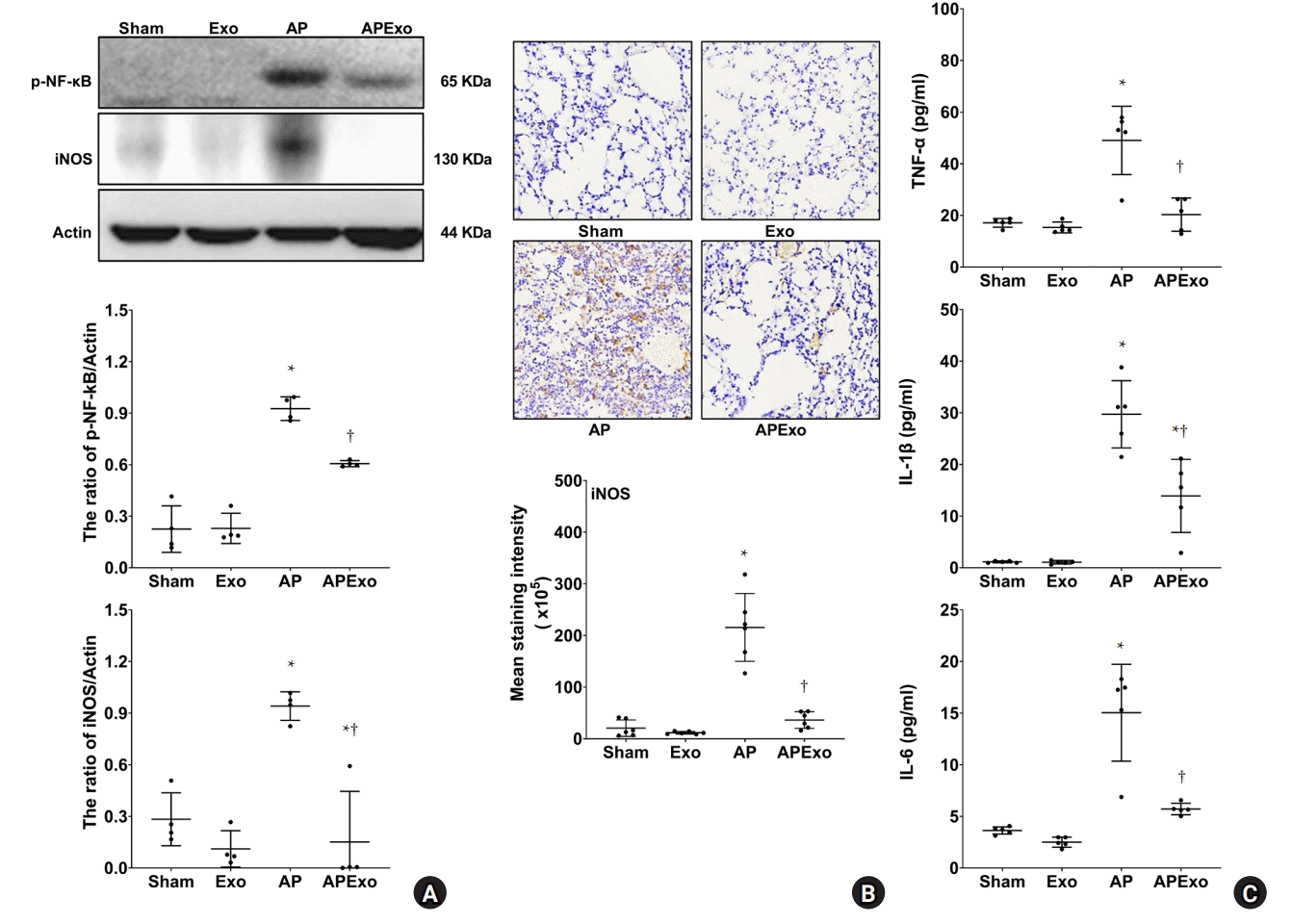
Fig. 4A illustrates representative gel photographs and the corresponding band intensities regarding the expression levels of the upstream regulator NF-κB in lung tissues, measured through an immunoblotting assay. The p-NF-κB level was significantly higher in the AP than in the Sham group (P < 0.001), confirming that AP induced a significant upregulation of NF-κB in lung tissues in mice. A significantly lower expression of p-NF-κB was observed in the APExo than in the AP group (P < 0.001). In addition, the levels of NF-κB in the Sham and Exo groups were low and comparable. Notably, the expression patterns of the macrophage M1 polarization marker iNOS, as shown in Figs. 4A and B, closely mirrored those of NF-κB (Fig. 4A). Fig. 4C illustrates the data on pulmonary cytokine expression (TNF-α, IL-1β, and IL-6), measured through ELISAs. Notably, the cytokine data presented in Fig. 4C also closely parallel the NF-κB data presented in Fig. 4A.
These data collectively demonstrated that hpMSC-derived exosomes can significantly mitigate the pulmonary inflammatory response caused by AP in mice, by inhibiting upregulation of the upstream regulatory NF-κB, the macrophage M1 polarization marker iNOS, and the downstream effectors TNF-α, IL-1β, and IL-6.
Effects of hpMSC-derived exosomes on mitigating pulmonary oxidative stress and apoptosis in the murine AP model
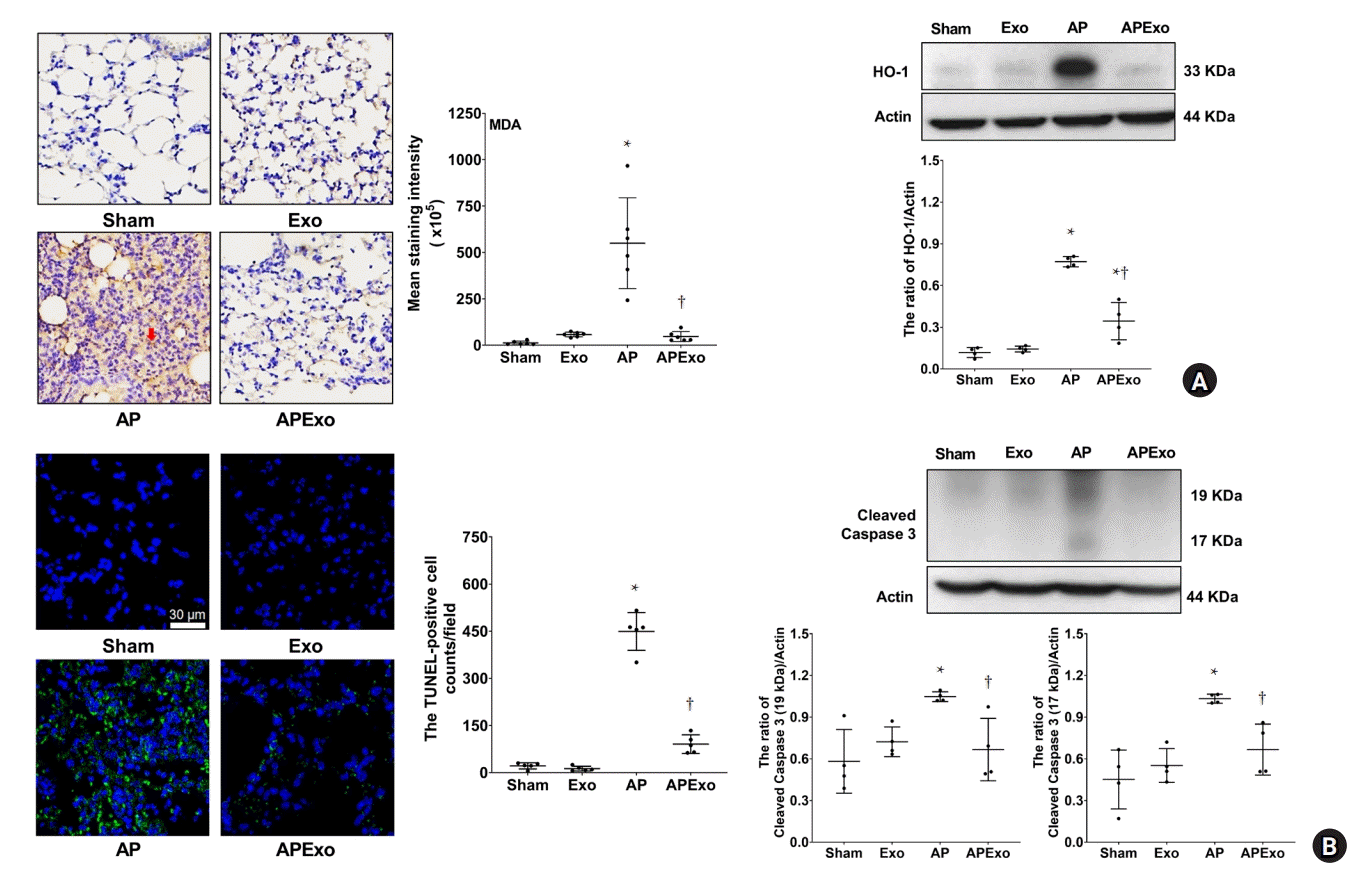
Fig. 5A illustrates the representative photomicrograph and staining signal intensities of MDA and HO-1 in lung tissues, measured through immunohistochemistry and immunoblotting assays, respectively. The levels of MDA and HO-1 in the AP group were significantly higher than those in the Sham group (both P < 0.001), confirming that aspiration of a gastric-content mimic induced oxidative stress in the lung tissues of mice. Significantly lower MDA and HO-1 levels were observed in the APExo than in the AP group (both P < 0.001). In addition, the levels of MDA and HO-1 were similar between the Sham and Exo groups. These data demonstrated that pulmonary oxidative stress caused by AP in mice can be significantly inhibited by treatment with hpMSC-derived exosomes.
Fig. 5B shows representative fluorescence microscopy images of fragmented DNA and the TUNEL-positive cell count in the lung tissues measured using the TUNEL method. A strong fluorescence signal was observed in the AP group, and the TUNEL-positive cell count was significantly higher in the AP than in the Sham group (P < 0.001). These data confirmed the effect of AP on apoptosis in mouse lung tissues. Additionally, the fluorescence signal in the APExo group was weak, and the TUNEL-positive cell count in the APExo group was significantly lower than that in the AP group (P < 0.001). Moreover, the fluorescence signals and TUNEL-positive cell counts in the Sham and Exo groups were low. Fig. 5B illustrates the immunoblotting data for cleaved caspase-3. Notably, the cleaved caspase-3 data closely correlated with the TUNEL data. These data demonstrated that hpMSC-derived exosomes can mitigate pulmonary apoptosis caused by AP in mice.
Role of hsa-let-7i-5p in mediating the therapeutic effects of hpMSC-derived exosomes
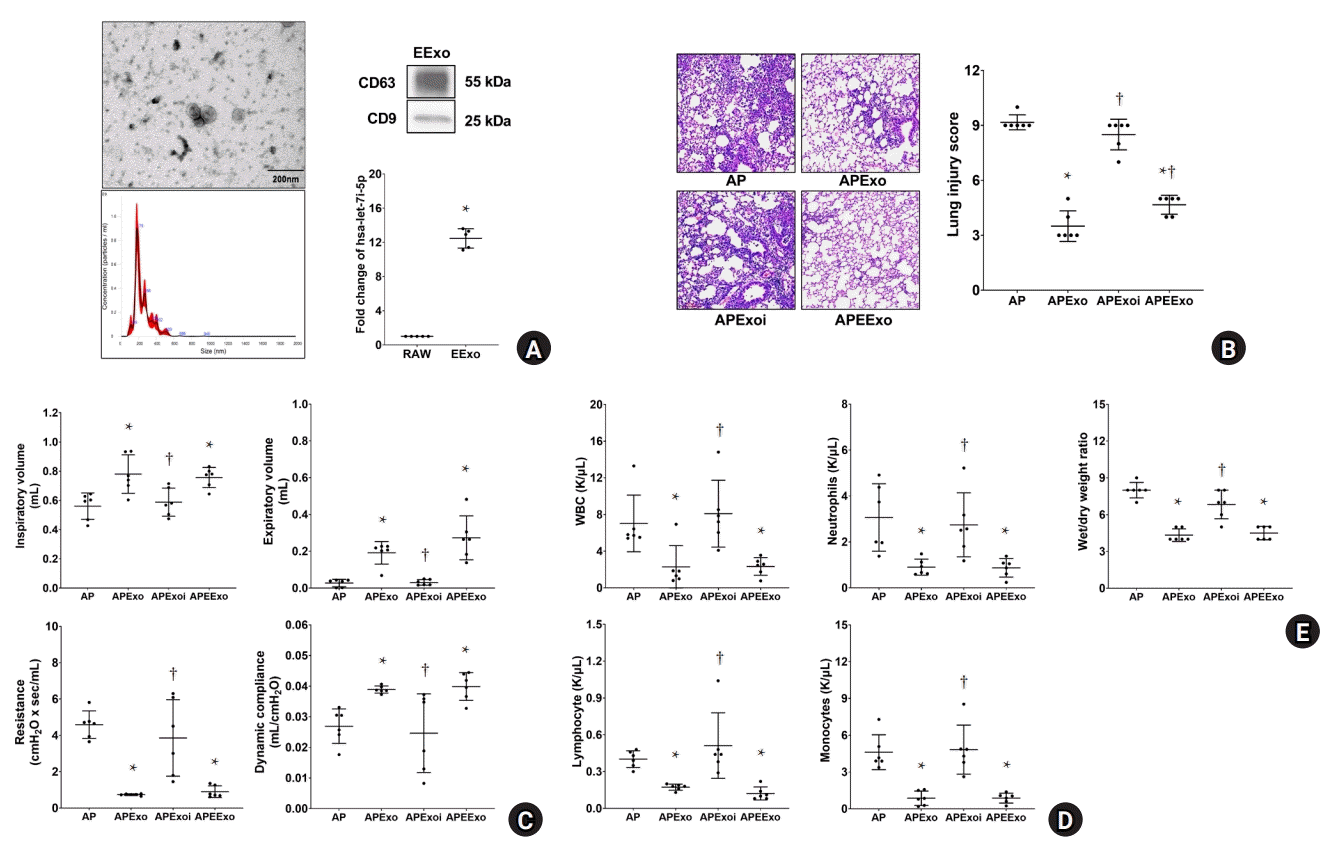
Fig. 6A highlights the properties of the engineered exosomes, including a representative transmission electron microscopy image showing their characteristic double-layered oval morphology and average size of approximately 180 nm. The presence of the exosomal markers CD63 and CD9 was confirmed in the isolated samples. Furthermore, the concentration of hsa-let-7i-5p in the engineered exosomes was approximately 12 times higher than that in exosomes derived from RAW264.7 that did not overexpress hsa-let-7i-5p (P < 0.001).
All mice survived the model induction. Fig. 6B shows significant lung injury characteristics in mice from the AP, APExo, APExoi, and APEExo groups. As expected, histopathological analysis showed a significantly lower lung injury score in the APExo than in the AP group (P < 0.001). In contrast, the lung injury score in the APExoi group was significantly higher than that in the AP group (P < 0.001). Furthermore, the lung injury score in the APEExo group was significantly lower than that in the AP group (P < 0.001), while the lung injury score in the APEExo group was significantly higher than that in the APExo group (P = 0.034).
Notably, the inspiratory volume, expiratory volume, and dynamic compliance data shown in Fig. 6C closely mirrored the lung injury data shown in Fig. 6B, with the exception that no significant differences were observed in the inspiratory volume, expiratory volume, or dynamic compliance between the APEExo and APExo groups (all P > 0.05). As expected, airway resistance in the APExo group was significantly lower than that in the AP group (P < 0.001), whereas airway resistance in the APExoi group was significantly higher than that in the APExo group (P = 0.001). Additionally, airway resistance in the APEExo group was significantly lower than in the AP group (P < 0.001). No significant difference in airway resistance was observed between the APEExo and APExo groups (P = 0.68).
Moreover, the cell count data from the BALF shown in Fig. 6D and the wet/dry weight ratio data depicted in Fig. 6E closely paralleled the lung injury data shown in Fig. 6B, with the exception that no significant differences were found in the cell counts in the BALF or in the wet/dry weight ratio between the APEExo and APExo groups (all P > 0.05).
These data demonstrated that inhibition of hsa-let-7i-5p can abrogate the therapeutic effects of hpMSC-derived exosomes in terms of mitigating ALI caused by AP in mice. Additionally, the delivery of hsa-let-7i-5p via engineered exosomes significantly alleviated ALI in mice with AP, producing outcomes comparable to those of hpMSC-derived exosomes. Collectively, these findings provided clear evidence of the critical role of hsa-let-7i-5p in mediating the therapeutic effects of hpMSC-derived exosomes in combating ALI caused by AP in mice.
Discussion
In this study, we aimed to develop a novel therapy for AP-induced ALI using hpMSC-derived exosomes. Previous studies highlighted their effectiveness in reducing inflammation, oxidative stress, and cell death [19–21]. Analysis of lung tissues from mice treated with hpMSC-derived exosomes showed significantly improved lung function, reduced histopathological changes, lower injury scores, lower leukocyte infiltration, and less tissue edema than did the untreated mice. These results confirmed our hypothesis and suggested that hpMSC-derived exosomes could be a promising therapy for AP. Given the current lack of effective therapies for AP, the insights gained from this study are substantially and clinically relevant and warrant further exploration in future research endeavors.
This study confirmed that a murine AP model, involving episodic macroaspiration of a gastric-content mimic, effectively induced ALI. The results showed significant lung injury within 48 h, including lung function decline, histopathological changes, lung injury score increase, leukocyte infiltration, and tissue edema. Proteomic analysis of the lung tissue revealed changes in the expression of 764 proteins, with bioinformatics analysis of these proteins indicating inflammation, oxidative stress, and cell death pathways as the key upregulated mechanisms. These findings, which are consistent with previous research [7–14], underscore the importance of these pathways in ALI progression and highlight potential therapeutic targets for AP.
The proteomic and bioinformatic analyses were validated by the study data, showing upregulation of key inflammatory mediators, including NF-κB, iNOS, TNF-α, IL-1β, and IL-6, with NF-κB playing a central role in their expression [7–10]. A decline in lung function leads to hypoxia and increased oxidative stress [34], which is evidenced by elevated HO-1 expression and lipid peroxidation (i.e., MDA) levels. The interplay between hypoxia and inflammation, as described previously [34,35], triggers NF-κB activation, initiating a cascade of inflammatory responses that can exacerbate tissue hypoxia. Additionally, this interplay promotes apoptosis, with TNF-α playing a critical role in activating apoptosis pathways [13,14]. Given that hpMSC-derived exosomes reduce inflammation and oxidative stress, their administration is expected to decrease apoptosis in affected lung tissues.
This study confirmed the therapeutic efficacy of hpMSC-derived exosomes in mitigating AP-induced ALI and identified the underlying mechanisms. This raised the question as to which component(s) of the exosomal cargo mediated these effects. Previous research has pointed to miRNAs [36], among which hsa-let-7i-5p is predominant in hpMSC-derived exosomes [19]. Given its anti-inflammatory and antioxidant properties [19–21,37], the possible role of hsa-let-7i-5p was further explored by using a specific inhibitor, and was delivered via engineered exosomes from RAW264.7 cells that overexpressed hsa-let-7i-5p. The results showed that inhibition of hsa-let-7i-5p reduced the therapeutic effects of hpMSC-derived exosomes, whereas exosomal delivery of hsa-let-7i-5p mitigated lung injury in a manner comparable to that of hpMSC-derived exosomes. These findings highlighted the critical role of hsa-let-7i-5p in the therapeutic effects exerted by hpMSC-derived exosomes.
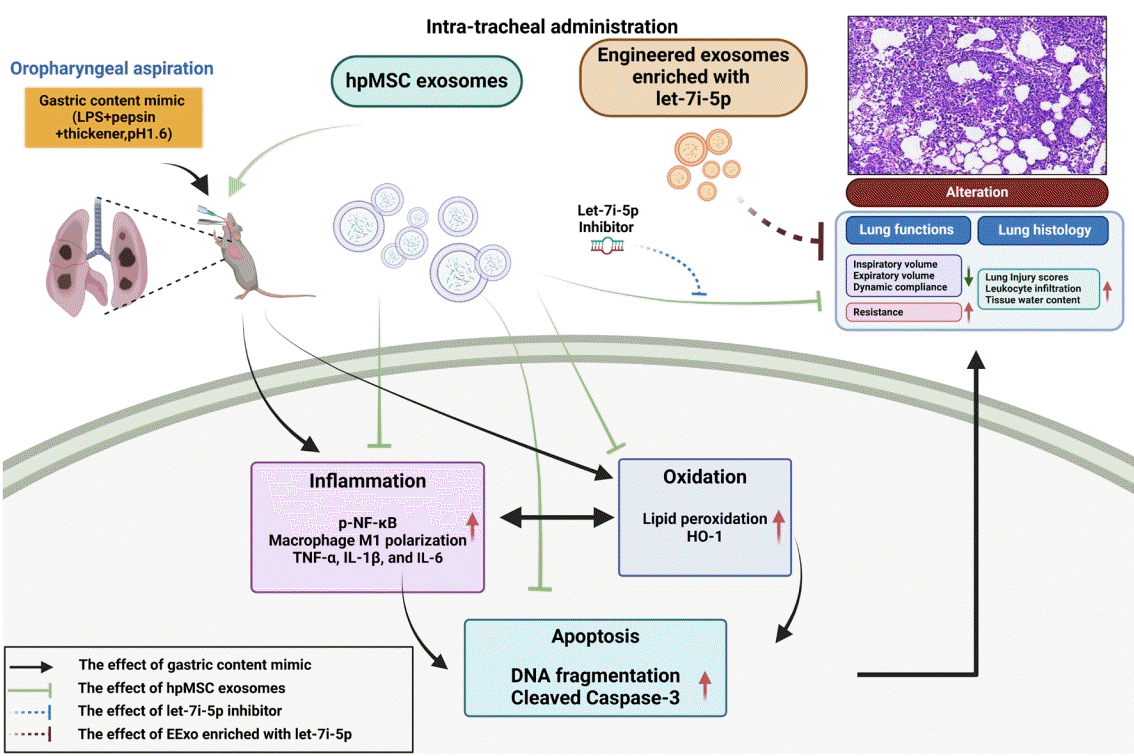
The effects of hpMSC-derived exosomes in mitigating ALI caused by gastric content aspiration-induced AP and the related mechanisms are summarized in Fig. 7. However, the precise mechanism by which hsa-let-7i-5p mitigates inflammation, oxidation, and apoptosis remains unknown. Bioinformatic analyses from multiple miRNA target prediction databases (including miRDB, PITA, and DIANA tools) suggested that the toll-like receptor 4 gene (TLR4) could be a pivotal target of hsa-let-7i-5p (data not shown). Specifically, hsa-let-7i-5p is predicted to bind to the 3′UTR of the TLR4 mRNA, thereby inhibiting its expression. The central role of TLR4 in the modulation of inflammation has been well-documented [38]. Activation of TLR4 by either exogenous or endogenous ligands triggers NF-κB activation, initiating an inflammatory cascade [38]. Building on this foundation, we conjecture that the potential of hsa-let-7i-5p to inhibit TLR4 expression post-transcriptionally may be instrumental in mediating the therapeutic effects of hpMSC-derived exosomes that were observed in this study. Nevertheless, further investigations are warranted before definitive conclusions can be drawn.
This study had some limitations. First, only adult male mice were used, raising the question of whether hpMSC-derived exosomes would have similar effects in female mice; this requires further investigation. Second, all mice survived AP induction, which contrasted with previous studies [4] that showed that mortality is common in older patients with AP, suggesting the need for studies using aging mice. Third, this study focused on episodic macroaspiration; therefore, the effects of hpMSC-derived exosomes on chronic microaspiration remain unknown. Fourthly, our preliminary data indicated that the therapeutic effects of hpMSC-derived exosomes are dose-dependent, with two doses (1 × 10⁸ particles per mouse) being more effective than a single dose, although the optimal dosing and safety require clarification. Lastly, while engineered exosomes enriched with hsa-let-7i-5p showed promise, further studies are needed to determine their viability as compared to stem cell-derived exosomes.
In conclusion, this study showed that intra-tracheal administration of hpMSC-derived exosomes can alleviate AP-induced ALI in mice. These therapeutic effects, in which hsa-let-7i-5p plays key roles, are likely due to the attenuation of inflammation, oxidative stress, and apoptosis. These findings highlight the clinical potential of hpMSC-derived exosomes in the treatment of AP and warrant further research.

 XML Download