



 PDF
 Citation
 Print


PREFACE
The 2025 Diabetes Clinical Practice Guidelines, developed by the Korean Diabetes Association (KDA), aim to provide evidence-based recommendations for the diagnosis, screening, prevention, and treatment of diabetes and its complications (Supplementary Table 1). The target population for these guidelines includes people with type 1 diabetes mellitus (T1DM) and type 2 diabetes mellitus (T2DM), children and adolescents with T2DM, gestational diabetes, and adults with prediabetes. The guidelines have been restructured and updated from the ‘2023 Diabetes Management Guideline’ to serve as a comprehensive resource for a wide range of healthcare professionals involved in diabetes care, including general physicians, specialists, private practitioners, diabetes care physicians in educational institutions, nurses, nutritionists, exercise therapists, social workers, policy makers, and other professionals. By promoting evidence-based treatments, providing alternatives to risky or unnecessary interventions, and incorporating essential information on crucial aspects of diabetes care, these guidelines strive to enhance the overall quality of diabetes care in Korea, improve health outcomes, and reduce healthcare costs. Ultimately, the guidelines aim to empower healthcare professionals to make informed decisions and deliver the best possible care to people with diabetes, thereby improving their quality of life and reducing mortality rates.
1. DIAGNOSIS AND CLASSIFICATION OF DIABETES MELLITUS
1. Diagnose diabetes based on glycosylated hemoglobin (HbA1c) or plasma glucose criteria, either the fasting plasma glucose (FPG) level, 2-hour plasma glucose (2-h PG) level during a 75 g oral glucose tolerance test (OGTT), or random plasma glucose level accompanied by classic hyperglycemic symptoms [Non-randomized controlled trial, general recommendation]
Recommendation 1.1. Diagnose diabetes based on HbA1c or plasma glucose criteria, either the FPG level, 2-h PG level during a 75 g OGTT, or random plasma glucose level accompanied by classic hyperglycemic symptoms. [Non-randomized controlled trial, general recommendation]
Key question
Is testing HbA1c, FPG, 2-h PG during a 75 g OGTT, and random plasma glucose in the presence of hyperglycemic symptoms appropriate for diagnosing diabetes and predicting complications?
Level of evidence
This recommendation is based on guidelines from the American Diabetes Association (ADA) and the World Health Organization (WHO) for diabetes diagnosis and classification, incorporating results from studies conducted on Korean populations.
1) Fasting plasma glucose
In 2007, the Diagnostic Subcommittee of the KDA reviewed the results of several previous studies conducted in Korea, including 6,234 subjects (2,473 in Yeoncheon, 774 in Mokdong, 1,106 in Jeongup, and 1,882 in Ansan), of whom 40.9% were male [1,2]. The subcommittee reported that a FPG level of 110 mg/dL corresponds to a 2-h PG level of 200 mg/dL. However, due to the lack of large epidemiologic studies identifying an FPG level predictive of diabetic complications in Koreans, the KDA guidelines have recommended an FPG level ≥126 mg/dL as the diagnostic criterion for diabetes. Meanwhile, the ADA and the International Diabetes Federation (IDF) recommend that the normal FPG criterion should be <100 mg/dL [3-5].
2) Oral glucose tolerance test
The OGTT is a diagnostic method that is cumbersome, time-consuming, has low reproducibility, and is relatively costly. For these reasons, it is challenging to recommend OGTT uniformly for diabetes diagnosis in primary healthcare settings. However, Korean adults with diabetes tend to be less obese than the Western counterparts, exhibit relatively low insulin secretion, and often present with only postprandial hyperglycemia, particularly in elderly populations. Therefore, relying solely on FPG may miss a significant number of diabetes cases. Lowering the FPG cutoff to address this issue would reduce diagnostic specificity. WHO [6,7] endorses the commonly used OGTT protocol, which meausres blood glucose after fasting and 2 hours following a 75-g glucose load. The Japan Diabetes Society (JDS) [8] further recommends measuring plasma glucose and insulin at 30 and 60 minutes after the glucose load in addition to fasting and 2-hour measurements. Although fasting and 2-hour postprandial measurements may be more practical, additional tests at 30, 60, and 90 minutes may be necessary [9].
Individual National Diabetes Societies or associations, along with International Organizations, generally recommend OGTT for individuals with impaired fasting glucose (IFG), though specific guidelines may vary slightly by country. The IDF recommends performing an OGTT to diagnose diabetes if FPG levels are between 100 and 125 mg/dL. The IDF also recommends either FPG measurement or OGTT if random glucose levels fall between 100 and 199 mg/dL [3,4].
Taking into account recommendations from other countries and the unique characteristics of diabetes in the Korean population, the KDA advises conducting OGTT for individuals with IFG, those at high risk for diabetes despite having normal FPG levels, individuals over 60 for whom FPG may not be a reliable diagnostic test, individuals with ambiguous blood glucose test results, pregnant individuals, and in epidemiologic studies [1,2,10,11]. OGTT is also useful for diagnosing impaired glucose tolerance (IGT), a high-risk condition for diabetes that is more prevalent than IFG and is associated with increased cardiovascular events and overall mortality. Since appropriate interventions can prevent the progression to T2DM and reduce the risk of cardiovascular disease (CVD) in individuals with IGT, screening for pre-diabetes is beneficial. Therefore, diagnosing both diabetes and IGT through OGTT is clinically meaningful. The classification of glucose tolerance in Koreans based on these recommendations is summarized in Fig. 1.
3) Glycosylated hemoglobin (A1C, HbA1c)
The HbA1c test is a widely used and convenient tool for assessing glycemic status, as it does not require fasting and correlates well with both FPG and postprandial blood glucose levels. In 2009, the International Expert Committee recommended an HbA1c level ≥6.5% as a new diagnostic criterion for diabetes when measured by a standardized method (Diabetes Control and Complications Trial [DCCT] reference assay) and certified by the National Glycohemoglobin Standardization Program (NGSP) [12]. This recommendation is based on the fact that HbA1c more accurately reflects long-term glycemic control, correlates well with the risk of diabetic complications, and is more reliable than direct blood glucose measurements. Both the ADA and JDS have also included this criterion in their diagnostic guidelines.
In Korea, using an FPG threshold of 126 mg/dL alone as a diagnostic criterion was found to identify only 55.7% of all individuals with diabetes, indicating that the HbA1c criterion should be considered as well [13]. The concordance between FPG and HbA1c levels as diagnostic criteria for diabetes has been established. Given the low specificity of FPG and the alignment between FPG and HbA1c levels, a HbA1c level ≥6.5% is appropriate as a diagnostic criterion for diabetes in Korea [14], and this has been included in the KDA guidelines since 2013. However, when using HbA1c alone, the diabetes detection rate was only 30% of that achieved when combining fasting and 2-h PG after an oral glucose load [15]. It is important to interpret HbA1c results carefully, as they may not accurately reflect glycemic status in certain situations, such as hemoglobinopathies, pregnancy, glucose-6-phosphate dehydrogenase deficiency, human immunodeficiency virus (HIV), hemodialysis, recent blood loss or transfusion, and hematopoietic drug treatments.
4) Classification of diabetes (Supplementary Table 3)
With the revisions made by the ADA in 1997 and the WHO in 1999, the terms ‘insulin-dependent’ and ‘insulin-independent’ diabetes, which were based on treatment perspectives, were replaced by ‘T1DM’ and ‘T2DM.’ Since then, there have been no major changes to the classification of diabetes mellitus. In 2002, the JDS added liver disease (hepatitis and cirrhosis) in the classification, based on findings that IGT is common (12% to 40%) in liver disease. With increasing prevalence of diabetes among individuals with chronic liver disease up to 15%–30% in Korea [16], liver disease was also added to the KDA guidelines in 2011.
The measurement of autoantibodies (such as glutamic acid decarboxylase [GAD] autoantibody, insulin autoantibody, and islet cell autoantibody), insulin, and C-peptide can aid in differentiating between T1DM and T2DM. Several Korean studies classify fasting serum C-peptide levels below 0.6 ng/mL (0.2 nmol/L) as indicative of T1DM, while levels above 1.0 ng/mL (0.33 nmol/L) suggest T2DM [17].
A positive result for autoantibodies increases the likelihood of immune-mediated T1DM. However, among Koreans diagnosed with T2DM, 4%–25% tested positive for GAD autoantibody, and these cases were more likely to require insulin treatment [18-21]. Among autoimmune mechanisms, unlike the rapidly progressing T1DM, slowly progressive cases are categorized separately as ‘latent autoimmune diabetes in adults’ [22]. Atypical diabetes, which is challenging to classify at onset, is relatively common in Korea [23]. For these cases, it is essential to monitor and reevaluate the clinical course, C-peptide levels, and autoantibodies.
Benefits
By clearly defining normal glucose levels and the criteria for prediabetes, this approach enables the prevention and early management of diabetes. HbA1c testing allows for an assessment of glycemic status independent of fasting.
Potential harms
OGTT is a cumbersome, time-consuming test with low reproducibility and relatively high cost. It may also cause discomfort for some individuals. Relying solely on FPG for diabetes diagnosis may reduce diagnostic specificity, potentially leading to unnecessary additional tests. HbA1c levels may be less accurate under certain conditions, such as hemoglobinopathies, pregnancy, HIV, and hemodialysis.
Balancing the benefits and harms
The benefits of early diabetes diagnosis outweigh the risks associated with testing. However, using HbA1c alone may reduce the detection rate. Therefore, a combined use with FPG and OGTT is recommended.
Various alternatives and considerations
OGTT may be particularly useful in diagnosing diabetes in less obese populations, such as Koreans, and should be actively considered for individuals with IFG. Using HbA1c to diagnose diabetes offers convenience by evaluating glycemic status regardless of fasting, though further research is required to apply it across various conditions. Autoantibody testing and C-peptide measurement can aid in differentiating between T1DM and T2DM, enabling personalized managements based on individuals’ condition.
2. SCREENING FOR DIABETES
1. Perform screening for diabetes based on FPG, HbA1c, or 2-h PG during a 75-g OGTT.
[Non-randomized controlled trial, general recommendation]
1) Perform screening for diabetes in all adults aged ≥19 with one or more risk factors (Supplementary Table 4). [Uncontrolled studies, general recommendation]
2) Perform screening for diabetes in all adults aged ≥35. [Uncontrolled studies, general recommendation]
2. Additional testing and follow-up after initial screening
1) If an individual is suspected of having diabetes despite only one screening test indicating prediabetes, an additional screening test using a different method should be performed. [Expert opinion, general recommendation]
2) Adults with normal diabetes screening results should be tested yearly. [Expert opinion, general recommendation]
3. Perform an OGTT for individuals with gestational diabetes at 4–12 weeks postpartum. [Randomized controlled study, general recommendation]
Recommendation 2.1. Perform screening for diabetes based on FPG, HbA1c, or 2-h PG during a 75 g OGTT. [Non-randomized controlled trial, general recommendation]
Key question
Are FPG, HbA1c, and OGTT appropriate screening tests for the early diagnosis of diabetes in asymptomatic adults?
Level of evidence
This recommendation is based on the ADA guidelines and findings from studies conducted on Koreans.
Benefits
T2DM frequently goes undiagnosed until complications arise, due to the absence of specific symptoms. It is estimated that one-third of individuals with diabetes remain unaware of their condition. The objective of screening for diabetes is to identify individuals at high risk for diabetes to facilitate early diagnosis.
Potential harms
OGTT is a cumbersome, time-consuming test with low reproducibility and relatively high cost. HbA1c testing may be less accurate under certain conditions, such as hemoglobinopathies, pregnancy, HIV, and hemodialysis.
Balancing the benefits and harms
The benefits of early diabetes diagnosis through screening outweigh the risks associated testing.
Recommendation 2.1-1) Screening for diabetes should be considered in adults aged ≥19 who have one or more risk factors (Supplementary Table 4). [Uncontrolled studies, general recommendation]
Recommendation 2.1-2) Screening for diabetes should be considered in all adults aged ≥35. [Uncontrolled studies, general recommendation]
Level of evidence
With the recent rise in the prevalence of prediabetes, diabetes, obesity, and abdominal obesity among young adults under the age of 40 [24,25], the ADA revised its 2022 clinical guidelines to lower the recommended starting age for diabetes screening from 45 to 35 years [26]. Similarly, the KDA updated its 2023 clinical guidelines by reflecting findings from studies on diabetes screening age conducted in adults aged 20 and older, using data from the Korea National Health and Nutrition Examination Survey (KNHANES; 2016–2020) and the National Health Insurance Service sample cohort (2012–2017). Based on these results, the KDA lowered the recommended starting age for diabetes screening from 40 to 35 years (Supplementary Fig. 1) [27].
In addition, based on an evaluation using KNHANES data (2016–2020) regarding appropriate screening targets among adults aged 20 and older according to T2DM risk factors, the KDA recommends screening for diabetes in all adults aged 19 and older with one or more risk factors. Furthermore, since the number needed to screen was found to be lower in individuals with abdominal obesity compared to those with general obesity, abdominal obesity has been newly added to the list of T2DM risk factors (Supplementary Table 4).
Benefits
Lowering the screening age can facilitate earlier diagnosis of diabetes, aiding in complication prevention and early management. It helps detect prediabetes among high-risk young adults, possibly preventing the progression to diabetes. It also offers health management opportunities for individuals with risk factors, such as abdominal obesity.
Potential harms
Lowering the screening age may lead to increased testing in some low-risk individuals, resulting in potentially unnecessary tests. Performing FPG, HbA1c, or OGTT for diabetes screening can involve both time and financial costs.
Balancing the benefits and harms
The benefits of early diabetes detection by lowering the screening age outweigh the costs and inconvenience, especially given the capability to prevent long-term diabetes complications among high-risk individuals.
Various alternatives and considerations
Considering the rapidly increasing prevalence of diabetes, expanding screening to a broader population could be beneficial. Nevertheless, cost-effectiveness and resource allocation must also be taken into account.
Recommendation 2.2. Additional testing and follow-up after initial screening
Recommendation 2.2-1) If an individual is suspected of having diabetes despite only one screening test indicating prediabetes, an additional screening test using a different method should be performed. [Expert opinion, general recommendation]
Recommendation 2.2-2) Adults with normal diabetes screening results should be tested yearly. [Expert opinion, general recommendation]
Level of evidence
This recommendation is based on large-scale cohort studies conducted in the Korean population, the Korean Diabetes Prevention Study (KDPS), and international diabetes clinical guidelines.
In 2009, under the direction of the Diagnostic Subcommittee of the KDA, FPG, a 75 g OGTT, and HbA1c levels were measured in approximately 1,000 individuals without a history of diabetes at eight hospitals. The optimal HbA1c cut-off points for diagnosing diabetes and dysglycemia (IFG and IGT) were 6.1% and 5.7%, respectively [29]. Therefore, individuals with an HbA1c level ≥6.1% are considered to be at very high risk for diabetes, and undergoing an OGTT is recommended. According to the KDPS, among 446 individuals newly diagnosed with diabetes and with a body mass index (BMI) ≥23 kg/m2, 76.2% had FPG levels below 126 mg/dL, and 59.2% met only the 2-hour post-load glucose criterion for diagnosis, while their FPG and HbA1c levels were below the diagnostic thresholds. The proportion of individuals whose 2-hour post-load plasma glucose was ≥200 mg/dL was 9.5%, 19.0%, and 43.5% for those with FPG <100 mg/dL (normal), 100–109 mg/dL (stage 1 IFG), and 110–125 mg/dL (stage 2 IFG), respectively [30]. The clinical guidelines of the JDS [31] also recommend considering an OGTT when FPG is ≥100 mg/dL or HbA1c is ≥5.6%, and the Canadian Diabetes Association [32] recommends an OGTT for individuals with one or more risk factors and FPG ≥100 mg/dL. Based on these Korean and international studies, it is recommended that if an individual is suspected of having diabetes despite only one screening test result indicating prediabetes, an additional screening test using a different method should be performed.
Benefits
If diabetes is suspected based on screening results, additional testing can improve the accuracy of the diagnosis.
Potential harms
Repeated screening and OGTTs in certain high-risk groups may cause physical discomfort or financial burden.
Balancing the benefits and harms
Screening allows for early identification of high-risk individuals for diabetes, and additional testing can improve diagnostic accuracy, making the benefits outweigh the risks.
Level of evidence
This recommendation is based on large-scale cohort studies conducted both domestically and internationally, as well as international diabetes guidelines. Over time, 40% to 50% of people diagnosed with gestational diabetes develop T2DM [33,34]. Therefore, these individuals are considered at high-risk and should engage in lifestyle modifications to prevent diabetes. All individuals with gestational diabetes should be tested a 75 g OGTT at 4–12 weeks postpartum to assess their glucose tolerance. If the results are normal, consider yearly screening for diabetes.
3. SCREENING AND DIAGNOSIS OF GESTATIONAL DIABETES
1. The first hospital visit after confirming pregnancy
1) All pregnant women should undergo either FPG, random plasma glucose, or HbA1c testing at their first hospital visit after confirming pregnancy. [Non-randomized controlled trial, general recommendation]
2) If pregnant women meet any of the following criteria during the first hospital visit after confirming pregnant, they are considered to have pre-existing diabetes If an individualmeets any of the 2-1) to 2-3) criteria, diagonosis requires two abnormal test results obtained at the same time or these criteria should be confirmed by releat testing on a different day.
2-1) HbA1c ≥6.5%
2-2) 8-hour FPG≥126 mg/dL
2-3) 2-h PG during 75-g OGTT ≥200 mg/dL
2-4) Presence of classic symptoms of hyperglycemia (polyuria, polydipsia, and unknown weight loss) with random plasma glucose level ≥200 mg/dL
2. 24 to 28 weeks of gestation
1) Pregnant women who have never been diagnosed with diabetes or gestational diabetes should be tested using one of the following methods between 24 to 28 weeks of pregnancy. [Non-randomized controlled trial, general recommendation]
1-1) 75-g OGTT: gestational diabetes mellitus (GDM) is diagnesd if one or more of the following criteria are met (one-step approach).
- FPG ≥92 mg/dL
- 1-hour plasma glucose during OGTT ≥180 mg/dL
- 2-h PG during OGTT ≥153 mg/dL
1-2) If the plasma glucose level measured 1 hour after loadduring a 50 g OGTT is ≥140 mg/dL (≥130 mg/dL for pregnant women at high risk), proceed to a 100 g OGTT; GDM is diagnosed if two or more of the following criteria are met (two-step approach).
- FPG ≥95 mg/dL
- 1-hour plasma glucose during OGTT ≥180 mg/dL
- 2-h PG during OGTT ≥155 mg/dL
- 3-hour plasma glucose during OGTT ≥140 mg/dL
Recommendation 3.1. The first hospital visit after confirming pregnancy
1) All pregnant women should undergo either FPG, random plasma glucose, or HbA1c testing at their first hospital visit after confirming pregnancy. [Non-randomized controlled trial, general recommendation]
2) If pregnant women meet any of the following criteria during the first hospital visit after confirming pregnant, they are considered to have pre-existing diabetes—If an individualmeets any of the
2-1) to 2-3) criteria, diagonosis requires two abnormal test results obtained at the same time or these criteria should be confirmed by releat testing on a different day.
2-1) HbA1c ≥6.5%
2-2) 8-hour FPG ≥126 mg/dL
2-3) 2-h PG during 75-g OGTT ≥200 mg/dL
2-4) Presence of classic symptoms of hyperglycemia (polyuria, polydipsia, and unknown weight loss) with random plasma glucose level ≥200 mg/dL
Key question
Does diagnosing and managing diabetes during pregnancy help prevent obstetric complications?
Benefits
Early detection of diabetes in pregnant women is critical for minimizing obstetric risks by reducing the fetal exposure to high blood glucose levels during organ development.
Potential harms
It remains uncertain whether it is appropriate to use the same diagnostic criteria for diabetes in the general population for the diagnosis of gestational diabetes [38]. Screening all pregnant women without assessing their diabetes risk could result in unnecessary tests.
Balancing the benefits and harms
Considering the impact of high blood glucose on the fetus in early pregnancy, the benefits of testing outweigh the risks.
Various alternatives and considerations
Women planning pregnancy should be considered for screening for diabetes in advance, as diagnosing and treating diabetes early can reduce the risk of obstetric complications [39,40].
Recommendation 3.2. 24 to 28 weeks of gestation
1) Pregnant women who have never been diagnosed with diabetes or gestational diabetes should be tested using one of the following methods between 24 to 28 weeks of pregnancy. [Non-randomized controlled trial, general recommendation]
1-1) 75-g OGTT: GDM is diagnesd if one or more of the following criteria are met (one-step approach).
- FPG ≥92 mg/dL
- 1-hour plasma glucose during OGTT ≥180 mg/dL
- 2-h PG during OGTT ≥153 mg/dL
1-2) If the plasma glucose level measured 1 hour after loadduring a 50 g OGTT is ≥140 mg/dL (≥130 mg/dL for pregnant women at high risk), proceed to a 100-g OGTT; GDM is diagnesd if two or more of the following criteria are met (two-step approach).
- FPG ≥95 mg/dL
- 1-hour plasma glucose during OGTT ≥180 mg/dL
- 2-h PG during OGTT ≥155 mg/dL
- 3-hour plasma glucose during OGTT ≥140 mg/dL
Level of evidence
The 50 g OGTT, utilized in the two-step screening strategy, does not require fasting and effectively screens for GDM. Setting the 1-hour plasma glucose threshold at 140 mg/dL identifies approximately 80% of GDM cases. Lowering this threshold to 130 mg/dL enhances the detection rate to 90% [41]. In a study of 2,776 Korean women, the application of the Carpenter-Coustan criteria within the two-step approach significantly increased the frequency of obstetric complications and macrosomic infants compared to the National Diabetes Data Group criteria within the same approach [42]. The KDA adopted the two-step approach using the Carpenter-Coustant criteria, following the recommendations of the ADA. However, the Hyperglycemia and Adverse Pregnancy Outcomes (HAPO) study demonstrated that increased glycemia during pregnancy is associated with a sequential increase in the frequency of obstetric complications [43]. Based on these findings, the International Association of Diabetes and Pregnancy Study Groups (IADPSG) has set the cutoff for the one-step approach at a blood glucose level that corresponds to a 1.75-fold increase in the odds ratio (OR) of complications relative to the general pregnant population [44]. This one-step approach has been shown to double the diagnosis rate of gestational diabetes when compared to the two-step approach [45].
Benefits
Both protocols can efficiently diagnose gestational diabetes, prevent obstetric complications caused by hyperglycemia, and serve as evidence for advocating routine diabetes screening, as women are at risk for diabetes after giving birth.
Potential harms
The OGTT may induce nausea and/or vomiting in some individuals and can lead to hypoglycemia in individuals who have undergone gastrointestinal (GI) bypass surgery.
Balancing the benefits and harms
Considering the impact of hyperglycemia during pregnancy on both the mother and fetus, the advantages of screening surpass the associated risks. However, a randomized controlled trial (RCT) comparing the one-step to the two-step approach revealed no significant differences in the risk of maternal or perinatal complications, despite the former identifying twice as many gestational diabetes cases [46]. Additionally, using a less stringent cutoff of 99 mg/dL for fasting glucose or 162 mg/dL for 2-hour postprandial glucose in the two-step method, as opposed to the 92-180-153 mg/dL criteria of the one-step approach, resulted in diagnosing less than half the number of gestational diabetes cases, with no variation in the risk of large for gestational age (LGA) births [47]. This indicates that the increased diagnosis rate of gestational diabetes through the one-step approach may lead to unnecessary healthcare demands, suggesting the need for further investigation.
4. PREVENTION OF TYPE 2 DIABETES MELLITUS
1. Personalized lifestyle modifications education should be provided to prevent diabetes. [Randomized controlled trials, general recommendation]
2. Continuously motivate people to maintain modified lifestyle changes and monitor through various methods, including education and information and communication technology (ICT)-based tools. [Expert opinion, general recommendation]
3. Adults with prediabetes should implement individualized dietary plans considering personal eating habits for diabetes prevention. [Expert opinion, general recommendation]
4. Adults with prediabetes should engage in at least 150 minutes of moderate-intensity physical activity per week for diabetes prevention. [Randomized controlled trial, general recommendation]
5. Overweight or obese adults with prediabetes should achieve and maintain at least 5% of weight loss for diabetes prevention. [Randomized controlled trial, general recommendation]
6. Consider the use of metformin for diabetes prevention in overweight or obese adults with prediabetes. [Randomized controlled trial, limited recommendation]
Recommendation 1. Personalized lifestyle modifications education should be provided to prevent diabetes. [Randomized controlled trials, general recommendation]
Recommendation 2. Continuously motivate people to maintain modified lifestyle changes and monitor through various methods, including education and ICT-based tools. [Expert opinion, general recommendation]
Key question
1. Does education on personalized lifestyle modification prevent diabetes?
2. What are effective methods for maintaining lifestyle changes for preventing diabetes?
Level of evidence
The recommendation for lifestyle modification education to prevent the development of T2DM in adults with prediabetes is based on long-term RCTs [48-63] and a meta-analysis [64]. Evidence on long-term effects of lifestyle interventions is drawn from studies that identified differences in the incidence of diabetes or diabetes-related complications upon longer follow-up in participants of T2DM prevention studies [65-77]. The evidence for the effectiveness of ICT-based interventions in preventing the development of T2DM is based on RCTs and meta-analyses [78-83].
All of these study participants were people with prediabetes, but there were differences in the criteria, such as IGT, IFG, overweight, and obesity across each study. The lifestyle interventions used in the studies varied in terms of the expertise of the educators (physicians, nurses, dietitians, etc.), the intensity of the intervention, the number of visits, and the duration of the intervention. These interventions commonly included dietary, exercise, and behavioral interventions. The sample sizes and the diagnostic means for defining development of diabetes varied, and complete blinding between intervention and control groups was not feasible due to the nature of the studies. Although long-term prognostic follow-up studies after the end of the intervention have a lower level of evidence compared to randomized trials, their findings were reflected in the recommendations as they reported clinically important insights of the long-term effect of interventions. Only a few ICT-based intervention studies focused primarily on diabetes prevention and varied in educational content and technologies, and their shorter durations reflect the challenges of conducting long-term studies in this domain. Nevertheless, guidelines were developed based on the available study results and meta-analyses.
Benefits
Systematic interventions to modify lifestyle behaviors significantly reduced the incidence of T2DM in adults with prediabetes. The risk of developing diabetes following lifestyle interventions decreased by 28.5% to 68% compared to the control group. While most studies employed comprehensive lifestyle interventions combining dietary, exercise, and behavioral therapy, one study compared the effects of the interventions by dividing them into three groups—diet-only, exercise-only, and diet and exercise combined—and found no significant differences in diabetes prevention among the three groups [48].
After the end of these diabetes prevention studies, follow-up studies for 10 to 30 years were conducted to observe the long-term outcomes of interventions in some participants. Participants were encouraged to maintain a healthy lifestyle through various methods after the end of the intervention study. Long-term follow-up in lifestyle intervention groups showed reduced risks of developing T2DM, diabetes-related complications, and mortality compared to control groups [65-77]. Interventions that included dietary components (diet-only or diet and exercise combined) were more effective than controls in reducing all-cause mortality, cardiovascular mortality, and cardiovascular events. However, exercise-only interventions did not show statistically significant differences [70]. Notably, the preventive effects of lifestyle interventions on diabetes decreased over time compared to control groups in all of the studies as follow-up periods extended. Furthermore, the preventive effects on microvascular complications were unclear. Sustained motivation and monitoring using various methods were necessary to maintain lifestyle changes [64].
The effect of lifestyle interventions using ICT-based tools, such as Internet-based programs, voice or text messaging, or smartphone applications, for T2DM prevention was unclear. Comparisons between intervention and control groups did not yield consistent results for key outcomes such as body weight and HbA1c. Studies using Internet or mobile-based educational programs as adjunctive tools showed significant improvements in clinical indicators including body weight and BMI over a certain period [81,82]. Other studies involving smartphone applications demonstrated unclear effects on diabetes prevention, HbA1c, and waist circumference, but showed improvements in body weight and BMI [83].
Potential harms
No serious adverse events were reported in the studies used to develop the recommendations.
Balancing the benefits and harms
The results of the reference studies of this recommendation show that in adults with prediabetes, the benefits of lifestyle interventions to prevent the development of T2DM are substantial, and the potential risks are low. The long-term effects of diabetes prevention using ICT-based means are unclear, and the potential risks appear to be minimal.
Various alternatives and considerations
Lifestyle interventions for preventing T2DM should be tailored to the specific characteristics and environment of different countries and ethnic groups. This means that directly applying lifestyle interventions from studies cited in current guidelines may not be suitable for the Korean population. The KDPS was initiated as a national project by the Ministry of Health and Welfare of South Korea in collaboration with the National Evidence-based Healthcare Collaborating Agency and the Korea Centers for Disease Control and Prevention (CDC). It aims to develop diabetes prevention strategies suitable for the Korean context and assess their effectiveness in preventing T2DM among Korean adults with prediabetes. The KDPS is a RCT co-developed by the KDA and conducted by 15 medical institutions from 2016 to 2023 [84]. Eight hundred and forty-four overweight or obese adults with prediabetes (30 to 70 years old) were enrolled and randomized to three different groups: the lifestyle intervention group, the metformin group, and the standard care group (control group). The hospital-based lifestyle modification (KDPS-hLSM), used in the KDPS, is the first multidisciplinary lifestyle intervention for diabetes prevention in Korea, and a recent interim analysis of the 6-month intervention reported positive effects on body weight and metabolic markers in the lifestyle intervention group compared to the control group. Although the diabetes prevention effect should be confirmed upon the 2025 interim analysis, the KDPS-hLSM has demonstrated favorable trends in benefits and reported no adverse effects over the maximum 6-year study period. This program could thus be considered for application in Korean adults with prediabetes. Meanwhile, further research is required to evaluate the long-term and large-scale effectiveness of ICT-based diabetes prevention interventions. This includes developing personalized technologies and diversifying application means to accommodate various environments.
Recommendation 3. Adults with prediabetes should implement individualized dietary plans considering personal eating habits for diabetes prevention. [Expert opinion, general recommendation]
Recommendation 4. Adults with prediabetes should engage in at least 150 minutes of moderate-intensity physical activity per week for diabetes prevention. [Randomized controlled trial, general recommendation]
Recommendation 5. Overweight or obese adults with prediabetes should achieve and maintain at least 5% of weight loss for diabetes prevention. [Randomized controlled trial, general recommendation]
Key question
1. Do individualized dietary interventions prevent diabetes in adults with prediabetes?
2. Does physical activity prevent diabetes in adults with prediabetes? What levelof physical activity is required to prevent diabetes?
3. Does weight loss prevent diabetes in overweight or obese adults with prediabetes? What amount of weight loss is required to prevent diabetes?
Level of evidence
This recommendation is based on RCTs on lifestyle interventions that enrolled adults with prediabetes. Most participants were overweight/obese (BMI ≥23 kg/m2), although some studies also included normal-weight individuals with a BMI <23 kg/m2. The lifestyle interventions employed in these studies varied across trials in terms of educators, intervention intensity, frequency of visits, and duration. However, the core components consistently included structured dietary, exercise, and behavioral therapy regimens.
Benefits
In adults with prediabetes, personalized dietary interventions tailored to individual characteristics and eating habits significantly reduced the risk of developing diabetes. Physical activity of 150 minutes or more per week of at least moderate-intensity also significantly reduced the incidence of diabetes in adults with prediabetes. One study compared the effects of three intervention groups—diet-only, exercise-only, and diet and exercise combined—and found all three groups demonstrated similar diabetes prevention effects [48]. In a long-term follow-up study, lifestyle interventions that included dietary modifications (diet-only or diet and exercise combined) were more effective in preventing all-cause mortality, cardiovascular mortality, and cardiovascular events during the extended observation period [70]. The exercise-only intervention group showed trends toward improved outcomes but did not achieve statistically significant differences compared to controls [70]. In overweight/obese adults with prediabetes, weight reduction was an important factor for preventing diabetes. Achieving and maintaining at least a 5% weight loss significantly reduced the incidence of diabetes. A study on a Japanese population demonstrated that even a modest weight loss of approximately 3% was sufficient to significantly decrease diabetes risk [51,55,58,59].
Potential harms
No serious adverse events were reported in the studies used to develop the recommendations.
Balancing the benefits and harms
In adults with prediabetes, the benefits of a systematic lifestyle intervention that includes diet and exercise to prevent the development of diabetes are substantial, while the potential risks are low. In overweight/obese adults with prediabetes, the benefits of weight loss outweigh the risks; however, the benefits of weight loss in adults with a BMI <23 kg/m2 are not clear.
Various alternatives and considerations
Although the diet and exercise regimens shown to be effective in the reference studies vary in content and methodology, the lack of such research in Koreans limits the application of these interventions to the Korean population. Additionally, all dietary and exercise regimens should be individualized according to individual characteristics. The KDPS-hLSM used in the KDPS study is a lifestyle intervention with a standardized educational methodology conducted as an interventional study at 15 medical centers and can be considered for application in overweight/obese adults with prediabetes in Korea. KDPS-hLSM is a lifestyle intervention based on intensive nutrition therapy by a clinical nutritionist and 10 healthy lifestyle changes (10 components: one exercise, five diet, and four behavior) by a health coordinator. It aims to achieve and maintain a weight loss of 5% or more. Similarly, education and intervention are individualized according to various individual characteristics, eating patterns, and stages of behavior change. However, since the KDPS study is still in progress, it is necessary to secure evidence of its diabetes prevention and long-term effect, as well as to investigate its application in normal-weight subjects and various community health organizations.
Level of evidence
Recommendations on the effectiveness of pharmacologic interventions in preventing diabetes in adults with prediabetes are based on RCTs [50,53,85-95] and a meta-analysis [96]. All of the study participants were people with prediabetes, but each study differed in their inclusion criteria, number of participants, and duration of intervention. The studies used to develop this recommendation were all well-designed, conducted systematically, and had a high level of evidence. However, due to the nature of the studies, complete blinding of the intervention and control groups was not feasible. Studies involving currently unavailable drugs were excluded.
Benefits
Although studies differed in terms of participant characteristics, intervention methods, and duration, pharmacologic interventions significantly reduced the risk of developing diabetes. Metformin, acarbose, orlistat, voglibose, pioglitazone, phentermine/topiramate extended-release, liraglutide, valsartan, and semaglutide have been reported to prevent the development of diabetes. Particularly, pioglitazone, liraglutide, and phentermine/topiramate extended-release have been shown to have a preventive effect of over 50%, and once-weekly injected semaglutide normalized blood glucose levels in 81% of participants. Long-term follow-up studies confirmed that metformin use was associated with diabetes prevention, reduced risk of diabetes-related complications, and decreased mortality risk [75-77]. Meta-analysis indicated that metformin monotherapy was less effective in preventing diabetes compared to lifestyle interventions, though statistically insignificant [96]. Currently, no studies have directly compared the effectiveness of different pharmacological interventions.
Potential harms
There are potential risks of developing adverse effects related to the drugs used in the intervention. Adverse effects of metformin include lactic acidosis, dyspepsia, and vitamin B12 deficiency. Acarbose and voglibose may cause GI disturbances such as abdominal bloating. Pioglitazone may cause edema, weight gain, and heart failure (HF). Liraglutide and semaglutide may also cause GI disturbances. Orlistat may cause steatorrhea. Phentermine/topiramate extended-release may cause tingling, paresthesia, and insomnia. Valsartan may cause orthostatic hypotension.
Balancing the benefits and harms
The benefits of pharmacologic interventions for diabetes prevention are clear, while the potential risks are not high. However, it is important to note that pharmacologic interventions may have potential drug-related adverse effects.
Various alternatives and considerations
Due to the lack of studies on preventing the development of diabetes through pharmacological interventions in Koreans, it is difficult to generalize and apply the derived recommendations. Therefore, further studies are needed to evaluate the effectiveness and safety of various pharmacological interventions for the prevention of diabetes in Koreans with prediabetes. The ongoing KDPS study includes metformin drug intervention in overweight/obese adults with prediabetes (30 to 70 years old), and securing evidence of its diabetes prevention and long-term effect regarding metformin interventions is necessary [84]. Therefore, it is crucial to acknowledge the limitations posed by the absence of drugs approved for diabetes prevention in Korea and the necessity for continuous administration, as the preventive effects are lost once the drug is discontinued.
5. GLYCEMIC GOALS IN ADULTS WITH DIABETES
1. Intensively control blood glucose to prevent microvascular and macrovascular complications. [Randomized controlled trial, general recommendation]
2. The general glycemic goal in adults with T2DM is HbA1c <6.5%. [Randomized controlled trial, general recommendation]
3. The general glycemic goal in adults with T1DM is HbA1c <7.0%. [Randomized controlled trial, general recommendation]
4. Individualize glycemic goals based on physical, mental, and social conditions, life expectancy, the severity of comorbidities, and the risk of hypoglycemia. [Non-randomized controlled trial, general recommendation]
5. People using continuous glucose monitoring (CGM) device should ensure >70% time in range (TIR) (70 to 180 mg/dL) and <4% time below range (TBR) (<70 mg/dL). Time with severe hypoglycemia (<54 mg/dL) should be <1%. [Non-randomized controlled trial, general recommendation]
Recommendation 1. Intensively control blood glucose to prevent microvascular and macrovascular complications. [Randomized controlled trial, general recommendation]
Key question
Is intensive glycemic control effective in reducing the risk of microvascular and macrovascular complications in adults with diabetes?
Level of evidence
The benefits of glycemic control have been demonstrated in multiple RCTs and long-term follow-up studies, and these findings are broadly applicable to individuals newly diagnosed with diabetes.
Benefits
Strict glycemic control upon diagnosis has been shown to effectively reduce the risk of microvascular and macrovascular complications in numerous clinical studies.
1) Glycemic control and microvascular complications
The DCCT was a RCT that examined the effect of intensive glycemic control on the prevention of diabetic complications in T1DM [97]. Intensive glycemic control reduced retinopathy incidence by 76% and delayed its progression by 54%. The incidence of microalbuminuria was reduced by 39%, overt albuminuria by 54%, and neuropathy by 60%.
The long-term follow-up study Epidemiology of Diabetes Interventions and Complications (EDIC) further confirmed benefits including decreased microvascular complication incidence for over 20 years and demonstrated a legacy effect, where the protective benefits persisted despite glycemic control was no longer being maintained after study completion [98,99].
Similar protective findings of intensive glycemic control on microvascular complications were observed in T2DM through the Kumamoto study [100] and the UK Prospective Diabetes Study (UKPDS) [101,102]. The UKPDS follow-up study [103-105] confirmed that the reduction of risk in microvascular complications was maintained in the long term.
In the Kumamoto study, intensive glycemic control reduced retinopathy by 69% and nephropathy by 70%, with improvements in nerve conduction velocity. The UKPDS evaluated intensive glycemic control using sulfonylureas or insulin (UKPDS33) and metformin in overweight individuals (UKPDS34). Over the 10-year study period, tight glycemic control reduced microvascular complications by 25% through sulfonylureas/insulin, and an associated trend toward a reduction in retinopathy through metformin.
The Action to Control Cardiovascular Risk in Diabetes (ACCORD) study [106], the Action in Diabetes and Vascular Disease: Preterax and Diamicron Modified Release Controlled Evaluation (ADVANCE) study [107], and the Veterans Affairs Diabetes Trial (VADT) study [108] aimed to determine whether near-normal glycemic control could protect against cardiovascular events. These studies showed a protective effect against some microvascular complications. The ACCORD study observed a 15% to 28% reduction in the risk of albuminuria and some improvement in neuropathy-related endpoints. However, overall, there was no reduction in microvascular complications with glycemic control.
The ADVANCE study showed a 14% reduction in microvascular complications, mainly driven by a 21% reduction in diabetic nephropathy, but no significant effect on retinopathy. Meanwhile, the VADT study did not prevent microvascular complications but had some impact on the development and progression of albuminuria. The ADVANCE study recommended an HbA1c target of <6.5% for optimal microvascular protection [109].
2) Glycemic control and cardiovascular disease
The DCCT study assessed the relationship between glycemic control and CVD in T1DM. Although macrovascular complications were rare due to the relatively young cohort, intensive glycemic control was associated with a 41% reduction in cardiovascular and peripheral vascular events, although not statistically significant [97]. The EDIC study, a 17-year follow-up of DCCT participants, later confirmed that early intensive glycemic control reduced major adverse cardiovascular events (MACE), including non-fatal myocardial infarction, stroke, and cardiovascular mortality, by 57%. Over 27 years of follow-up, total mortality was reduced by 33% in those who had received early intensive glycemic control [110,111].
In T2DM, the UKPDS showed a trend toward a 16% reduction in cardiovascular events (fatal and non-fatal myocardial infarction, sudden cardiac death) with intensive glycemic control. While statistical significance was not reached, a 10-year post-trial follow-up demonstrated significant reductions in myocardial infarction risk (15% with sulfonylurea/insulin, 33% with metformin) and overall mortality (13% with sulfonylurea/insulin, 27% with metformin) [104].
Potential harms
The DCCT study demonstrated that intensive glycemic control increased the risk of severe hypoglycemia by two to three times [97]. Similarly, the ACCORD trial reported a significant increase in severe hypoglycemia, along with an elevated risk of weight gain and fluid retention [112]. Furthermore, both the ACCORD study and observational cohort studies suggested that intensive glycemic control might increase the risk of CVD and overall mortality [112,113].
The VADT study highlighted that the benefits of intensive glycemic control may vary depending on diabetes duration. For those with less than 15 years from diagnosis, strict glycemic control was associated with benefits on CVD prevention. However, in individuals with diabetes duration of 15 years or longer, intensive glycemic control may be detrimental [114]. In the ACCORD study, an HbA1c target of <6.0% showed some benefit in preventing microvascular complications but was associated with increased mortality risk, weight gain, and severe hypoglycemia. These findings emphasize that glycemic targets should be individualized, considering both benefits and potential risks [106].
Balancing the benefits and harms
The development of recent glucose-lowering agents, such as dipeptidyl peptidase-4 (DPP-4) inhibitors, sodium-glucose cotransporter 2 (SGLT2) inhibitors, and glucagon-like peptide 1 receptor agonists (GLP-1 RAs), has significantly reduced the risk of hypoglycemia. These advancements allow for more intensive glycemic control while minimizing adverse effects. Consequently, efforts to prevent diabetes-related complications through intensive glycemic management are now more feasible, with the potential to maximize benefits while minimizing risks.
Level of evidence
A comprehensive review of RCTs and long-term observational studies has demonstrated that intensive glycemic control is an effective strategy for individuals newly diagnosed with T2DM.
Benefits
The Kumamoto study set intensive glycemic control targets at FPG <140 mg/dL, 2-h PG <200 mg/dL, and HbA1c <7.0%, and achieved a mean HbA1c of 7.1%. Based on these results, the study recommended maintaining HbA1c <6.5% to prevent the onset and progression of microvascular complications [100].
In the UKPDS trial, the intensive glycemic control group aimed for FPG <108 mg/dL. The achieved HbA1c levels were 7.0% in the sulfonylurea/insulin group (compared to 7.9% in the control group) and 7.4% in the metformin group (compared to 8.0% in the control group). The study demonstrated that maintaining HbA1c at 7.0% significantly reduced microvascular complications compared to maintaining HbA1c at 8.0% to 9.0%. Additionally, the UKPDS study confirmed a continuous, threshold-independent relationship between glycemic control and microvascular complications, showing that a 1.0% reduction in HbA1c lowered the risk of microvascular complications by 37%, with the lowest risk observed in individuals maintaining HbA1c <6.0% [103]. Long-term follow-up studies of UKPDS participants further confirmed the sustained benefits of intensive glycemic control, with significant reductions in myocardial infarction risk and overall mortality in both the metformin-treated overweight group and the sulfonylurea/insulin-treated group [105].
In clinical studies consisting of individuals with nearly 10 years of diabetes duration, the achieved HbA1c levels were 6.4% (7.5% control) in the ACCORD study, 6.5% (7.3% control) in the ADVANCE study, and 6.9% (8.4% control) in the VADT study. The ADVANCE study provided evidence for maintaining HbA1c <6.5% to minimize microvascular complications [109]. These studies suggest that maintaining HbA1c 6.5% can protect both newly diagnosed T2DM and individuals who have had diabetes for 10 years against microvascular complications.
A Diabetes and Aging Study based on data from the Kaiser Permanente Northern California (KPNC) diabetes registry demonstrated a higher risk of microvascular complications in individuals with a higher HbA1c (20% higher risk in HbA1c 6.5%–6.9%; 39% higher risk in HbA1c 7.0%–7.9%) compared to those who maintained HbA1c <6.5% during the first year of diagnosis. Maintaining HbA1c <6.5% for 2 years further amplified this protective effect. A similar relationship was observed for macrovascular complications, reinforcing the importance of setting an initial glycemic target of HbA1c <6.5% from the time of diagnosis to prevent long-term complications [115].
Potential harms
Intensive glycemic control is associated with an increased risk of hypoglycemia and weight gain. In the ACCORD trial, the intensive glycemic control group exhibited a 1.22-fold higher mortality risk compared to the control group (annual mortality rate: 1.41% vs. 1.14%), leading to early termination of the study [18]. Similarly, the ADVANCE-ON trial, which followed ADVANCE participants for six years, did not demonstrate significant cardiovascular protection from intensive glycemic control [116]. In contrast, the VADT trial, with a 10-year follow-up, reported a 17% reduction in major cardiovascular events (equivalent to 8.6 fewer events per 1,000 person-years), but no difference in overall mortality risk [117].
Balancing the benefits and harms
Finding an appropriate balance between the benefits of intensive glycemic control and the risks including hypoglycemia is crucial. DPP-4 inhibitors, SGLT2 inhibitors, and GLP-1 RAs are associated with a low risk of hypoglycemia. Notably, SGLT2 inhibitors and GLP-1 RAs have demonstrated cardiovascular and renal protective effects in recent clinical trials. However, given that these agents were not included in the major trials on glycemic control, their use may offer an opportunity to achieve intensive glycemic control more safely while reducing cardiovascular risk and mortality. Future strategies should focus on leveraging these new agents to develop an optimized glycemic management approach that minimizes hypoglycemia risk while maximizing long-term benefits.
Various alternatives and considerations
T2DM is a progressive disease, characterized by a gradual decline in pancreatic insulin secretion, making blood glucose management increasingly challenging over time. In the early stages of diabetes, targeting an HbA1c level below 6.5% is ideal, but as the disease progresses, glycemic targets should be adjusted based on individual circumstances. Beyond disease duration, HbA1c targets should be individualized by considering factors such as hypoglycemia risk, medication regimen, life expectancy, comorbidities, personal preferences, and available resources.
While self-monitoring of blood glucose (SMBG) and CGM can provide valuable insights into glucose fluctuations, HbA1c remains the primary marker for long-term glycemic control. It is recommended to maintain FPG levels between 80–130 mg/dL and postprandial glucose below 180 mg/dL. Additionally, HbA1c should be measured at least every 3 months to assess overall glycemic status and guide treatment adjustments accordingly.
Level of evidence
A comprehensive analysis of RCTs and observational studies has demonstrated that intensive glycemic control is an effective treatment strategy for individuals newly diagnosed with T1DM.
Benefits
The DCCT study, conducted between 1983 and 1989, enrolled 1,441 individuals with T1DM with an average age of 27 years. The diabetes duration was 2.6 years in the primary prevention group and 8.6 years in the secondary prevention group [97]. The control group received one to two daily insulin injections to alleviate hyperglycemic symptoms and support normal growth and daily activities. The intensive glycemic control group was administered with insulin injections at least three times a day to achieve preprandial blood glucose levels between 70–120 mg/dL and postprandial blood glucose levels below 180 mg/dL, and HbA1c levels of less than 6.5%, with monthly monitoring. At study initiation, participants had an average HbA1c of 8.8% to 9.0%. After an average follow-up period of 6.5 years, the control group had a mean HbA1c of 9.0%, whereas the intensive therapy group achieved an HbA1c of 7.2%. Based on these findings, an HbA1c target of below 7.0% is considered optimal for individuals with T1DM.
Potential harms
The DCCT study reported that intensive glycemic control increased the risk of severe hypoglycemia by two to three times compared to the control [97].
Balancing the benefits and harms
The recent advancement in the use of long-acting and (ultra-) short-acting insulin analogs, which effectively reduced the risk of hypoglycemia, especially severe or nocturnal hypoglycemia, has created a favorable environment for glycemic control. CGM and insulin pumps have also significantly improved glycemic control. These technologies help minimize glucose variability and enable more personalized and optimized blood glucose management.
Various alternatives and considerations
Achieving the target HbA1c level of <7.0% in T1DM requires comprehensive self-management education. To support this, the government initiated a home-based medical care program for T1DM in collaboration with healthcare institutions in January 2020. This initiative provides structured education and counseling through a dedicated home healthcare team, offering continuous monitoring and feedback to enhance self-management skills. Such home-based care services are expected to significantly improve glycemic control in individuals with T1DM.
Level of evidence
A comprehensive review of RCTs and observational studies supports the application of individualized glycemic control strategies for all individuals with progressive diabetes.
Benefits
Intensive glycemic control is essential for preventing both microvascular and macrovascular complications. The optimal glycemic target for individuals with T2DM is an HbA1c level below 6.5%. This is particularly important in the early stages of diabetes, where strict glycemic control can maximize the prevention of microvascular complications. Additionally, the use of glucose-lowering agents with a low risk of hypoglycemia enables effective glycemic management while enhancing overall quality of life.
Potential harms
Glycemic targets should be individualized based on the individual’s overall health status and therapeutic goals. Intensive glycemic control should be accompanied by structured education and continuous support. However, in cases of long-standing diabetes, frequent severe hypoglycemia, advanced microvascular or macrovascular complications, limited life expectancy, or advanced age, the benefits of strict glycemic control may be outweighed by the risks. In such cases, intensive glucose-lowering strategies may increase the risk of hypoglycemia, weight gain, and mortality. Therefore, in these populations, glycemic targets should be adjusted to prioritize safety and minimize potential adverse effects.
Balancing the benefits and harms
T2DM is a progressive disease characterized by a decline in pancreatic insulin secretion over time, accompanied by increased insulin resistance, particularly with aging. These changes make glycemic control increasingly challenging, even with combination therapy that includes insulin. Additionally, increased glycemic variability, with frequent fluctuations between hyperglycemia and hypoglycemia, can complicate self-management. In cases of diabetic kidney disease with declining renal function, therapeutic options become more limited. Severe hypoglycemia is associated with risks such as cognitive impairment, dementia, cardiac arrhythmias, and sudden death, necessitating careful monitoring.
The success of diabetes management is closely tied to an individual’s understanding of their condition and engagement in treatment. Socioeconomic factors, education levels, and living environments can significantly influence the feasibility of intensive glycemic control. Additionally, many individuals face difficulties in modifying dietary habits and physical activity. In such cases, ongoing counseling and shared decision-making are essential to establish realistic and sustainable lifestyle changes, which should form the foundation for setting personalized glycemic targets. Ultimately, Balancing the benefits and harms of glycemic control requires a personalized approach that considers individual circumstances comprehensively.
Various alternatives and considerations
Glycemic targets should be individualized for all adults with diabetes, emphasizing a person-centered strategy. When strict glycemic control is impractical or unlikely to yield significant benefits, adjusting targets to minimize adverse effects such as hypoglycemia while prioritizing quality of life is crucial. Less stringent HbA1c targets may be more appropriate for those with limited life expectancy, functional impairments, or cognitive decline. Additionally, specific populations—such as children, adolescents, older adults, and pregnant individuals—require distinct glycemic target considerations, which are discussed in dedicated sections. Personalized glycemic target setting is essential to optimize both safety and treatment efficacy.
Recommendation 5. People using CGM device should ensure >70% TIR (70 to 180 mg/dL) and <4% TBR (<70 mg/dL). Time with severe hypoglycemia (<54 mg/dL) should be <1%. [Non-randomized controlled trial, general recommendation]
Key question
What is the optimal TIR that significantly decreases the risk of diabetic complications for people using CGM?
The use of real-time CGM (rtCGM) is recommended for all adults with T1DM to improve glycemic control and reduce the risk of hypoglycemia. Additionally, adults with T2DM receiving multiple daily injection (MDI) of insulin may also benefit from CGM for glycemic management. Even in individuals receiving insulin therapy other than MDI or those using oral glucose-lowering agents, periodic use of CGM can be beneficial for optimizing glucose control.
A study involving 545 adults with T1DM analyzed the relationship between CGM-derived glucose metrics and HbA1c levels. The findings indicated that spending 70% of the day within the target glucose range (70 to 180 mg/dL) corresponded to an HbA1c level of approximately 7%, whereas spending 50% within the range corresponded to an HbA1c level of approximately 8% [118]. Additionally, for every 10% (2.4-hour) change in time spent within the target range, HbA1c levels changed by approximately 0.6%. Therefore, to achieve an HbA1c goal of 6.5%, maintaining TIR at least 80% within the target glucose range is recommended. Further details on CGM and its integration with insulin pump therapy can be found in the section ‘8. Continuous glucose monitoring.’
6. EVALUATION OF HYPOGLYCEMIA
1. Regularly review the history of hypoglycemia at every clinical encounter for all individuals at risk of hypoglycemia and conduct assessments as needed. [Expert opinion, general recommendation]
2. Carefully identify and regularly assess changes in cognitive function when caring for individuals at high risk for hypoglycemia. [Non-randomized controlled trial, general recommendation]
3. Use validated tools to evaluate impaired awareness of hypoglycemia (IAH) in individuals suspected of having it. [Non-randomized controlled trial, general recommendation]
Recommendation 1. Regularly review the history of hypoglycemia at every clinical encounter for all individuals at risk of hypoglycemia and conduct assessments as needed. [Expert opinion, general recommendation]
Key question
Does reviewing the history of hypoglycemia and assessing risks at every clinical encounter in individuals at risk of hypoglycemia aid in improving outcomes related to hypoglycemia and diabetes-related health?
Level of evidence
This recommendation is primarily based on expert opinion, with limited supporting studies, but derives from clinical experience and existing medical guidelines. Regular review of hypoglycemia history is pivotal in understanding the individual’s health status and preemptively evaluating the risk to prevent hypoglycemia. However, due to the lack of high-level evidence such as RCTs, it is relied on expert opinion.
Benefits
Regular history taking of hypoglycemia help anticipate potential risks and develop preventative strategies. This approach contributes to reducing the hypoglycemia recurrence and prevents associated severe complications. This procedure is crucial for individuals undergoing insulin therapy, strict glycemic control, with a prior incident of hypoglycemia, or with a long duration of diabetes [119]. Meta-analyses indicate a link between hypoglycemia and dementia, macrovascular and microvascular complications, falls, fractures, and mortality in elderly using glucose-lowering agents. These findings highlight the importance of early recognition and prevention of hypoglycemia in high-risk individuals [120].
Potential harms
No significant risks associated with this recommendation has been reported. However, repeated inquiry into an individual’s history may lead to psychological stress or anxiety, including fear of recognizing hypoglycemia.
Balancing the benefits and harms
The regular review of hypoglycemia history provides substantial advantages in hypoglycemia prevention with no reported major risks. Repeated hypoglycemic episodes can lead to serious health issues, making it essential to evaluate hypoglycemia history as a preventive measure. Therefore, the benefits notably outweigh the risks.
Various alternatives and considerations
Hypoglycemia is defined as a blood glucose level that poses a high risk for each individual, but there is ongoing debate regarding the threshold for the criteria. High-quality evidence supporting specific definitions and treatment for hypoglycemia is limited, primarily due to ethical constraints in conducting rigorous clinical studies among high-risk subjects with vulnerable health conditions. Historically, hypoglycemia has been defined as a blood glucose level below 70 mg/dL based on the level at which counter-regulatory hormones were secreted in small-scale studies [121]. However, this level can be observed even in physiological fasting states, and frequent exposure to this level in individuals on glucose-lowering medications could lower the hypoglycemia threshold, raising debate over its clinical utility [122]. In contrast, blood glucose levels below 54 mg/dL are not normally observed under normal physiological conditions, as this corresponds to dysfunction in hypoglycemia defense mechanisms, including counter-regulatory hormone secretion and autonomic symptoms. Exposure to this threshold has been linked to increased risks of ventricular arrhythmias and mortality. Consequently, the classification of hypoglycemia has evolved from two stages to three, now encompassing levels that include a blood glucose threshold <54 mg/dL. This classification comprises ‘hypoglycemia alert value,’ ‘clinically significant hypoglycemia,’ and ‘severe hypoglycemia’ (Supplementary Table 5). Although several validated tools based on electronic medical record (EMR) have been developed to estimate the risk of hypoglycemia, these tools do not fully encompass all significant risk factors, highlighting the need for further research [123,124].
Level of evidence
The recommendation is based on two systematic reviews [125,126], one meta-analysis [127], two follow-up analyses of RCTs [128,129], and five observational studies [130-134]. Meta-analyses and RCTs were chosen to explore T1DM, while follow-up analyses of RCTs and observational studies were selected for T2DM due to the lack of high-quality meta-analyses or RCTs for this group. The link between hypoglycemia and cognitive dysfunction is particularly pronounced at both younger and older ages for T1DM and mainly at older ages for T2DM [126,127]. The studies on T2DM include research conducted in Korea [131]. The resulting recommendations are primarily aimed at elderly individuals with T2DM. Due to the incorporation of studies not deemed high-quality for T2DM, the evidence was classified as ‘non-randomized controlled trials.’ Furthermore, the recommendation was labeled as a ‘general recommendation’ based on the assessment that the benefits of following it substantially outweigh the risks.
Benefits
The ADVANCE study revealed that individuals with cognitive decline faced over twice the risk of severe hypoglycemia (hazard ratio [HR], 2.1; 95% confidence interval [CI], 1.14 to 3.87) [128], while a follow-up analysis of the Action to Control Cardiovascular Risk in Diabetes (ACCORD-MIND) study indicated that cognitive dysfunction was linked to a 13% increased risk of severe hypoglycemia [129]. Observational studies, including the Atherosclerosis Risk in Communities (ARIC) cohort study [132] and the Edinburgh Type 2 Diabetes Study [130], have documented that, individuals who experience severe hypoglycemia in T2DM are at an increased risk of future cognitive dysfunction and dementia. In T1DM, a systematic review of 61 studies demonstrated an association between hypoglycemia and cognitive dysfunction in individuals younger than 10 and older than 55 years [126]. Interestingly, adolescents through to middle-aged individuals in this group appeared more resilient to neuroglycopenia. The DCCT study, focusing on adolescents and middle-aged participants with T1DM, found no differences in cognitive function despite more frequent severe hypoglycemia in those receiving intensive treatment [135]. In Korea, a retrospective study using Korean National Health Insurance Service data analyzed the risk of Alzheimer’s disease and vascular dementia in individuals with T2DM who experienced hypoglycemia, uncovering an increased risk compared to those without episodes of hypoglycemia [131]. In addition, Korean studies have shown an increase in mortality and the incidence of acute cardiovascular events in individuals with cognitive dysfunction as well as cardiac dysfunction among people with T2DM who experience severe hypoglycemia [136]. These findings suggest that individuals with diabetes should be more vigilant regarding the occurrence of hypoglycemia and strive to prevent it by routinely evaluating cardiac function.
Potential harms
No harms associated with the advisories were reported in the studies included in the analysis.
Balancing the benefits and harms
From the studies included in the analysis, it can be observed that hypoglycemia and cognitive dysfunction have a bidirectional influence on each other. Cognitive dysfunction weakens the body’s defense system against hypoglycemia, increasing the risk of hypoglycemia, while the occurrence of hypoglycemia induces neuroglycopenia in the brain, causing short-term cognitive dysfunction and leading to long-term cognitive decline. In other words, cognitive dysfunction is a strong risk factor for the occurrence of hypoglycemia, making people with impaired cognitive functions more susceptible to hypoglycemia and increasing the risk of severe cognitive impairments, such as dementia. Given these findings, it is crucial for healthcare providers and caregivers to regularly assess cognitive function in individuals with known or suspected cognitive decline and to educate them on preventing hypoglycemia. In the case of T1DM, particular attention should be paid to younger and older individuals who are more susceptible to cognitive impairments stemming from hypoglycemia. As such, monitoring for changes in cognitive function is especially crucial in these demographics, particularly after episodes of frequent hypoglycemia. This recommendation does not present a specific risk.
Various alternatives and considerations
Standardized assessments suitable for clinical use should also be identified. Among the studies analyzed, the Mini-Mental State Examination (MMSE) is one tool that can be utilized in clinical settings to determine cognitive function through simple questions objectively. However, additional evidence and discussion are required to recommend an appropriate tool for widespread use in assessing cognitive function in older adults with diabetes.
Level of evidence
The analysis encompassed two RCTs and two non-RCTs. The randomized trials focused on assessing the effectiveness of questionnaires or visual analog scales in diagnosing IAH, while the non-randomized trials directly compared the two methods for diagnosing IAH. Most of the studies analyzed were of moderate to high quality, well-designed, and well-conducted. Given the nature of the studies, the collective evidence was categorized under ‘non-randomized controlled trials’ for evidence level. Due to the benefits of the diagnostic recommendations surpassing the potential risks, the overall recommendation was given a ‘general recommendation’ status.
Benefits
The GOLD and Clarke scores are well-established and widely used tools for assessing IAH [137,138]. These tools quantify the frequency of symptom detection and corresponding blood glucose levels during symptom occurrence. Scores of 4 or higher on either assessment is indicative of IAH, where both tools exhibit similar diagnostic rates for hypoglycemia unawareness [139].
Balancing the benefits and harms
For individuals with diabetes on insulin or medications that are prone to inducing hypoglycemia, IAH should be suspected if hypoglycemia is objectively confirmed during hospital visits or self-monitored blood glucose tests with no reported autonomic symptoms. In such instances, evaluation with the two validated is necessary. Following diagnosis, preventive and educational interventions should be implemented to effectively address hypoglycemia unawareness.
Various alternatives and considerations
The diagnostic rate for hypoglycemia unawareness did not display a significant difference between the two tools, suggesting both tools are equally effective and either method may be utilized based on convenience in clinical settings. However, the Clarke score might provide a more comprehensive reflection of individual’s symptoms and hypoglycemia characteristics. Therefore, utilizing both diagnostic tools could yield a more robust diagnosis [140].
7. MONITORING AND EVALUATION OF GLYCEMIC CONTROL
1. Measurement of HbA1c
1) For most adults with diabetes, test HbA1c every 2 to 3 months. [Expert opinion, general recommendation]
2) For adults with well-controlled diabetes, testing may be adjusted to twice annually. [Expert opinion, general recommendation]
3) Perform HbA1c testing more frequently (less than 2 to 3 months) under specific conditions such as significant blood glucose variability, medication changes, or when tight glycemic control is required (e.g., during pregnancy). [Observational studies, general recommendation]
2. SMBG
1) Educate all adults with diabetes on SMBG and routinely check their method of use and compliance. [Expert opinion, general recommendation]
2) People with T1DM or adults with T2DM on insulin therapy should perform SMBG. [Randomized controlled trials, general recommendation]
3) Consider SMBG for adults with T2DM not on insulin therapy. [Expert opinion, general recommendation]
4) SMBG may be performed during fasting, before and after meals, at bedtime, at dawn, before and after exercise, when hypoglycemia is suspected, until blood glucose normalizes following a hypoglycemic episode, and when hyperglycemia is suspected. The timing and frequency should be individualized based on personal needs. [Expert opinion, general recommendation]
Recommendation 1. Measurement of HbA1c
1) For most adults with diabetes, test HbA1c every 2 to 3 months. [Expert opinion, general recommendation]
2) For adults with well-controlled diabetes, testing may be adjusted to twice annually. [Expert opinion, general recommendation]
3) Perform HbA1c testing more frequently (less than 2 to 3 months) under specific conditions such as significant blood glucose variability, medication changes, or when tight glycemic control is required (e.g., during pregnancy). [Observational studies, general recommendation]
Key question
1-1. Is regular HbA1c testing at 2 to 3 month intervals effective for monitoring and evaluating glycemic control for adults with diabetes?
1-2. Is regular HbA1c testing at intervals longer than 2 to 3 months equally effective for glycemic control compared to testing every 2 to 3 months?
1-3. In adults with diabetes experiencing significant blood glucose fluctuations, undergoing medication changes that affects blood glucose, or requiring tight glycemic control (e.g., pregnancy), does testing HbA1c more frequently than every 2 to 3 months improve glycemic control?
Level of evidence
There is limited clinical research available to establish the optimal frequency of HbA1c testing in adults with diabetes to improve glycemic control, reduce the risk of diabetes-related complications, or lower mortality rates. Nevertheless, HbA1c remains the most reliable index for predicting diabetes-related complications and is essential to incorporate it as a standard tool for monitoring and evaluating glycemic control. The recommendations on the frequency of HbA1c testing are based on its characteristics, expert consensus, and a balanced assessment of the benefits and risks across various clinical contexts.
Benefits
Two large RCTs of T1DM and T2DM, DCCT and UKPDS, showed that glycemic control, as measured by the HbA1c level, was strongly associated with diabetes complications [103,141]. HbA1c is a measure of the degree of glycation of hemoglobin in response to levels of blood glucose, which reflects the average blood glucose over the lifetime of a red blood cell (about 3 months). Therefore, measuring HbA1c every 2 to 3 months in adults with diabetes provides reliable assessment of whether glycemic targets have been achieved during that period. It is well established that there is a strong correlation between HbA1c levels and average blood glucose, as demonstrated by the A1C-Derived Average Glucose (ADAG) study, which analyzed over 2,700 SMBG measurements in 507 adults with or without diabetes [142,143]. The study reported a high correlation between SMBG and HbA1c (r=0.92), confirming the reliability of HbA1c as a marker of average blood glucose level. However, it should be noted that the ADAG study did not include Asian populations, necessitating further research to address potential ethnic differences.
HbA1c testing for monitoring and evaluating glycemic control provides a basis for diabetes management, including adjustments to lifestyle interventions and pharmacotherapy. It helps achieve and maintain glycemic targets, and reduces the risk of diabetes-related complications. While HbA1c remains the most reliable marker for assessing glycemic control and predicting complications, there is insufficient evidence to determine whether measuring HbA1c at intervals shorter or longer than 2 to 3 months provides additional benefits in improving glycemic control or reducing complications.
Potential harms
Frequent HbA1c measurements can be costly and may increase the burden of pain associated with blood sampling.
Balancing the benefits and harms
To date, HbA1c testing for monitoring and evaluating glycemic control remains the most reliable indicator for predicting diabetes-related health outcomes including complications, CVDs, and mortality. Therefore, HbA1c testing is recommended for all adults with diabetes. However, as there is insufficient evidence to suggest a specific testing frequency that provides greater benefits, a 2 to 3 months interval which reflects the lifespan of red blood cells is recommended for most adults with diabetes. For those with stable long-term glycemic control, the testing frequency may be reduced to minimize the burden of pain and costs. Nevertheless, as mild hyperglycemia often presents without noticeable symptoms, excessive reduction in the testing frequency could result in missing timely treatment adjustments. Therefore, testing should be performed at least twice a year. In situations of significant blood glucose variability, medication changes, or when tight glycemic control is required (e.g., during pregnancy) more frequent HbA1c testing may be performed [144].
Various alternatives and considerations
In cases where there is anemia, such as hemoglobinopathies, hemoglobin metabolism disorders, and hemolytic anemia, as well as glucose-6-phosphate dehydrogenase deficiency, blood transfusions, increased erythropoiesis, end-stage renal disease (ESRD), pregnancy, or any other situation where the turnover rates of red blood cells increase, the results of HbA1c may not be completely reliable and should be interpreted with caution. In such cases, it is advisable to test more frequently or use alternative methods such as a SMBG, CGM, fructosamine, or glycated albumin [145]. As a short-term blood glucose monitoring method, the use of 1,5-anhydroglucitol (1,5-anhydrogl, 1,5-AG) is also possible, but there is not enough research to determine how it correlates with average blood sugar or how it relates to prognosis in people with diabetes.
HbA1c is not a reliable indicator of glycemic variability or hypoglycemia in individuals with T1DM experiencing significant fluctuations in blood glucose, in individuals with T2DM with severe insulin deficiency, or individuals requiring multiple insulin injections [146]. Therefore, in such cases, HbA1c should be used in combination with SMBG levels or CGM to evaluate glycemic control. On the other hand, HbA1c is helpful in determining the accuracy of self-glycemic testing or CGM devices, as well as the suitability of testing frequency and duration. An international consensus on TIR published in 2019 recommends using TIR, one of the CGM metrics, as an alternative to HbA1c [147].
Recommendation 2. SMBG
1) Educate all adults with diabetes on SMBG and routinely check their method of use and compliance. [Expert opinion, general recommendation]
2) People with T1DM or adults with T2DM on insulin therapy should perform SMBG. [Randomized controlled trials, general recommendation]
3) Consider SMBG for adults with T2DM not on insulin therapy. [Expert opinion, general recommendation]
Key question
1. Is education and monitoring for SMBG effective for improving glycemic control in all adults with diabetes?
2-1. Does SMBG improve glycemic control in people with T1DM?
2-2. Does SMBG improve glycemic control in adults with T2DM on insulin therapy?
2-3. Does SMBG improve glycemic control in adults with T2DM not on insulin therapy?
Level of evidence
The recommendation for SMBG in improving glycemic control and reducing complications in people with T1DM and adults with T2DM on insulin therapy is based on RCTs. RCTs conducted on adults with T2DM not on insulin therapy have shown inconsistent results regarding its benefits, rendering the evidence insufficient to establish strong recommendations. Nonetheless, as SMBG is associated with minimal risks and demonstrates potential practical benefits in clinical practice, the level of evidence was classified as Expert opinion.
Benefits
1) All adults with diabetes
SMBG is a useful method for managing diabetes, as it allows people with diabetes to monitor the response to treatment and ensure whether glycemic control goals are met as recommended. It can also help prevent hypoglycemia and demonstrate the effectiveness of medication, exercise, and medical nutrition therapy (MNT). Clinicians should educate individuals on how to perform SMBG, interpret the results, and take appropriate actions based on those results, enabling them to monitor their blood glucose levels independently [148]. The number of tests needed will vary depending on the type of diabetes, medications used, commitment to glycemic control, and knowledge on diabetes [149,150]. When performing SMBG, inaccuracies in the glucose meter and lack of proficiency in the measurement technique may lead to errors. There is always a device-dependent discrepancy between blood glucose levels measured by a self-testing glucometer using a finger-stick capillary blood sample and those measured in a laboratory using a venous blood sample. To ensure accuracy, individuals should compare their blood glucose with a lab test at least once a year. Moreover, individuals should compare self-test glucose levels to laboratory glucose values if HbA1c and self-test values are significantly different. As most errors in SMBG are due to inexperience with the method, regular refresher training is necessary to improve accuracy [151].
2) People with T1DM or adults with T2DM on insulin therapy
In large-scale studies involving individuals receiving insulin therapy, SMBG has been shown to play a crucial role in preventing diabetes-related complications by facilitating intensive glycemic control [97]. In a study of 27,000 children and adolescents with T1DM, more frequent SMBG was associated with lower HbA1c levels and a reduced incidence of acute complications [152]. Similarly, in adults with T2DM on insulin therapy, higher SMBG frequency had lower HbA1c levels [153]. While evidence on the relationship between SMBG frequency and glycemic control in people on basal insulin or oral glucose-lowering agents is limited, one study reported that monitoring fasting blood glucose and independently adjusting basal accordingly achieved lower HbA1c levels [154,155].
3) Adults with T2DM not on insulin therapy
The effectiveness of SMBG in adults with T2DM not on insulin therapy remains unclear. Some studies have reported no improvements in glycemic control despite well-structured education programs [156-160]. In one study, SMBG was associated with a 0.3% reduction in HbA1c after 1 year compared to controls [161]. However, another study comparing three groups— daily SMBG, SMBG with education, and no SMBG—found no differences in HbA1c levels among the groups after 1 year [162]. A meta-analysis reported that SMBG reduced HbA1c by 0.30% at 6 months, but this effect attenuated after 12 months [160]. The reduction in HbA1c was more pronounced when SMBG was accompanied by education, whereas significant improvements in glycemic control were not observed without adjustments in treatment [162]. The benefits of SMBG in this population appear to stem from education, therapy adjustments, and self-management rather than from the testing itself.
Despite these limitations, SMBG is highly recommended as it helps individuals understand the impact of their dietary habits, physical activity, and diabetes medications on glycemic control. SMBG also fosters the detection of hypoglycemia, monitoring of blood glycemic variations in the presence of comorbidities, and assessment of discrepancies between HbA1c and blood glucose levels. These benefits support its use for diabetes management.
Potential harms
People are often deterred by the fear or discomfort associated with blood sampling during SMBG, and it is difficult to compare and evaluate the accuracy and superiority of various SMBG devices. Without adequate education on SMBG, its benefits may be attenuated, emphasizing the need for structured training on proper SMBG techniques and the interpretation of results. However, implementing such education programs requires financial resources, time, and effort, and some healthcare institutions may lack the capacity to provide these services.
Balancing the benefits and harms
1) All adults with diabetes
Despite concerns of discomfort associated with blood sampling, the potential device inaccuracies, and the financial resource and time required for education, SMBG remains a pivotal component of diabetes self-management. It significantly aids in improving glycemic control, preventing complications, and enhancing the quality of life for people with diabetes. Risks associated with SMBG can be mitigated through regular monitoring and structured education. While primary care settings with limited resources may face challenges in providing comprehensive education, educational materials and resources available from various organizations and online platforms can serve as valuable alternatives to support education.
2) People with T1DM or adults with T2DM on insulin therapy
Most studies indicate that SMBG provides substantial clinical benefits in improving glycemic control and preventing hypoglycemia and complications in individuals with T1DM or adults with T2DM on insulin therapy. Although SMBG involves mild pain and bleeding, it is minimally invasive and requires relatively low cost and effort. Considering these factors, the benefits of SMBG significantly outweigh the risks. Therefore, SMBG is strongly recommended for people with T1DM or adults with T2DM on insulin therapy.
3) Adults with T2DM not on insulin therapy
Although the evidence for SMBG in adults with T2DM not on insulin therapy is less robust compared to those on insulin therapy, SMBG has shown value as a part of diabetes self-management. It supports dietary regulation, exercise adherence, and overall lifestyle modification. Given the low invasiveness and affordability of SMBG, its benefits are considered to outweigh its risks. Therefore, it is recommended that adults with T2DM not on insulin therapy receive education on SMBG to incorporate it into their self-management routines.
Various alternatives and considerations
If in-person training is not feasible, individuals with diabetes can utilize online resources, printed materials, and other educational tools as alternatives. CGM has gained popularity due to its convenience and demonstrated effectiveness in improving glycemic control compared to traditional SMBG using capillary blood samples. However, CGM requires appropriate training for optimal use and involves higher costs. For individuals with stable glycemic control, HbA1c measurements alone may suffice for assessing glycemic control, but does not capture glycemic variability and provides limited support for guiding lifestyle modifications.
Recommendation 2. SMBG
4) SMBG may be performed during fasting, before and after meals, at bedtime, at dawn, before and after exercise, when hypoglycemia is suspected, until blood glucose normalizes following a hypoglycemic episode, and when hyperglycemia is suspected. The timing and frequency should be individualized based on personal needs. [Expert opinion, general recommendation]
Key question
2-4. Is performing SMBG during fasting, before and after meals, at bedtime, at dawn, before and after exercise, when hypoglycemia is suspected, until blood glucose normalizes following a hypoglycemic episode, and when hyperglycemia is suspected effective for glycemic control in adults with diabetes?
Level of evidence
Determining the most effective timing for SMBG to improve glycemic control or prevent hypoglycemia requires consideration of various clinical situations. As there is insufficient evidence for each specific timing, the level of evidence was classified as expert opinion.
Benefits
Frequent SMBG assists in accurately evaluating glycemic control and variability, and supports self-management and lifestyle modifications. The optimal frequency of SMBG depends on prescribed medications, the type of diabetes, the individual’s level of engagement in glycemic management, and their knowledge of diabetes [149,150]. 2-h PG level has been shown to have a stronger correlation with HbA1c compared to glucose levels measured at other times. However, in individuals with uncontrolled glycemia, FPG level has a greater influence on overall glycemic status [163,164]. Therefore, it is recommended to measure blood glucose both before meals and 2 hours postprandially.
Potential harms
Blood sampling during SMBG may cause reluctance due to pain and discomfort, and excessively frequent testing can increase costs and restrict daily activities. Without adequate education, the effectiveness of SMBG in supporting lifestyle modifications and improving glycemic control may be attenuated.
Balancing the benefits and harms
Despite the discomfort and financial challenges associated with SMBG, numerous studies have shown a positive correlation between its frequency and improved glycemic control. Therefore, performing SMBG is recommended as frequently as possible, within reasonable limits, to avoid risks associated with excessive testing.
8. CONTINUOUS GLUCOSE MONITORING
1. CGM results should be analyzed using international standardized core metrics and their criteria, as well as the ambulatory glucose profile (AGP). [Non-randomized controlled trial, general recommendation]
2. The clinical benefits of CGM can only be expected when individuals are educated on the accurate use of the device and the appropriate application of its data. Adults who intend to use MDIs or an insulin pump should receive professional and systematic education from a team of diabetes specialists. [Randomized controlled trial, general recommendation]
3. All adults with T1DM should use rtCGM as close to daily as possible to manage glycemic control and reduce the risk of hypoglycemia. [Randomized controlled trial, general recommendation]
4. Adults with T2DM using MDIs or insulin pumps should use rtCGM as close to daily as possible to manage glycemic control. [Randomized controlled trial, general recommendation]
5. Adults with T2DM on basal insulin therapy may use rtCGM as close to daily as possible to manage glycemic control. [Randomized controlled trial, limited recommendation]
6. For adults with diabetes on insulin therapy where constant use of rtCGM is not desired or available, or for adults with T2DM on non-insulin therapy, periodic use of rtCGM can be used to manage glycemic control. [Randomized controlled trial, limited recommendation]
7. Pregnant people with T1DM should use rtCGM as close to daily as possible to maintain optimal glycemic control, reduce the risk of hypoglycemia, and improve gestational outcomes. [Randomized controlled trial, general recommendation]
Recommendation 1. CGM results should be analyzed using international standardized core metrics and their criteria, as well as the AGP. [Non-randomized controlled trial, general recommendation]
Key question
Is analyzing CGM data using internationally standardized core metrics, criteria, and the AGP more effective for diabetes management compared to other methods?
Benefits
In 2019, international guidelines were published on the use of core metrics for interpreting CGM and the AGP [147]. These guidelines specify the AGP report as the standard template for interpreting CGM data. The core metrics of the AGP and their respective target values are shown in Supplementary Tables 6, 7 and Supplementary Fig. 2. The studies on the target values did not include Korean participants; therefore, whether the same criteria can be applied to Koreans can be evaluated based on observational studies conducted in Korea.
In one Korean study, the coefficient of variation was shown to have an inverse correlation with the minimum glucose level recorded by a 3-day CGM in both people with T1DM and T2DM and a coefficient of variation of 36% appeared to be a helpful predictor for minimum glucose level of below 70 mg/dL in Koreans with diabetes [165]. Furthermore, in a study conducted in Koreans with T1DM, among various core metrics of CGM, the TBR (<54 mg/dL) was most strongly associated with cardiovascular autonomic neuropathy (CAN), supporting the international guidelines that categorize hypoglycemia into two stages and define clinically significant hypoglycemia as below 54 mg/dL [166]. In addition, the TIR (70 to 180 mg/dL) was significantly associated with the presence of proteinuria in Korean adults with T2DM, supporting international guidelines based on the association between TIR and microvascular complications [167]. Additionally, the AGP report visually presents glucose levels over time in a standardized format, accumulated for more than 14 days (Supplementary Fig. 2).
Risks
No target CGM metrics are proposed for pregnancy in T2DM, gestational diabetes, and prediabetes due to insufficient evidence from studies, and the benefits and risks of applying the same target range to these individuals have not been evaluated.
Recommendation 2. The clinical benefits of CGM can only be expected when individuals are educated on the accurate use of the device and the appropriate application of its data. Adults who intend to use MDIs or an insulin pump should receive professional and systematic education from a team of diabetes specialists. [Randomized controlled trial, general recommendation]
Key question
Does structured education provided by a specialized diabetes care team enhance the clinical benefits of CGM compared to general education in adults using MDIs or insulin pumps?
In the cohort study from 2016 to 2018 of the T1D Exchange, a large T1DM cohort in the United States, it was observed that despite the expanded use of CGM and insulin pumps, there was no decrease in HbA1c levels or the incidence of severe hypoglycemia compared to the cohort study from 2010 to 2012 [168]. These findings suggest that the consistent benefits of CGM and insulin pumps demonstrated in various clinical trials cannot be replicated in clinical practice by simply increasing the supply of these devices alone, and that the systematic education provided along with the device in these trials is necessary for those benefits to be replicated. In the clinical trials that form the basis for each recommendation, for individuals undergoing intensive insulin therapy such as MDIs or insulin pumps, these educations were provided through a specialized educational system, going beyond the scope of typical diabetes education. It included training on the correct use of devices and the proper interpretation of the data obtained from these devices to apply it to their treatment. The participants in these studies consistently used CGM on a daily basis, checking the information in real-time. In almost all studies, the percentage of time active CGM use showed a significant correlation with the benefits obtained from the study (refer to each recommendation text).
Two RCTs conducted in Korea demonstrate the effectiveness of structured education for people with diabetes on MDI [169,170]. In a study involving 47 individuals with T1DM, both groups used CGM, but the group that received structured education achieved significant improvements compared to the control group over 3 months. Improvements included an increase in TIR by 15.3% (95% CI, 7.9 to 22.8; P<0.001) and a reduction in HbA1c by 0.5% (95% CI, -0.1% to -1.0%; P<0.001). Following the trial, the control group also demonstrated further improvements after receiving structured education for an additional 3 months [169]. In a separate 24-week RCT involving 159 individuals with T2DM on MDI, the group that received both CGM and structured education showed a greater reduction in HbA1c levels (–1.00%±0.12%) compared to the groups that received CGM with general education (–0.63%±0.13%) or SMBG with general education (–0.58%±0.13%) [170].
For those not on intensive insulin therapy, their education did not significantly deviate from the scope of typical diabetes management education, but the subjects retrospectively received help from experts to interpret the information obtained through the devices (professional CGM). Some studies also involved the subjects checking the information obtained from the devices in real-time (real-time feedback). This form of CGM was not continuous but was conducted periodically over a certain period (typically several days to 2 weeks) (refer to each recommendation text).
Level of evidence
Nine RCTs with a primary outcome of HbA1c reduction [171-179] and seven RCTs with a primary outcome of reduced hypoglycemia [180-186] in adults with T1DM were included in the analysis. Two RCTs compared a conventional rtCGM to an intermittently scanned CGM (isCGM) [187,188]. Due to the nature of studies involving the wearing of devices, the use of a placebo was not possible, and blinding was not maintained in RCTs. However, studies with a low risk of bias for other reasons alone were able to draw the same conclusions, leading to the level of evidence being classified as RCT and recommendation scope as general recommendation.
Benefits
Of the nine RCTs [171-179] with HbA1c reduction as the primary outcome, all but one [174], which provided inadequate education in adults with T1DM from low-income families, showed significant HbA1c reduction. In all seven RCTs [180-186] with hypoglycemia as the primary outcome, the use of CGM with appropriate education significantly reduced the frequency of hypoglycemia in adults with T1DM on MDIs or insulin pumps. This effect was demonstrated regardless of baseline HbA1c level [186], even in individuals with adequate baseline HbA1c [184,186]. This was also proven for individuals with hypoglycemia unawareness or frequent severe hypoglycemia, where the risk of death from hypoglycemia is increased, regardless of whether they used insulin pumps or MDIs [182,183]. Consistent benefits have also been shown with isCGM, as well as conventional rtCGM [180].
However, in an RCT comparing conventional rtCGM with isCGM, the conventional rtCGM was superior in TBR (<70 mg/dL) and TIR (70 to 180 mg/dL) [187,188]. isCGM also demonstrated improvements in glycemic outcomes compared to SMBG in a RCT involving individuals with T1DM, including a 0.5% reduction in HbA1c, a 3.0% decrease in TBR (<70 mg/dL), and a 9.0% increase in TIR (70 to 180 mg/dL) [179]. However, in T1DM, when isCGM does not provide sufficient benefits, conventional rtCGM is recommended.
Risks
Most CGM devices, except for implantable ones, can cause contact dermatitis as they need to be attached to the skin. To date, no studies have shown an increase in the frequency of hypoglycemia when using CGM instead of SMBG. Given the high morbidity and mortality of T1DM and the increased severe hypoglycemia-related mortality, the benefits of CGM in reducing HbA1c and reducing hypoglycemia far outweigh the harm. Since there are no side effects other than contact dermatitis, which can be controlled through the identification and removal of allergens in most cases, CGM with proper education can be recommended in all adults with T1DM.
Level of evidence
The recommendation is based on five RCTs and one post hoc analysis. Due to the nature of studies involving the wearing of devices, the use of a placebo was not possible, and blinding was not maintained in RCTs. However, studies with a low risk of bias for other reasons alone were able to draw the same conclusions, leading to the level of evidence being classified as RCT and recommendation scope as general recommendation.
Benefits
The Multiple Daily Injections and Continuous Glucose Monitoring in Diabetes (DIAMOND) study, an RCT of 158 adults with T2DM using MDIs, was performed with the change in HbA1c at 24 weeks as the primary outcome. In this study, mean HbA1c was 8.5% at baseline, 7.7% at 24 weeks in the CGM group, and 8.0% at 24 weeks in the control group, with a significant difference in HbA1c reduction between the two groups (adjusted difference in mean change, –0.3%; 95% CI, –0.5% to 0.0%; P=0.022). The groups did not differ in CGM-measured hypoglycemia and quality of life outcomes [189]. This study used rtCGM as an adjunct to SMBG, not as a standalone, due to regulatory status at the time of study, and the control group was also required to measure their blood glucose at least four times per day. In addition to SMBG, the rtCGM group received individualized recommendations from their physicians to reflect the trends of glucose levels identified by CGM into their glycemic control regimen [189]. A post hoc analysis of the study showed significant HbA1c reductions also in individuals over the age 60 [190].
An RCT on 224 adults with T2DM using MDIs or insulin pumps was conducted to determine whether replacing SMBG with isCGM without specific education improves glycemic control. The primary outcome, HbA1c change at 6 months, did not show a significant difference between the intervention (is-CGM) and control groups. However, in participants younger than 65, the isCGM group showed a significantly greater HbA1c change. Of the secondary outcomes, hypoglycemia was reduced in the isCGM group, and treatment satisfaction was higher in the isCGM group than in the control group [191].
An RCT was conducted to determine whether replacing SMBG with isCGM with specific education improves treatment satisfaction in adults with T2DM on MDIs. The study found no significant difference in treatment satisfaction, the primary outcome, as assessed by the Diabetes Treatment Satisfaction Questionnaire score (P=0.053). The secondary outcome, HbA1c reduction, was 0.82% in the isCGM group and 0.33% in the control group, showing a significant difference between the two groups (P=0.005) [192].
A 24-week RCT conducted in Korea involving 159 adults with T2DM on MDI compared isCGM combined with structured education (intervention group) to CGM with general education (control 1) and SMBG with general education (control 2). The intervention group demonstrated a significantly greater reduction in HbA1c (–1.00%±0.12%) compared to control 1 (–0.63%±0.13%, P=0.0367) and control 2 (–0.58%±0.13%, P=0.0193) [170]. Improvements in TBR (<70 mg/dL) were observed only when comparing the intervention group with control 2. The study included participants taking long-acting insulin analogs or those taking at least two additional doses of rapid-acting insulin analogs daily. Participants on intermediate-acting insulin-based regimens were excluded [170].
An RCT conducted over 1 year involving 76 adults with T2DM receiving insulin therapy (17% on MDI) demonstrated significant improvements with rtCGM compared to SMBG. The rtCGM group showed improvements in TIR (70 to 180 mg/dL) by 15.2% (95% CI, 4.6 to 25.9), HbA1c by 0.9% (95% CI, 0.3% to 1.4%), and weight reduction by 3.3 kg (95% CI, 1.1 to 5.5 kg). Treatment satisfaction also improved significantly in the rtCGM group [193].
Risks
Due to their characteristic of being attached to the skin, all CGM devices can cause contact dermatitis. To date, no increase in the frequency of hypoglycemia has been reported when CGM replaces SMBG. As there are no adverse effects other than contact dermatitis, most of which can be controlled by identifying and eliminating the allergen, CGM with proper education can be recommended in adults with T2DM on MDI regimens.
Various alternatives and considerations
Unlike earlier studies on traditional rtCGM, which included concurrent use of SMBG, recent RCTs have evaluated the independent use of rtCGM without SMBG [189,193]. Clinical trials on isCGM were conducted using older-generation devices that lacked real-time alarm features. Current-generation CGM devices, including rtCGM used without SMBG and isCGM equipped with real-time alarms, may offer additional benefits beyond those observed in earlier trials. However, these potential advantages have yet to be validated in published RCTs.
Level of evidence
The recommendation is based on four RCTs. Due to the nature of studies involving the wearing of devices, the use of a placebo was not possible, and blinding was not maintained in RCTs. However, studies with a low risk of bias for other reasons alone were able to draw the same conclusions, leading to the level of evidence being classified as RCT and recommendation scope as limited recommendation.
Benefits
The Continuous Glucose Monitoring in T2D Basal InsuLin Users (MOBILE) study, an RCT involving 175 adults with T2DM on basal insulin therapy without pre-prandial rapidacting insulin in a primary care setting, evaluated changes in HbA1c as the primary endpoint over 8 months. At baseline, the mean HbA1c in the rtCGM group was 9.1%, and decreased to 8.0% after 8 months. In the control group, the mean HbA1c decreased from 9.0% to 8.4%. The difference in HbA1c changes between the two groups was statistically significant (adjusted difference in mean change, –0.4%; 95% CI, –0.8% to –0.1%; P=0.02). The TIR was also significantly higher in the rtCGM group (59%) compared to the control group (43%, P<0.001) [194]. In a follow-up study, 106 participants initially assigned to the rtCGM group were further randomized into two groups: 53 participants continued rtCGM, while the other 53 discontinued its use. In the rtCGM continuation group, TIR increased from 44% at baseline to 56% at 8 months and 57% at 14 months, demonstrating sustained benefits of continuous rtCGM use. Conversely, in the rtCGM discontinuation group, TIR improved from 38% at baseline to 62% at 8 months but declined to 50% at 14 months, indicating a partial loss of the initial benefits [195]. These findings from the MOBILE study highlight that consistent use of rtCGM is beneficial for adults with T2DM on basal insulin therapy, even without MDIs.
A long-term (1 year) RCT involving 76 adults with T2DM on insulin therapy (83% on basal insulin) demonstrated significant improvements with rtCGM compared to SMBG. The rtCGM group showed improvements in TIR (70 to 180 mg/dL) by 15.2% (95% CI, 4.6% to 25.9%), HbA1c by 0.9% (95% CI, 0.3% to 1.4%), and weight reduction by 3.3 kg (95% CI, 1.1 to 5.5), as well as in treatment satisfaction [193]. While 17% of participants were on MDIs, the majority were on basal insulin.
In Korea, no studies have exclusively focused on adults with T2DM using only basal insulin. However, an RCT evaluating the benefits of consistent isCGM use for 3 months in 120 adults with T2DM who were not on MDI included some individuals in this group. Among all study participants, 27.5% were using basal insulin, with 19 participants (32.8%) in the isCGM group and 14 participants (22.6%) in the control group. Although insulin use was not associated with changes in HbA1c levels, participants using insulin showed more pronounced improvements in TIR and reductions in TBR [196].
Risks
All CGM devices that are attached to the skin can cause contact dermatitis. No increased frequency of hypoglycemia has yet been reported when CGM is used in replacement of SMBG. Aside from contact dermatitis, no significant adverse effects have been observed. Most cases of contact dermatitis can be managed effectively by identifying and eliminating the allergen.
Various alternatives and considerations
In the analyzed RCTs involving basal insulin users, CGM was utilized independently, without the need for SMBG. Clinical trials evaluating isCGM were conducted using older-generation devices that lacked real-time alarm features. Current-generation devices, including rtCGM systems designed for use without SMBG and isCGM devices with real-time alarm capabilities, are anticipated to offer additional benefits beyond those demonstrated in earlier trials. However, these potential advantages have yet to be validated in published RCTs.
Level of evidence
Five RCTs were included in the analysis. Due to the nature of device-based studies, the use of a placebo was not feasible, and blinding was not maintained in any of the trials. A 52-week follow-up study had missing data for the primary outcome in 33% of its participants [197,198]. Another study reported a drop-out rate of 12%, exceeding the expected 10%, and the follow-up period was only 3 months [199]. The level of evidence was classified as RCT and the recommendation scope as limited recommendation.
Benefits
An RCT was conducted to evaluate whether intermittent use of CGM (2 weeks of use followed by a 1-week break) for 12 weeks improves glycemic control in adults with T2DM not using pre-prandial rapid-acting insulin. The primary outcome was reduction in HbA1c at weeks 12 and 52 (weeks 12 through 52 were observed without CGM use). At the time of the study, rtCGM devices were not yet approved for independent use without SMBG, so they were used as an adjunct to SMBG and the CGM group was also required to check SMBG before meals and before bedtime as in the control group. The results showed that rtCGM was significantly better than SMBG in reducing HbA1c at both 12 and 52 weeks [197,198]. An RCT conducted in Korea evaluated whether a monthly 3-day rtCGM for 12 weeks could significantly reduce HbA1c in adults with T2DM [199]. The study included 65 individuals with HbA1c levels of 8% to 10% on insulin or oral glucose-lowering agents. The rtCGM group was instructed to increase physical activity and adjust their diet in response to hyperglycemia alerts (>300 mg/dL) and to verify with SMBG followed by correcting hypoglycemia in response to hypoglycemia alerts (<60 mg/dL). Due to the characteristics of the rtCGM device used at the time of research, participants were required to check SMBG at least 3 days each month for calibration. During CGM-free periods, the number of SMBG was not limited, while the control group was required to measure SMBG at least four times per week. HbA1c decreased from 9.1%±1.0% to 8.0%±1.2% in the rtCGM group and from 8.7%±0.7% to 8.3%±1.1% in the control group, showing a greater reduction in HbA1c in the rtCGM group (P=0.004) [199]. In both studies, there was no significant difference in the frequency of hypoglycemia between the rtCGM and control groups. In a study on Koreans with diabetes, the rtCGM group showed decreased calorie intake, body weight, BMI, and postprandial blood glucose levels and increased physical exercise time [199].
A study conducted in Korea assessed the benefits of consistent isCGM use for 3 months in 120 adults with T2DM, not on MDIs. The isCGM group was educated to improve their meal content if it consisted of unhealthy food or to reduce the quantity if the meal content was healthy, upon observing postprandial glycemic excursions. The isCGM group showed a greater reduction in HbA1c levels than the control group (risk-adjusted difference, 20.50%; 95% CI, 20.74% to 20.26%; P<0.001) [196].
In another Korean study, 61 adults with T2DM not on insulin were enrolled in an RCT to evaluate changes in HbA1c with rtCGM use. All participants used blinded CGM for 6 days with lifestyle education based on the ‘Pattern Snapshot Report’ before randomization. The participants were then assigned to three groups: group 1, which received an additional 7-day rtCGM session at baseline; group 2, which received 7-day rtCGM sessions at both baseline and 3 months; and a control group. At 3 months, while both group 1 (adjusted difference=0.60%, P=0.044) and group 2 (adjusted difference=0.64%, P=0.014) showed a significant reduction in HbA1c compared to the control group, at the primary endpoint 6 months, a significant HbA1c reduction was observed only in group 2 (adjusted difference=0.68%, P=0.018). Subgroup analysis based on the frequency of SMBG revealed that participants who performed SMBG at least 1.5 times per day in both group 1 and group 2 showed significant reductions in HbA1c at both 3 and 6 months compared to the control group. Conversely, participants performing SMBG less than 1.5 times per day showed no significant differences in HbA1c reduction across all groups. This study utilized rtCGM devices requiring calibration with at least two daily SMBG measurements [200].
Another RCT conducted in Korea evaluated the effectiveness of an artificial intelligence (AI)-based digital healthcare platform in 294 adults with T2DM not using insulin over a 48-week period [201]. Participants were randomly assigned in a 1:1:1 ratio to one of three groups: a standard diabetes management group (group A), a group using the AI-based digital healthcare platform (group B), and a group using the AI-based platform with additional periodic rtCGM (1 week every 3 months; group C). At 48 weeks, group B and C demonstrated a 0.28% and 0.44% improvement in HbA1c compared to group A, respectively. In the comparison between group B and C, a significant difference was observed only at the 36-week analysis among the analyses conducted at 12, 24, 36, and 48 weeks. However, the sample size of the study was not powered to directly compare group B and group C, which should be considered when interpreting the results.
Risks
All CGM devices applied to the skin may cause contact dermatitis. No increased frequency of hypoglycemia has yet been reported when CGM is used in replacement of SMBG. As no significant adverse effects have been observed aside from contact dermatitis, CGM with structured education can be recommended in adults with T2DM.
Various alternatives and considerations
None of the included studies evaluated the use of rtCGM without concomitant SMBG, as is currently practiced. Current-generation of devices, including rtCGM used without SMBG and isCGM with real-time alarms, may provide additional benefits than those demonstrated in earlier trials. However, no such RCTs have been published to date.
Level of evidence
The recommendation is based on one RCT [202]. Due to the nature of device-based studies, the use of a placebo was not feasible, and blinding was not maintained in any of the trials. As the risk of bias due to other causes was low, the level of evidence was classified as RCT, and the recommendation scope as general recommendation.
Benefits
The CGM in pregnant women with T1DM (CONCEPTT) study is an international, multicenter RCT to determine whether rtCGM could improve glycemic control and obstetric outcomes in 215 pregnant individuals with T1DM and gestational age of 13 weeks and 6 days or lower on MDIs or insulin pumps [202]. Both the intervention group (rtCGM with SMBG) and the control group (SMBG alone) performed at least seven SMBG measurements per day, as independent use of CGM was not approved at that time. The primary outcome was the reduction in HbA1c from baseline to gestational age of 34 weeks; a significantly greater reduction was observed in the intervention group (mean difference [MD], –0.19%; 95% CI, –0.34% to –0.03%; P=0.0207). TIR (63 to 140 mg/dL) was 68% in the intervention group and 61% in the control group (P=0.0034). The frequency of severe hypoglycemia and TBR did not differ between the two groups. In the intervention group, the number of LGA infant births was reduced by 49%, neonatal intensive care unit (ICU) admissions were reduced by 52%, neonatal hypoglycemia was reduced by 55%, and duration of hospitalization was reduced by 1 day. The same study design was replicated in individuals with T1DM who were planning pregnancy, but no significant difference was observed between groups [202].
Unlike the benefits of CGM in pregnant individuals with T1DM, the benefits of periodic rtCGM and retrospective CGM in individuals with gestational diabetes or preexisting T1DM or T2DM during pregnancy are unclear. An RCT of 6-day rtCGM use at the gestational age of 8, 12, 21, 27, and 33 weeks in 123 pregnant individuals with T1DM and 31 pregnant individuals with T2DM, did not show a difference in glycemic and obstetric outcomes, including the number of LGA infant births [203]. Additionally, studies utilizing retrospective CGM, which leverages CGM data during professional consultations at intervals of 1 to 4 weeks either between 24–28 or 28–36 weeks of pregnancy, failed to demonstrate benefits in adults with gestational diabetes during 24–28 weeks of pregnancy [204].
Risks
The most common adverse event reported in the CONCEPTT study was a skin reaction, which occurred in 49 (48%) of the 103 CGM-users and eight (8%) of the 104 in the control group. Since contact dermatitis is often controllable with the identification and removal of the allergen, CGM with proper education can be recommended in adults with T1DM.
9. COMPREHENSIVE SELF-MANAGEMENT
1. Diabetes self-management education should be provided to all individuals with diabetes to improve their prognosis and quality of life. [Randomized controlled trial, general recommendation]
2. Self-management education should begin at the time of diabetes diagnosis. [Randomized controlled trial, general recommendation]
3. After the diagnosis of diabetes, self-management education should be implemented annually, when treatment goals are not met, or when issues affecting self-management arise. [Expert opinion, general recommendation]
4. To ensure person-centered self-management education, educators with qualifications in medicine, nursing, nutrition, exercise, pharmacology, and social welfare should be involved. [Expert opinion, general recommendation]
5. Consider using digital devices for diabetes self-management education. [Randomized controlled trial, general recommendation]
Recommendation 1. Diabetes self-management education should be provided to all individuals with diabetes to improve their prognosis and quality of life. [Randomized controlled trial, general recommendation]
Recommendation 2. Self-management education should begin at the time of diabetes diagnosis. [Randomized controlled trial, general recommendation]
Recommendation 3. After the diagnosis of diabetes, self-management education should be implemented annually, when treatment goals are not met, or when issues affecting self-management arise. [Expert opinion, general recommendation]
Key question
1. Does diabetes self-management education improve prognosis in people with diabetes?
2. Does self-management education at the time of diagnosis improve the prognosis in people with T2DM?
3. Does periodic reinforcement of diabetes self-management education improve glycemic control in people with diabetes?
Level of evidence
Diabetes self-management education has been demonstrated in RCTs, meta-analyses, and prospective cohort studies to improve blood glucose control, blood pressure and lipid management, weight control, and lifestyle changes. Additionally, it has been proven to reduce the risk of chronic complications and mortality associated with diabetes, while also improving quality of life.
Benefits
Diabetes self-management education aims to enhance individuals’ basic knowledge of diabetes, decision-making abilities, self-management skills, problem-solving capabilities, and collaboration with the healthcare team [205]. A chronic care model that combines self-management education with comprehensive healthcare services has significantly reduced the incidence of chronic complications related to diabetes and mortality over a 5-year follow-up period [206]. Numerous RCTs have demonstrated that self-management education improves blood glucose control, lifestyle habits, and prevents complications in individuals with diabetes [207-210]. A meta-analysis of 42 RCTs involving 13,017 participants found that self-management education reduced mortality by 26% over a 1.5-year follow-up period [211].
The improvement in blood glucose level due to self-management education was reported to be approximately –0.2% to –0.6% in a meta-analysis of RCTs with individuals aged 18 and over with T2DM [212-214]. Self-management education can also improve other metabolic markers beyond blood glucose level. A meta-analysis of 39 RCTs (10,500 individuals with T2DM) showed significant improvements in several clinical indicators: A1c decreased by –0.64%, BMI by –0.60 kg/m2, waist circumference by –0.37 cm, low-density lipoprotein cholesterol (LDL-C) by –4.33 mg/dL, and systolic blood pressure (SBP) by –3.72 mm Hg [213]. In addition to clinical markers, self-management education has been shown to enhance motivation for diabetes management, lifestyle changes, foot care skills, self-efficacy, satisfaction, and quality of life, as evidenced by RCTs and meta-analyses [212,215,216].
Early self-management education has been shown in RCTs to improve self-management abilities, such as lifestyle changes, SMBG, foot care, medication adherence, and smoking cessation, while also enhancing self-efficacy [217,218]. In a retrospective cohort study based on billing data of newly diagnosed individuals with diabetes, self-management education reduced the number of hospitalizations by 14% within the first year of diagnosis, lowered healthcare costs [219], and significantly reduced mortality over a follow-up period of 7.6 years involving 1,307,963 individuals [220].
For newly diagnosed individuals with T2DM, the effect of self-management education on blood glucose reduction may not be as pronounced compared to the control group. The DESMOND study, a representative multicenter RCT that assessed the effects of education for newly diagnosed T2DM individuals, involved a 6-hour educational intervention within 12 weeks of diagnosis. This intervention included MNT, exercise therapy, cardiovascular risk factor management, and psychological support. While A1c level improved during the 4, 8, and 12-month follow-up periods, there was no significant difference between the education group and the control group (12-month A1c change: education group –1.49%, control group –1.21%) [218]. In newly diagnosed diabetes individuals, the rapid initial blood glucose reduction may explain why there was no statistically significant difference in A1c level improvement between the education group and the control group in the DESMOND study. Additionally, the duration of the 6-hour education may not have been sufficient to show a significant effect on blood glucose lowering.
In a RCT involving individuals aged 18 years and older with 3 to 9 months of diabetes duration, 4 weeks of self-management education resulted in a significant A1c reduction of 0.32% after 12 weeks compared to the control group [217]. In another RCT with individuals diagnosed within 2 years, a 9-month education program (36 hours in total) led to sustained improvements in A1c over a 5-year follow-up period [221]. Furthermore, self-management education in individuals with newly diagnosed diabetes who were not taking medication improved A1c and increased the rate of diabetes remission [222].
Although the DESMOND study did not show a reduction in A1c level during the study period, it demonstrated significant improvements in lifestyle changes, smoking habits, and weight loss [218]. Based on these improvements, when quality-adjusted life years were estimated, the study found that the intervention was cost-effective despite the educational costs in the DESMOND study being higher than the actual cost of the education in the real world [223].
The need for diabetes self-management education should be reassessed under the following circumstances: (1) annually after diagnosis; (2) when treatment goals are not met; and (3) when issues affecting self-management arise (such as illness, physical limitations, psychological problems, or socioeconomic changes) [205].
There are not many RCTs that have evaluated the effects of regular assessments and repeated self-management education. In a limited number of RCTs, repeated education for self-management was found to help maintain long-term blood glucose improvement and sustain lifestyle changes. Six months of self-management education followed by a 24-month empowerment program was proven to be effective in maintaining improved eating habits and significantly improving diabetes-related quality of life in a RCT [224]. Additionally, at the 1-year follow-up, significant improvements in blood glucose and dyslipidemia were observed [225]. Another multicenter RCT involving 815 people with diabetes evaluated the effects of 2-hour education sessions every 3 months over 2 years. The study found improvements in blood glucose, blood pressure, and dyslipidemia were maintained over a 4-year long-term follow-up period. Furthermore, quality of life, diabetes knowledge, and health habits were all better compared to the control group throughout the follow-up period [216]. In addition, a 9-month self-management education program totaling 36 hours was shown to have a lasting effect on A1c level, with improvements sustained over 5 years [221]. These findings confirm that repeated diabetes education can lead to long-term improvements in blood glucose control.
In a meta-analysis of 19 RCTs involving 3,114 participants, when the duration of self-management education was categorized into less than 3, 3–6, and more than 6 months, the A1c level reduction was –0.85 (95% CI, –1.28 to –0.43), –0.42 (95% CI, –0.76 to –0.09), and –0.10 (95% CI, –0.35 to 0.16), respectively. The largest reduction was seen in studies with less than 3 months of education, but there was significant heterogeneity between studies, and only three studies included had an education duration of more than 6 months [212].
Risks
Diabetes self-management education incurs costs for educational personnel, resources, supplies, and system development, which can place an economic burden on both individuals and society. However, there are no significant harms associated with diabetes self-management education.
Balancing the benefits and harms
Considering the prevention of long-term chronic complications of diabetes, reduction in mortality, and improvement in quality of life, the benefits of diabetes self-management education outweigh the harms. When calculating the cost-effectiveness of the education based on the costs of education, including personnel, resources, and supplies, improvements in blood glucose, blood pressure, and triglycerides were found to be more cost-effective than improvements in LDL-C and high-density lipoprotein cholesterol (HDL-C) levels [226].
Various alternatives and considerations
RCTs on self-management education are heterogeneous in terms of study population, content, methods, and duration. Because the effectiveness of education varies depending not only on the educational program but also on the educational level and economic status of the participants, it is important to qualitatively evaluate and interpret the results of meta-analyses rather than accepting the quantitative findings at face value.
Recommendation 4. To ensure person-centered self-management education, educators with qualifications in medicine, nursing, nutrition, exercise, pharmacology, and social welfare should be involved. [Expert opinion, general recommendation]
Recommendation 5. Consider using digital devices for diabetes self-management education. [Randomized controlled trial, general recommendation]
Level of evidence
The recommended composition of the healthcare team for diabetes self-management education is based on expert opinion. Education using digital platforms has been shown to be beneficial in RCTs and meta-analyses.
Benefits
Diabetes educators include physicians, nurses, dietitians, pharmacists, exercise specialists, social workers, and other healthcare professionals. They play a key role in providing person-centered self-management, education, as well as offering support from family and society [227]. To meet the diverse and complex needs of people with diabetes and the related healthcare and social systems, the acquisition of relevant knowledge and skills by diabetes educators is increasingly recognized as essential. Educational and certification systems are being implemented to support this [227-229]. In a retrospective cohort study, diabetes management and education specialists were able to reduce hospital admissions, lower healthcare costs, and improve outcomes and quality of life by facilitating appropriate decision-making [230,231].
The use of digital devices for education not only addresses accessibility issues but also has substantial evidence supporting its effectiveness. A recent systematic review found that digital device-based education led to reductions in blood glucose (ranging from –0.08% to –1.52%) and body weight (from –3% to –9%), which were similar to the effects of traditional face-to-face education [232]. Meta-analyses of RCTs have also demonstrated the blood glucose-lowering effects of digital device-based self-management education [233,234]. However, the blood glucose-lowering effect of digital management varied according to factors such as the user’s age [233], the method of digital education [233], and the frequency of digital device use [235]. This suggests that user-specific factors are critical to the effectiveness of digital device-based education in self-management. The ‘DangDangCare’ application, developed by the KDA, is based on a behavioral therapy module and was used in a RCT involving T2DM individuals with depression from areas with poor access to healthcare. The study found significant improvements in depression, stress, social support awareness, and self-management abilities [236].
In digital device-based education, two-way communication between individuals and healthcare team is essential. A multicenter RCT conducted at university hospitals in Korea utilized a mobile application that automatically sent text messages based on self-reported blood glucose values. The application alone did not show significant blood glucose improvement compared to the control group; however, when individualized feedback from clinicians was added, significant blood glucose improvements were observed [237]. The use of CGM devices, when combined with individualized education, resulted in greater improvements in both blood glucose and psychological indicators compared to using the devices alone [238,239].
A systematic review comparing the effectiveness of different educational delivery methods found that all education methods individual face-to-face education, structured programs, and digital-based education were effective in improving blood glucose levels. However, no definitive conclusion could be made about which method was most effective due to the heterogeneity in study participants and methods [240]. A meta-analysis including RCTs reported that nurse-led education was the most effective approach for improving blood glucose levels [212]. When comparing educational delivery methods, the combination of face-to-face education and phone counseling was the most effective, followed by face-to-face education alone, and then text- and internet-based education [213]. Unidirectional text messaging showed no significant effect on blood glucose improvement [233].
Risks
There are no harms associated with diabetes self-management education, aside from the costs for educational personnel, resources, consumables, and system infrastructure, as well as the economic burden on individuals. However, when utilizing digital devices, individuals with low digital literacy may experience psychological stress.
Balancing the benefits and harms
In a RCT of digital device-based education, depression and stress were significantly reduced compared to the control group. Therefore, education using digital devices offers psychological benefits that outweigh any potential harms.
Various alternatives and considerations
To improve the accessibility of education, individuals’ acquaintances or non-medical community members can be involved in the individual’s self-management education. When qualified educators train non-professional individuals and they assist in the education process, improvements in SMBG have been observed [241]. Additionally, when acquaintances participate in education alongside the qualified educator’s training, there are further improvements in blood glucose levels [242].
For digital devices to be fully utilized in education, two-way communication between individuals and the healthcare team is essential. The effects of digital device-based education can be more pronounced when individualized feedback is provided to each individual. Moreover, considering that the frequency of digital device use is significantly correlated with the effectiveness of the education, it should be tailored to factors such as the individual’s age, cognitive function, and family support base.
10. MANAGEMENT OF HYPOGLYCEMIA
1-1. For individuals with confirmed hypoglycemia of <70 mg/dL and conscious, administer 15 to 20 g of glucose and repeat glucose intake if the blood glucose level does not return to normal range after 15 minutes. [Expert opinion, general recommendation]
1-2. If an individual is unconscious or has severe hypoglycemia that cannot be self-treated, 15 to 20 g of glucose should be administered intravenously over 1 to 3 minutes. [Expert opinion, general recommendation]
1-3. For individuals using insulin or insulin secretagogues, it is advised to routinely monitor blood glucose levels after recovery to prevent recurrence of hypoglycemia, and consume meals or snacks as necessary. [Expert opinion, general recommendation]
2. Use of rtCGM device is advised for individuals with recurrent events of severe hypoglycemia. [Randomized controlled trial, general recommendation]
3. Glucagon should be prescribed for individuals on insulin who are at increased risk of hypoglycemia. Those in close contact, including family members, caregivers, and school personnel, should be instructed on the proper use and storage of glucagon. [Expert opinion, general recommendation]
4. People who have experienced severe hypoglycemia should be cautious of hypoglycemia for several weeks to months to improve hypoglycemia awareness. [Randomized controlled trial, general recommendation]
5. All individuals using insulin or at high risk for hypoglycemia should receive systematic education on hypoglycemia prevention and management. Ongoing education is also necessary for those who have experienced hypoglycemia. [Randomized controlled trial, general recommendation]
Recommendation 1. For individuals with confirmed hypoglycemia of <70 mg/dL and conscious, administer 15 to 20 g of glucose and repeat glucose intake if the blood glucose level does not return to normal range after 15 minutes. [Expert opinion, general recommendation].
Recommendation 1-2. If an individual is unconscious or has severe hypoglycemia that cannot be self-treated, 15 to 20 g of glucose should be administered intravenously over 1 to 3 minutes. [Expert opinion, general recommendation].
Recommendation 1-3. For individuals using insulin or insulin secretagogues, it is advised to routinely monitor blood glucose levels after recovery to prevent recurrence of hypoglycemia, and consume meals or snacks as necessary. [Expert opinion, general recommendation]
Level of evidence
The recommendation for treating hypoglycemia is based on expert opinion, thereby classifying the level of evidence as an Expert opinion. Given that the benefits of this recommendation significantly outweigh the risks, the recommendation scope is classified as a general recommendation.
Benefits
The primary goal of hypoglycemia management is to promptly recognize and correct low blood glucose levels to alleviate symptoms and prevent potential damage. Quick and appropriate responses to hypoglycemic episodes can prevent various complications, such as cardiovascular or cerebrovascular incidents. Oral intake of carbohydrates, particularly monosaccharides, is recommended for rapid blood glucose restoration. While 0.3 g/kg of monosaccharides is advised during hypoglycemia, this poses a risk to excessive intake in overweight individuals. Experts have long recommended consuming 15 to 20 g of glucose or glucose-containing carbohydrates. One gram of glucose can elevate blood sugar approximately by 3 mg/dL, and 15 to 20 g of monosaccharides can raise blood glucose levels by 45 to 60 mg/dL within around 20 minutes, resolving most hypoglycemic symptoms. However, following a hypoglycemic event, the decreased sensitivity for detecting low blood sugar levels attenuates the counter-regulatory response, and the effects of insulin or insulin secretagogues may persist, raising the likelihood of recurrent hypoglycemia following recovery. Thus, continuous self-monitoring and consumption of snacks or meals to prevent further hypoglycemic episodes is essential. In instances of severe hypoglycemia where self-treatment is not possible, individuals should seek medical assistance where 10 to 25 g of glucose can be administered intravenously over several minutes.
Risks
Careful management is required to avoid overtreatment of hypoglycemia, as this can lead to rebound hyperglycemia and potential weight gain. However, high-quality evidence-based clinical studies on these risks are currently lacking.
Balancing the benefits and harms
In severe cases where individuals are unconscious or incapable of self-care, improper handling can lead to risks such as aspiration or treatment delay. Therefore, stratified management strategies are presented for each hypoglycemia stage. To minimize risks of overtreatment and rebound hyperglycemia, frequent monitoring of glucose after recovery is essential.
Various alternatives and considerations
Hypoglycemic symptoms include tremor, anxiety, confusion, palpitation, and hunger. However, such symptoms may not be present in instances of IAH. Conversely, individuals with consistently high blood glucose levels may experience hypoglycemic symptoms even within normal ranges. In instances of dysregulated counter-regulatory hormones against hypoglycemia or incapacitated physiological hypoglycemic defense in IAH, individuals might abruptly experience loss of consciousness or seizures without prodromal symptoms. Therefore, special care should be taken to avoid hypoglycemia when operating machinery or driving. Treatments high in fat, such as chocolate or ice cream, are unsuitable for correcting hypoglycemia due to their slow absorption, which delays an effective rise in blood sugar levels.
Level of evidence
The basis for this recommendation encompasses one RCT focusing on the primary outcome of A1c reduction in adults with T1DM, two RCTs targeting adults with T2DM [171,190], and one meta-analysis [243]. These studies, comprising systematic reviews and RCTs of moderate to high quality, warranted the level of evidence as RCTs, and the recommendation scope as general recommendation, given that the anticipated benefits significantly outweighed any associated risks.
Benefits
A 2018 study by Heinemann et al. [183] observed a 72% reduction in hypoglycemia incidents without major device-related adverse effects in individuals with T1DM and IAH using rtCGM device. Further ongoing studies on the utility of CGM devices in T1DM raise expectations in improving glycemic control [171]. Among individuals with T2DM on MDIs of insulin, instances of severe hypoglycemia were notably reduced following device implementation [190]. However, other research indicates that while CGM significantly improved glycemic control in T2DM, it did not notably decrease the incidence of hypoglycemia. These findings underscore the necessity for further studies on the efficacy of CGM for T2DM [243].
Risks
Aside from implantable CGM devices, the majority of CGM devices are attached to the skin and poses a risk of contact dermatitis. Utilizing rtCGM to address IAH and mitigate the risk of severe hypoglycemia entails costs for the device and necessary educational resources.
Balancing the benefits and harms
In cases of severe hypoglycemia, the potential cardiovascular complications and cognitive decline can significantly impact healthcare costs. When comparing these factors to the risks associated with the use of rtCGM, the benefits outweigh the risks. Therefore, it is recommended that individuals who experience recurrent severe hypoglycemia use rtCGM.
Recommendation 3. Glucagon should be prescribed for individuals on insulin who are at increased risk of hypoglycemia. Those in close contact, including family members, caregivers, and school personnel, should be instructed on the proper use and storage of glucagon. [Expert opinion, general recommendation]
Level of evidence
This recommendation is primarily based on expert opinion derived from clinical experience and existing medical guidelines. Glucagon is used to rapidly treat hypoglycemia in individuals who cannot consume carbohydrates orally, and should therefore be prescribed to all insulin users and those at high risk of hypoglycemia. However, due to the lack of high-level evidence from RCTs, the level of evidence was classified as expert opinion, and as the benefits outweigh the potential harms, the recommendation scope was classified as general recommendation.
Benefits
Prescription of glucagon equips individuals and their close contacts with a tool to quickly resolve loss of consciousness due to hypoglycemia and reduce the risk of cardiovascular and neurological consequences. However, even in the United States where glucagon is widely used, glucagon is rarely properly prescribed, prompting healthcare providers to routinely assess glucagon accessibility for high-risk individuals [244,245].
Risks
No major risks have been reported with glucagon use, but excessive administration may cause temporary side effects such as nausea and vomiting. Some individuals may experience a rapid increase in blood glucose, posing a potential risk for rebound hyperglycemia. These side effects are generally transient and do not result in serious complications [246].
Balancing the benefits and harms
The prescription and use of glucagon is an essential tool for preventing serious complications associated with severe hypoglycemia. Prompt and appropriate response during a hypoglycemic event is critical to reduce risks in emergency situations and to minimize adverse outcomes. Glucagon also plays a key role in preventing the recurrence of severe hypoglycemic events. Therefore, despite the minor side effects associated with glucagon use, the benefits greatly outweigh the risks [247].
Various alternatives and considerations
In addition to traditional glucagon injection powder that requires reconstitution prior to injection, recent developments have introduced intranasal and ready-to-inject glucagon preparations for subcutaneous injections, which are internationally adopted due to their convenience and effectiveness in quickly correcting hypoglycemia [246-249]. These new glucagon formulations offer improved physical and chemical stability, but it is essential to regularly check the expiration date and replace expired products to ensure safe and effective use. In South Korea, GlucaGen® HypoKit for treating severe hypoglycemia can be purchased through the Korea Orphan & Essential Drug Center (Seoul, Korea).
Level of evidence
This recommendation is based on one meta-analysis [250], three RCTs [251-253], and two expert opinions [254,255] regarding recovery from IAH. The majority of research in this field has been centered on individuals with T1DM, with relatively fewer studies conducted on those with T2DM. This discrepancy is attributed to the higher risks in those with T2DM such as older age, longer duration, and major comorbidities. As a result, there are fewer high-quality clinical studies on this population. The level of evidence was classified as RCT as the included studies composed of moderate to high quality RCTs, and the recommendation scope as general recommendation because the benefits outweigh the risks.
Benefits
Following a severe hypoglycemic episode, the body’s threshold for detecting hypoglycemia decreases, requiring weeks to months of avoiding hypoglycemia to restore hypoglycemia-associated autonomic failure [256]. Numerous studies have reported the effectiveness of educational, pharmaceutical, and technological interventions for the recovery of IAH. In a follow-up analysis of the Dose Adjustment for Normal Eating (DAFNE) clinical trial, systematic education including blood glucose management and medication adjustment over 5 days, led to a reduced risk of severe hypoglycemia over 12 months for individuals with IAH [257]. The recent DAFNEplus study introduced a new approach incorporating behavior change to existing training programs. Furthermore, a meta-analysis encompassing eight studies confirmed that systematic education programs significantly decreased the risk of severe hypoglycemia in those with hypoglycemia unawareness [250]. Collectively, as severe hypoglycemic events are associated with IAH, the individual becomes more vulnerable to hypoglycemia, which increases risks of CVD, cognitive dysfunction, and mortality. Therefore, meticulous management is required for those with hypoglycemia unawareness or a history of severe hypoglycemia to prevent further episodes. Healthcare professionals can assist by offering systematic education to improve hypoglycemia awareness and prevent additional occurrences.
Risks
In individuals with diabetes who have experienced severe hypoglycemia, there is insufficient research to clearly determine the effects of increasing blood glucose targets on preventing recurrent severe hypoglycemia, CVD, and mortality. Therefore, the associated risks of adjusting glycemic targets have not been fully established. However, in individuals with significant blood glucose variability, raising glycemic targets could increase the risk of hyperglycemia.
Balancing the benefits and harms
Hypoglycemia unawareness and severe hypoglycemia are major risk factors for recurrent severe hypoglycemia, and individuals who have experienced severe hypoglycemia are at increased risk of CVD and mortality. Therefore, efforts to prevent recurrent severe hypoglycemia are necessary. Although there is limited research on the risks associated with higher glucose targets, the benefits outweigh the risks when considering the risks of loss of consciousness and mortality due to additional hypoglycemic episodes in individuals at high risk for IAH and severe hypoglycemia. The increased healthcare costs associated with severe hypoglycemia, often necessitating hospital visits, should also be considered. For individuals with significant glycemic variability, glycemic target adjustments should be tailored to individual characteristics with close monitoring, as relaxation of glycemic targets over an extended period risks pronounced hyperglycemia.
Various alternatives and considerations
Individuals who have IAH or experienced severe hypoglycemia are at high risk of hypoglycemia and prone to a hypoglycemic ‘vicious cycle’ due to the recurrent hypoglycemia and undermined physiological hypoglycemic defense mechanisms. Avoidance of hypoglycemia for 2–3 weeks to several months can aid in recovery, and strict prevention of hypoglycemia during this period is crucial. Insulin pump and rtCGM are recommended to prevent future hypoglycemia in individuals with T1DM frequently experiencing severe hypoglycemia or having hypoglycemia unawareness (refer to ‘pharmacological therapy of T1DM’) [254]. In addition, individualized glucose targets, education on hypoglycemia for individuals and caregivers, adjustment of type and dosage of glucose lowering agents, and proactive glucose monitoring are crucial for hypoglycemia prevention. Recently, it is also recommended to relax glycemic targets for high-risk groups, even if they have not experienced severe hypoglycemia or IAH. For those particularly susceptible to hypoglycemia, such as the elderly, underweight, those with impaired renal function, or individuals with chronic or severe medical conditions, individualized glycemic targets of HbA1c levels in between 7.5% and 9.0%. are advised.
Level of evidence
This recommendation is based on one systematic literature review and four RCTs. High-quality studies analyzing the impact of systematic education on hypoglycemia primarily targeted individuals with T1DM to improve hypoglycemia awareness. Research on individuals with T2DM is limited, though there is a RCT conducted in Korea that assessed improvements in hypoglycemic symptoms among subjects with T2DM [133]. As most studies incorporated into the analysis were well-designed and of moderate-to-high quality, the level of evidence was classified as RCT, and the recommendation scope as General recommendation because the benefits outweigh the harms.
Benefits
The importance of systematic education for self-management of diabetes has been consistently emphasized. Effects of structured education programs on diabetes management have been mainly studied in individuals with T1DM, which encompass topics from hypoglycemia management to glycemic target setting, dosage adjustment, and carbohydrate intake calculation. Studies on the effectiveness of hypoglycemia management was included in this analysis. Among studies on T1DM, HypoCOMPaSS, DAFNE, and HyPOS have shown improvements in hypoglycemia awareness and reductions in severe hypoglycemia [253,257,258], as discussed in previous recommendations. In a systematic review of 14 studies, eight studies demonstrated a reduced incidence of hypoglycemia among participants who received systematic education, with three of these studies incorporating diabetes education as a complementary intervention to pharmacologic therapy [259]. High-level evidence on education effect for hypoglycemia prevention in T2DM is less common. A RCT in a domestic university hospital setting showed significant improvements in hypoglycemia-related symptoms over 6 months in the intervention group compared to the control group for individuals with T2DM using insulin or sulfonylureas [260].
Balancing the benefits and harms
Healthcare providers should assess hypoglycemia experiences and risk factors at each visit, actively identifying high-risk individuals. For high-risk individuals, appropriate education should be provided to prevent hypoglycemia, and adjustments to glycemic targets, types, and dosages of glucose-lowering agents should be made when necessary. Education for high-risk individuals should include the definition of hypoglycemia, symptoms, causes, and management. Balancing carbohydrate intake, physical activity, and therapeutic medication is essential for preventing hypoglycemia, and repeated education is crucial for the practical application of the strategies in daily life. There are no specific harms associated with this recommendation.
11. MEDICAL NUTRITION THERAPY
1. People with diabetes should receive individualized MNT provided by a registered dietitian nutritionists (RDNs) to improve glycemic control and optimize health outcomes. [Randomized controlled trial, general recommendation]
2. Adults with overweight or obesity should achieve a weight loss of ≥5% and reduce total energy intake to maintain the weight loss. [Randomized controlled trial, general recommendation]
3. Dietary patterns with long-term evidences, such as the Mediterranean, vegetarian, low-fat, and Dietary Approaches to Stop Hypertension (DASH), can be implemented based on individualized goals and preferences. [Randomized controlled trial, general recommendation]
4. Excessive carbohydrate intake should be limited to manage and control blood glucose levels, with the approach individualized according to treatment goals and preferences. [Randomized controlled trial, general recommendation]
5. Carbohydrate quality is ensured through the consumption of high fiber-rich foods, including whole grains, legumes, vegetables, and fresh fruits. [Randomized controlled trial, general recommendation]
6. Consumption of sugar-sweetened beverages (SSBs) should be reduced to minimize added sugar intake. [Randomized controlled trial, general recommendation]
7. Protein intake does not require limitation. Avoid excessive or overly restrictive protein intake in people with kidney disease. [Randomized controlled trial, general recommendation]
8. Foods high in saturated and trans fats should be replaced with foods rich in unsaturated fats. [Randomized controlled trial, general recommendation]
9. It is recommended to limit sodium intake to less than 2,300 mg/day. [Randomized controlled trial, general recommendation]
10. Routine administration of micronutrients, such as vitamins and minerals, as dietary supplements to improve glycemic control is not recommended. [Randomized controlled trial, general recommendation]
11. Avoid alcohol consumption whenever possible. [Expert opinion, general recommendation]
Recommendation 1. People with diabetes should receive individualized MNT provided by a RDNs to improve glycemic control and optimize health outcomes. [Randomized controlled trial, general recommendation]
Key question
Does MNT from RDNs help improve glycemic control and optimize health outcomes in people with diabetes?
Level of evidence
Individualized MNT programs provided by RDNs have consistently shown multiple benefits, including improved glycemic control, weight loss, reduced blood pressure, and better dietary patterns [261,262]. Most diabetes guidelines recommend active implementation of MNT [263,264], and recent systematic reviews and meta-analyses support this recommendation [265,266].
Balancing the benefits and harms
MNT lowers blood glucose and CVD risk without evidence of potential harms. It is cost savings when provided by a RDN one who has comprehensive knowledge and experience in diabetes care.
Various alternatives and considerations
MNT plays an essential role in the prevention and treatment of diabetes. People with diabetes need individualized MNTs based on their medical status, treatment goals, and personal preferences. MNT provided by RDNs is cost saving and should be adequately reimbursed by insurance. Caregivers and people with diabetes should be actively involved in the nutrition care process, starting from the nutrition assessment and intervention with meal planning, followed by nutrition monitoring and evaluation. RDNs require comprehensive understanding and up-to-date knowledge of diabetes and should receive continuous education to maintain their credentials.
Level of evidence
When adults with diabetes or prediabetes who have overweight or obesity lost and maintained a weight loss of at least 5% through reduced energy intake and adequate physical activity, improvements were observed in blood glucose, blood pressure, and lipid profiles [49,50,269,270]. The effect were more pronounced with greater weight loss in people with T2DM [271]. In one study, a weight loss of more than 7%, maintained over 5 years through interventions including energy restriction, significantly improved glycemic control compared to those who did not sustain the weight loss [272]. Based on such evidence, major diabetes guidelines recommend a weight loss of at least 5% in adults with overweight or obesity [205,273]. The Diabetes Remission Clinical Trial (DiRECT), which included participants diagnosed with T2DM within the previous 6 years and a BMI of 27 to 45 kg/m2, implemented a weight loss intervention using a low-energy formula diet (825 to 853 kcal/day) for the initial 3 to 5 months. The trial founded that 46% of participants achieved diabetes remission, and the likelihood of remission was proportional to the degree of weight loss [274]. When weight loss was sustained, diabetes remission persisted for up to 4 years [275,276].
Benefits
In people with diabetes who have overweight or obesity, a weight loss of at least 5%, achieved through total energy intake restriction and appropriate lifestyle modifications including physical activity, has been associated with improvements in cardiovascular risk factors such as blood glucose, blood pressure, and lipid levels [277]. A weight loss exceeding 10% has been shown to improve glycemic control and induce remission of T2DM [278], and to reduce the incidence of cardiovascular events and mortality [279]. These benefits were associated with the degree of weight reduction were sustained as long as the weight loss was maintained.
Risks
In people with diabetes who are taking insulin or sulfonylureas, low-calorie and very low-calorie meal plans may increase the risk of hypoglycemia. The risk of ketoacidosis should be assessed in people taking SGLT2 inhibitors [280]. Excessive dietary restriction may lead to nutritional deficiencies, particularly in high-risk populations such as older adults [281]. Adherence to low-energy meal plans is often challenging, and their long-term effectiveness and safety requires further investigation [282].
Balancing the benefits and harms
Reducing total energy intake and maintaining weight loss through appropriate physical activity is beneficial for the prevention and management of diabetes, as well as for reducing CVD risk in adults who have overweight or obesity. To prevent hypoglycemia or nutritional deficiencies associated with dietary restriction, medical evaluation and appropriate education should be provided concurrently. Therefore, it is recommended that people with diabetes or prediabetes who have overweight or obesity reduce their total energy intake to achieve and maintain a weight loss of at least a 5%. Caution is achieved for those taking specific medications, and this recommendation is not appropriate for individuals at high risk of malnutrition, older adults, pregnant or breastfeeding women, or individuals with kidney disease [266].
Various alternatives and considerations
When reducing total energy intake for weight loss, it is essential to set appropriate goals based on the individual’s age, sex, height, weight, current energy intake, physical activity level, and medical condition. A personalized approach that considers individual preferences and long-term sustainability is crucial [266]. While various methods exist for determining the target energy intake, practical implementation should take into account usual energy intake, target body weight, glycemic goals, and feasibility.
Level of evidence
Dietary patterns refer to the overall composition of foods and beverages consumed throughout the day and represent a practical approach to individualized dietary management. For adults with diabetes, dietary patterns such as the Mediterranean, vegetarian, low-fat, low-carbohydrate, and DASH diets have been shown to improve glycemic control, promote weight loss, and reduce cardiovascular risk [266]. Consequently, major diabetes guidelines recommend incorporating these dietary patterns into MNT [205,273].
These dietary patterns have consistently demonstrated reduction in cardiovascular risks in recent systematic reviews and network meta-analyses [283,284]. Intermittent fasting, including time-restricted eating, has been reported to improve glycemic control and facilitate weight loss in people with T2DM [285-287]. Evidence also suggests that its effects on weight reduction are comparable to those of continuous energy-restriction diets [288,289]. Reflecting this evidence, the ADA included intermittent fasting as a recommended dietary pattern for diabetes management in its 2023 guidelines [205].
Benefits
The Mediterranean, vegetarian, low-fat, low-carbohydrate, and DASH diets have demonstrated long-term benefits in improving glycemic control, facilitating weight loss, and reducing cardiovascular risk. In contrast, intermittent fasting has shown evidence of weight reduction and glycemic improvement only in intervention studies lasting approximately a year while long-term benefits on outcomes such as mortality have not yet been established.
Risks
There are no known harms of the Mediterranean, vegetarian, low-fat, low-carbohydrate, and DASH diets. Intermittent fasting raises concerns about hypoglycemia due to prolonged fasting and potential compensatory behaviors, such as binge eating. In a 12-week study involving individuals with T2DM using insulin, no cases of severe hypoglycemia were reported during intermittent fasting [287]. Nevertheless, close monitoring is advised for people taking medications that increase the risk of hypoglycemia. According to safety evaluations for the clinical application of intermittent fasting, although compensatory binge eating after fasting is infrequent, intermittent fasting should be avoided in individuals with eating disorders. Caution is advised for potential adverse effects, such as GI dysfunction and changes in sex hormone levels [290].
Balancing the benefits and harms
The Mediterranean, vegetarian, low-fat, low-carbohydrate, and DASH diets have demonstrated long-term benefits and safety in improving glycemic control and preventing CVD. In contrast, intermittent fasting is relatively new, with limited long-term evidence from human intervention studies. Current evidence supports its applicability for adolescents with a BMI above the 95th percentile, overweight or obese adults, adults with insulin resistance or prediabetes, and individuals with T1DM or T2DM. It is contraindicated in individuals under 12 years of age, over 70 years of age, those with a history of eating disorders, individuals with a BMI below 18.5 kg/m2, and pregnant or breastfeeding women [290]. If the individual is an appropriate candidate and expresses a strong preference, intermittent fasting may be incorporated as a dietary pattern under medical supervision.
Various alternatives and considerations
People with diabetes face a higher risk of adverse outcomes when adopting dietary patterns with unproven efficacy and safety. Therefore, it is essential to consult with healthcare professionals before attempting such diets. Extreme dietary approaches that significantly deviate from usual eating patterns or involve excessive consumption of specific foods should be avoided. Particular caution is warranted for individuals taking medications with an increased risk of hypoglycemia (e.g., insulin or sulfonylureas), those with CVD or other diabetes-related complications, older adults at risk of malnutrition, and pregnant or breastfeeding women.
Unlike traditional dietary patterns, intermittent fasting focuses on adjusting the timing of meals. Since dietary patterns are inherently diverse and rooted in daily eating habits, they must be personalized to the individual’s medical condition and preferences. Collaboration with a RDNs for a sustainable, long-term approach is critical for successful implementation.
Level of evidence
To date, no optimal macronutrient ratio of carbohydrates, proteins, and fats has been established with consistent evidence in diabetes management [266]. However, excessive carbohydrate consumption is associated with an increased risk of developing T2DM and higher mortality rates [291,292]. Several systematic reviews and meta-analyses have shown that reducing carbohydrate intake is effective in improving glycemic control in individuals with diabetes [293-295]. A systematic review and meta-analysis examining the dose-response relationship of carbohydrate intake revealed that reduction of 10% in carbohydrate consumption within a range of 10% to 65% was proportionally associated with decreases in fasting glucose and HbA1c levels. However, for weight and blood lipid profiles, the benefits plateaued at carbohydrate intake levels below 40%, exhibiting a U-shaped relationship [296]. As such, major diabetes guidelines do not specify an optimal ratio of carbohydrate, protein, and fat intake but instead recommend tailoring macronutrient distribution to the individual’s medical condition, dietary habits, and preferences, based on metabolic goals [205,273]. Definitions of low-carbohydrate and carbohydrate-restricted diets vary across studies, ranging from 10% to 50% of total caloric intake. Diets with carbohydrates less than 40% to 45% of total calorie intake are commonly classified as low-carbohydrate, while ketogenic diets, also referred to as very-low-carbohydrate diets, are defined as having less than 10% [297,298]. In 2022, the KDA reported the benefits of carbohydrate intake between 26% and 45% for glycemic control and weight loss [295]. For diabetes remission, carbohydrate intake less than 26% was significantly associated with higher remission rates at six months compared to control groups, though no significant benefits were observed at intake below 10% [299]. While some studies support the effectiveness of ketogenic diets for improving glycemic control and weight loss, the ADA includes ketogenic diets in its guidelines [205], whereas the European Association for the Study of Diabetes (EASD) does not recommend them [273].
Benefits
Although there is no evidence to suggest that specific macronutrient ratios (carbohydrate, protein, and fat) are universally beneficial for individuals with diabetes, reducing excessive carbohydrate intake has been shown to improve glycemic control. Therefore, for individuals with excessive carbohydrate consumption, a reduction in intake is recommended.
Risks
Extremely low-carbohydrate diets, such as ketogenic diets, poses risks including nutrient deficiencies, hypoglycemia, and ketoacidosis [273]. Special caution for ketoacidosis is advised for those taking SGLT2 inhibitors [280]. Moreover, restricting carbohydrate intake without a corresponding reduction in total energy intake may lead to increased consumption of protein or fats. If these macronutrients are primarily sourced from animal-based foods, the accompanying rise in saturated fat intake could elevate cardiovascular risk [292].
Balancing the benefits and harms
There are no ideal proportions of carbohydrate, protein, and fat intake that have consistently shown benefits for all individuals with diabetes. Therefore, individualization based on a careful assessment of each individual’s medical condition, metabolic goals, and preferences is recommended. While it may be worthwhile to reduce total carbohydrate intake to improve blood glucose, excessive restriction is not recommended in individuals at high risk for malnutrition, older adults, and pregnant or breastfeeding women, and caution is warranted in those taking SGLT2 inhibitors.
Various alternatives and considerations
The traditional Korean diet is considered a high carbohydrate diet, with rice as the staple food. According to the KNHANES study, the average carbohydrate intake ratio decreased from 65.0% in 2013 to 58.2% in 2022, though it remains higher compared to Western dietary patterns. With advancements in food processing technology, the consumption of refined carbohydrates has increased, raising concerns about the potential health risks associated with high carbohydrate intake. With the growing interest in low-carbohydrate diets, it has become clear that simply reducing carbohydrate intake is insufficient, and equal attention must be given to making healthy choices for protein and fat sources to compensate for the reduction [300]. Low-carbohydrate and low-fat diets have been compared extensively over the years, and both have been shown to be effective for weight loss. However, low-carbohydrate diets have demonstrated advantages in improving triglyceride and HDL-C levels, while low-fat diets consistently show benefits in reducing total cholesterol and LDL-C levels [301,302]. Therefore, it is crucial to individualize carbohydrate intake goals based on individual medical condition, including lipid profile, and personal preferences to achieve optimal outcomes.
Level of evidence
Numerous studies highlight the importance of the quality, not just the quantity, of carbohydrate intake. Specifically, replacing refined carbohydrates with fiber-rich whole grains, legumes, vegetables, and fresh fruits has consistently been shown to reduce the risk of diabetes, CVD, and mortality. A comprehensive analysis found that consuming 25 to 29 g of dietary fiber per day improved six out of seven key health outcomes, including T2DM, CVD, and all-cause mortality [303]. In people with diabetes, increased dietary fiber intake has been associated with improved glycemic control, better lipid profiles, and weight reduction [304,305]. A recent meta-analysis further explored the effects of total fiber intake, distinguishing between soluble and insoluble fibers, and examining the benefits of specific food sources such as whole grains, legumes, vegetables, and fresh fruits [306]. As a result, major diabetes guidelines recommend the consumption of fiber-rich foods [205,273].
Benefits
Consuming carbohydrates in the form of fiber-rich foods provides benefits such as diabetes prevention, improved glycemic control, reduced CVD risk, and lower mortality rates.
Risks
There are no known risks associated with consuming fiber-rich carbohydrates. However, caution is warranted for individuals with severely impaired kidney function or those under certain medications as they may be at risk for electrolyte imbalances, such as hyperkalemia.
Balancing the benefits and harms
Consuming dietary fiber through whole grains, legumes, vegetables, and fresh fruits is effective for glycemic control, CVD prevention, and reducing mortality rates, with no significant risks. For people with kidney disease, vegetarian-based diets rich in the above foods offer additional benefits compared to animal-based diets, including lower phosphorus bioavailability, improved sodium-to-potassium ratios, and reduced cardiovascular risk. Therefore, such diets generally do not require restriction [307].
Various alternatives and considerations
The average dietary fiber intake among Korean adults has remained at 23 g/day over the past decade. In its 2023 guidelines on carbohydrates, the WHO emphasized the quality of carbohydrate intake over quantity, recommending a daily intake of at least 25 g of fiber, primarily through a minimum of 400 g of vegetables and fruits [308]. However, vegetable and fruit consumption among Korean adults has been steadily declining, falling short of the recommended 400 g per day as of 2022. Therefore, improving the quality of carbohydrate intake through increased consumption of fiber-rich foods is important.
Level of evidence
There is consistent evidence linking excessive sugar intake to an increased risk of obesity and CVD. Notably, this association applies to added sugars or free sugars, rather than total sugar intake. The American Heart Association guidelines emphasize limiting added sugars rather than total sugars, as sources of total sugar such as fresh fruits, milk, and vegetables are considered beneficial to health [309]. Added sugars are those incorporated during food manufacturing or preparation, with SSBs being the primary source. Numerous studies have demonstrated a significant association between SSB consumption and an increased risk of developing diabetes. A recent meta-analysis reported that each additional serving of SSBs increases the relative risk (RR) of T2DM and all-cause mortality by 20% and 8%, respectively [310]. Consequently, major diabetes guidelines recommend minimizing added sugar intake by restricting SSB consumption [205,273]. In response to the risks associated with SSBs, the consumption of artificially sweetened beverages (ASBs) has risen but findings on ASBs are inconsistent. A meta-analysis of cohort studies evaluating long-term outcomes, such as all-cause mortality, showed a J-shaped association: lower diabetes risk with moderate ASB consumption but increased risk with excessive consumption. Conversely, a meta-analysis of interventional studies replacing SSBs with ASBs demonstrated a small but significant reduction in body weight, though no improvements in glycemic control were observed [311,312]. The AHA currently allows temporary substitution of SSBs with ASBs for individuals with high SSB consumption but ultimately recommends reducing the intake of both [313].
Benefits
Reducing SSB consumption to minimize added sugar intake offers benefits in diabetes prevention, glycemic control, CVD prevention, and lowering mortality rates.
Risks
There are no known risks associated with consuming sugars in a form that minimizes added sugar intake.
Balancing the benefits and harms
Fruits with high sugar content can rapidly raise blood glucose levels and should be consumed in moderate quantities in their natural, fresh form. Fruits processed into concentrated juice are classified as added sugars, and consuming it in liquid form provides less satiety, making portion control more challenging, and leading to excessive intake, resulting in significant increases in blood glucose levels [314].
Various alternatives and considerations
In addition to ASBs, a variety of products using alternative sweeteners instead of sugar are becoming readily available. These sweeteners are classified as food additives and are approved for use only by regulatory agencies such as the Ministry of Food and Drug Safety. They are considered safe when consumed within the acceptable daily intake. However, evidence on the effects and potential risks of consuming multiple sweeteners across various products on glycemic control and weight is still insufficient. Consequently, caution is advised to avoid excessive intake.
Level of evidence
There is a lack of evidence on the appropriate amount of protein intake and the benefits of protein restriction on glycemic management and CVD risk in people with diabetes [266,315]. Traditionally, protein restriction has been proposed to delay the progression of kidney disease in people with albuminuria or reduced glomerular filtration rate (GFR), but many studies report a lack of evidence supporting the necessity of this approach [315]. Recent systematic reviews and meta-analyses have yielded similar findings [316,317]. Accordingly, major diabetes guidelines recommend that individuals with diabetic kidney disease who are not on dialysis consume protein at levels similar to the general population. However, excessive protein intake (≥20% of total energy or >1.3 g/kg/day) should be avoided, as it may aggravate albuminuria and renal function decline [318,319].
Benefits
There is insufficient evidence on the benefits of a stricter protein restriction in people with diabetes and those with diabetic kidney disease than the general population.
Risks
Restricting protein intake to less than 0.8 g/kg/day may result in inadequate intake of protein and other essential nutrients [320,321]. In individuals with diabetic kidney disease undergoing dialysis, protein restriction can exacerbate energy loss and worsen malnutrition. In such cases, higher protein intake (1.0 to 1.2 g/kg/day) is recommended, along with close monitoring of nutritional status [318,322].
Balancing the benefits and harms
Protein intake need not be restricted in people with diabetes as there is insufficient evidence to support it. Even in the presence of kidney disease, stringent protein restriction may pose greater risks, such as malnutrition, outweighing potential benefits.
Various alternatives and considerations
Protein is recommended to account for approximately 14% to 16% of total daily energy intake for among adults in Korea, including those with diabetes [323]. Although protein intake levels were previously below the recommended intake, recent data show that most individuals, except for women of ≥75 years old, consume above the average requirement, alleviating significant concerns [324]. Routine protein restriction in individuals with diabetes is not necessary, but the dietary plans should be individualized according to personal eating patterns, glycemic management, and metabolic goals. Since protein can increase insulin response to carbohydrates, care should be taken to avoid protein-rich foods, such as milk, as part of hypoglycemia treatment [325]. Recent systematic reviews and meta-analyses suggest that substituting animal protein with plant-based protein may improve HbA1c, fasting glucose levels, and cholesterol levels [326,327]. However, the evidence supporting these findings is insufficient.
Level of evidence
Studies have demonstrated that replacing foods high in saturated or trans fats with those rich in unsaturated fats improves glycemic control and reduces cardiovascular risk [328-332]. These findings are supported by systematic reviews and meta-analyses [333,334]. However, evidence is insufficient to conclude that supplementation with unsaturated fats provides similar benefits for glycemic control or CVD prevention in individuals with diabetes [266,273]. Earlier systematic reviews and meta-analyses showed no significant cardiovascular benefits of omega-3 fatty acid supplementation in people with diabetes [335]. Conversely, the Reduction of Cardiovascular Events With Icosapent Ethyl-Intervention Trial (REDUCEIT), which included over 50% of participants with diabetes, demonstrated that daily supplementation with 4 g of icosapent ethyl (a highly purified and stable eicosapentaenoic acid ethyl ester) significantly reduced cardiovascular risk [336]. Similarly, a recent meta-analysis reported that omega-3 fatty acid supplementation lowered CVD risk in individuals with diabetes [337]. In contrast, A Study of Cardiovascular Events in Diabetes (ASCEND) found that daily supplementation with 1 g of omega-3 fatty acids did not prevent cardiovascular events in people with diabetes without pre-existing CVD and might increase the risk of atrial fibrillation [338]. A meta-analysis of RCTs revealed that unsaturated fat supplementation did not improve outcomes such as diabetes incidence, HbA1c, fasting glucose, insulin secretion, or insulin resistance [339].
Benefits
Reducing the consumption of foods high in saturated and trans fats and replacing them with those rich in unsaturated fats is effective in improving blood glucose levels and preventing CVD. However, supplementation of unsaturated fats in the general diabetes population did not demonstrate such benefits.
Risks
When total energy intake and fat consumption are within recommended levels, limiting foods high in saturated and trans fats and increasing the intake of foods rich in unsaturated fats poses no known risks. While no specific risks associated with unsaturated fat supplementation have been reported, evidence regarding the safety of excessive intake is limited.
Balancing the benefits and harms
For reducing dyslipidemia and cardiovascular risk, the type of fat consumed is more important than the total amount of fat intake [266]. Limiting the intake of foods high in saturated and trans fats and replacing them with foods rich in unsaturated fats can be generally recommended without significant risks, as it is expected to improve glycemic control and reduce CVD risk. However, supplementation of un-saturated fats, including omega-3 fatty acids, for the prevention and treatment of CVD in all people with diabetes is not recommended due to insufficient evidence.
Various alternatives and considerations
According to the KNHANES, the proportion of energy intake from fat among Koreans ranges from 13% to 26% depending on age, which is lower than that of Western countries [324]. The 2020 Korean Dietary Reference Intakes (KDRI) suggested that the appropriate energy intake from fats for adults is 15% to 30% of total calories, and the 2022 Korean Guidelines for the Management of Dyslipidemia recommended limiting fat intake within 30% of daily energy intake [340]. Saturated fat intake should be limited to less than 7% of total energy, with a preference for replacing them with unsaturated fats. Trans fat intake should be avoided. Although evidence supporting cholesterol intake restrictions is insufficient, individuals with hypercholesterolemia may consider reducing daily cholesterol intake to less than 300 mg.
Level of evidence
Many observational studies and RCTs have shown that sodium restriction reduces blood pressure and CVD risk [341-344]. A meta-analysis has showed that reducing sodium intake in people with T1DM and T2DM improves blood pressure [345], and another RCT showed that in people with T2DM, limiting sodium intake to an average of 2,310 mg/day, along with the DASH diet, improved CVD risk factors, including blood pressure [346]. A study with reduced sodium intake with a modified DASH diet also demonstrated similar findings [347]. Based on these findings, most hypertension and diabetes guidelines recommend limiting sodium intake ideally to within 2,300 mg/day when possible. While the evidence for the benefits of sodium restriction is clear, there is a lack of evidence supporting the recommendation that the appropriate sodium intake is within 2,300 mg.
Benefits
In people with diabetes, hypertension and CVD are among the most critical comorbidities, and controlling blood pressure is essential to delay the development of diabetes complications. Therefore, reducing sodium intake may help lower blood pressure and delay the development of CVD and diabetic complications.
Risks
There is no evidence of harm in restricting daily sodium intake, especially in populations with high-sodium intake.
Balancing the benefits and harms
Reducing sodium consumption may lower blood pressure and reduce the risk of CVD and the occurrence of diabetes complications development without concerns of specific harms. Although prospective studies focusing on Koreans are lacking, clinical benefits may be expected from sodium restriction in a population with high-sodium intake, such as Korea. There is insufficient evidence to warrant more stringent sodium intake restrictions for people with hypertension and diabetes compared to the general population [348,349]. Restricting sodium intake to less than 1,500 mg/day is not generally recommended [205]. Although there is insufficient evidence to justify the recommendation of a daily sodium intake limit of 2,300 mg, the consensus should be understood more as a direction to reduce overall excessive sodium consumption, which can help improve blood pressure and CVD risk, rather than as an absolute target.
Various alternatives and considerations
The 2020 KDRI revised the recommended daily allowance of sodium to within 2,300 mg to reduce the risk of chronic diseases [324]. Many clinical guidelines, including those from the ADA, recommended a sodium limit of less than 2,300 mg, and the 2022 guideline from Korean Society of Hypertension recommended a daily salt restriction of 6 g to lower blood pressure. The 2023 diabetes treatment guidelines maintained sodium intake restriction for people with diabetes to within 2,300 mg as revised in 2021. According to the 2022 KNHANES, the average daily sodium intake in Korea was 3,030 mg, similar to that of 2021, but significantly reduced from 4,549 mg in 2012 [350]. However, this remains above the global recommended intake of 2,000 to 2,400 mg/day, highlighting the need for continued efforts to reduce sodium consumption.
Level of evidence
Studies examining the effects of micronutrient supplementation on glycemic control, weight loss, and cardiovascular risk reduction in adults with diabetes have yielded inconsistent results due to variations in participant characteristics and study methodologies. As a result, the efficacy of such supplementation remains inconclusive [266]. Observational studies have suggested that vitamin D deficiency may increase insulin resistance and the risk of developing T2DM, prompting numerous prospective studies, systematic reviews, and meta-analyses. Some studies have reported that vitamin D supplementation improves glycemic control and may help prevent diabetes [351-353]. However, these studies often administered over 5,000 IU of vitamin D daily, included participants with a BMI <30 kg/m2, and were limited by short durations and small sample sizes [351-353]. A recent large RCT involving over 2,400 individuals with prediabetes found no significant diabetes prevention effect with daily supplementation of 4,000 IU of vitamin D [354]. Similarly, a 5-year study in Japan administering 0.75 μg of vitamin D daily to individuals with IGT showed no significant preventive benefit [355]. Therefore, evidence supporting vitamin D supplementation for glycemic control remains insufficient, and the ADA does not recommend it [205].
Benefits
A meta-analysis assessing the impact of vitamin D, vitamin C, vitamin E, magnesium, zinc, calcium, and selenium on glycemic indices in individuals with T2DM suggested that vitamin D supplementation may have modest effects on HbA1c, fasting blood glucose, and homeostasis model assessment of insulin resistance (HOMA-IR) compared to other supplements. However, the evidence is not robust [356]. The benefits of antioxidant (e.g., vitamin C, vitamin E, beta-carotene) or trace element (e.g., chromium, magnesium, selenium) supplementations for diabetes or prediabetes remain unclear in individuals without confired imcronutrient deficiencies [266]. Similarly, foods or plants (aloe vera, cinnamon, curcumin, Jerusalem artichoke, bitter melon, etc.) and its processed products that have been reported to improve glycemic control lack sufficient evidence to support their effectiveness [266,357].
Risks
There is insufficient evidence to suggest that routine supplementation with vitamins and minerals is harmful, but data on the long-term safety of excessive intake are also limited [353]. Beta-carotene has been linked to increased risks of lung cancer and cardiovascular mortality, and the ADA guidelines caution against its use in some individuals, recommending restriction due to potential harm [205].
Balancing the benefit and risks
Since there is insufficient evidence that micronutrient supplements prevent diabetes or improve blood glucose levels, their use for improving blood glucose in people with diabetes is generally not recommended. However, supplement use may be considered in cases where nutrient deficiencies are confirmed or likely, such as pregnant or breastfeeding women, older adults, vegetarians, and those on very low-calorie or low-carbohydrate eating patterns [205,266,358,359].
Various alternatives and considerations
Vitamins and minerals are essential nutrients that play a crucial role in maintaining bodily functions and regulating various biochemical processes. Rather than focusing on specific micronutrients or supplements, it is recommended to obtain these nutrients through a diverse diet that includes whole grains, legumes, vegetables, and fresh fruits. The potential socioeconomic costs of unproven micronutrient supplements and health products, as well as the safety of their manufacturing processes and additives, should also be taken into account. Long-term use of metformin has been associated with vitamin B12 deficiency. In individuals on prolonged metformin therapy who present with unexplained anemia or peripheral neuropathy, measuring vitamin B12 levels is advised [360,361].
Level of evidence
Systematic reviews, meta-analyses, and cohort studies suggest a J-shaped relationship between alcohol consumption and the risk of developing diabetes, with low to moderate intake offering potential benefits, while excessive intake increases harm [362-364]. A meta-analysis reported that alcohol consumption up to 50 g/day for women and 60 g/day for men was not associated with an increased risk of diabetes. However, exceeding these amounts significantly increased the risk [365]. In studies on Asian men, alcohol consumption less than 57 g/day was not associated with increased risk of T2DM, whereas consumption above this threshold was associated with higher risk [364]. In a Korean male cohort, consuming alcohol over 30 g/day was associated with an increased risk of T2DM [363]. Based on this evidence, the ADA allows light alcohol consumption for adults with diabetes in line with general population recommendations [205].
Benefits
Several studies have shown that consuming alcohol within the recommended limits for the general population may lower the risk of developing diabetes.
Risks
Systematic reviews and meta-analyses, as well as prospective observational studies in Korea have shown that excessive alcohol consumption can increase the risk of diabetes, hyperglycemia, and weight gain [362-365]. Furthermore, alcohol consumption in people on insulin or insulin secretagogues has been associated with a higher risk of hypoglycemia [362,366].
Balancing the benefits and harms
For people with diabetes who have no complications or liver disease and maintain good glycemic control, it is not necessary to completely prohibit alcohol consumption. Recommendations for alcohol intake in these individuals may be similar to those for the general population. Systematic reviews have indicated that moderate alcohol consumption (up to two drinks per day for men and 1 to 1.5 drinks per day for women) is associated with reduced risks of coronary artery disease (CAD) and T2DM compared to abstinence. However, individuals who currently do not consume alcohol should not begin drinking in anticipation of such benefits [367].
Education on the risks of alcohol consumption has been shown to improve awareness and reduce intake, in individuals with T1DM [368,369]. It is therefore critical to educate individuals about the potential risks of alcohol consumption and preventive strategies. Individuals using insulin or insulin secretagogues should consume alcohol with sufficient food to prevent severe hypoglycemia and are advised to monitor blood glucose levels before and after alcohol intake to minimize associated risks.
The WHO recommends limiting alcohol consumption to no more than one standard drink for women and two standard drinks for men (based on commonly used glasses for each type of alcohol) and abstaining from alcohol at least 2 days/week [370]. However, given the challenges in regulating alcohol consumption and the potential for alcohol to exacerbate various health issues in people with diabetes, experts generally advise abstinence when feasible.
12. EXERCISE THERAPY
1. The type of exercise, frequency, duration, and intensity should be individualized based on age, physical ability, and comorbidities. [Expert opinion, general recommendation]
2. Evaluate for CVD and microvascular complications before starting exercise, and ensure there are no contraindications. [Expert opinion, general recommendation]
2-1) For individuals with severe retinopathy, avoid high-intensity exercise due to the increased risk of retinal hemorrhage or retinal detachment. [Expert opinion, general recommendation]
2-2) For individuals with severe peripheral neuropathy or foot-related conditions, avoid weight-bearing exercises. [Expert opinion, general recommendation]
2-3) For individuals with CVD or those at high cardiovascular risk, avoid high-intensity exercise. [Expert opinion, general recommendation]
3. Refer exercise prescription to an exercise specialist whenever possible. [Expert opinion, general recommendation]
4. Measure blood glucose levels before exercise to adjust the exercise plan. When increasing exercise intensity or duration, monitor blood glucose to check for hypoglycemia or hyperglycemia. [Expert opinion, general recommendation]
5. Engage in both aerobic and resistance exercises. [Randomized controlled trial, general recommendation]
6. Aerobic exercise should be performed ≥150 min/week at moderate or higher intensity on at least 3 days a week, with no more than 2 consecutive days of rest. [Randomized controlled trial, general recommendation]
7. For people with T2DM capable of high-intensity exercise but have limited time, high-intensity interval training (HIIT) for short durations can be effective. [Randomized controlled trial, limited recommendation]
8. Resistance exercise should be performed at least twice a week. [Randomized controlled trial, general recommendation]
9. Minimize time spent in sedentary behavior and avoid prolonged sitting. [Randomized controlled trial, general recommendation]
Recommendation 1. The type of exercise, frequency, duration, and intensity should be individualized based on age, physical ability, and comorbidities. [Expert opinion, general recommendation]
Recommendation 2. Evaluate for CVD and microvascular complications before starting exercise, and ensure there are no contraindications. [Expert opinion, general recommendation]
2-1) For individuals with severe retinopathy, avoid high-intensity exercise due to the increased risk of retinal hemorrhage or retinal detachment. [Expert opinion, general recommendation]
2-2) For individuals with severe peripheral neuropathy or foot-related conditions, avoid weight-bearing exercises. [Expert opinion, general recommendation]
2-3) For individuals with CVD or those at high cardiovascular risk, avoid high-intensity exercise. [Expert opinion, general recommendation]
Recommendation 3. Refer exercise prescription to an exercise specialist whenever possible. [Expert opinion, general recommendation]
Key question
1. Is individualized exercise therapy based on age, physical ability, and comorbidities necessary for people with diabetes?
2. Should people with diabetes be assessed for CVD and microvascular complications prior to planning exercise therapy?
3. Should people with diabetes receive exercise prescriptions from exercise specialists when initiating an exercise?
Level of evidence
Although physical activity is recommended for glycemic control, physical fitness, and cardiorespiratory fitness, it may be limited to people with CVD or microvascular complications. Precautions are required to avoid additional injuries and harm during exercise. These individualized recommendations are based on high-quality international guidelines and the opinions of diabetes specialists and exercise professionals.
Benefits
When exercising at intensities higher than brisk walking, it is advisable to consider the individual’s age and previous physical activity level before starting the exercise and to assess the presence of CVD, severe hypertension, and microvascular complications such as severe retinopathy/autonomic neuropathy/peripheral neuropathy.
Balancing the benefits and harms
In people with diabetes with proliferative retinopathy or severe non-proliferative retinopathy, high-intensity aerobic or resistance exercises are contraindicated due to an increased risk of retinal hemorrhage or detachment [373,374]. Reduced pain sensation in the upper or lower extremities increases the risk of skin ulcers, infections, and Charcot’s joints. Therefore, individuals with diabetes who have peripheral neuropathy should be educated to wear appropriate footwear and inspect their feet daily to detect any potential issues early. Individuals with severe diabetic neuropathy are recommended to engage in low-impact activities, such as swimming, cycling, and arm exercises [375,376]. Autonomic neuropathy can reduce the cardiac response to exercise and cause orthostatic hypotension, impair thermoregulation, night vision, and thirst perception, and cause gastroparesis, all of which can lead to various exercise-related adverse events and increase cardiovascular complications. Therefore, individuals with diabetes who have autonomic neuropathy are recommended to undergo a thorough cardio-vascular evaluation before beginning exercise [377,378].
Level of evidence
Research on the timing and extent of insulin adjustment before and after exercise has primarily focused on people with T1DM who use insulin pumps or MDIs. As the response to exercise varies among individuals, it is not easy to make a general recommendation based on the exercise methods used in each study. Professional opinions and individualized recommendations are essential to identify fluctuations in blood glucose levels and to prevent hypoglycemia in individuals at high risk for hypoglycemia.
Benefits
Measuring pre-exercise blood glucose levels can aid in predicting and preparing for hypoglycemia, as it is an important predictor of exercise-induced hypoglycemia.
Risks
Exercise can lead to hypoglycemia in people on insulin or insulin secretagogues. For people with T1DM, the fear of hypoglycemia is one of the main reasons for their hesitation to exercise. A meta-analysis reported that HIIT tends to cause less hypoglycemia in people with T1DM than continuous aerobic exercises, although the difference was not significant [379]. High-intensity exercise should be avoided in people with ketoacidosis. However, if there is no ketoacidosis and the overall condition is good, there is no need to delay or avoid exercise due to hyperglycemia [380].
Balancing the benefits and harms
Before and after exercise, when the overall condition changes, the intensity of exercise varies, or the duration of exercise increases, the blood sugar levels should be measured to detect hypoglycemia or hyperglycemia. This is especially important or individuals with diabetes using insulin secretagogues or insulin, as measuring blood glucose before and after exercise helps to understand the changes in blood glucose levels during activity. If there is a high risk of hypoglycemia, it may be necessary to reduce the dose of insulin or medication before exercising or to consume a snack before exercising [381].
Recommendation 5. Engage in both aerobic and resistance exercises. [Randomized controlled trial, general recommendation]
Recommendation 6. Aerobic exercise should be performed ≥150 min/week at moderate or higher intensity on at least 3 days a week, with no more than 2 consecutive days of rest. [Randomized controlled trial, general recommendation]
Recommendation 7. For people with T2DM capable of high-intensity exercise but have limited time, HIIT for short durations can be effective. [Randomized controlled trial, limited recommendation]
Recommendation 8. Resistance exercise should be performed at least twice a week. [Randomized controlled trial, general recommendation]
Key question
1. Should people with diabetes be assessed for CVD and microvascular complications prior to planning exercise therapy?
2. How frequently and at what intensity should people with diabetes perform aerobic exercise to achieve optimal health outcomes?
3. Is HIIT effective for people with T2DM who cannot secure sufficient exercise time to achieve optimal health outcomes?
4. How often should resistance exercises be performed by people with diabetes to achieve optimal health outcomes?
Level of evidence
There are many RCTs and meta-analyses analyzing the effects of exercise on glucose control, physical fitness, and cardiorespiratory fitness in people with T1DM and T2DM. However, there were difficulties in interpreting the results uniformly due to differences in the type, method, intensity, and duration of exercise used in each study. Therefore, the evidence for this recommendation is based on studies that analyzed the degree of glycemic control, cardiorespiratory fitness, and metabolic markers in the general population with diabetes, not those focusing on a specific group of individuals.
Benefits
Regular exercise improves glucose control, reduces CVD risk, and contributes to weight loss [382]. It also has a preventive effect on diabetes in people at high-risk groups [50]. Typical aerobic exercises include walking, cycling, jogging, and swimming, whereas resistance exercises involve weight training using equipment to work against weight or resistance [382].
Boule et al. [383] conducted a meta-analysis of studies (12 aerobic and two resistance exercise studies) lasting more than 8 weeks on changes in HbA1c and BMI in people with T2DM, and found that HbA1c was significantly reduced in the exercise group, independent of weight loss. In addition, the reduction in HbA1c was more pronounced in the higher intensity exercise group, suggesting that increasing exercise intensity may lead to improved fitness and better glucose control in currently exercising people [384]. A meta-analysis of 23 clinical studies on Koreans with T2DM also reported a significant reduction in HbA1c with exercise, but no significant weight loss was observed [385].
Evidence on the benefits of exercise on HbA1c and glycemic management is more limited in people with T1DM than in those with T2DM. A meta-analysis of five studies examining the effect of exercise for 12 weeks or longer on people with T1DM found no difference in HbA1c, but did note improvements in key indicators such as body weight, BMI, peak oxygen uptake, and LDL-C [386]. An 11.4-year prospective observational study involving approximately 2,300 people with T1DM demonstrated that higher physical activity intensity was associated with a lower risk of cardiovascular mortality [387]. Based on these health benefits, the same exercise guidelines can be recommended for individuals with T1DM, but individualized planning is essential to address specific considerations such as hypoglycemia management.
It is ideal to perform moderate-to-vigorous intensity exercise for at least 30 minutes as frequently as possible throughout the week, combining aerobic and resistance exercises unless contraindicated [388]. If daily aerobic exercise is challenging, the duration of exercise per session can be increased. At least 150 minutes of moderate-intensity aerobic exercise per week is recommended. Exercise should be performed at least 3 days a week, and it is important to not skip more than 2 consecutive days since the effect of aerobic exercise on insulin sensitivity lasts 24 to 72 hours [389,390].
HIIT may be beneficial for individuals who exercise regularly or are physically capable. A meta-analysis of 13 RCTs comparing 11 weeks or more of HIIT to moderate aerobic exercise or control (no exercise) groups in people with T2DM found that HIIT had more positive effects on HbA1c, body weight, and BMI than moderate aerobic exercise [391]. However, there are limitations to the level of evidence due to heterogeneity in exercise methods among the included studies and the inclusion of studies with low-quality assessments, indicating the need for more extensive studies to verify long-term effects.
The ADA exercise guidelines recommend HIIT for individuals capable of sustaining speeds of 9.7 km/hr for at least 25 minutes, suggesting a weekly target of 75 minutes of high-intensity exercise [380], which applies to only a small subset of individuals with diabetes. For people with T1DM, research on HIIT is limited. A few reports suggest that HIIT may temporarily elevate blood glucose levels post-exercise, potentially reducing hypoglycemia risk. However, people with T1DM may experience a wide range of glycemic responses during exercise, including rapid blood glucose drops or delayed hypoglycemia. Notably, engaging in HIIT in the afternoon may increase the risk of nocturnal hypoglycemia, necessitating careful monitoring and precautions [392]. Given the current evidence, HIIT can be recommended for people with T2DM who are capable of performing high-intensity exercise but have limited time for physical activity, provided they receive appropriate guidance and monitoring.
Resistance exercise improves insulin sensitivity to the same extent as aerobic exercise. Since resistance exercise does not increase the risk of cardiac ischemia or stroke compared to aerobic exercise, it can also be recommended for middle-aged and elderly people with diabetes [393,394]. Furthermore, combining aerobic and resistance exercises has additional benefits for glycemic control [395,396]. Unless contraindicated, resistance exercises should be performed at least twice a week [389,390].
Risks
Potential harm from exercise in people with diabetes includes injuries and soft tissue damage during exercise. Moderate-intensity or prolonged exercise can lead to hypoglycemia, whereas high-intensity exercise may cause hyperglycemia. People with high blood glucose levels should be cautious of rising blood glucose and ketone levels.
Balancing the benefits and harms
The glycemic benefits of exercise in T1DM remain unclear. However, it also improves cardiorespiratory fitness and physical strength. Therefore, unless contraindicated, exercise is recommended with precautions for hypoglycemia.
Level of evidence
Research on sedentary behavior, characterized by prolonged sitting time, and its impact on health and glycemic control is well-documented. However, RCTs incorporating interventions to interrupt sedentary behavior are limited and involve small sample sizes. Despite this, RCTs consistently demonstrate that reducing sedentary time has a positive effect on glycemic control, supporting recommendations to minimize sedentary behavior for most individuals with diabetes.
Benefits
Prolonged sitting time is strongly associated with increased mortality, elevated cardiovascular risk, and a higher incidence of diabetes. Consequently, physical activity guidelines for both the general population and individuals with diabetes recommend minimizing sedentary time [397]. Recent studies highlight the benefits of interrupting sedentary behavior in individuals with T2DM, showing improvements in glycemic control and insulin markers when participants performed 3 minutes of light walking or resistance exercises every 30 minutes [398]. A meta-analysis also reported that interventions to reduce sedentary behavior contributed to improvements in 24-hour and postprandial glucose levels [399]. In a study of 32 individuals with T1DM and low physical activity levels, reducing sedentary behavior by incorporating 3-minute intervals of self-paced walking every 30 minutes resulted in improvements in glycemic indices [400]. The ADA exercise guidelines recommend breaking up sedentary time at least every 30 minutes [380]. Although future research is needed to establish the optimal timing and frequency of sedentary interruptions, one study demonstrated that more frequent interruptions—such as 3 minutes of light walking at 15-minute intervals—resulted in better FPG levels and reduced nocturnal glycemic variability compared to longer intervals of sedentary time [401]. Therefore, it is recommended that individuals minimize the time spent sitting and frequently stand or engage in light physical activities to break up long periods of sitting.
13. PHARMACOLOGIC THERAPY FOR TYPE 1 DIABETES MELLITUS
1. Adults with T1DM should receive structured education on adjusting insulin doses on their own to allow flexible meal planning. [Randomized controlled trial, general recommendation]
2. Regularly assess and provide feedback on the educational understanding and management skills of adults with T1DM starting from the time of diagnosis. [Expert opinion, general recommendation]
3. Provide individualized self-management education tailored to the developmental stages of children and adolescents with T1DM and their parents or caregivers at diagnosis. Regularly reassess as they grow and develop independence in self-management. [Expert opinion, general recommendation]
4. Adults with T1DM who experience IAH or severe hypoglycemia should receive specialized education to prevent hypoglycemia and restore hypoglycemia awareness. [Randomized controlled trial, general recommendation]
5. Treat adults with T1DM using MDI of insulin or insulin pumps. [Randomized controlled trial, general recommendation]
6. For adults with T1DM on MDI or insulin pump therapy, utilize CGM-guided treatment. [Randomized controlled trial, general recommendation]
7. For adults with T1DM on MDI therapy, prioritize the use of rapid-acting insulin analogs and basal insulin analogs. [Randomized controlled trial, general recommendation]
8. Adults with T1DM who can safely use automated insulin delivery (AID) devices should use them to reduce the risk of hypoglycemia and improve HbA1c levels. [Randomized controlled trial, general recommendation]
9. For adults with T1DM at high risk of hypoglycemia despite constant CGM use but cannot use AID devices, utilize sensor-augmented insulin pump with low-glucose suspend feature to reduce risk of hypoglycemia. [Randomized controlled trial, limited recommendation]
Recommendation 1. Adults with T1DM should receive structured education on adjusting insulin doses on their own to allow flexible meal planning. [Randomized controlled trial, general recommendation]
Key question
Is structured education effective for adults with T1DM to independently adjust insulin doses for flexible meal planning?
Recommendation 2. Regularly assess and provide feedback on the educational understanding and management skills of adults with T1DM starting from the time of diagnosis. [Expert opinion, general recommendation]
Key question
How effective is regular assessment and feedback on educational understanding and management skills in adults with T1DM?
Recommendation 3. Provide individualized self-management education tailored to the developmental stages of children and adolescents with T1DM and their parents or caregivers at diagnosis. Regularly reassess as they grow and develop independence in self-management. [Expert opinion, general recommendation]
Key question
How effective is individualized self-management education provided at diagnosis and regularly reassessed according to developmental stages for children and adolescents with T1DM and their parents or caregivers?
Level of evidence
The evidence for this recommendation includes systematic reviews [402,403] and RCTs [404,405]. Among the research, the systematic review conducted by Rytter et al. [403] to determine the effectiveness of educational programs in people with T1DM aged 16 years or older using insulin pumps included only nine studies, among which included only one RCT. Another limitation was the excessive heterogeneity among the study designs. However, the included RCT was relatively well-designed and conducted with moderate to high quality. Therefore, the level of evidence was classified as RCT, and the recommendation scope as General recommendation, as benefits outweighed risks.
Benefits
People with T1DM using MDIs or an insulin pump should be educated to self-monitor blood glucose and appropriately adjust insulin dose based on carbohydrate intake, anticipated activity, and current glucose levels [404,406,407]. It is also recommended that people with T1DM be taught how to cope with circumstances in which insulin sensitivity is reconstituted (stress, infection, steroid use, etc.) or insulin pump use is unavailable [407]. In a meta-analysis of adults with T1DM, carbohydrate counting was associated with a 0.64% reduction in HbA1c levels compared to usual or alternative dietary advice alone [402]. The 5-day DAFNE program is a renowned insulin education program. An RCT showed that after receiving structured education on DAFNE, individuals could adjust their mealtime insulin doses according to circumstances with flexible food intake. Also, it had improved diabetes-related quality of life and HbA1c levels [404]. Similar education programs are available in the United Kingdom, Germany, Australia, and New Zealand. Alimentación Normal con Ajuste de Insulina (ANAIS) is the Spanish version of the DAFNE program and is a therapeutic education program for people with T1DM based on a flexible insulin regimen that adapts to the individual’s food intake [405]. In an RCT, ANAIS did not show a significant improvement in HbA1c levels but was found effective in terms of treatment satisfaction and achievement of individual-set goals [405]. In addition, Rytter et al. [403] conducted a systematic review to determine the effectiveness of educational programs in people with T1DM aged 16 years or older using insulin pumps. Although the relatively low number of included studies and the heterogeneity of the study designs limit definitive conclusions, the results suggest that appropriate education in insulin pump users can help improve HbA1c levels, reduce hypoglycemic events, and enhance knowledge and skills on use of insulin pump [403].
The effectiveness of such education is expected to be enhanced with appropriate feedback based on an assessment of the level of understanding and performance of people with diabetes provided on an ongoing basis. Especially in children and adolescents, the help and support of parents/caregivers play an important role in the management of T1DM [408,409], and the role of parents/caregivers changes throughout the life course as the youth grows, develops, and acquires the need and desire for greater independent self-care skills [408-410]. Therefore, to ensure the best outcomes, both children and adolescents and their parents/caregivers should receive tailored education suited to their developmental stage as well as periodic reassessment.
Risks
The RCT assessing the effectiveness of the DAFNE program [404] found no negative impact on cardiovascular risk factors, such as body weight and cholesterol markers, or an increase in symptomatic hypoglycemia (SH). The average number of insulin injections per day increased after the program. In the RCT that examined the effectiveness of the ANAIS education program [405], researchers encountered issues with finding dedicated areas to educate and store training materials, securing staff for teaching, and ensuring participant attendance.
Balancing the benefits and harms
The structured insulin education program for T1DM, DAFNE, has been shown to improve prandial insulin dose adjustment, dietary flexibility, diabetes-related quality of life, and HbA1c levels, while ANAIS has shown improvements in T1DM treatment satisfaction and user-set goal achievement. In addition, the systematic review by Rytter et al. [403] suggests that education for individuals using insulin pumps can help improve HbA1c levels, reduce the incidence of hypoglycemia, and improve knowledge and skills related to insulin pump use. Although implementing a structured insulin education program may lead to increased costs in terms of health providers, material, and time resources, there is no expected direct harm to individuals with T1DM. Although the average number of insulin injections per day increased in participants who underwent the DAFNE program, it is likely due to the need for more injections to achieve adequate glucose control in T1DM. Therefore, the benefits of the recommendation clearly outweigh the risks.
Level of evidence
The studies included in the analysis were the RCT by Little et al. [411] and their 24-month follow-up [253], where randomization and blinding were well maintained and 76 of 96 participants were followed up to 24 months. The characteristics of those who dropped out were similar to those enrolled. Taken together, the level of evidence of the recommendation was classified as RCT. Specialized, structured education for preventing hypoglycemia and reestablishing hypoglycemia awareness in individuals with IAH and T1DM clearly outweigh the risks. Therefore, the recommendation scope was classified as General recommendation.
Benefits
To determine whether IAH could be improved and SH could be prevented in T1DM, Little et al. [411] conducted a 24-week 2×2 factorial RCT in 96 adults with T1DM and IAH by randomizing them into groups provided with insulin pump or MDIs and rtCGM or SMBG. All participants received comparable structured education aimed at avoiding hypoglycemia and restoring hypoglycemia awareness. Regardless of the insulin pump, MDIs use, rtCGM, and SMBG, the study showed decreased incidence of hypoglycemia, including SH, and improved IAH without the rise of HbA1c levels [411]. After the 24-week study period, the subjects were allowed to return to their usual care and were free to decide to receive either the insulin pump or MDIs. At 24 months from baseline, the improvement in IAH and reduction in SH were sustained. In addition, the improvement in treatment satisfaction and the reduction in fear of hypoglycemia were sustained, with improved HbA1c compared to baseline without significant differences among the intervention groups [253]. These results indicate that providing specialized and professional education to prevent hypoglycemia and restore hypoglycemic awareness can improve IAH and reduce the incidence of SH in individuals with long-standing T1DM complicated by IAH and SH, and that the effects of such education are long-lasting [253].
Risks
In the 24-month follow-up report of a randomized controlled study by Little et al. [253], it was reported that a total of six cases of ketoacidosis requiring hospitalization occurred, all of which recovered without any sequelae. These incidences are unlikely a risk associated with specialized education for preventing hypoglycemia and reestablishing hypoglycemia awareness [253]. Furthermore, 12 serious adverse events were also reported in the study, all of which were unrelated to the study intervention [253]. Professionalized and structured education for hypoglycemia prevention and restoration of hypoglycemia awareness requires adequately trained educational personnel, resources, and secured educational time.
Balancing the benefits and harms
In a 24-week RCT of adults with T1DM with IAH, specialized and structured training to prevent hypoglycemia and restore hypoglycemic awareness resulted in clear benefits in terms of improved hypoglycemia awareness and reduced SH, which were sustained through 24 months. Improvements in HbA1c levels were seen at 24 months, along with improvements in treatment satisfaction and reduced fear of hypoglycemia. On the other hand, the risks of such systematic education are not clear, and the costs of educational personnel, resources, and training time are considered worthy. Therefore, the benefits of providing specialized, structured training for hypoglycemia prevention and restoration of hypoglycemic awareness in adults with T1DM and IAH clearly outweigh the risks.
Level of evidence
The studies included in the analysis were the DCCT [97], an RCT, the EDIC studies [110,141] that followed up the DCCT through 2005, and a systematic review of 11 RCTs described by Chico and Corcoy [412]. Upon strict examination, the study by Chico and Corcoy [412] which included 11 RCTs on T1DM is not a systematic review due to the following reasons: the insufficient systematic search by using only one database search, no mentions on the inclusion criteria in advance, and no expressions of judgments on the exclusion of individual studies or assessment of the bias risks of individual studies included in the study. Overall, the level of evidence of the recommendation was classified as RCT. As the benefits outweigh the risks, the scope of recommendation was classified as General recommendation.
Benefits
The DCCT study, conducted on people with T1DM from 1983 to 1993, examined the impact of intensive insulin treatment, such as MDIs or insulin pumps, on reducing HbA1c levels below 7.0% compared to the conventional insulin treatment where insulin was administered once or twice-daily to control HbA1c levels to 9.0%. The results showed that intensive insulin treatment reduced the incidence and progression of microvascular complications by 50% over 6 years [97]. The EDIC study followed up the DCCT study until 2005 and found that the intensive insulin treatment group resulted in reduced incidence and progression of microvascular complications, macrovascular complications, and mortality [110,141]. A systematic review of 11 RCTs also concluded that intensive insulin treatment was superior in terms of reduction in HbA1c levels [412].
Risks
In the DCCT study, it was found that individuals receiving intensive insulin treatment had two to three times higher incidence of SH requiring assistance from others, as compared to those receiving conventional insulin treatment. During the 1-year observation of 100 subjects, there were 62 episodes of SH in the intensive insulin treatment group and 19 episodes in the conventional insulin treatment group [97]. The study was carried out with a combination of neutral protamine hagedon (NPH) and regular insulin for its regimen. A review of 11 RCTs [412] that compared intensive insulin treatment with conventional insulin treatment in people with T1DM found that intensive insulin treatment resulted in more frequent hypoglycemia and greater weight gain. However, most of these studies were conducted in the 1980s and 1990s, and intensive insulin treatment in those studies consisted of at least three daily injections of a combination of NPH and regular insulin.
Balancing the benefits and harms
Studies in the past have shown that hypoglycemia occurs more frequently in intensive insulin treatment compared to conventional insulin treatment. However, with the development of insulin analogs including rapid-acting and long-acting insulin analogs, the frequency of SH has been reduced by 1/2 to 1/3 compared to the DCCT study, even with intensive insulin therapy [413]. A study conducted in Koreans with T1DM also showed a reduction in the frequency of hypoglycemia compared to a study conducted in the West 10 years ago [414]. Meanwhile, large-scale studies of DCCT and EDIC have shown that intensive insulin treatment with MDIs or insulin pumps leads to an improvement in HbA1c levels, a reduction in microvascular and macrovascular complications, and a decrease in mortality. Therefore, it can be concluded that the benefits of intensive insulin treatment outweigh the risks.
Various alternatives and considerations
Meta-analyses of studies that compared intensive insulin treatment involving MDIs and insulin pumps showed no significant difference in the frequency of SH. However, the reduction in HbA1c levels was slightly better in the insulin pump group [415]. At present, there are no consensus recommendations to guide the choice between MDIs or insulin pumps for specific individuals. Both are recommended as intensive insulin treatment for T1DM [407].
Level of evidence
The analyzed studies primarily consist of RCTs involving adults with T1DM undergoing either MDIs or insulin pump therapy. These trials assessed the reduction in HbA1c [171-173,175-178,416,417] and the reduction in hypoglycemia [180-186] as primary outcomes. Due to the inherent nature of device-related research, the use of a placebo was not feasible, and blinding was unavailable in any of the trials. Despite this limitation, the risk of bias from other sources was consistently low for all the studies. Based on the evidence from RCTs and the clear benefit-to-risk ratio, the level of evidence is classified as RCT, and the recommendation scope as General recommendation.
Benefits
RCTs involving adults with T1DM on MDIs have demonstrated that CGM use, combined with appropriate education, significantly reduces HbA1c levels [171,172] and lowers the risk of hypoglycemia [30,31]. Similarly, in individuals on insulin pump therapy, the integration of CGM with proper education has shown significant reductions in HbA1c levels [176,178]. Additionally, numerous RCTs involving individuals on either MDI or insulin pump therapy have consistently confirmed the effectiveness of CGM integration in reducing HbA1c [173,175, 177] and minimizing the risk of hypoglycemia [180-182,184, 185]. The superiority of rtCGM in achieving reductions in HbA1c and hypoglycemia risk was evident regardless of the insulin delivery method (MDI or insulin pump), underscoring that CGM integration is more influential than the type of insulin delivery system (MDI or insulin pump) [416,417].
Risks
Apart from implantable CGM devices, most CGM devices are attached to the skin and may cause contact dermatitis. To date, there is no evidence from studies using scanned CGM to replace SMBG that suggests an increased frequency of hypoglycemia.
Balancing the benefits and harms
Considering the high rates of complications, mortality, and the increased risk of severe hypoglycemia-associated deaths in T1DM, the benefits of HbA1c reduction and hypoglycemia mitigation provided by CGM integration are evident. The risks, such as contact dermatitis, are minimal and generally manageable by identifying and eliminating allergenic components. Consequently, the integration of CGM with appropriate education is recommended for all adults with T1DM undergoing either MDI or insulin pump therapy.
Various alternatives and considerations
Treatment options utilizing CGM integration include MDI paired with CGM, sensor-augmented smart insulin pens, and sensor-augmented pumps. Among these, smart insulin pens offer advantages by automatically recording both CGM readings and insulin dose administration, which has been shown to be preferred by people with diabetes, including those with T1DM, over traditional MDI [418]. Observational studies have further demonstrated that smart insulin pens assist in identifying missed doses and evaluating their impact on glycemic control [419,420].
A recent multicenter RCT compared an active group using connected insulin pen caps with a masked group, both of which used CGM as part of their routine diabetes management [421]. All participants (n=55) continued utilizing the full features of CGM, including alarms, throughout the study. The study revealed that the use of connected insulin pen caps led to improvements in TIR (70 to 180 mg/dL), reductions in mean blood glucose levels, glucose management indicator, and time above range (TAR), while also increasing the frequency of ontime insulin administration [421].
Level of evidence
The evidence considered for this analysis consisted of systematic reviews and meta-analyses [422-428], along with RCTs [429,430]. The evidence level was classified as RCT, including systematic reviews and RCTs that were well-planned and conducted with moderate to high quality. The scope of recommendation was classified as General recommendation because the benefits outweighed the risks.
Benefits
The previous DCCT study comparing intensive insulin treatment versus conventional insulin treatment in people with T1DM reported a 2- to 3-fold increase in the incidence of SH requiring assistance from others in the intensive insulin treatment group. However, the study was conducted using intermediate-acting insulin and regular insulin [97].
Several types of insulin analogs have since been developed. These include rapid-acting insulin analogs such as aspart, lispro, and glulisine, as well as long-acting insulin analogs like glargine 100 U/mL and detemir.
More recently, longer-acting basal analogs like degludec and glargine 300 U/mL, which have longer half-lives than glargine 100 U/mL and detemir, have been developed and are currently in use. In addition, new ultra-rapid-acting insulin analogs like niacinamide combined with aspart (Fiasp, Novo Nordisk, Bagsværd, Denmark) and prostacyclin analog- and citrate-containing lispro (ultra-rapid lispro, Lyumjev, Eli Lilly and Company, Indianapolis, IN, USA) have been developed to accelerate their onset of action and are also being used. Long-acting insulin analogs have a longer duration of action compared to intermediate-acting insulin (NPH) with a flatter, more constant and consistent plasma concentrations and pharmacokinetic profiles. Rapid-acting insulin analogs have a quicker onset and peak, and shorter duration of action compared to regular human insulin. In people with T1DM, the combination of rapid-acting insulin analogs and long-acting insulin analogs is associated with lower risk of nocturnal and postprandial hypoglycemia, lower HbA1c levels, and less weight gain compared with inter-mediate-acting insulin (NPH) and regular insulin [406,422-425,427,429,430].
In a 24-month RCT, the use of detemir+aspart was superior to NPH+aspart in reducing HbA1c levels and FPG, with added benefits of less major and nocturnal hypoglycemia and less weight gain [429]. A systematic review and network meta-analysis of a total of 39 studies, encompassing 27 RCTs, demonstrated results. It encompassed studies involving long-acting insulin analogs (glargine, detemir) and intermediate-acting insulin (NPH, lente) in adults with T1DM [422]. A literature review of 11 systematic reviews also confirmed that long-acting insulin analogs are superior to intermediate-acting insulin (NPH) in terms of HbA1c levels and incidence of nocturnal hypoglycemia [423]. In a more recent systematic review and meta-analysis, not only traditional long-acting insulin analogs (glargine, detemir), but also degludec, a longer-acting basal analog with a longer half-life, was found superior to intermediate-acting insulin in terms of HbA1c and FPG levels, weight gain, and major, severe, or nocturnal hypoglycemia [427]. Another systematic review and meta-analysis including nine RCTs conducted on people with T1DM found that detemir was superior to NPH for the risk of SH, but the results were inconsistent and there were no clear differences in other interventions, including severe nocturnal hypoglycemia and HbA1c levels. A systematic review and meta-analysis including 22 RCTs demonstrated the superiority of rapid-acting insulin analogs over regular insulin in terms of overall hypoglycemia incidence, nocturnal hypoglycemia, SH, postprandial glycemic control, and HbA1c levels [424].
In addition, a study conducted on individuals with either T1DM or T2DM, among whom 82 were T1DM, found that MDIs with glargine plus premeal glulisine was superior to twice-daily premixed insulin (Humalog mix 75/25, Eli Lilly and Company; or Novomix 70/30, Novo Nordisk) in terms of satisfaction and quality of life, glycemic variability, and HbA1c levels [431].
Risks
The 24-month, multi-national RCT showed similar safety profiles between pre-prandial aspart+NPH and aspart+detemir, without unexpected adverse events reported in the aspart+ detemir group [429]. A systematic review and network meta-analysis of studies of long-acting insulin analogs (glargine, detemir) and intermediate-acting insulin (NPH, lente) in adults with T1DM found that although the cost-effectiveness varied by studies, long-acting insulin analogs were generally more costly than intermediate-acting insulin [422]. However, a more recent systematic review found that long-acting insulin analogs, especially detemir, were cost-effective compared to NPH [426]. However, these reviews on cost-effectiveness did not include domestic data.
Balancing the benefits and harms
The combination of long-acting insulin analogs and rapid-acting insulin analogs demonstrated to reduce the incidence of hypoglycemia and nocturnal hypoglycemia, improve glycemic indices of HbA1c, FPG, and postprandial glucose levels, and reduce the extent of weight gain, compared to intermediate-acting insulin (NPH, lente) and regular insulin. Meanwhile, there are no clear risks of using long-acting insulin analogs and rapid-acting insulin analogs over intermediate-acting insulin (NPH, lente) and regular insulin. Although few overseas cost-effectiveness analyses report long-acting insulin analogs (glargine, detemir) are more costly than intermediate-acting insulin (NPH) [422], the studies were not conducted in Korea, and recent findings show detemir as more cost-effective than NPH [426]. Therefore, the benefits of using long-acting insulin analogs and rapid-acting insulin analogs compared to intermediate-acting insulin (NPH, lente) and regular insulin clearly outweigh the risks.
Various alternatives and considerations
In the EDITION 4 study conducted in the United States and Europe on individuals with T1DM, there was no significant difference in the effectiveness of glargine 300 U/mL and glargine 100 U/mL when used as basal insulin. However, in the EDITION JP1 study involving Japanese individuals with T1DM, glargine 300 U/mL was found to be more effective in reducing the incidence of nocturnal hypoglycemia, compared to glargine 100 U/mL [432,433]. In individuals with T1DM and at least one risk factor for hypoglycemia, degludec significantly decreased nocturnal hypoglycemia and symptomatic SH when compared to glargine 100 U/mL in the United States and Europe [434]. In addition, degludec allows for flexible dosing intervals ranging from 8 to 40 hours, providing comparable glycemic control to daily dosing at the same time [435]. A recent systematic review reported that degludec was cost-effective over a 1-year period compared to glargine [426]. In a study conducted on people with T1DM, it was found that using Fiasp as pre-prandial insulin for 6 months resulted in a decrease of 0.15% in HbA1c levels and a reduction of 12 mg/dL in postprandial blood glucose levels as compared to aspart. The study also found that injection of Fiasp immediately after a meal had similar effects to pre-prandial aspart, all of which were maintained for up to 1 year [436,437]. More recently, ultra-rapid lispro was developed, which includes a prostacyclin analog and citrate in the rapid-acting insulin analog lispro to increase and accelerate absorption through increased local vasodilation and vascular permeability. Once administered 0 to 2 minutes before meals, it was reported to be more effective in controlling postprandial glycemic levels compared to lispro [438].
Level of evidence
The analysis included three RCTs and one observational study with a 1-year follow-up period. Blinding was not maintained in all the RCTs due to the nature of the device-wearing studies, which precluded the use of a placebo, but the same conclusions could be drawn from the studies with a low risk of bias from other causes. Therefore, the level of evidence was classified as RCT. As the benefits outweigh the potential harms in adults with T1DM who can safely use the devices, the recommendation scope was classified as general recommendation.
Benefits
The AID system is designed to automatically adjust the basal insulin infusion rate based on glucose levels obtained from CGM, striving for a more physiologic insulin secretion pattern. The system currently used in the clinic has not yet achieved fully AID, and is also referred to as hybrid closed-loop, as it requires the individuals to manually input information on meals (carbohydrate counting) for the injection of the mealtime bolus dose. To date, RCTs using various devices and algorithms have shown reductions in HbA1c and increases in time spent in the target range.
In 2018, the results of a multicenter RCT of 86 adults with uncontrolled T1DM at baseline in the United States and the United Kingdom were reported. The use of a hybrid closed-loop device (CAMAPS FX, CamDiab, Cambridge, UK) significantly improved the primary outcome of TIR (70 to 180 mg/dL) at week 12 at 65%±8% compared to 54%±9% in the control group and no SH occurred. The control group used sensor-augmented insulin pumps, and all study participants received training on proper insulin adjustment and device us during a 4-week run-in period [439].
In 2019, the results of the International Diabetes Closed Loop (iDCL) trial, a multicenter RCT comparing the efficacy and safety of sensor-augmented insulin pump and a hybrid closed-loop device (CONTROL-IQ, Tandem Diabetes Care, San Diego, CA, USA) in 168 adults with T1DM, were reported [440]. The hybrid closed-loop device used in the study used a model predictive control algorithm, which releases an automatically calibrated bolus up to 1 hour when blood glucose is expected to rise above 180 mg/dL after 30 minutes with peak basal insulin infusion rate. A separate glycemic goal was established for night-time and exercise. The primary outcome was TIR (70 to 180 mg/dL) at week 26, which was 61%±17% at baseline, 71%±12% at week 26 in the hybrid closed-loop group, and 59%±14% at week 26 in the sensor-augmented insulin pump group, demonstrating significant differences in the outcome (mean adjusted difference, 11% points; 95% CI, 9 to 14; P<0.001). There were no cases of SH in either group. Participants had a run-in period of 2 to 8 weeks before randomization based on the prior use of insulin pumps or CGM [440]. In a post hoc analysis of the study, the benefit of the hybrid closed-loop device was demonstrated regardless of prior CGM or insulin pump use, and the benefits were greater in those with lower baseline TIR. Additional benefits of a more complete glycemic control were demonstrated in those with excellent baseline HbA1c and TIR [441-443].
In a real-world observational study of Medtronic’s Minimed 670G device (Minneapolis, MN, USA), the first commercially available hybrid closed-loop device, a significant correlation between time spent in auto-mode (the mode in which basal insulin infusion dose is automatically adjusted) and HbA1c was observed in the 1-year follow-up period. However, towards the end of the follow-up period, the time spent in automode decreased, and the time spent in manual mode increased, particularly due to the forced shutdown of auto-mode when hyperglycemia above a certain threshold that could not be counteracted by adjusting the basal insulin infusion rate occurred [444]. In 2021, the Fuzzy Logic Automated Insulin Regulation (FLAIR) study, an RCT that compared the improvement in TIR of two Medtronic Minimed devices, was reported. The two devices were Medtronic’s Minimed 780G device, which used an algorithm that delivers small bolus injections every 5 minutes without forcible shutdown of the automode, and the original Minimed 670G device. The Minimed 780G group reduced the primary outcome of TAR (>180 mg/dL) from 42% to 34% while maintaining TBR (<54 mg/dL) at 0.46%, a significant improvement compared to the Minimed 670G group (TAR of 37% and TBR of 0.50%). The TIR also differed significantly between the two groups, being 57% at the start of the study, 63% for the Minimed 670G, and 67% for the Minimed 780G at the end of the study. In particular, the time spent in auto-mode was 75% for the Minimed 670G and 86% for the Minimed 780G, and the number of forced shutdowns of auto-mode was 5.7 times per week for the Minimed 670G and 1.7 times per week for the Minimed 780G [445]. The Minimed 780G did not show superior results over the Minimed 670G in improving glucose levels within 3 hours of a meal. However, the Minimed 780G proved to better control overnight glucose levels and glucose 3 hours after a meal, with no difference in pre- or post-meal glycemic control [446]. Another RCT also demonstrated significant benefits of hybrid closed-loop device (Minimed 780G) use in individuals with no prior experience with CGM or insulin pump [447], and the benefit of Minimed 670G was significant in adults with T1DM aged 60 years or older [448].
A common finding in all of the above hybrid closed-loop studies was that based on CGM data, when compared to the control, the degree of glycemic improvement was greatest at night. Furthermore, with adequate training, including instructions on manual mode insulin pump use, significant gains were seen in all adults with T1DM. Therefore, the use of AID systems can be recommended for all adults with T1DM, not just in a selected population, given that training by qualified healthcare professionals can be provided and the devices used safely, with consideration to socioeconomic status.
Risks
Sensor-augmented insulin pumps and hybrid closed-loop devices share the same risks as insulin pumps, including the risk of diabetic ketoacidosis (DKA) due to infusion set failure. In two separate international multicenter clinical trials of hybrid closed-loop devices, DKA due to infusion set failure occurred in one participant in the hybrid closed-loop group [439,440].
Individuals with prior education about insulin therapy, CGM, and insulin pumps are thought to have a reduced risk of hypoglycemia without worsening glycemic control (sensor-augmented insulin pumps) or with improved glycemic control (hybrid closed-loop). However, as with any insulin pump, individuals without education on device care and intensive insulin therapy may continue to carry risks, such as DKA.
Various alternatives and considerations
Given that the large RCTs that successfully demonstrated the efficacy and safety of AID systems have typically had a run-in period of 4 to 8 weeks to ensure adequate education on device care and insulin management, it is important to explain the practical expectations and safe use of AID systems to individuals who are less familiar with the technology.
Level of evidence
The studies included in the analysis were two RCTs and one observational study with a 1-year follow-up period about sensor-augmented insulin pumps and two RCTs and one observational study with a 1-year follow-up period about hybrid closed-loop devices. Blinding was not maintained in all RCTs due to the nature of the device-worn studies, which precluded the use of a placebo, but the same conclusions could be drawn from the studies with a low risk of bias for other causes. Therefore, the level of the evidence was classified as RCT, and the scope of recommendation as Limited recommendation.
Benefits
In general, in adults with T1DM who are appropriately educated for CGM use, MDIs and insulin pumps provide equivalent effects on glycemic control and hypoglycemia risk reduction; therefore, both can be recommended [416]. However, in adults with T1DM who are still at high risk of hypoglycemia despite constant CGM use, sensor-augmented insulin pumps with algorithms to reduce the risk of hypoglycemia may be considered. One type of such device, a sensor-augmented pump in sync with CGM that discontinues insulin infusion when blood glucose level falls below a certain threshold (low glucose suspend [LGS]) or is predicted to fall after 30 minutes (predictive low-glucose suspend [PLGS]), was approved by the U.S. Food and Drug Administration (FDA) in the mid-2010s. PLGS-type sensor-augmented insulin pumps have been approved and are being used in practice in Korea. The Automation to Simulate Pancreatic Insulin Response (ASPIRE) trial, which included 247 adults with T1DM with nocturnal hypoglycemia, evaluated whether an LGS-type sensor-augmented insulin pump could reduce nocturnal hypoglycemia. The study showed that the use of sensor-augmented insulin pumps reduced the primary outcome of 3-month nocturnal hypoglycemia without an increase in HbA1c [178,449]. All participants had a 2-week run-in period, and only those who had at least two episodes of nocturnal hypoglycemia (<65 mg/dL) lasting at least 20 minutes during this run-in period were randomized. The PLGS for Reduction Of LOw Glucose (PROLOG) study was a randomized crossover trial comparing the use of sensor-augmented insulin pumps for a total of 6 weeks, in which a PLGS algorithm was used for half of this period. The primary outcome was % of TBR of <70 mg/dL, and PLGS algorithm use reduced the primary outcome by 31% without rebound hyperglycemia [450]. In the analysis of this study, the reduction in hypoglycemia was consistently observed both during the day and at night [450]. In a real-world observational study (median follow-up 12 months [range, 6 to 18]) on the benefits of long-term use of sensor-augmented insulin pumps with PLGS algorithms, the reduction in hypoglycemia was sustained for 12 months [451].
Risks
Sensor-augmented insulin pumps and hybrid closed-loop devices essentially share the same risks as insulin pumps, including the risk of DKA due to infusion set failure. In two separate international multicenter clinical trials of hybrid closed-loop devices, DKA due to infusion set failure occurred in one participant in the hybrid closed-loop group [439,440].
Individuals with prior education about insulin therapy, CGM, and insulin pumps are thought to have a reduced risk of hypoglycemia without worsening glycemic control (sensor-augmented insulin pumps) or with improved glycemic control (hybrid closed-loop). However, as with any insulin pump, individuals without education on device care and intensive insulin therapy may continue to carry risks, such as DKA.
Various alternatives and considerations
The expected benefit of a sensor-augmented insulin pump with a basal insulin infusion discontinuation algorithm is hypoglycemia reduction, not HbA1c reduction. Hybrid closed-loop devices have both hypoglycemia and HbA1c reducing effects but are more costly. Thus, sensor-augmented pumps with LGS/PLGS feature may be a viable alternative for adults with T1DM at high risk of hypoglycemia despite constant CGM use, who do not have the socioeconomic means to use an AID system or do not want to use an AID system due to alarms from the device. As with hybrid closed-loop devices, given that the large RCTs that successfully demonstrated the efficacy and safety of these devices have typically had a run-in period of 4 to 8 weeks to ensure adequate education on device care and insulin management, it is necessary to explain to individuals who are not sufficiently educated that they need the ability to manage the device safely with realistic expectations regarding this device.
Medications other than insulin
The adjunctive role of non-insulin treatments in T1DM is being actively studied. Medications other than insulin in T1DM are studied to evaluate their efficacy as adjunct to insulin therapy. In particular, as the prevalence of obesity in T1DM is increasing, new drugs are being developed to be used alongside insulin, to reduce weight and decrease insulin dose. Pramlintide, a drug based on amylin secreted by pancreatic β-cells, has been approved by the U.S. FDA for use in T1DM, but is not currently imported into Korea. In randomized controlled studies, pramlintide has been shown to reduce body weight by 1 to 2 kg and lower HbA1c levels by 0.0% to 0.3% when used in combination with insulin [452,453]. Several drugs licensed only for T2DM have been studied in people with T1DM. Metformin, when used in T1DM, reduced weight and improved cholesterol levels, but had no significant effect on HbA1c levels [454,455].
Among GLP-1 RAs, adding liraglutide or exenatide to insulin was associated with a 0.2% reduction in HbA1c levels and a weight loss of nearly 3 kg [456]. Among SGLT2 inhibitors, the addition of canagliflozin, dapagliflozin, and empagliflozin reduced body weight, HbA1c levels, and insulin dose when used with insulin compared to insulin alone, but increased the frequency of ketoacidosis [457-459]. Sotagliflozin, an SGLT1/2 inhibitor, also reduced body weight, HbA1c, and insulin dose in adults with T1DM when combined with insulin, but increased the incidence of ketoacidosis [460].
14. PHARMACOLOGIC THERAPY FOR TYPE 2 DIABETES MELLITUS
1. Upon diagnosis of T2DM, actively educate on lifestyle modifications and self-management strategies and consistently monitor adherence. [Randomized controlled trial, general recommendation]
2. When selecting a medication, consider the presence of comorbidities (HF, atherosclerotic cardiovascular disease [ASCVD], and chronic kidney disease [CKD]), glucose-lowering effects, weight changes, risk of hypoglycemia, side effects, costs, and individual factors influencing treatment adherence. [Expert opinion, general recommendation]
3. Initiate insulin therapy in cases of severe hyperglycemia accompanied by hypercatabolic state symptoms (weight loss, polydipsia, and polyuria). [Expert opinion, general recommendation]
4. From the initiation of pharmacologic treatment, consider both the current and target HbA1c level. [Randomized controlled trial, general recommendation]
1) At the initiation of pharmacologic therapy, start monotherapy or combination therapy. [Randomized controlled trial, general recommendation]
2) Actively consider early combination therapy. [Randomized controlled trial, limited recommendation]
5. Regularly assess medication adherence and adjust the regimen as necessary. [Randomized controlled trial, general recommendation]
6. If the HbA1c goal is not achieved, promptly increase the dose of existing medication or implement combination therapy with other drug classes. [Randomized controlled trial, general recommendation]
7. Use treatment options including injectables for potent glucose-lowering effects. [Randomized controlled trial, general recommendation]
1) When considering combination therapy based on injectables, prioritize GLP-1 RAs over basal insulin. [Randomized controlled trial, general recommendation]
2) If the target blood glucose is not achieved with either GLP-1 RA or basal insulin alone, combine the two therapies. [Randomized controlled trial, limited recommendation]
3) If the target blood glucose level is not achieved using GLP-1 RA or basal insulin treatment, initiate intensive insulin therapy. [Randomized controlled trial, limited recommendation]
8. In adults with T2DM and HF, an SGLT2 inhibitor with proven heart benefits is preferentially recommended regardless of HbA1c levels, and therapy should be continued unless contraindications or adverse effects are present. [Randomized controlled trial, general recommendation]
9. In cases of albuminuria or decreased estimated glomerular filtration rate (eGFR), prioritize the use of SGLT2 inhibitors with proven renal benefits, regardless of HbA1c levels, and maintain therapy unless there are contraindications or side effects. [Randomized controlled trial, general recommendation]
10. In cases of ASCVD, prioritize the use of GLP-1 RAs or SGLT2 inhibitors with proven cardiovascular benefits. [Randomized controlled trial, general recommendation]
Recommendation 1. Upon diagnosis of T2DM, provide structured education on lifestyle modifications and self-management strategies, and regularly assess adherence. [Randomized controlled trial, general recommendation]
Key question
How effective is active education and continuous monitoring for lifestyle modification and self-management in improving health outcomes for people diagnosed with T2DM?
Recommendation 2. When selecting a glucose-lowering agent, consider the presence of comorbidities (HF, ASCVD, and CKD), glucose-lowering effects, weight changes, risk of hypoglycemia, side effects, costs, and individual factors influencing treatment adherence. [Expert opinion, general recommendation]
Key question
How do specific glucose-lowering agents compare with others in managing T2DM in terms of comorbidities, glycemic control, weight changes, and hypoglycemia risk?
Level of evidence
Recommendations are based on evidence from large RCTs, meta-analyses, and expert opinions.
Benefits
Rather than selecting the same medication for all individuals, the choice of glucose-lowering medications should comprehensively consider comorbidities (HF, ASCVD, CKD), glucose-lowering effects, effects on body weight, risk of hypoglycemia, potential side effects, and individual-specific factors such as treatment adherence and preferences.
Large RCTs and meta-analyses on cardiovascular outcomes have demonstrated that SGLT2 inhibitors reduce hospitalization for HF, cardiovascular mortality, albuminuria, and progression to ESRD, while GLP-1 RAs significantly lower the incidence of major cardiovascular events and composite renal outcomes [461-466]. Therefore, for people with T2DM and comorbid HF, ASCVD, or CKD, priority should be given to medications that reduce the risk of disease onset or progression.
In terms of weight loss, metformin and α-glucosidase inhibitors have a mild effect on weight loss, while SGLT2 inhibitors and GLP-1 RAs (liraglutide, dulaglutide) have a moderate weight loss effect of 2% to 5%. Among GLP-1 RAs, subcutaneous semaglutide has a more substantial weight loss effect of 5% to 10%. DPP-4 inhibitors are weight-neutral, while insulin and sulfonylureas are associated with weight gain [466,467]. When weight control is considered in obese individuals with T2DM, SGLT2 inhibitors and GLP-1 RAs may be beneficial.
The choice of glucose-lowering agents should also consider the magnitude of glycemic reduction and potential adverse effects, including hypoglycemia. GLP-1 RAs and insulin provide the most potent glucose-lowering effects, whereas sulfonylureas require caution due to the risk of hypoglycemia, particularly in high-risk individuals [467].
One of the most important but often overlooked aspects of drug selection is engaging in shared decision-making by providing sufficient information to the individual. Reports vary, but nearly half of people with diabetes lack sufficient adherence to treatment plans, leading to suboptimal glycemic and cardiovascular risk factor control and increased diabetic complications, mortality, hospitalization, and healthcare costs [468-470]. Factors that affect the individual’s adherence to treatment include perceived treatment inefficacy, fear of hypoglycemia, treatment complexity, adverse reactions, and cost [471]. The individual-centered approach that acknowledges personal values, preferences, and barriers to treatment acceptance is essential [472].
Risks
In cases where agents deemed most medically beneficial are unavailable due to individual preferences, the benefits of reducing the risk of major morbidity and mortality may be lost. Additionally, adverse effects such as hypoglycemia and weight gain may compromise adherence, increasing the likelihood of poor glycemic control and diabetes-related complications.
Various alternatives and considerations
It is essential not to rationalize the choice of a less effective treatment simply because the individual declined the recommended medication. Instead, healthcare professionals should engage in repeated, clear communication to ensure the individual fully understands the necessity, expected benefits, and strategies to minimize potential side effects of the recommended therapy. Consistent communication can help change their preferences and improve health outcomes.
Level of evidence
One RCT and a meta-analysis of seven studies (including five intervention studies) were evaluated. Given the insufficient number of studies, the level of evidence was classified as Expert opinion. The recommendation scope was classified as General recommendation because the benefits outweigh the risks [473,474].
Benefits
Since insulin is a potent glucose-lowering agent, it may be the drug of choice for people with severe hyperglycemia and symptoms such as polydipsia, polyuria, and weight loss [475]. In a study comparing an insulin-administered group and an oral antidiabetic agent-administered group among 382 newly diagnosed T2DM (average HbA1c 10.1%) over 2 weeks, the rate of reaching target blood glucose levels was higher when insulin was administered (insulin pump, MDI therapy, and oral antidiabetic agents: 97.1%, 95.2%, and 83.5%, respectively). In the insulin-administered group, β-cell function assessed by the homeostasis model assessment of β-cell function (HOMA-β) improved, and the remission rate over 1 year was also higher (insulin pump, MDI therapy, oral antidiabetic agents: 51.1%, 44.9%, 26.7% respectively) [475]. A meta-analysis of seven studies that included 839 newly diagnosed T2DM receiving insulin for 2 to 3 weeks showed the same results. After insulin treatment, HOMA-β increased (1.13; 95% CI, 1.02 to 1.25), and the HOMA-IR, a marker of insulin resistance, decreased (–0.57; 95% CI, –0.84 to –0.29). Analyzing four studies from the meta-analysis that evaluated remission, the remission rates were maintained at 66.2% at 3 months, 46.3% at 1 year, and 42.1% at 2 years [474,475].
Risks
The adverse reactions of insulin include a high incidence of hypoglycemia and weight gain, inconvenience due to injection, and the need for blood glucose monitoring. In RCTs, SH and serious adverse reactions were not observed. Although mild hypoglycemia was more common in the insulin group than in the oral antidiabetic agent group, it was quickly recoverable (insulin pump, MDI therapy, and oral antidiabetic agents: 31%, 28%, and 19%, respectively).
Balancing the benefits and harms
In cases of severe hyperglycemia accompanied by hyperglycemic symptoms, studies have demonstrated that insulin administration is more effective in improving blood glucose levels and β-cell function and has a higher 1-year remission rate than oral antidiabetic agents, indicating that the benefits of insulin therapy outweigh the risks.
Various alternatives and considerations
For those using MDI therapy, the total daily insulin requirements should be determined based on the target blood glucose level, typically starting from 0.4 to 0.5 units/kg/day. Half of this amount should be administered as basal insulin at a specific time, while the remaining portion should be divided into thirds and given as prandial insulin before each meal. It is of note that injections should not be given if there is no food intake. The starting dose and dose adjustments should be individualized, and SMBG levels and systematic training are necessary for proper self-management of blood glucose [476].
Recommendation 4. From the initiation of pharmacologic treatment, consider both the current and target HbA1c level. [Randomized controlled trial, general recommendation]
1) At the initiation of pharmacologic therapy, start with either monotherapy or combination therapy. [Randomized controlled trial, general recommendation]
2) Actively consider early combination therapy. [Randomized controlled trial, limited recommendation]
Benefits
Initial pharmacologic treatment for T2DM typically begins with monotherapy using an oral glucose-lowering agent. However, if achieving target glycemic control with monotherapy is unlikely, initiating combination therapy with two agents of different classes should be considered at onset [477,478]. Since the glucose-lowering effect of a single oral hypoglycemic agent typically reduces HbA1c by approximately 1.0%, combination therapy is recommended if the baseline HbA1c exceeds the target by ≥1.5%. Multiple RCTs and meta-analyses have demonstrated that initial combination therapy of metformin with a DPP-4 inhibitor, SGLT2 inhibitor, or sulfonylurea/glinide results in significantly greater reductions in HbA1c (approximately 0.4%) and more sustained glycemic control compared to metformin monotherapy [115,477,479,480]. Specifically, an RCT comparing the initial combination of a DPP-4 inhibitor with metformin versus sequential add-on therapy after metformin failure showed that the combination therapy delayed treatment failure without differences in safety or adverse effects [481]. A meta-analysis also reported that the initial combination of a SGLT2 inhibitor with metformin led to superior reductions in HbA1c and body weight compared to monotherapy with either agent [482].
Achieving early glycemic control after diabetes diagnosis is associated with a lower risk of microvascular and macrovascular complications, as well as reduced mortality [115,483]. Furthermore, early intensive glycemic control has been shown to confer a legacy effect, providing sustained reductions in microvascular and macrovascular complications and mortality [104]. Therefore, early and aggressive glycemic control, including initial combination therapy when appropriate, may improve the long-term prognosis of people with T2DM.
Risks
A variety of adverse drug reactions can occur and increase the burden of costs. Possible side effects include the risk of hypoglycemia, weight gain, and low drug compliance.
Balancing the benefits and harms
The benefits of early glycemic control in reducing microvascular and macrovascular complications outweigh the potential risks of medication use and costs. Therefore, aggressive lifestyle interventions and pharmacologic treatment should be initiated early in the course of T2DM. Numerous new glucose-lowering agents have a low risk of hypoglycemia, minimizing one of the primary concerns associated with early combination therapy. While studies on initial combination therapy have not yet directly demonstrated a reduction in long-term complications, the well-established benefits of tight glycemic control suggest that early combination therapy may contribute to lower complication rates in the future. Further research is needed to determine the optimal combination of agents, but the advantages of early combination therapy are well recognized.
Benefits
Medication adherence in people with T2DM is significantly correlated with glycemic control [484,485]. Improved adherence has been associated with reductions in emergency room visits, hospitalizations, and overall healthcare costs [486].
Among chronic diseases, diabetes is noted for having particularly low medication adherence. Factors contributing to poor adherence include younger age, polypharmacy, the prescribing physician’s specialty, and high medication costs [487]. Other studies have identified additional determinants such as age, ethnicity, medication expenses, insurance coverage, insulin use, health literacy, and depression [486,488].
Comparative studies on medication adherence by drug class have reported the following ranking: DPP-4 inhibitors >thiazolidinediones ≥sulfonylureas >metformin [489]. The most critical factor in improving adherence is appropriately managing medication-related adverse effects [490]. Education, as well as interventions such as telephone follow-ups and text message reminders, have been shown to enhance adherence [491,492].
Medication adherence should be assessed during each clinical visit, particularly when glycemic control is suboptimal. To improve adherence, healthcare providers should discuss the expected efficacy, potential side effects, administration methods, and costs of prescribed medications with the individual. Identifying and addressing barriers to adherence can optimize treatment outcomes. Enhanced medication adherence not only improves glycemic control but also reduces the risk of diabetes-related complications. Furthermore, it prevents unnecessary medication additions, thereby minimizing side effects and costs, while strengthening the rapport between healthcare providers and individuals.
Risks
There is no particular risk involved, aside from the extra time and effort required by healthcare providers to assess medication adherence.
Various alternatives and considerations
To improve adherence to medications, reducing the number of tablets and unifying the dosing times for convenience is helpful. Additionally, it is important to listen carefully to the individual’s reported adverse events and, if the medication is indispensable, repeatedly explain the importance and effectiveness of the medication. If possible, switching to an alternative medication should be considered to minimize side effects. If the individual repeatedly forgets to take their medication, consider interventions such as a weekly pillbox or setting alarms.
Level of evidence
Recommendations are based on evidence from large RCTs, meta-analyses, and expert opinion.
Benefits
Numerous studies have demonstrated that intensifying treatment with dual-combination therapy provides additional glucose-lowering effects compared to metformin monotherapy. In a meta-analysis, adding another class of glucose-lowering agent apart from insulin to metformin resulted in an additional 0.5% to 1.3% reduction in HbA1c [493-496]. The usefulness of initial low-dose combination therapy with two oral agents has been well documented, as most drugs exhibit near-maximal glucose-lowering effects with fewer adverse events at approximately 50% of their maximum dose [479]. Therefore, if monotherapy fails to achieve individualized treatment goals, combination therapy with other oral agents can be initiated before increasing the drug to the maximum dose.
Unless there are contraindications or adverse drug reactions, dual-combination therapy should first be initiated with metformin, and if the glycemic target is still not achieved, triple-combination therapy should be initiated by adding agents with different mechanisms of action [497-499]. Generally, if triple therapy fails to achieve glycemic control, injectable therapy should be considered. However, if injectable therapy is not feasible, quadruple combination of oral antidiabetic agents may be an alternative option [500-502].
The benefits of glycemic control in diabetes has been well established. Combining agents with different mechanisms of action allows for optimal glycemic control while minimizing the risk of adverse effects. Furthermore, incorporating drugs that consider individual-specific factors can yield benefits beyond glycemic control. For instance, in people with comorbidities like ASCVD, CKD, or HF, SGLT2 inhibitors may offer additional advantages, including the prevention of ASCVD, reduction in the decline of kidney function, and decreased hospitalizations due to HF.
Risks
Adverse reactions, including hypoglycemia, weight gain or loss, polyuria, urinary tract infections, and higher costs, may arise depending on the medications added.
Balancing the benefits and harms
Considering the importance of glycemic control in diabetes and the well-established additional glucose-lowering effects of combination therapy, its benefits significantly outweigh the potential risks. Therefore, if monotherapy does not achieve glycemic control targets, it is crucial to advance to dual-combination therapy promptly. If dual therapy fails to achieve adequate glycemic control, progressing to triple-combination therapy and other assertive treatments should be considered. If the individualized glycemic targets are unmet, healthcare providers should adjust medication immediately. Healthcare providers should avoid clinical inertia, defined as the failure to initiate or intensify therapy when clinically indicated.
Various alternatives and considerations
When initiating oral glucose-lowering monotherapy, medication adjustments should be made every 2–3 months based on HbA1c levels. The expected HbA1c reduction varies by drug class but is generally around 0.5% to 1%. If the target HbA1c level is achieved, the current dose may be maintained or reduced when appropriate. However, if HbA1c is 7.5% or higher at diagnosis or if glycemic targets are not met within 3 months on maximum-dose monotherapy, combination therapy should be initiated promptly.
When adding a second agent, several factors should be considered, including the drug’s mechanism of action, glucose-lowering efficacy, adverse effects, risk of hypoglycemia, impact on body weight, cardiovascular benefits, drug adherence, and cost. For instance, metformin, DPP-4 inhibitors, and SGLT2 inhibitors are associated with weight neutrality or weight loss, whereas sulfonylureas and thiazolidinediones tend to cause weight gain. Among oral agents, sulfonylureas have the highest risk of hypoglycemia. If postprandial hyperglycemia is the primary issue, adding meglitinides, alpha-glucosidase inhibitors, or DPP-4 inhibitors may be beneficial [503,504].
As T2DM progresses, insulin resistance and β-cell dysfunction become more pronounced, leading to a growing need for insulin therapy over time. Many individuals with long-standing diabetes will eventually require insulin to achieve and maintain adequate glycemic control.
Level of evidence
The comparison of the glucose-lowering effects between oral antidiabetic agents and injectables for diabetes was based on a systematic review and network meta-analysis [49]. A total of 453 RCTs involving patients with T2DM were included, evaluating nine classes of glucose-lowering drugs (metformin, sulfonylureas, pioglitazone, DPP-4 inhibitors, GLP-1 RAs, SGLT2 inhibitors, insulin, alpha-glucosidase inhibitors, and meglitinides) with reported outcomes on glycemic control, mortality, and incidence of CVD. The intervention period was at least 24 weeks, assessing changes in HbA1c and mortality rates among the drugs.
Benefits
Pairwise meta-analysis was conducted to compare changes in HbA1c between placebo and each glucose-lowering drug among patients initiating treatment without prior antidiabetic medication [505]. For injectable agents, semaglutide showed a MD of –1.48% (95% CI, –2.15 to –0.81), liraglutide –1.45% (95% CI, –2.18 to –0.72), dulaglutide –1.29% (95% CI, –1.96 to –0.62), basal insulin –1.12% (95% CI, –1.74 to –0.50), and premixed insulin –1.03% (95% CI, –1.61 to –0.44). For oral agents, metformin had an MD of –0.92% (95% CI, –1.07 to –0.77), pioglitazone –0.89% (95% CI, –1.10 to –0.68), sulfonylurea –0.86% (95% CI, –1.05 to –0.66), dapagliflozin –0.83% (95% CI, –1.11 to –0.54), empagliflozin –0.81% (95% CI, –1.18 to –0.45), meglitinide –0.77% (95% CI, –1.07 to –0.47), alpha-glucosidase inhibitor –0.73% (95% CI, –0.92 to –0.55), and DPP-4 inhibitor –0.60% (95% CI, –0.75 to –0.46).
A pairwise meta-analysis comparing the change in HbA1c levels among different glucose-lowering agents in treatment-naïve T2DM demonstrated that GLP-1 RAs, basal insulin, and premixed insulin exhibited the most significant HbA1c reduction compared to placebo.
Risks
1) Hypoglycemia
In a combination therapy with metformin, hypoglycemia was significantly higher with sulfonylureas, premixed insulin, and basal-bolus insulin compared to placebo. In comparison between GLP-1 RAs and basal insulin, the overall incidence of hypoglycemia and nocturnal hypoglycemia was significantly higher with basal insulin.
2) Weight gain
Among injectables, insulin was associated with weight gain, while GLP-1 RAs were associated with weight loss.
3) Other side effects and safety
GI side effects such as nausea, vomiting, diarrhea, and constipation are the most common side effects of GLP-1 RAs, while injection site reactions are also reported. Regarding safety concerns with GLP-1 RAs, large clinical studies have shown increased gallbladder disease but no significant difference in medullary thyroid cancer, pancreatitis, or pancreatic cancer. Diabetic retinopathy outcomes were similar across most antidiabetic agents compared to placebo; however, they were reported to be slightly higher with subcutaneously administered semaglutide (OR, 1.75; 95% CI, 1.10 to 2.78), especially in cases where there was a rapid improvement in blood glucose levels. This phenomenon, which can occur with aggressive glycemic control, was also observed during insulin treatment in the DCCT. Therefore, additional clinical studies are needed regarding the incidence and safety of diabetic retinopathy.
4) Inconvenience of injections and injection site side effects
According to a survey of Korean healthcare professionals on their perceptions and prescriptions for injectables, including insulin, people with diabetes often avoid injectable treatment due to fear of needles, pain, and the inconvenience of the method. While insulin may require monitoring blood glucose levels and corresponding dose adjustments, GLP-1 RAs have the advantage of not requiring dose adjustment based on blood glucose. Injection site side effects are possible but not common. In addition, with basal insulin available as once-daily injection and GLP-1 RAs as once-weekly injections, minimizing injection frequency can enhance individual and healthcare provider perceptions and increase the accessibility of injectables.
5) Costs
Insulin analogs and GLP-1 RAs are more expensive than oral antidiabetic agents. GLP-1 RAs, in particular, have very limited reimbursement criteria in Korea and are not in line with current clinical practice. While the use of combination therapy of metformin and sulfonylureas has decreased significantly in recent clinical practice, reimbursement coverage for GLP-1 RAs is only available when target blood glucose levels are not achieved despite the combination therapy of metformin and sulfonylureas. This further limits the use of GLP-1 RAs in terms of medical costs.
Balancing the benefits and harms
When considering aggressive glucose-lowering effects, injectables are preferred as long-acting GLP-1 RAs and insulin generally have more potent glucose-lowering effects than oral antidiabetic agents. However, injectables commonly require discussions with the individual with diabetes regarding the inconvenience or aversion to injections and cost aspects. In conclusion, when prioritizing potent glucose-lowering effects, the recommendation to prefer treatments including injectables, was determined as a general recommendation, considering the balance of benefits and risks and the target population.
Various alternatives and considerations
If monotherapy or dual-combination therapy fails to achieve the target HbA1c levels, a combination of three or more oral antidiabetic agents may be considered. The adverse reactions of each medication and the medical costs associated with the increased number of medications should also be considered.
Level of evidence
This recommendation is based on a meta-analysis that conducted a head-to-head comparison between combination therapies based on incretins (short- and long-acting GLP-1 RAs, glucose-dependent insulinotropic polypeptide [GIP]/GLP-1 RAs such as tirzepatide) and those based on basal insulin in people with T2DM [506].
Benefits
Compared to basal insulin-based combination therapy, incretin-based combination therapy further reduced HbA1c by an average of 0.50% (95% CI, –0.53% to –0.46%). In comparing the average reduction of HbA1c levels by incretin subgroups, while the combination therapy based on short-acting GLP-1 RAs showed no significant difference compared to basal insulin (0.01%; 95% CI, −0.13% to 0.12%), the combination therapy based on long-acting GLP-1 RAs was significantly more effective by 0.27% (95% CI, 0.12% to 0.42%). Although not yet available in Korea, tirzepatide, a GIP/GLP-1 RA, showed the most potent effect of 0.90% (95% CI, –1.06% to –0.75%).
Risks
1) Hypoglycemia
Compared to basal insulin-based combinations, incretin-based combinations resulted in a 50% lower incidence of hypoglycemia.
2) Weight gain
Overall, weight was reduced with incretin-based combinations and increased with basal insulin-based combinations. There was a significant weight loss of 4.6 kg (–4.7 to –4.5) with combination therapy based on short- and long-acting GLP-1 RAs compared with insulin-based combination, with no difference in the weight loss between short- and long-acting GLP-1 RAs. GIP/GLP-1 RA-based combination therapy resulted in a weight loss of 12.0 kg (–13.9 to –10.1) compared with basal insulin-based combination therapy.
3) Gastrointestinal adverse reactions and drug discontinuation rates
Nausea, vomiting, and diarrhea occurred 6, 3–4, and 2–3 times more frequently with incretin-based combinations compared to basal insulin-based combinations. Drug discontinuation rates were 60% to 71% higher with incretin-based combinations than basal insulin-based combinations.
Balancing the benefits and harms
Compared to basal insulin-based combination therapy, incretin-based combination therapy has the advantage of better HbA1c reduction, significantly lower risk of hypoglycemia, and less frequent injections, especially among long-acting GLP-1 RAs. However, combination therapy based on GLP-1 RAs has a significantly higher incidence of GI side effects. Therefore, when the potent glucose-lowering effect is a priority, incorporating injectable agents, particularly based on GLP-1 RAs rather than basal insulin, may be prioritized. However, due to GI side effects, selecting appropriate injectable agents should be tailored to the individual circumstances. In conclusion, when considering injectable-based combination therapy, prioritizing GLP-1 RAs over basal insulin is determined as a general recommendation based on a comprehensive assessment of the balance between glucose-lowering benefits and adverse reactions, as well as the target population for application.
Various alternatives and considerations
GI side effects are common with GLP-1 RAs and may lead to medication discontinuation. Therefore, it is crucial to educate individuals on gradually increasing the dose. GLP-1 RAs should be discontinued if side effects occur, and insulin should be considered. If insulin secretory function is impaired, the effectiveness of GLP-1 RAs may be limited, and prompt administration of insulin should be considered.
Level of evidence
The efficacy of combining GLP-1 RAs with basal insulin, compared to either therapy alone, was evaluated in multiple RCTs with durations of at least 24 weeks. Specifically, 11 RCTs assessed the glucose-lowering effect of GLP-1 RAs combined with basal insulin versus GLP-1 RA monotherapy [507-517], while 25 RCTs evaluated this combination against basal insulin monotherapy [509,510,518,519]. The GLP-1 RAs included in the analysis were exenatide (twice daily), liraglutide, dulaglutide, subcutaneous semaglutide, and tirzepatide. The fixed-ratio combinations assessed were insulin glargine/lixisenatide and insulin degludec/liraglutide. Given the nature of the studies analyzed, the level of evidence was classified as RCT.
Considering the balance between benefits and risks, as well as the applicability to different populations, the recommendation scope for combining GLP-1 RAs with basal insulin for intensified glycemic control is classified as as Limited recommendation.
Benefits
A summary of findings from RCTs indicates that combining GLP-1 RAs with basal insulin provides significant glycemic benefits compared to monotherapy with either agent. Specifically, 11 RCTs demonstrated an additional HbA1c reduction of approximately 0.5% to 1.1% when GLP-1 RAs were combined with basal insulin, compared to GLP-1 RA monotherapy [507-517]. Likewise, 25 RCTs showed that the combination therapy led to an HbA1c reduction of 0.17% to 1.75% compared to basal insulin alone [509-511,514,516-536]. These findings confirm that dual therapy results in greater glycemic control than either agent alone.
Risks
Compared to GLP-1 RA monotherapy, the combination of GLP-1 RAs with basal insulin was associated with a higher incidence of hypoglycemia and greater weight gain, a trend also observed in fixed-ratio combination therapies. However, when compared to basal insulin monotherapy, the dual therapy exhibited a lower incidence of hypoglycemia and less weight gain. Other safety considerations related to individual GLP-1 RAs and insulin therapies are consistent with previously established data.
Balancing the benefits and harms
If the target blood glucose level is not achieved despite being on treatment that includes one injectable medication, injectables from different classes can be combined. If the individual is on a GLP-1 RA, adding basal insulin is feasible, and vice versa. Combining a GLP-1 RA with basal insulin may have a greater glucose-lowering effect than each agent alone, reduce insulin requirements, and reduce the side effects of hypoglycemia and weight gain. In addition, the number of injections and blood glucose monitoring can be reduced compared to MDIs, thus enhancing adherence to medication. However, the available studies predominantly included people with a diabetes duration of around 10 years, with a high proportion of obese individuals, and had relatively short follow-up durations (24 to 56 weeks). The effectiveness of this combination therapy may be limited in individuals with longstanding diabetes and significant β-cell dysfunction, where prandial insulin may be required. Additionally, both agents are costly compared to oral therapies, and insurance coverage for their combination is more restrictive than for MDI or premixed insulin, leading to potential financial burden.
Various alternatives and considerations
Apart from combination therapy, basal-plus insulin or premixed insulin may be considered.
Level of evidence
The level of evidence was classified as RCT, as it originates from RCTs and meta-analyses. As the benefits do not apply in all cases, the recommendation scope of insulin intensification for glycemic control was classified as a limited recommendation based on a comprehensive assessment of the benefits and risks, as well as the target population.
Benefits
For those who fail to achieve target glucose levels despite GLP-1 RA or basal insulin therapy, intensifying treatment by transitioning to basal-plus insulin, premixed insulin, or MDI is recommended [537-539]. A study comparing individuals with HbA1c ≥7.5% receiving basal insulin alone versus those who received an additional mealtime insulin dose at their largest meal showed a significantly greater proportion achieving HbA1c <7% and greater HbA1c reduction in the intensification group [538]. Furthermore, a meta-analysis of 10 prospective RCTs involving 4,366 people compared basal insulin therapy with twice-daily premixed insulin therapy and found that the premixed insulin group had a higher proportion of individuals achieving target HbA1c levels [540].
The basal-plus insulin regimen involves maintaining basal insulin while adding a single mealtime insulin dose, typically at the meal with the highest carbohydrate intake. If postprandial glucose control is still inadequate, a second mealtime insulin dose can be added. If HbA1c remains above target despite two mealtime insulin doses, transition to MDI is required. In a randomized trial of 631 people with HbA1c ≥8%, those assigned to three mealtime insulin doses had a significantly greater proportion achieving glycemic targets (46%) compared to one-dose (30%) or two-dose (33%) regimens [541].
Comparative studies between GLP-1 RA+insulin combination therapy and MDI therapy suggest that both approaches achieve similar glycemic control, but GLP-1 RA+insulin therapy results in greater weight loss and fewer hypoglycemic events. However, due to the limited number of studies, additional research is required to confirm these findings [542-544].
Risks
Compared to GLP-1 RA or basal insulin therapy alone, intensified insulin therapy increases the number of injections, risk of hypoglycemia, and weight gain. Studies comparing premixed insulin or MDI regimens with basal insulin therapy showed variable effects on HbA1c reduction, depending on study duration, but consistently reported higher rates of hypoglycemia and weight gain in intensified insulin groups [540,545,546].
Balancing the benefits and harms
Switching to intensive insulin therapy is effective as it improves glycemic control indices, but depending on the injection regimen, it increases the number of injections, the frequency of hypoglycemia, and weight gain. People with diabetes undergoing intensive insulin therapy require an individualized selection of injection regimens and dose adjustments according to their glycemic status, age, and comorbidities, which is in line with Recommendation 2 [547,548].
Level of evidence
This recommendation is based on large-scale RCTs that investigated the cardiovascular safety of SGLT2 inhibitors (empagliflozin, dapagliflozin, ertugliflozin, canagliflozin) in people with T2DM who have CVDs or cardiovascular risk factors, and on the meta-analyses of these studies. Additionally, large-scale RCTs on the effectiveness of SGLT2 inhibitors (empagliflozin, dapagliflozin) in people with HF, regardless of diabetes status, were evaluated.
Benefits
In people with T2DM with established CVD or cardiovascular risk, empagliflozin, dapagliflozin, ertugliflozin, and canagliflozin significantly reduced the risk of hospitalization for HF by approximately 30%. The Empagliflozin Cardiovascular Out-come Event Trial in Type 2 Diabetes Mellitus Patients-Removing Excess Glucose (EMPA-REG OUTCOME) trial assessing the cardiovascular safety of empagliflozin showed a 14% significant reduction in major cardiovascular events (cardiovascular death, non-fatal myocardial infarction, non-fatal stroke), a 38% reduction in cardiovascular death and a 35% reduction in HF hospitalization compared to placebo [461]. The cardiovascular safety study of dapagliflozin, Dapagliflozin Effect on Cardiovascular Events-Thrombolysis in Myocardial Infarction 58 (DECLARE-TIMI 58), reported a 27% lower incidence of hospitalization due to HF over an average study period of 4.2 years (HR, 0.73; 95% CI, 0.61 to 0.88) [462], while the Evaluation of Ertugliflozin Efficacy and Safety Cardiovascular Outcomes Trial (VERTIS-CV) on the cardiovascular safety of ertugliflozin also showed a 30% reduction in hospitalization for HF (HR, 0.70; 95% CI, 0.54 to 0.90) [569,570]. In the Canagliflozin Cardiovascular Assessment Study (CANVAS) program, canagliflozin also reduced the risk of death and hospitalization due to HF (HR, 0.70; 95% CI, 0.55 to 0.89) and decreased the risk of hospitalization due to HF by 32% (HR, 0.67; 95% CI, 0.52 to 0.87) [571]. The beneficial effect of SGLT2 inhibitors on the worsening of HF was observed regardless of the baseline ejection fraction (EF) status [572,573].
These benefits of SGLT2 inhibitors on HF have been extended to studies on HF regardless of the presence of diabetes. The Dapagliflozin and Prevention of Adverse Outcomes in Heart Failure (DAPA-HF) study, involving 4,744 participants with existing HF (New York Heart Association class II, III, or IV) and reduced EF (≤40%), regardless of diabetes status, found that dapagliflozin 10 mg reduced the risk of worsening HF or cardiovascular death by 26% over an average of 18.2-month study period (HR, 0.74; 95% CI, 0.65 to 0.85; P<0.001), with similar outcomes in groups with or without diabetes [574]. Through the Empagliflozin outcome trial in people with chronic HF with reduced ejection fraction (EMPEROR-Reduced) trial, empagliflozin was shown to reduce the composite endpoint of cardiovascular death or hospitalization due to worsening HF by 25% compared to the placebo group (HR, 0.75; 95% CI, 0.65 to 0.86; P<0.001) over an average study period of 16 months in people with HF (class II, III, or IV and EF ≤40%), regardless of the presence of diabetes [575]. The effects of empagliflozin were maintained irrespective of diabetes status. Meta-analysis of the DAPA-HF and EMPEROR-Reduced studies also showed that SGLT2 inhibitor treatment reduced all-cause mortality by 13% (pooled HR, 0.87; 95% CI, 0.77 to 0.98; P=0.018), cardiovascular death by 14% (0.86; 95% CI, 0.76 to 0.98; P=0.027), and the risk of worsening HF or cardiovascular death by 26% (0.74; 95% CI, 0.68 to 0.82; P<0.0001) [576].
The benefit of SGLT2 inhibitors was also demonstrated in individuals with HF with preserved EF. In the Empagliflozin outcome trial in people with chronic HF with preserved ejection fraction (EMPEROR-Preserved) trial involving individuals with class II–IV HF and an EF of 40% or higher, the incidence of the primary composite endpoint of cardiovascular death or hospitalization for worsening HF was 25% lower in the empagliflozin group compared to placebo over an average period of 26 months (HR, 0.79; 95% CI, 0.69 to 0.90; P<0.001) [577]. Similarly, the Dapagliflozin Evaluation to Improve the Lives of Patients with Preserved Ejection Fraction Heart Failure (DELIVER) trial investigated people with HF (EF ≥40%) regardless of diabetes status. The dapagliflozin group showed an 18% reduction in the primary composite endpoint of cardiovascular death or worsening HF hospitalization compared to placebo (HR, 0.82; 95% CI, 0.73 to 0.92; P<0.001) [578].
A recent meta-analysis of five major trials—EMPEROR-Reduced, EMPEROR-Preserved, DAPA-HF, DELIVER, and a study on the dual SGLT1/SGLT2 inhibitor sotagliflozin (SOLOIST-WHF)—demonstrated consistent reductions in cardiovascular mortality and HF hospitalizations across a broad spectrum of HF [579,580]. These benefits were observed regardless of diabetes status, reinforcing the notion that SGLT2 inhibitors have a class effect in HF management.
Given the consistent benefits across all cardiovascular outcome trials, the use of SGLT2 inhibitors in people with HF with diabetes is strongly recommended, independent of HbA1c levels, to reduce HF progression and cardiovascular mortality.
Risks
SGLT2 inhibitors can cause polyuria and consequent urinary frequency, which may lead to discomfort in patients during daily activities. In all major trials, an initial decline in eGFR was observed following initiation of SGLT2 inhibitor therapy. Therefore, careful monitoring of eGFR during this early period is warranted. Inadequate fluid intake may increase the risk of dehydration and orthostatic hypotension. Particularly in elderly patients, close monitoring for symptoms related to volume depletion is necessary, and patients should be assessed for any related adverse effects after initiating therapy. SGLT2 inhibitors are associated with an increased risk of genital and urinary tract infections, and rare cases of Fournier’s gangrene have been reported. Though uncommon, the risk of euglycemic DKA is also elevated. In some patients, drug-induced weight loss may become a concern. When SGLT2 inhibitors are added to prevent HF progression in patients with well-controlled glycemia on other glucose-lowering agents, failure to appropriately adjust existing therapies may increase the risk of hypoglycemia.
Balancing the benefits and harms
In patients with HF, the use of SGLT2 inhibitors, when accompanied by appropriate measures to mitigate potential risks, is considered effective in preventing the progression of HF symptoms and may contribute to reduced mortality. However, as the diagnosis of HF is primarily clinical, indiscriminate use of extensive diagnostic testing may lead to unnecessary healthcare expenditures at the societal level. Therefore, it is essential to carefully identify patients who truly require such evaluations.
Level of evidence
This recommendation is based on large-scale RCTs that investigated the cardiovascular safety of SGLT2 inhibitors (empagliflozin, dapagliflozin, ertugliflozin, canagliflozin) in people with T2DM who have CVDs or cardiovascular risk factors, and on the meta-analyses of these studies. Additionally, large-scale RCTs on the effectiveness of SGLT2 inhibitors (empagliflozin, dapagliflozin) in people with CKD, regardless of diabetes status, were evaluated.
Benefits
RCTs using SGLT2 inhibitors have demonstrated reductions in albuminuria, attenuation of the decline in eGFR, and prevention of progression to end-stage kidney disease (ESKD). In the EMPA-REG OUTCOME study, empagliflozin demonstrated a 46% reduction in the composite renal endpoints (two-fold increase in serum creatinine, initiation of renal replacement therapy, and death due to kidney disease) compared to placebo [581], and in the DECLARE-TIMI 58 study, dapagliflozin demonstrated a 30% reduction in the same composite renal endpoints compared to placebo [462].
In both studies, the long-term use of SGLT2 inhibitors showed a reduction in the decline of the eGFR compared to placebo. However, these trials have limitations as renal outcomes were assessed as secondary endpoints. The Dapagliflozin and Prevention of Adverse Outcomes in Chronic Kidney Disease (DAPA-CKD) trial, conducted on people with CKD (eGFR 25 to 75 mL/min/1.73 m2, urinary albumin-tocreatinine ratio [UACR] 200 to 5,000 mg/g) with or without diabetes, found that the risk of composite renal endpoints including a sustained decline in the eGFR more than 50%, ESRD, or death due to renal or CVD was reduced by 39% in the dapagliflozin arm over placebo [582]. When analyzed separately for patients with diabetes, a 36% reduction was also observed. A meta-analysis of large clinical trials on SGLT2 inhibitors reported a 19% reduction in the risk for renal endpoints compared to placebo [583].
The Study of Heart and Kidney Protection with Empagliflozin (EMPA-KIDNEY) trial, recruiting people with CKD (eGFR 25–45 or 45–90 mL/min/1.73 m2 with UACR ≥200 mg/g) regardless of diabetes status, showed an 18% reduction in the primary end-point of the composite endpoint of worsening renal function or cardiovascular mortality compared to placebo (HR, 0.72; 95% CI, 0.64 to 0.82; P<0.001) [584]. Notably, unlike previous studies, the EMPA-KIDNEY study confirmed the beneficial effects on kidney protection on those with reduced eGFR without proteinuria.
The KDA and the Korean Society of Nephrology conducted a meta-analysis examining the effect of the domestically available SGLT2 inhibitors on kidney function [585]. This study confirmed the effect of SGLT2 inhibitors in reducing the decline in eGFR compared to the control group, but this effect was found with long-term use of over 2 years. When studies that predominantly included Asians were analyzed separately, no significant effect was observed. Meanwhile, a post hoc analysis of 1,517 Asians in the EMPA-REG OUTCOME trial showed that treatment with empagliflozin was associated with a reduction in albuminuria progression (36%) and a decrease in the composite renal endpoint (52%) compared to placebo with the effect on reducing the decline in eGFR becoming apparent after about 66 weeks.
Comprehensively evaluating large-scale RCTs and meta-analyses, SGLT2 inhibitors have been shown to inhibit the progression of kidney diseases (complications) in people with T2DM. This appears to have a positive impact at various levels, including the progression of albuminuria, the deterioration of eGFR, and the initiation of renal replacement therapy. However, since the large-scale clinical trials that provide the evidence mostly involve people with CVDs, those at high risk for CVDs, or those with evident kidney diseases, SGLT2 inhibitor treatment can be recommended in these groups. Among the commercially available SGLT2 inhibitors in Korea, dapagliflozin and empagliflozin have the highest level of evidence. Ipragliflozin lacks large-scale prospective studies; thus, evidence for its effect on delaying the progression of kidney disease is insufficient.
The renal protective effects of SGLT2 inhibitors have been demonstrated not only in people with diabetes but also in those with CKD without diabetes. Therefore, it is considered clearly beneficial to use SGLT2 inhibitors in diabetics with CKD, regardless of the HbA1c levels, to reduce the worsening of CKD and decrease mortality due to CVDs.
Risks
SGLT2 inhibitors may cause polyuria and increased urinary frequency, leading to discomfort in daily life. In all studies, an initial decline in eGFR was observed after initiating SGLT2 inhibitors, necessitating close monitoring during this period. Inadequate hydration may increase the risk of dehydration and orthostatic hypotension. This is particularly important in older adults, who require careful monitoring for symptoms related to hypovolemia. SGLT2 inhibitors have been associated with an increased risk of genital and urinary tract infections, with reported cases of Fournier’s gangrene. Though rare, the risk of DKA is also elevated. In some individuals, excessive weight loss due to the medication may be problematic. In people with well-controlled blood glucose levels who are prescribed with an SGLT2 inhibitor to prevent HF progression, improper adjustments of existing medications may lead to hypoglycemia if not managed appropriately.
Balancing the benefits and harms
According to the Korean Ministry of Food and Drug Safety, SGLT2 inhibitors can be used for renal protection in CKD but should not be used if the eGFR is less than 20 mL/min/1.73 m2 for empagliflozin and less than 25 mL/min/1.73 m2 for dapagliflozin. If the eGFR is less than 45 mL/min/1.73 m2, the glucose-lowering effect of SGLT2 inhibitors is reduced, and additional drugs of other classes should be used for glycemic control.
Level of evidence
1) SGLT2 inhibitors
Recently, large-scale RCTs and meta-analyses on the cardiovascular effects of antidiabetic agents have been published, making cardiovascular benefits an essential factor to consider when selecting oral antidiabetic agents. This recommendation is based on RCTs and meta-analyses involving SGLT2 inhibitors.
Benefits
1) SGLT2 inhibitors
In the EMPA-REG OUTCOME trial involving 7,020 participants with T2DM and cardiovascular risk factors, empagliflozin administration over an average of 3 years resulted in a 14% reduction in cardiovascular events (cardiovascular death, non-fatal myocardial infarction, non-fatal stroke) compared to placebo (HR, 0.86; 95% CI, 0.74 to 0.99; P=0.04). Subsequent analysis of Asian participants from the EMPA-REG OUTCOME study also showed a similar effect on all-cause mortality or HF outcomes as in Westerners, with a HR of 0.68 (95% CI, 0.48 to 0.95) for the 3-point major cardiovascular adverse events [586].
A meta-analysis of five RCTs with a duration of over 2 years and involving 351,476 participants, demonstrated that SGLT2 inhibitors reduced the incidence of major cardiovascular events by 20%, all-cause mortality by 33%, and hospitalization for HF by 38% [574].
In a meta-analysis of six randomized placebo-controlled trials on the cardiovascular effects of four SGLT2 inhibitors, SGLT2 inhibitors significantly reduced the risk of major cardiovascular events (HR, 0.90; 95% CI, 0.85 to 0.95; Q statistic, P=0.27), and hospitalization for HF and death from cardiovascular causes (HR, 0.78; 95% CI, 0.73 to 0.84; Q statistic, P=0.09). Irrespective of the presence of underlying ASCVD, SGLT2 inhibitor treatment was associated with a reduced risk of major cardiovascular events, hospitalization for HF, and death from CVD [587]. The analysis included a total of 46,969 people with T2DM, 66.2% of whom had ASCVD, with a mean age of 63.7 years, 65.9% male, and 78.5% Caucasian. The EMPA-REG OUTCOME trial, CANVAS program, DECLARE-TIMI 58, Canagliflozin and Renal Events in Diabetes with Established Nephropathy Clinical Evaluation (CREDENCE), and VERTIS-CV studies were included.
A meta-analysis of four large trials of SGLT2 inhibitors, including the EMPA-REG OUTCOME trial, CANVAS, DECLARE-TIMI 58, and CREDENCE also reported that SGLT2 inhibitors reduced the risk of major cardiovascular events, death from cardiovascular causes, and all-cause mortality, regardless of the presence of underlying CVD or HF [587-589].
In a meta-analysis of three large-scale clinical trials on SGLT2 inhibitors, including the EMPA-REG OUTCOME trial, CANVAS and DECLARE-TIMI 58, a reduction in the risk of major cardiovascular events was observed only in people with underlying ASCVD, which presents a slight difference from the previous analysis. However, this analysis also showed that SGLT2 inhibitors reduced the risk of cardiovascular death or hospitalization due to HF regardless of the presence of underlying CVD or HF [590].
Therefore, in people with diabetes and concomitant ASCVD, the use of SGLT2 inhibitors can significantly reduce major cardiovascular events, cardiovascular death, and hospitalization due to HF, as demonstrated in previous studies.
2) GLP-1 RAs
The primary endpoint of large clinical trials on the cardiovascular safety of GLP-1 RAs was the incidence of three-point major cardiovascular events, including cardiovascular death, non-fatal myocardial infarction, and non-fatal stroke. There were differences in severity in the three large-scale clinical trials assessed for this recommendation because the proportions of patients with underlying ASCVD varied.
The Liraglutide Effect and Action in Diabetes: Evaluation of CV Outcome Results (LEADER) trial, a double-blind study of 9,340 people with T2DM, randomized participants to either liraglutide or placebo, where 81% of participants having underlying ASCVD, and the remaining 19% only having risk factors for ASCVD [463]. The total of the three major cardiovascular events, the primary endpoint, decreased by 13% with liraglutide compared to placebo (HR, 0.87; 95% CI, 0.78 to 0.97). This effect was contributed by reductions in cardiovascular death (HR, 0.78; 95% CI, 0.66 to 0.93), asymptomatic/non-fatal/fatal myocardial infarction (HR, 0.86; 95% CI, 0.73 to 1.00), and non-fatal/fatal stroke (HR, 0.89; 95% CI, 0.71 to 1.06). All-cause mortality was reduced by 15% with liraglutide compared with placebo (HR, 0.85; 95% CI, 0.74 to 0.97), primarily due to a reduction in cardiovascular deaths. There was no statistically significant reduction in hospitalization for HF with liraglutide compared to placebo (HR, 0.87; 95% CI, 0.73 to 1.05).
The Trial to Evaluate CV and Other Long-term Outcomes with Semaglutide in Subjects with T2D (SUSTAIN-6) trial used the same inclusion criteria as the LEADER trial, a double-blind study of 3,297 adults with T2DM, randomized to either semaglutide or placebo, where 72% of participants having underlying ASCVD [569]. The aggregate of the three major cardiovascular events, the primary endpoint of the study, was reduced by 26% with semaglutide compared to placebo (HR, 0.74; 95% CI, 0.58 to 0.95). The results for each component were as follows: cardiovascular death (HR, 0.98; 95% CI, 0.65 to 1.48), non-fatal myocardial infarction (HR, 0.74; 95% CI, 0.51 to 1.08), and non-fatal stroke (HR, 0.61; 95% CI, 0.38 to 0.99). There was no statistically significant reduction in all-cause mortality (HR, 1.05; 95% CI, 0.74 to 1.50) or hospitalization for HF (HR, 1.11; 95% CI, 0.77 to 1.61) with semaglutide compared to placebo.
The Researching CV Events with a Weekly Incretin in Diabetes (REWIND) trial was a double-blind study of 9,901 adults with T2DM, randomized to dulaglutide or placebo [464]. Unlike the two studies above, in this study, only 31% of participants had underlying ASCVD, and more than half of the participants had risk factors for ASCVD but did not have the ASCVD. The total of the three major cardiovascular events, the primary endpoint of the study, was reduced by 12% with dulaglutide compared to placebo (HR, 0.88; 95% CI, 0.79 to 0.99). There was no statistical significance in cardiovascular death (HR, 0.91; 95% CI, 0.7 to 1.06) or non-fatal/fatal myocardial infarction (HR, 0.96; 95% CI, 0.79 to 1.15), but the risk of non-fatal/fatal stroke was reduced by 24% (HR, 0.76; 95% CI, 0.62 to 0.94). The reduction in major cardiovascular events was consistent regardless of the presence of underlying ASCVD. There was no statistically significant reduction in hospitalization or emergency room visits for HF with dulaglutide compared to placebo (HR, 0.93; 95% CI, 0.77 to 1.12). In the REWIND study, 69% of the participants were T2DM adults without underlying ASCVD. Even in this case, dulaglutide reduced the occurrence of major cardiovascular events to the same extent, suggesting that it could be considered for primary prevention as well as secondary prevention (HR, 0.87; 95% CI, 0.74 to 1.02 for both; P for interaction=0.97). However, because there is no other large-scale RCT yet for individuals without underlying ASCVD, it is necessary to confirm whether consistent results will be reported in other studies involving these participants.
A meta-analysis including the three aforementioned trials and three additional RCTs of GLP-1 RAs not available in Korea showed that while non-fatal or fatal myocardial infarction risk reduction (HR, 0.91; 95% CI, 0.82 to 1.01; P=0.06) was not statistically significant, there was a 15% reduction in non-fatal or fatal stroke (HR, 0.85; 95% CI, 0.77 to 0.94; P=0.001) and a significant reduction in cardiovascular mortality (HR, 0.90; 95% CI, 0.83 to 0.97; P=0.004) [591].
In summary, liraglutide, dulaglutide, and semaglutide have demonstrated cardiovascular benefits in adults with T2DM and established ASCVD, reducing the risk of MACE. To date, the GLP-1 RAs with FDA approval for cardiovascular risk reduction include liraglutide, dulaglutide, injectable semaglutide, and albiglutide. However, in Korea, only liraglutide and dulaglutide are currently approved for use in diabetes treatment, while semaglutide and albiglutide have not yet received regulatory approval.
Various alternatives and considerations
1) SGLT2 inhibitors
SGLT2 inhibitors have a pronounced effect in reducing the risk of major cardiovascular events, deaths due to CVD, and hospitalizations due to HF, as well as improving renal endpoints. Even when considering the adverse reactions of SGLT2 inhibitors, the benefits significantly outweigh the risks, warranting their proactive use in people indicated for it. However, when prescribing this class of antidiabetic agents, it is essential to discuss the expected benefits and potential side effects with the individual with diabetes, ensuring that their preferences are considered in the decision-making process. Furthermore, healthcare providers should be aware of the glucose-lowering efficacy of SGLT2 inhibitors (0.5% to 0.8% reduction in HbA1c) and ensure proper medication adjustments when adding or changing drugs.
2) GLP-1 RAs
In cases of underlying ASCVD, combination therapy with GLP-1 RAs clearly reduces MACE. The potent glucose-lowering effect, relatively low risk of hypoglycemia, and the benefits of weight loss are advantages of GLP-1 RAs, and the benefits are evident. However, GLP-1 RAs, due to its injectable nature, have lower accessibility compared to oral medications such as SGLT2 inhibitors. Their high cost can impose significant economic burdens, and they frequently cause GI side effects, which can reduce drug compliance.
Various alternatives and considerations
Through large-scale clinical studies, GLP-1 RAs have been shown to reduce cardiovascular risk to a similar degree as SGLT2 inhibitors. As they can inhibit the progression of kidney disease, they may be an alternative treatment for individuals with a severe decline in renal function or those who cannot use SGLT2 inhibitors due to adverse reactions.
In a prospective RCT targeting people with T2DM with concomitant macrovascular disease, pioglitazone significantly reduced the concomitant secondary endpoint of all-cause mortality, non-fatal myocardial infarction, and stroke by 16% [570]. Caution is needed in those with HF due to its adverse reactions, such as edema and weight gain.
In two recently published meta-analyses, DPP-4 inhibitors did not increase the risk of major cardiovascular events (cardiovascular death/non-fatal myocardial infarction/non-fatal stroke), cardiovascular death, stroke, myocardial infarction, all-cause mortality, or hospitalization for HF compared with controls [588,589]. Therefore, DPP-4 inhibitors can also be considered as an alternative to SGLT2 inhibitors when an oral antidiabetic agent with cardiovascular safety is needed.
15. HYPERTENSION MANAGEMENT
1. Blood pressure should be measured at each clinical visit in people with diabetes. [Expert opinion, general recommendation]
2. Monitor home blood pressure or ambulatory blood pressure for people with diabetes. [Randomized controlled trial, general recommendation]
3. The target blood pressure for people with diabetes is <130/80 mm Hg. [Randomized controlled trial, general recommendation]
4. People with diabetes with blood pressure ≥120/80 mm Hg should adopt lifestyle modifications, including weight reduction, regular exercise, and dietary modifications appropriate exercise, and dietary changes, to maintain normal blood pressure levels. [Randomized controlled trial, general recommendation]
5. All classes of antihypertensive agents can be used as first-line therapy in diabetes with hypertension. [Randomized controlled trial, general recommendation]
6. For people with diabetes with albuminuria, prioritize angiotensin-converting enzyme (ACE) inhibitors or angiotensin II receptor blockers (ARBs) as antihypertensive agents. [Randomized controlled trial, general recommendation]
7. For people with diabetes with CAD, prioritize ACE inhibitors or ARBs as antihypertensive agents. [Randomized controlled trial, general recommendation]
8. When blood pressure control is inadequate with a first-line medication, use combination therapy with agents of different classes. Avoid combining ACE inhibitors with ARBs. [Randomized controlled trial, general recommendation]
9. For people with blood pressure ≥160/100 mm Hg, initiate combination therapy with two agents along with lifestyle modifications. [Randomized controlled trial, general recommendation]
Recommendation 1. Blood pressure should be measured at each clinical visit in people with diabetes. [Expert opinion, general recommendation]
Recommendation 2. Monitor home blood pressure or ambulatory blood pressure for people with diabetes. [Randomized controlled trial, general recommendation]
Key question
Does out-of-office blood pressure monitoring improve blood pressure control in people with diabetes hypertension?
Level of evidence
Although research on the frequency of blood pressure measurement for early detection of hypertension in individuals with diabetes is lacking, most experts recommend measuring blood pressure at every hospital visit. Therefore, the level of evidence was classified as expert opinion. Since the benefits of the recommendation outweigh any potential harm, making it advisable for most individuals with diabetes, the scope of the recommendation was classified as general recommendation.
Based on evidence from RCTs and meta-analyses that highlight the utility of out-of-office blood pressure (home or ambulatory blood pressure) monitoring for diagnosing hypertension and assessing treatment efficacy, the scope of recommendation for home blood pressure measurement was classified as general recommendation.
Benefits
Hypertension is one of the risk factors for both microvascular and macrovascular complications in individuals with diabetes. CVD is a major cause of death among people with diabetes, and large-scale RCTs have demonstrated that blood pressure management can significantly reduce mortality. Thus, controlling blood pressure in individuals with diabetes is critical to preventing myocardial infarction, stroke, and renal failure and decreasing the related mortality [592]. The 2024 Diabetes Fact Sheet from the KDA reports that the prevalence of hypertension in Koreans with diabetes aged 30 years and older is 59.6%, increasing to 73.4% in those aged 65 and older. However, the hypertension control rate stands at only 60.8% for those aged 30 and over and 62.5% for those aged 65 and over, indicating that many individuals have inadequately controlled blood pressure [593]. It is very important for individuals with diabetes to have an early diagnosis of hypertension and receive proper treatment according to blood pressure targets. Accurate blood pressure measurement is foundational for hypertension diagnosis, treatment, and prognosis assessment. Given the variability in blood pressure across different settings, sites, and clinical situations, it should be measured using standardized methods, and it should be measured at every hospital visit.
Due to the limitations of office-based blood pressure measurements, the importance of out-of-office blood pressure monitoring is increasingly recognized. Home or ambulatory blood pressure measurements are instrumental in diagnosing conditions such as white coats and masked hypertension and are valuable for assessing the effectiveness of treatment [594, 595]. RCTs and meta-analyses have demonstrated that home blood pressure monitoring can increase treatment adherence, persistence, and blood pressure control in individuals receiving anti-hypertensive medications [596].
Risks, Balancing the benefits and harms
The potential harm of implementing the recommendation is unclear, indicating that the benefits of the recommendation outweigh the harm.
Various alternatives and considerations
When measuring blood pressure, it should be conducted in a standardized manner using a validated sphygmomanometer. Ensure individuals are at rest for at least 5 minutes, with both feet on the ground, arms resting on a table, the cuff positioned at heart level, and using the appropriate cuff size for their arm circumference.
Level of evidence
RCTs and meta-analyses conducted on people with diabetes have demonstrated cardiovascular benefits associated with strict blood pressure targets. Therefore, the level of evidence was classified as RCT, and the scope of recommendation as general recommendation.
Benefits
Numerous studies have investigated blood pressure control targets in individuals with diabetes, with various RCTs and meta-analyses indicating that maintaining SBP below 140 mm Hg can reduce cardiovascular events and microvascular complications [597]. The 2010 Action to Control Cardiovascular Risk in Diabetes Blood Pressure Trial (ACCORD-BP), which focused on individuals with T2DM at high cardiovascular risk, found that lowering SBP below 120 mm Hg was associated with an increase in adverse events and did not offer benefits in cardiovascular risk reduction compared to maintaining SBP below 140 mm Hg [598]. Conversely, the 2015 Systolic Blood Pressure Intervention Trial (SPRINT), which excluded individuals with diabetes or stroke but included individuals with high cardiovascular risk, demonstrated that controlling SBP to below 120 mm Hg improved cardiovascular outcomes compared to a target below 140 mm Hg leading to recommendations for lower blood pressure targets [599]. A subsequent reanalysis of the ACCORD-BP participants using the SPRINT inclusion criteria indicated that individuals with diabetes also benefited from maintaining SBP below 120 mm Hg [600]. Consequently, in 2017, the American College of Cardiology and the American Heart Association recommended that individuals with hypertension aim for blood pressure control below 130/80 mm Hg [601]. The 2018 European Society of Hypertension recommendations suggested that the primary target for SBP in individuals with diabetes should be reduced to 130 mm Hg and, if tolerable, maintained below 130 mm Hg but not below 120 mm Hg [602]. The Strategy of Blood Pressure Intervention in the Elderly Hypertensive Patients (STEP) study in 2021 revealed that individuals aged 60 to 80 years with hypertension had 1 26% lower irsk of cardiovascular events when achieving SBP control between 110 and 130 mm Hg, compared to control between 130 and 150 mm Hg [603].
In the 2023 Effects of Intensive Systolic Blood Pressure Lowering Treatment in Reducing Risk of Vascular Events (ESPRIT) trial, which included high cardiovascular risk individuals (38.7% with diabetes), targeting a SBP of <120 mm Hg resulted in a 12% reduction in cardiovascular events compared to <140 mm Hg [604]. Similarly, the 2024 Blood Pressure Control Target in Diabetes (BPROAD) trial, conducted in people with T2DM, demonstrated that an SBP target of <120 mm Hg reduced the risk of major cardiovascular events by 21% compared to <140 mm Hg. However, the intensive control group in the BPROAD trial experienced higher rates of symptomatic hypotension and hyperkalemia, highlighting the need to carefully balance the benefits of intensive blood pressure control with its potential risks [605].
Few studies have specifically focused on the control target of diastolic blood pressure (DBP) in individuals with diabetes. In the UKPDS, the group with tight blood pressure control achieved a mean DBP of 82 mm Hg and experienced fewer microvascular and cardiovascular complications than the group receiving standard treatment [606]. A subanalysis of the Hypertension Optimal Treatment (HOT) study compared three groups with DBP targets of 90, 85, and 80 mm Hg, respectively. It was observed that lower DBP was associated with a cardiovascular benefit in individuals with diabetes, in contrast to those with hypertension but without diabetes [607].
Balancing the benefits and harms
In a study targeting individuals with CVD and hypertension, a further analysis was conducted exclusively on individuals with diabetes. The study was compared between the intensive control group (target SBP <130 mm Hg) and the standard control group (target SBP 130 to 139 mm Hg). The results demonstrated a J-shaped association indicating an increased all-cause mortality and primary endpoints, including non-fatal myocardial infarction and non-fatal stroke in the group with SBP below 110 mm Hg and DBP below 60 mm Hg. This finding suggests that excessively lowering blood pressure in individuals with diabetes, depending on their specific characteristics, may lead to adverse outcomes [610]. Blood pressure management in diabetes is complex and should be individualized, considering factors such as glycemic control status, duration of diabetes, presence of comorbidities, and severity of complications.
Various alternatives and considerations
Most studies on intensive blood pressure control have been conducted in individuals at high cardiovascular risk, such as those with established CVD, target organ damage, or multiple cardiovascular risk factors. Common cardiovascular risk factors include age (≥45 years for men and ≥55 years for women), smoking, obesity, dyslipidemia, and a family history of premature CVD. Target organ damage includes albuminuria, CKD, retinopathy, and left ventricular hypertrophy [602,611].
Level of evidence
Numerous RCTs and meta-analyses demonstrate the effectiveness of lifestyle modifications, including weight loss, restriction of sodium intake, reduction in alcohol consumption, and exercise in reducing blood pressure. Consequently, the level of evidence for the recommendation was classified as RCT. Since the benefits of the recommendation outweigh any potential harm, making it advisable for most individuals with diabetes, the scope of recommendation was classified as general recommendation.
Benefits
An optimal blood pressure is defined as a SBP <120 mm Hg and a DBP <80 mm Hg. Lifestyle modification is recommended to maintain normal blood pressure when blood pressure exceeds these thresholds [602,611]. Lifestyle modifications such as healthy eating habits, regular exercise, smoking cessation, reduction in alcohol consumption, and weight loss not only have the effect of lowering blood pressure but also can maximize the efficacy of antihypertensive medications and reduce side effects. Additionally, these modifications reduce other metabolic and cardiovascular risks [602,611-617].
In individuals with obesity, achieving weight loss can lead to substantial reductions in blood pressure. A meta-analysis of 25 RCTs reported a decrease of 4.44 and 3.57 mm Hg in SBP and DBP, respectively, following a weight loss of 5.1 kg, achieved through dietary calorie reduction and increased physical activity [613]. Additionally, restriction of sodium intake has proven effective in lowering blood pressure and reducing the risk of CVD [614,615]. An RCT investigating the DASH diet, which emphasizes increased intake of fruits, vegetables, and fish while reducing fats, demonstrated a significant reduction in blood pressure [616]. Excessive alcohol consumption is known to elevate blood pressure, which can be mitigated by abstaining from alcohol [617]. Regular exercise also lowers blood pressure, with a recommended regimen that includes both aerobic and resistance training [602,611].
Risks
The risks associated with lifestyle modifications are not clear. Nonetheless, it is crucial that diet and exercise plans be tailored to the individual’s specific needs and conditions.
Balancing the benefits and harms, Various alternatives and considerations
The benefits of lifestyle modification for controlling blood pressure are well-established, while the associated risks remain unclear, indicating that the benefits significantly outweigh the risks. Maintaining lifestyle modification can be challenging and necessitates sustained motivation and education.
Level of evidence
Based on RCTs and meta-analyses showing no differences in cardiovascular or renal outcomes across antihypertensive drug classes in diabetes, the evidence level was classified as RCT, and the scope of recommendation was classified as General recommendation, as it is applicable to the majority of the population.
Benefits
Hypertension is diagnosed when the office blood pressure is repeatedly 140/90 mm Hg or higher, and pharmacologic treatment is administered for individuals diagnosed with hypertension [602,611]. For individuals with diabetes, first-line antihypertensive medications include ACE inhibitors, ARBs, β-blockers, calcium channel blockers (CCBs), and diuretics. No differences in cardiovascular event prevention have been observed among these medication classes, making all of them recommended as first-line therapy [618,619].
Various alternatives and considerations
Diuretics, ACE inhibitors, and ARBs can raise serum creatinine or potassium levels, therefore monitoring is necessary. If creatinine rises by no more than 30% from baseline or potassium remains below 5.5 mEq/L, discontinuation of the medication is unnecessary. Individuals with serum creatinine levels above 3.0 mg/dL should be cautious of hyperkalemia [601,602].
Recommendation 6. For people with diabetes with albuminuria, prioritize ACE inhibitors or ARBs as antihypertensive agents. [Randomized controlled trial, general recommendation]
Recommendation 7. For people with diabetes with CAD, prioritize ACE inhibitors or ARBs as antihypertensive agents. [Randomized controlled trial, general recommendation]
Level of evidence
The recommendation is based on RCTs and meta-analyses demonstrating the efficacy of ACE inhibitors or ARBs in slowing renal disease progression in individuals with diabetes and albuminuria, and the level of evidence was classified as RCT. The recommendation scope was classified as general recommendation. Similarly, based on RCTs and meta-analyses that reveal ACE inhibitors or ARBs reduce cardiovascular events in individuals with diabetes and CAD, the level of evidence was classified as RCT, and the recommendation scope as general recommendation.
Benefits
The selection of antihypertensive medication for individuals with diabetes should consider clinical characteristics and comorbidities. ACE inhibitors or ARBs are recommended as the first-line treatment in the presence of albuminuria due to their cardiovascular benefits and ability to reduce albuminuria [620-622].
For individuals with diabetes and CAD, ACE inhibitors or ARBs are recommended as the first-line treatment, supported by their proven ability to reduce cardiovascular events. In the Heart Outcomes Prevention Evaluation (HOPE) study, the group taking ramipril showed a reduction in the occurrence of cardiovascular events compared to the placebo group, indicating that there are RCTs demonstrating the cardiovascular protective benefits of ACE inhibitors and ARBs in those with CAD [623-625].
Risks
Serum creatinine and potassium levels may increase in individuals with reduced GFRs during ACE inhibitor or ARB treatment and should be monitored.
Balancing the benefits and harms
In individuals with diabetes and hypertension accompanied by albuminuria or CAD, the advantages of using ACE inhibitors or ARBs outweigh the risks, offering benefits in decelerating renal disease progression and decreasing cardiovascular events.
Various alternatives and considerations
In individuals taking ACE inhibitors or ARBs, maintaining medication when the GFR decreases to less than 30 mL/min/1.73 m2 may provide cardiovascular benefit without increasing the risk of progression to ESRD [626].
Level of evidence
RCTs and meta-analyses that examine the effects of combination antihypertensive therapy on lowering blood pressure, along with studies assessing the heightened adverse effects of using ACE inhibitors and ARBs together. Consequently, the level of evidence was classified as RCT, and recommendation scope as general recommendation.
Benefits, risks
The ACCORD-BP trial highlights that many individuals with hypertension do not achieve adequate blood pressure control with a single antihypertensive medication [598], often necessitating a combination of drugs with different mechanisms of action. While it is possible to increase the dosage of the first anti-hypertension medication if it is ineffective or if the target blood pressure is not reached, combining low doses of drugs with different mechanisms offers the advantages of enhancing the blood pressure-lowering effect and adherence while reducing side effects [627]. Although taking two or more drugs is possible, it remains still uncertain which specific combinations are beneficial in the long-term perspective. Combinations of renin-angiotensin-aldosterone system (RAS) inhibitors, CCBs, and diuretics generally show favorable outcomes, with some evidence suggesting that combining a RAS inhibitor with CCB may be superior in reducing cardiovascular events compared to combining it with a diuretic [628]. However, combining ACE inhibitors with ARBs is not advised due to the lack of added benefit in preventing CVD and the potential for increased adverse effects, such as hyperkalemia and acute kidney injury [629-631].
Various alternatives and considerations
Hypertension that remains above 140/90 mm Hg despite the combination of three or more antihypertensive drugs with different mechanisms of action, including a diuretic, is referred to as ‘resistant hypertension.’ It is necessary first to exclude factors such as treatment compliance, white coat hypertension, and secondary causes of hypertension. In cases of resistant hyper tension, adding mineralocorticoid receptor antagonists (MRAs) may be considered. However, when added to individuals already taking ACE inhibitors or ARBs, there is a risk of hyperkalemia, necessitating the monitoring of serum potassium and creatinine levels [632].
Level of evidence
Based on RCTs indicating that initial combination therapy enhances the probability of reaching target blood pressure goals, the level of evidence was classified as RCT. The recommendation scope was classified as General recommendation.
Benefits
Randomized studies indicate that initiating treatment with two antihypertensive medications leads to quicker achievement of target blood pressure without significant safety issues compared to monotherapy [633-635]. If blood pressure exceeds 160/100 mm Hg or is more than 20/10 mm Hg above the target, it is advised to initially consider using two agents to enhance effectiveness and achieve rapid blood pressure control [602,611].
Risks
Using initial combination therapy to reduce blood pressure might elevate the risk of adverse events, including dizziness and syncope.
Balancing the benefits and harms, Various alternatives and considerations
Considering the importance of blood pressure control, the advantages of reaching target blood pressure levels outweigh the risks associated with potential adverse events. Monitoring blood pressure control through frequent follow-up or home blood pressure monitoring is recommended.
16. LIPID MANAGEMENT
1. To evaluate the CVD risk, conduct a serum lipid profile (total cholesterol, HDL-C, triglycerides, and LDL-C) at the time of diabetes diagnosis and annually thereafter. [Expert opinion, General recommendation]
2. Conduct a serum lipid profile 4 to 12 weeks after initiating lipid-lowering therapy to evaluate treatment response and adherence. [Expert opinion, General recommendation]
3. The primary goal of lipid management is the control of LDL-C levels. [Randomized controlled trial, general recommendation]
4. To determine LDL-C targets, evaluate comorbidities including CVD, end-organ damage (albuminuria, eGFR <60 mL/min/1.73 m2, retinopathy, and left ventricular hypertrophy), major CVD risk factors (age, family history of early CAD, hypertension, smoking, and HDL-C <40 mg/dL), and the duration of diabetes. [Expert opinion, General recommendation]
5. The LDL-C targets are as follows:
1) In the presence of CVD, LDL-C levels should be <55 mg/dL, with ≥50% reduction from baseline. [Randomized controlled trial, general recommendation]
2) If the duration is ≥10 years or with major CVD risk factors or target organ damage, LDL-C level should be <70 mg/dL. [Non-randomized controlled trial, general recommendation]
3) In the presence of target organ damage or ≥3 major CVD risk factors, LDL-C level should be <55 mg/dL. [Non-randomized controlled trial, limited recommendation]
4) If the duration is <10 years and without major CVD risk factors, LDL-C levels should be <100 mg/dL. [Randomized controlled trial, general recommendation]
6. Actively educate lifestyle modifications for lipid management and monitor adherence. [Randomized controlled trial, general recommendation]
7. If the LDL-C target level is not achieved, initiate pharmacological therapy:
1) Use statins as first-line therapy. [Randomized controlled trial, general recommendation]
2) Add ezetimibe if targets are not achieved with the maximum tolerable statin dose. [Randomized controlled trial, limited recommendation]
3) In people with CVD who fail to achieve targets with ezetimibe, consider combination therapy of statins and proprotein convertase subtilisin/kexin type 9 (PCSK9) inhibitors. [Randomized controlled trial, limited recommendation]
8. For hypertriglyceridemia (≥150 mg/dL), prioritize lifestyle modifications including alcohol cessation, weight loss, and addressing secondary factors such as glycemic control. [Non-randomized controlled trial, general recommendation]
9. For severe hypertriglyceridemia (≥500 mg/dL), use pharmacotherapy with fenofibrate or omega-3 fatty acids to reduce the risk of acute pancreatitis. [Non-randomized controlled trial, general recommendation]
Recommendation 1. To evaluate the CVD risk, conduct a serum lipid profile (total cholesterol, HDL-C, triglycerides, and LDL-C) at the time of diabetes diagnosis and annually thereafter. [Expert opinion, General recommendation]
Recommendation 2. Conduct a serum lipid profile 4 to 12 weeks after initiating lipid-lowering therapy to evaluate treatment response and adherence. [Expert opinion, General recommendation]
Key question
Is regular serum lipid testing effective in evaluating CVD risk in people with diabetes? Is serum lipid testing 4 to 12 weeks after initiating lipid-lowering therapy effective for assessing treatment response and adherence?
Level of evidence
There are no RCTs regarding the timing and frequency of serum lipid tests for assessing CVD risk in the presence of diabetes. However, CVD is a leading cause of mortality in people with diabetes [636], and evaluating their lipid profiles for concomitant CVD risk factors is recommended at the time of diabetes diagnosis and annually thereafter, according to accredited domestic and international clinical guidelines. Additionally, it is commonly recommended to conduct follow-up lipid tests before initiating medication for dyslipidemia and 4 to 12 weeks after initiation. Therefore, the level of evidence for this recommendation was classified as expert opinion, and since the benefit of the recommendation outweighs the harm, the recommendation scope was classified as general recommendation.
Benefits
Dyslipidemia is actively targeted for treatment in people with diabetes because the risk of death from CVD is two to four times higher compared to non-diabetic individuals [637]. According to the Diabetes Fact Sheet 2024 by the KDA, 74.2% of people with T2DM aged ≥30 in Korea have hypercholesterolemia, with only 65.3% of them reported to have LDL-C levels controlled within the target range (less than 100 mg/dL) [593].
For people with diabetes, it is recommended to conduct comprehensive serum lipid profile tests (measurement or calculation of total cholesterol, HDL-C, triglycerides, and LDL-C) at the time of diagnosis and annually thereafter to assess CVD risk [638]. Additionally, when initiating pharmacological therapy for dyslipidemia, it is recommended to measure serum lipid profile tests before starting medication and 4 to 12 weeks after administration to evaluate the medication’s efficacy and adherence. Subsequently, testing every 3 to 12 months is recommended based on the individual’s cardiovascular risk and the degree of lipid reduction after treatment [639].
Risks, Balancing the benefits and harms
The harms resulting from the implementation of the recommendation are not evident, and the adverse effects due to difficulties in assessing CVD risk without implementation are greater.
Alternatives, considerations
The dyslipidemia typically includes hypertriglyceridemia and low HDL-C levels in people with diabetes. With an increase in the production of large very low-density lipoproteins (VLDL), there is a characteristic increase in small dense low-density lipoprotein (LDL) particles, and an increase in the number of apolipoprotein B (apoB), even if the LDL-C levels is not as high. Therefore, in addition to routine lipid profile tests, evaluation of diabetic dyslipidemia can also involve measuring non-HDL-C and apoB [640]. Particularly, when tested in a nonfasting state, lipid status can be assessed using non-HDL-C (total cholesterol minus HDL-C) rather than LDL-C [639].
Recommendation 3. The primary goal of lipid management is the control of LDL-C levels. [Randomized controlled trial, general recommendation]
Recommendation 4. To determine LDL-C targets, evaluate comorbidities including CVD, end-organ damage (albuminuria, eGFR <60 mL/min/1.73 m2, retinopathy, and left ventricular hypertrophy), major CVD risk factors (age, family history of early CAD, hypertension, smoking, and HDL-C <40 mg/dL), and the duration of diabetes. [Expert opinion, General recommendation]
Recommendation 5. The LDL-C targets are as follows:
1) In the presence of CVD, LDL-C levels should be <55 mg/dL, with ≥50% reduction from baseline. [Randomized controlled trial, general recommendation]
2) If the duration is ≥10 years or with major CVD risk factors or target organ damage, LDL-C level should be <70 mg/dL. [Non-randomized controlled trial, general recommendation]
3) In the presence of target organ damage or ≥3 major CVD risk factors, LDL-C level should be <55 mg/dL. [Non-randomized controlled trial, limited recommendation]
4) If the duration is <10 years and without major CVD risk factors, LDL-C levels should be <100 mg/dL. [Randomized controlled trial, general recommendation]
Key question
1. Does LDL-C focused therapy reduce the incidence of CVD more effectively than therapies targeting other lipid markers in people with diabetes and dyslipidemia?
2. What comorbidities or risk factors influence LDL-C targets in people with diabetes and dyslipidemia?
3. Does LDL-C targets based on CVD risks improve cardiovascular outcomes in people with diabetes?
Level of evidence
For people with diabetes, the target for LDL-C control based on the presence of CVD has been derived through RCTs of primary and secondary cardiovascular prevention using pharmacological interventions, as well as systematic literature reviews and meta-analyses of these studies [641-645]. The level of evidence for the LDL-C control target based on the presence of CVD was classified as RCT, and since the benefits of the recommendation outweigh the harms, the recommendation scope was classified as general recommendation [643-645]. For people with diabetes without CVD but with various target organ damage or CVD risk factors, the level of evidence for the LDL-C control target is based on review of international clinical guidelines and a large-scale retrospective study conducted in Koreans with T2DM [646]. The recommendation scope regarding the threshold of less than 55 mg/dL was classified as Limited recommendation due to insufficient evidence supporting its universal application in all cases.
Benefits
In the UKPDS, LDL-C was the strongest predictor of coronary heart disease in people with T2DM among several risk factors for CVD, and each 39 mg/dL increase in LDL-C increased the coronary heart disease risk by about 60% [647]. The Heart Protection Study (HPS) showed that LDL-C lowering with statin therapy reduced the risk of major cardiovascular events by 22% compared to placebo in people with diabetes, regardless of the presence of previous CVD [648]. Subsequent analysis of the HPS secured evidence for the LDL-C target of less than 100 mg/dL in people with diabetes without CVD. Furthermore, in a meta-analysis of 14 RCTs conducted by the Cholesterol Treatment Trialists’ Collaboration, it was found that for every approximate reduction of 39 mg/dL (1 mmol/L) in LDL-C with statin therapy, there was a 23% decrease in major cardiovascular events over 5 years, irrespective of baseline LDL-C levels or other baseline characteristics [649]. Since people with T2DM had a similar RR reduction as non-diabetics in this meta-analysis, considering that people with diabetes have a higher absolute risk of CVD, it can be inferred that the absolute benefit of LDL-C lowering with statin therapy may be even more significant.
The IMProved Reduction of Outcomes: Vytorin Efficacy International Trial (IMPROVE-IT), Further Cardiovascular Outcomes Research with PCSK9 Inhibition in Subjects with Elevated Risk (FOURIER), and Evaluation of Cardiovascular Outcomes After an Acute Coronary Syndrome During Treatment With Alirocumab (ODYSSEY OUTCOMES) trials have demonstrated that even when lowering LDL-C to below 70 mg/dL, further reduction in LDL-C reduces the risk of major cardiovascular events [650-652]. Moreover, subgroup analyses have shown that the reduction in RR is even greater in cases of diabetes [653] or similar to those without diabetes [654,655]. Therefore, people with diabetes with concomitant CVD are recommended to control LDL-C to below 55 mg/dL and achieve a reduction of over 50% from baseline, similar to other high-risk groups. In people with diabetes without CVD, the risk of CVD varies among individuals. Factors such as duration of dis ease (over 10 years), albuminuria (urine albumin/creatinine ratio >30 mg/g), CKD (eGFR <60 mL/min/1.73 m2), retinopathy, neuropathy, and an ankle-brachial index (ABI) <0.9 are well-known risk factors for CVD in people with diabetes [656]. The 2019 European Society of Cardiology/European Atherosclerosis Society guidelines recommend to evaluate risk and provide treatment targets based on the presence of target organ damage, age, three or major risk factors (hypertension, dyslipidemia, smoking, obesity), and the duration of diabetes [657].
Whether the risk of CVD in Koreans with diabetes can be evaluated using the same criteria as international guidelines is not entirely clear. However, a recent study utilizing data from the National Health Insurance Service observed 248,000 Koreans with T2DM aged around 30.90 years over a 9.3-year follow-up period. In this study, it was found that the incidence rate of CVD, defined as myocardial infarction and stroke, increased in the number of people with diabetes without previous CVD when CKD, hypertension, longer duration of disease, and major cardiovascular risk factors were present [646]. Specifically, the risk of CVD increased from an LDL-C level of 1.8 mmol/L (70 mg/dL) in those with 1.2 major cardiovascular risk factors or a duration of diabetes of over 5 years. Notably, people with CKD (18.3/1,000 person-years) or three or more major risk factors (14.1/1,000 person-years) showed similar or higher rates of CVD compared to those with previous CVD (14.1/1,000 person-years). It was analyzed that the incidence of CVD was lowest when LDL-C was below 55 mg/dL. Therefore, people with diabetes with a duration of disease of over 10 years or with major cardiovascular risk factors (age [men over 45, women over 55], family history of premature CAD [men under 55, women under 65], hypertension, smoking, HDL-C below 40 mg/dL), or with target organ damage (albuminuria, eGFR below 60 mL/min/1.73 m2, retinopathy, left ventricular hypertrophy) are recommended to control LDL-C to below 70 mg/dL. Additionally, people with diabetes with target organ damage or three or more major cardiovascular risk factors are selectively advised to consider lowering LDL-C to below 55 mg/dL.
Based on research indicating a decrease in mortality from CVD with an increase in HDL-C levels [658] the 2001 Adult Treatment Panel III (ATP III) guidelines categorized low HDL-C (less than 40 mg/dL) as a risk factor for CVD and included it as a diagnostic criterion for metabolic syndrome. While there is no specific upper limit for the treatment target of HDL-C, attention is directed towards low HDL-C as a risk factor for CVD [659].
Risks
The potential harms of implementing lipid concentration targets for CVD risk groups are unclear, but achieving target LDL-C levels often requires lifestyle modifications and drug therapy, particularly statins. Additionally, when combination therapy with medications other than statins is necessary to reach target concentrations, there may be associated risks of side effects from these medications.
Balancing the benefits and harms
Implementation of lipid control targets for CVD prevention is deemed to outweigh the potential harms associated with lifestyle for preventing CVD in people with diabetes
Various alternatives and considerations
In people with diabetes, the primary goal is to control LDL-C when implementing recommendations for lipid management targets. If LDL-C reaches the target but hypertriglyceridemia persists or if blood samples are taken in a non-fasting state, non-HDL-C or apoB can be used as targets. The target level for non-HDL-C is the LDL-C target plus 30 mg/dL, and typically, in people with diabetes without other cardiovascular risk factors, the non-HDL-C target is less than 130 mg/dL, and apoB is less than 100 mg/dL.
Level of evidence
The analysis included a systematic literature review of RCTs [660] and 11 RCTs described by Franz et al. [270]. The review by Franz et al. [270] includes 11 RCTs involving people with T2DM, and it appears to have conducted a thorough systematic search using various databases. The selection criteria were pre-specified, although it did not include judgments on the exclusion of individual studies or assessments of bias risks in the included studies. Combining this, the level of evidence was classified as RCT, and since the benefits of the recommendation outweigh the risks, the recommendation scope was classified as general recommendation.
Benefits
An RCT investigating the impact of the Mediterranean diet on cardiovascular risk in individuals with T2DM or CVD risk factors showed that the risk of CVD decreased by 31% compared to the control group [270]. Lifestyle modifications, including dietary adjustments such as the Mediterranean diet and increased physical activity, as well as weight loss in obese people, can improve lipid levels [328]. Dietary therapy should be individualized considering factors such as age, type of diabetes, medication use, lipid levels, and comorbidities. Consumption of saturated fat, cholesterol, and trans fats should be reduced, while intake of omega-3 fatty acids and fiber should be increased. Strict glycemic control can also improve lipid levels, particularly in cases where triglycerides are very high and glycemic control is inadequate. Additionally, abstaining from alcohol and weight loss are effective in treating high triglyceride levels.
Risks
The potential harms of active lifestyle modification remain unclear. In order to provide systematic education for active lifestyle modifications, it is necessary to secure adequately trained educational personnel, resources, and education time.
Balancing the benefits and harms
While RCTs have demonstrated that active lifestyle modifications improve blood lipid levels and prevent CVD, the risks associated with these interventions are unclear. Therefore, in people with diabetes with dyslipidemia, active lifestyle modifications are considered to clearly outweigh the risks, given their proven benefits in such cases.
Level of evidence
The analysis included a systemic review of RCTs [328,643,645] and Kearney et al.’s [649] description of 14 RCTs. Kearney et al.’s [649] review included only 14 RCTs involving 1,466 people with T1DM and 17,220 people with T2DM. They utilized various databases, suggesting a sufficiently systematic search, and predefined selection criteria. However, their review did not include judgments on the exclusion of individual studies or assessments of bias risks in the studies included. Considering this, the level of evidence was classified as RCT, and given that the benefits of the recommendations outweigh the risks, the recommendation scope was classified as General recommendation.
Benefits
In studies targeting people with diabetes, statin therapy showed significant effects in both primary and secondary prevention of CVDs. A prominent example of primary prevention study using statins in people with T2DM is the Collaborative Atorvastatin Diabetes Study (CARDS) [661]. In this study, targeting people with T2DM aged 40 to 75 with one or more cardiovascular risk factors, administration of atorvastatin 10 mg resulted in a 39% reduction in mean LDL-C to 72 mg/dL compared to baseline and a 37% reduction in the risk of cardiovascular events. Representative studies demonstrating the secondary prevention effects of statin therapy in people with T2DM with a history of CVDs include the Treating to New Targets (TNT) and Pravastatin or Atorvastatin Evaluation and Infection Trial (PROVE-IT). In these studies, maintaining LDL-C at 57 to 77 mg/dL by administering atorvastatin 80 mg resulted in a significant reduction in cardiovascular events compared to maintaining it at 81 to 99 mg/dL with low-dose statin therapy [643,645]. Meta-analysis also showed that statin therapy in people with diabetes reduced the occurrence of cardiovascular events by up to 23% over 5 years when LDL-C was lowered by 1 mmol/L (38 mg/dL), regardless of baseline LDL-C levels or individual characteristics [649]. The benefits of statin therapy in this meta-analysis were similar in T1DM and T2DM.
Risks
2) Myotoxicity
Among people taking statins, there are cases where 10% to 15% complain of muscle pain, weakness, etc., and discontinue statin therapy [664]. The frequency of statin-induced muscle damage is reported to be 0.01% higher compared to control groups [665]. The most severe form is rhabdomyolysis, with a reported frequency of 13 per 100,000 person-years [666]. In cases of rhabdomyolysis, creatine kinase levels typically increase more than 10 times the normal range.
3) Diabetes
Statin use has been linked to hyperglycemia and an increased risk of developing diabetes [667]. The new-onset diabetes during statin use is more common among older adults and those with risk factors such as high FPG, obesity, or insulin resistance [668]. A meta-analysis of 13 RCTs with 91,140 participants showed a RR of 1.09 for new-onset diabetes during statin use. This means that for every 255 people treated with statins over 4 years, one additional case of diabetes occurred, but 5.4 cases of vascular events were prevented [667].
4) Contraindication during pregnancy
Statins are categorized as Pregnancy Category X by the U.S. FDA and are contraindicated during pregnancy. A systematic review of 16 clinical studies on statin exposure during pregnancy did not show an increased risk of congenital anomalies in observational studies, although case series have reported congenital abnormalities [668]. However, due to insufficient data, statins should not be used in pregnant women or planning pregnancy.
Balancing the benefits and harms
The cardiovascular preventive benefits of statin therapy in people with diabetes have been well demonstrated through RCTs for primary and secondary prevention. While statin-induced diabetes has been reported, the preventive effects of statins are clear in populations at risk of CVDs. Therefore, even if diabetes occurs after statin use, continuing statin therapy while initiating diabetes treatment is beneficial for CVD prevention rather than discontinuing statins.
Various alternatives and considerations
During statin use, a significant increase is defined as ALT levels rising to more than three times the upper limit of normal on two consecutive occasions. In such cases, discontinuation of the medication is recommended, and once the levels normalize, restarting with a low dose or trying a different medication is an option. If muscle pain, stiffness, weakness, or general fatigue occur during statin use, measuring muscle enzymes to assess for muscle damage is recommended. If rhabdomyolysis occurs, statin use should be discontinued.
Level of evidence
The studies included in the analysis of the effects of statin and ezetimibe combination therapy on CVD in people with diabetes consist of a RCT targeting people with acute coronary syndrome [650], a subgroup analysis of people with diabetes from this study [669], and a systematic review of seven RCTs [653]. The systematic literature review by Hong et al. [653] included 28,191 participants from seven RCTs, indicating thorough and systematic searches were conducted using various databases. Selection criteria were predefined; however, judgments on the exclusion of individual studies or assessments of bias risks in the included studies were not included. Consequently, the level of evidence for the combination of statin plus ezetimibe was classified as RCT, and as the recommendation benefits do not apply to all cases, the recommendation scope was classified as limited recommendation.
Benefits
1) Statin and ezetimibe combination
Combining statin with ezetimibe can lower LDL-C by an additional 15.20% compared to statin alone [670,671]. A prominent study demonstrating the reduction in cardiovascular events with statin and ezetimibe combination therapy is IMPROVE-IT. This study targeted 18,144 participants hospitalized with acute coronary syndrome within 10 days of admission. In the group receiving statin and ezetimibe combination therapy, LDL-C was 15.8 mg/dL lower than in the statin alone group, and there was a 6.4% reduction in RR of cardiovascular events [650]. Subgroup analysis showed a 14% reduction in RR of cardiovascular events in individuals with diabetes, indicating a better preventive effect against cardiovascular events in this population [669].
There is currently no RCT specifically targeting people with diabetes without CVD to assess the combination effects of statin and ezetimibe. However, in a meta-analysis of seven RCTs targeting those diagnosed of stable angina, acute coronary syndrome, CKD, and peripheral vascular disease, the risk of CVD decreased by 11% in the diabetic group. The effect was even more favorable compared to non-diabetic groups [653].
2) Combination therapy of statin with omega-3 or fibrate
In addition to ezetimibe, studies have investigated the combination therapy of statin with omega-3 fatty acids or fibrates, but these combination therapies have yet to show clear benefits. Results from studies aiming to assess the preventive effects of omega-3 fatty acids on CVD need to be more are consistent. In the REDUCE-IT, combination therapy with a statin and eicosapentaenoic acid, one of the omega-3 fatty acids, demonstrated a preventive effect on CVD [336]. In this study, adding 4 g of icosapent ethyl to individuals with hypertriglyceridemia already taking a statin resulted in a 25% reduction in CVD risk compared to statin monotherapy. The same effect was observed in the subgroup analysis focusing on people with diabetes. However, in the Outcomes Study to Assess STatin Re-sidual Risk Reduction with EpaNova in HiGh CV Risk PatienTs with Hypertriglyceridemia (STRENGTH) study, where 70% of the participants had diabetes, combination therapy with a statin and 4 g of omega-3 fatty acids did not show efficacy in preventing CVD [672].
There is debate regarding whether combination therapy of statin and fibrate to lower triglycerides and raise HDL-C is beneficial for people with T2DM. In the ACCORD study, combination therapy of statin and fibrate failed to reduce the risk of cardiovascular events compared to statin monotherapy. However, subgroup analysis indicated the potential for CVD prevention in groups with typical diabetic dyslipidemia (triglycerides ≥204 mg/dL and HDL-C <34 mg/dL) [673]. Similar results were observed in the Fenofibrate Intervention and Event Lowering in Diabetes (FIELD) study [674,675]. However, in the most recent Pemafibrate to Reduce Cardiovascular Outcomes by Reducing Triglycerides in Patients with Diabetes (PROMINENT) study, treatment with pemafibrate in people with T2DM with dyslipidemia (95.7% were already taking statins) significantly improved lipid profiles, including triglyceride levels, but did not reduce the risk of CVD [676]. This suggests limitations in reducing residual CVD risk with fibrate-induced tri-glyceride reduction.
Risks
The benefits of combining statin with ezetimibe need to be clarified. In RCTs, there was no difference in adverse reactions such as liver function abnormalities, muscle symptoms, and incidence of diabetes between statin monotherapy and combination therapy of statin and ezetimibe [650,653,669-671]. Combination therapy of statin and ezetimibe is associated with increased costs compared to statin monotherapy.
Balancing the benefits and harms
In people with diabetes with CVD who have not reached their target levels with statin monotherapy, the preventive benefits of adding ezetimibe have been confirmed through RCTs. It has been demonstrated that adding ezetimibe to statin therapy helps achieve target levels in people with diabetes without CVD who have not reached their goals with statin monotherapy, and this is expected to be beneficial for CVD prevention.
Various alternatives and considerations
If the target LDL-C levels are not reached with statin monotherapy, considering the addition of ezetimibe, which incurs minimal cost increase, is prioritized.
Level of evidence
Studies analyzing the effects of combination therapy with statins and PCSK9 inhibitors on CVD included RCTs involving individuals with established CVD [651,652], subgroup analysis results of people with diabetes from these studies [654,655], and a systematic literature review including 39 RCTs [677]. The systematic literature review appears to have been conducted systematically using various databases, with predefined selection criteria; however, it did not include judgments on the exclusion of individual studies or assessments of bias risks in the included studies. Combining these findings, the level of evidence was classified as RCT, and as the recommendation benefits do not apply to all cases, the recommendation scope was classified as Limited recommendation.
Benefits
In people at high risk of CVD who are already using statins at maximum tolerated doses, or in people with T2DM, adding PCSK9 inhibitors such as evolocumab or alirocumab resulted in an additional reduction of LDL-C by 36% to 59% [678-680]. In the FOURIER study, which included 27,564 people with CVD, adding evolocumab to statins led to a 59% reduction in LDL-C and a 15% reduction in the RR of CVD over the 2.2-year study period [651]. A subgroup analysis of 11,031 people with diabetes in this study showed similar results [654]. The ODYSSEY OUTCOMES study, involving 18,924 individuals with a recent acute coronary syndrome, showed that adding alirocumab to statins significantly reduced the risk of CVDs by 15% over 2.8 years [652]. Similar results were also observed in a subgroup analysis targeting people with diabetes [649]. In a systematic literature review of 39 RCTs involving 66,478 participants, the PCSK9 inhibitor group showed no difference in overall mortality compared to the control group, but the risks of myocardial infarction, stroke, and coronary revascularization were significantly lower [677]. Inclisiran, a siRNA that targets PCSK9, can reduce the frequency of administered to every 6 months compared to monoclonal antibodies. The ORION study, conducted on people with CVD or those at high risk of CVD, inclisiran reduced LDL-C levels by 49% to 52%, but further evidence is required to confirm its effects on reducing CVD.
Risks
The risks of combination therapy of statin and PCSK9 inhibitor are not clear. In RCTs, there was no difference in adverse reactions such as liver function abnormalities, muscle symptoms, cognitive function, or incidence of diabetes when compared to statin monotherapy [651,652,677]. However, combination therapy with statins and PCSK9 inhibitors is associated with increased costs compared to statin monotherapy, and especially when compared to combination therapy with statins and ezetimibe, the cost increase is much more significant.
Balancing the benefits and harms
In people with diabetes with CVD who have not reached their target levels with statin monotherapy, the CVD prevention benefits of adding PCSK9 inhibitors in therapy have been confirmed through RCTs. While there is an increase in costs with combination therapy with PCSK9 inhibitors, it is judged that the benefits of combination therapy clearly outweigh the risks.
Various alternatives and considerations
Currently, when LDL-C targets are not achieved with statin monotherapy, sequential addition of ezetimibe is recommended. In cases where statins are not tolerated, switching to bempedoic acid may be considered. The CLEAR Outcomes study demonstrated that bempedoic acid reduced the incidence of cardiovascular events (4P-MACE) by 13% compared to placebo in people with CVD or those at high risk who were statinint-olerant. Subgroup analysis revealed that it reduced CVD risk by 17% in individuals with diabetes.
Recommendation 8. For hypertriglyceridemia (≥150 mg/dL), prioritize lifestyle modifications including alcohol cessation, weight loss, and addressing secondary factors such as glycemic control. [Non-randomized controlled trial, general recommendation]
Recommendation 9. For severe hypertriglyceridemia (≥500 mg/dL), use pharmacotherapy with fenofibrate or omega-3 fatty acids to reduce the risk of acute pancreatitis. [Non-randomized controlled trial, general recommendation]
Key question
Is lifestyle modification and secondary factor management effective in improving triglyceride levels in people with diabetes and hypertriglyceridemia?
Are fenofibrate and omega-3 fatty acids effective in reducing triglyceride levels and preventing acute pancreatitis in people with diabetes and severe hypertriglyceridemia?
Hypertriglyceridemia as a risk factor for CVD remains a topic of debate. Elevated triglyceride levels reflect the presence of atherogenic remnant particles apart from LDL-C and are associated with an increase in small dense LDL particles, supporting the consensus that hypertriglyceridemia is an independent risk factor of CVD [657,681,682]. Triglyceride levels are particularly elevated in individuals with overweight, obesity, metabolic syndrome, and diabetes. According to the 2001 ATP III guidelines, a triglyceride level of ≥150 mg/dL was established as a diagnostic criterion for metabolic syndrome, and this threshold serves as the recommended target for triglyceride control [659].
In cases of hypertriglyceridemia, it is crucial to identify secondary causes that can elevate triglyceride levels, such as weight gain, excessive alcohol consumption, high carbohydrate intake, CKD, diabetes, hypothyroidism, pregnancy, or the use of specific medications such as estrogens, tamoxifen, or glucocorticoids. Genetic abnormalities contributing to lipid metabolism disorders should also be considered. For individuals with diabetes, lifestyle modifications such as weight reduction, increased physical activity, and alcohol abstinence, along with MNT, have proven effective in managing hypertriglyceridemia. These interventions can also help reduce ASCVD risk in certain individuals [683]. Poor glycemic control exacerbates hypertriglyceridemia, whereas strict glycemic management can significantly lower triglyceride levels. If secondary causes are identified, addressing these underlying factors should take priority in the treatment plan.
When triglyceride levels exceed 500 mg/dL, the risk of acute pancreatitis significantly increases. Therefore, immediate pharmacologic intervention, including fibrates and omega-3 fatty acids, should be considered alongside dietary adjustments such as a low-fat diet and alcohol abstinence to prevent pancreatitis. For triglyceride levels ranging from 200 to 499 mg/dL, the primary treatment goal is to manage LDL-C according to cardiovascular risk. Therapeutic lifestyle modifications and statin therapy are recommended as first-line approaches to achieve LDL cholesterol targets. If triglyceride levels remain above 200 mg/dL even after achieving LDL-C goals, adjunctive therapies such as fibrates or omega-3 fatty acids may be considered. In cases where monotherapy fails to achieve triglyceride targets, combination therapy with multiple agents can be explored to optimize triglyceride management effectively.
17. USE OF ANTIPLATELET AGENTS
1. Use aspirin (100 mg/day) for secondary prevention in adults with diabetes and established CVD. [Randomized controlled trial, general recommendation]
2. For adults with diabetes and established CVD who are allergic to aspirin, use clopidogrel (75 mg/day) for secondary prevention. [Randomized controlled trial, limited recommendation]
3. Consider aspirin (100 mg/day) for primary prevention in adults with diabetes at high risk of CVD, but a low risk of bleeding. [Randomized controlled trial, limited recommendation]
Recommendation 1. Use aspirin (100 mg/day) for secondary prevention in adults with diabetes and established CVD. [Randomized controlled trial, general recommendation]
Key question
Is the use of aspirin (100 mg/day) effective for secondary prevention in adult diabetes and established CVD?
Level of evidence
Considering the meta-analysis of numerous large-scale RCTs and 16 RCTs, the level of evidence was classified as RCT.
Benefits
The Anti-Thrombotic Trialists’ (ATT) study, which analyzed 16 secondary prevention studies involving over 17,000 individuals, found a significant reduction in serious cardiovascular events in the aspirin group compared to the control group (6.7% vs. 8.2%, P<0.0001), with no difference observed based on gender. Additionally, there were fewer incidences of major coronary events (4.3% vs. 5.3%, P<0.0001) and strokes (2.08% vs. 2.54%, P=0.002) in the aspirin group [684].
Risks
In the ATT study, the occurrence of hemorrhagic strokes was slightly higher in the group using aspirin for secondary prevention but it was not statistically significant [684].
Balancing the benefits and harms
Administering aspirin for secondary prevention purposes yields greater benefits than risks. Therefore, it is recommended to use aspirin for secondary prevention in people with diabetes with a history of CVD.
Various alternatives and considerations
The administration of aspirin for secondary prevention purposes is considered to yield more significant benefits than risks; however, caution is necessary regarding the risk of bleeding. Recent studies have been actively exploring the use of other antiplatelet agents besides aspirin or combination therapy with other antiplatelet agents or anticoagulants. For people with diabetes with acute coronary syndrome, the use of dual therapy combining aspirin with drugs like clopidogrel or ticagrelor targeting the P2Y12 receptor for a certain period has been shown in various studies to increase the risk of major bleeding but can reduce the risk of CVD [685-687]. Recently, in large-scale clinical trials, the combination of aspirin and a non-vitamin K antagonist oral anticoagulant (NOAC) called rivaroxaban is superior in preventing CVD compared to aspirin monotherapy for people with diabetes with CAD or peripheral artery disease who have a low risk of bleeding [688-691]. However, while reducing overall mortality, this approach significantly increases the risk of bleeding, thus necessitating thorough consultation regarding both CVD prevention and bleeding risk before making a decision.
Benefits
The Clopidogrel versus Aspirin in Patients at Risk of Ischemic Events (CAPRIE) study assessed the efficacy of clopidogrel (75 mg) against aspirin (325 mg) among 19,185 individuals at high risk of recurrent cardiovascular events. The study showed significant secondary prevention benefits for both aspirin and clopidogrel. Notably, clopidogrel achieved a RR reduction in myocardial infarction, stroke, and vascular disease-related death by 8.7% more than aspirin (annual incidence rate: 5.32% vs. 5.83%, P=0.043) [692]. Furthermore, an additional analysis of 3,866 people with diabetes showed that preventive effect of clopidogrel on CVD was superior to that of aspirin (incidence rate: 15.6% vs. 17.7%, P=0.042), indicating its potential as an alternative to aspirin [693]. In 2020, a meta-analysis invol 9,218 individuals with diabetes from six studies compared the secondary prevention effects of aspirin and clopidogrel and there were no differences in mortality rates, recurrent strokes, fatal cerebral infarctions, or risks of myocardial infarction between the two drugs [694].
Risks
In the CAPRIE study, the risk of all bleeding was similar between the aspirin and clopidogrel groups. However, incidences of GI bleeding (2.66% vs. 1.99%, P<0.05) and non-fatal cerebral hemorrhage (0.53% vs. 0.39%, P<0.05) were significantly higher in the aspirin group [692]. A subgroup analysis conducted in people with diabetes also showed a higher risk of bleeding in the aspirin group (2.8% vs. 1.8%, P=0.031) [693]. Moreover, a meta-analysis examining the secondary prevention effects of aspirin and clopidogrel in individuals with diabetes showed no difference in the risk of cerebral hemorrhage between the two drugs, with no analysis conducted for major or GI bleeding [694].
Balancing the benefits and harms
In people with diabetes, the use of aspirin and clopidogrel has been confirmed to have secondary prevention effects for CVDs. Especially, clopidogrel showed similar or better secondary prevention effects for CVDs compared to aspirin, and there was no difference in the risk of bleeding. Therefore, when aspirin is contraindicated or not tolerated, the benefits of using clopidogrel outweigh the potential harms.
Various alternatives and considerations
Aspirin resistance can occur due to multiple alternative pathways that act independently of thromboxane A2 in the platelet activation process, and it is more prevalent among people with diabetes [695]. A study of 1,045 adults with diabetes from 11 hospitals in Korea also showed that 9.8% of individuals exhibited aspirin resistance [696]. Considering this situation, the administration of other antiplatelet agents, such as clopidogrel, may be an alternative.
Level of evidence
Multiple RCTs and meta-analyses evaluating them were assessed, including high-quality, well-planned studies targeting people with diabetes specifically. Therefore, the level of evidence was classified as RCT.
Benefits
The ATT study conducted a meta-analysis of six clinical tria examining the primary prevention effects of aspirin, involving approximately 4,000 people with diabetes out of 95,000 participants, and there was no difference in outcomes between diabetics and non-diabetics groups. The use of aspirin (75 to 500 mg) was associated with a 12% reduction in the incidence of overall cardiovascular events and a 23% reduction in non-fatal myocardial infarctions. However, the effects on cardiovascular death and stroke were minimal, with cardiovascular events reduced only in men and strokes reduced only in women [684]. The Japanese Primary Prevention of Atherosclerosis with Aspirin for Diabetes (JPAD) study aimed to observe the primary prevention effects of aspirin (81 to 100 mg daily) in 2,539 Japanese with diabetes aged 30 to 85 years. Although no reduction in CVD risk with aspirin use was observed (HR, 0.80; 95% CI, 0.58 to 1.10; P=0.16), there was a significant reduction in individuals aged 65 and older (HR, 0.68; 95% CI, 0.46 to 0.99) [697]. Recently, a series of large-scale clinical studies on the primary prevention effects of aspirin have been published. The ASCEND study observed the effects of aspirin over 7.4 years in 15,480 people with diabetes aged 40 and older in the United Kingdom. The group using low-dose aspirin (100 mg daily) had a 12% lower incidence of serious vascular events compared to the control group (8.5% vs. 9.6%, P=0.01) [698]. In the Aspirin to Reduce Risk of Initial Vascular Events (ARRIVE) study, which observed the primary prevention effects of aspirin in men aged 55 and older and women aged 60 and older with moderate cardiovascular risk but no history of diabetes or CAD and not at high risk of bleeding, no significant preventive effects on major cardiovascular events were [699]. Similarly, in the Aspirin in Reducing Events in the Elderly (ASPREE) study, which tracked the effects of low-dose aspirin on primary prevention of cardiovascular events in individuals aged 70 and older residing in the United States and Australia for 4.7 years, aspirin did not significantly reduce cardiovascular events (RR, 0.95; 95% CI, 0.83 to 1.08). Among the participants, 11% had diabetes, and there was no difference in outcomes based on diabetes status [700].
In 2019, a meta-analysis based on 13 clinical trials, including recent large-scale studies such as ASCEND, ARRIVE, and ASPREE, was published. It analyzed 164,225 individuals without a history of CVD, of whom 19% (30,360 individuals) had diabetes. In the aspirin group, the risk of all cardiovascular events, myocardial infarction, and ischemic stroke decreased by 11%, 15%, and 19%, respectively, but there was no difference in cardiovascular mortality and overall mortality rates. However, subgroup analysis limited to individuals with diabetes showed only a 10% reduction in the efficacy variable of cardiovascular risk, with no difference in other risks [701]. Furthermore, another meta-analysis conducted exclusively on people with diabetes analyzed 33,679 individuals from 10 studies. The administration of aspirin did not reduce the risk of major cardiovascular events, overall mortality, mortality associated with antiplatelet use in CVD, myocardial infarction, or stroke [702]. Recent meta-analysis results, focusing on 34,069 people with diabetes from 10 studies and analyzed based on baseline cardiovascular risk, showed no risk reduction in the low-risk group but a 12% reduction in the risk of major cardiovascular events in the moderate/high-risk group [703].
Risks
In the ATT study, the use of aspirin for primary prevention was associated with an increased incidence of hemorrhagic stroke (RR, 1.32; 95% CI, 1.00 to 1.75; P=0.01), and although there were also numerous occurrences of major bleeding excluding intracranial hemorrhage (RR, 1.54; 95% CI, 1.30 to 1.82; P=0.03), most were non-fatal [684]. In the primary results of the JPAD study, there was no difference in bleeding risk between the low-dose aspirin group and the non-user group [696]. However, in the 10-year follow-up study published in 2017, there was no significant reduction in cardiovascular risk or increase in hemorrhagic stroke in the aspirin group. On the contrary, GI bleeding significantly increased compared to the non-user group (2% vs. 0.9%, P=0.03) [704]. In the ASCEND study targeting people with diabetes, major bleeding events increased by 29% (4.1% vs. 3.2%, P=0.003), indicating a higher bleeding risk than the preventive effect on CVD [697]. Furthermore, in the ARRIVE study, the bleeding risk was 2.11 times higher in the aspirin group (95% CI, 1.36 to 3.28; P=0.0007) [698], and in the ASPREE study targeting individuals aged 70 and older, the risk of major bleeding increased by 1.38 times (95% CI, 1.18 to 1.62; P<0.001) [699]. In a retrospective cohort study based on data from the National Health Insurance Service in Korea from 2005 to 2009, the effect of low-dose aspirin for primary prevention of ischemic stroke in people with diabetes aged 40 and older was analyzed. The use of low dose aspirin (75 to 162 mg/day) was associated with a 1.73-fold increased risk of hospitalization due to ischemic stroke. In a subgroup of individuals followed for more than 1 year, the risk further increased to 1.97-fold [705]. A meta-analysis published in 2019 revealed that the use of aspirin increased the risk of major bleeding by 1.43 times, particularly significantly increasing the risk of major GI bleeding by 1.56 times. Subgroup analysis in people with diabetes showed a 1.29 times higher risk of major bleeding and a 1.35 times higher risk of major GI bleeding [701]. Other meta-analysis results, including only those with diabetes, also showed increases in the risk of major bleeding by 1.29 and 1.38 times, respectively [702,703].
Balancing the benefits and harms
The use of aspirin for primary prevention in individuals with diabetes should be carefully considered, balancing the cardiovascular benefits against the risk of bleeding. According to recent studies, aspirin use may lead to more adverse events than benefits in individuals over 70 years of age and those with a low cardiovascular risk. As of 2023, the ADA recommends aspirin for primary prevention in individuals with diabetes aged 50 years and older without a history of vascular disease who have at least one additional risk factor: a family history of premature ASCVD, hypertension, dyslipidemia, smoking, CKD, or albuminuria, and who are not at high risk for bleeding. The decision to use aspirin should be based on a thorough discussion about its potential for CVD prevention and the risk of bleeding [638].
18. DIABETIC KIDNEY DISEASE
1. Evaluate urinary albumin excretion and eGFR at the time of diabetes diagnosis and at least annually thereafter. [Non-randomized controlled trial, general recommendation]
2. Optimize glycemic and blood pressure control to prevent the onset and progression of diabetic kidney disease. [Randomized controlled trial, general recommendation]
3. Avoid excessive or restricted protein intake (less than 0.8 g/kg/day) in individuals with diabetic kidney disease. [Randomized controlled trial, general recommendation]
4. Use an ACE inhibitor or ARB in individuals with diabetes accompanied by hypertension and albuminuria. [Randomized controlled trial, general recommendation]
5. The use of ACE inhibitors or ARBs are not recommended for the primary prevention of diabetic kidney disease in normotensive individuals. [Randomized controlled trial, general recommendation]
6. To prevent the progression of diabetic kidney disease, prioritize the use of treatments proven to offer renal benefits, including SGLT2 inhibitors, when albuminuria is present or eGFR is reduced. [Randomized controlled trial, general recommendation]
7. SGLT2 inhibitors can be maintained until renal replacement therapy is initiated. [Randomized controlled trial, general recommendation]
8. Consider non-steroidal MRAs with proven cardiovascular and renal benefits in individuals with T2DM who have albuminuria, reduced eGFR, and normal serum potassium to prevent the progression of diabetic kidney disease. [Randomized controlled trial, general recommendation]
9. In individuals with T2DM at high cardiovascular risk, consider GLP-1 RAs with proven cardiovascular and renal benefits to suppress the progression of albuminuria. [Randomized controlled trial, limited recommendation]
10. Refer to a nephrologist in cases of unexplained kidney disease or advanced nephropathy (eGFR less than 30 mL/min/1.73 m2). [Expert opinion, general recommendation]
Recommendation 1. Evaluate urinary albumin excretion and eGFR at the time of diabetes diagnosis and at least annually thereafter. [Non-randomized controlled trial, general recommendation]
Key question
Is it effective to evaluate urinary albumin excretion and GFR annually in individuals with diabetes?
Level of evidence
There are no randomized studies regarding the timing and frequency of testing for urinary albumin excretion and eGFR in individuals with diabetes. However, some studies have shown that kidney disease may co-occur with diabetes at diagnosis. Established national and international clinical guidelines recommend testing at least annually for early detection of diabetic kidney disease, monitoring its progression, identifying coexisting kidney disease, assessing complications of CKD, and determining the need for nephrology referral. Consequently, the recommendation level for this guideline is classified as nonrandomized controlled study, and since the benefits outweigh the harms, it is assessed as general recommendation.
Benefits
Diabetic kidney disease occurs in 20% to 40% of individuals with diabetes and is the most common cause of ESRD. Persistent albuminuria represents an early stage of diabetic nephropathy in individuals with T1DM, and in T2DM, it is not only an indicator of kidney disease onset but also a marker for CVD risk. However, albuminuria resolves in about 40% of T1DM individuals with a UACR of 30 to 299 mg/g, and 30% to 40% do not progress to high levels of albuminuria (UACR of 300 mg/g or more) over 5 to 10 years of follow-up. Nonetheless, those with persistent albuminuria may progress to ESRD [3,706,707].
To diagnose diabetic kidney disease, albuminuria and GFR are measured. Albuminuria is measured by evaluating the UACR in a random spot urine collection. Collecting urine over a 24-hour period is burdensome and does not necessarily improve accuracy. Measuring albumin without creatinine in a random spot urine collection is cost-effective, but may yield false negatives or positives due to urine concentration variations. Due to variability in urinary albumin excretion, albuminuria is confirmed when increases are detected in at least two of three tests conducted over 6 months. Factors like inflammation, fever, exercise within 24 hours, HF, severe hyperglycemia, or hypertension can elevate albuminuria regardless of kidney damage. Since albuminuria is a continuous variable, the terms microalbuminuria (30 to 299 mg/g) and macroalbuminuria (≥300 mg/g) are not used. Therefore, albuminuria is defined as UACR ≥30 mg/g. However, the traditional terms are still employed in various studies and can be used for interpretation and judgment of study results.
eGFR is calculated using serum creatinine through formulas, with the Chronic Kidney Disease-Epidemiology Collaboration (CKD-EPI) method being generally preferred [708]. Typically, an eGFR below 60 mL/min/1.73 m2 is diagnosed as abnormal. Since serum creatinine is significantly influenced by muscle mass, its accuracy is reduced in the elderly or in those with reduced muscle mass. Cystatin C does not have these limitations and is effectively used in older adults. Recent reports suggest that formulas combining creatinine and cystatin C provide superior accuracy, which predicts increased usage in the future [709].
Diabetic kidney disease is diagnosed by the presence of albuminuria or a decrease in eGFR in the absence of other causes of kidney damage. The Kidney Disease: Improving Global Outcomes (KDIGO) combines albuminuria and eGFR to classify stages of CKD (Fig. 6) [322].
UACR and eGFR should be assessed at least annually to facilitate the early detection of diabetic kidney disease, monitor disease progression, identify coexisting kidney conditions, evaluate complications of non-diabetic renal diseases, and determine the need for nephrology referral. If abnormalities are detected, more frequent monitoring is warranted.
Balancing the benefits and harms
The harm associated with the implementation of these recommendations is not evident, whereas the adverse effects due to delayed early detection of kidney disease from non-implementation are greater.
Level of evidence
The only proven primary preventive intervention for the progression of diabetic kidney disease is the control of blood glucose and blood pressure. Several RCTs and meta-analyses have demonstrated that optimal control of blood glucose and blood pressure in individuals with diabetes can inhibit the onset and progression of diabetic kidney disease. Based on these studies, the level of evidence was classified as RCT, and the recommendation sceope as general recommendation.
Benefits
Intensive blood glucose management to achieve near-normal blood glucose levels has been shown in large randomized trials to delay the onset and progression of albuminuria and to inhibit the decline in kidney function in both T1DM and T2DM [101,106,107,116,710-713]. In the DCCT and the EDIC study in T1DM, and in studies involving various medications in T2DM, blood glucose reduction itself prevented the onset and progression of CKD.
In large prospective studies, intensive diabetes management aimed at maintaining near-normal blood glucose levels was shown to delay the onset of albuminuria and the decline in GFR in both T1DM and T2DM. In the UKPDS, the intensive glucose control group (sulfonylurea-insulin treatment) reduced the composite endpoint of microvascular complications, including ESKD, by 23% compared to the conventional treatment group [102]. The ADVANCE study showed that the intensive glucose control group reduced the composite microvascular complications endpoint, including kidney-related outcomes, by 14% compared to the conventional treatment group, and the VADT study significantly reduced the incidence of proteinuria [107,108]. The long-term follow-up of the UKPDS and ADVANCE studies further emphasized the benefits of intensive blood glucose control [104,116].
Hypertension is a strong risk factor for the development and progression of CKD [714]. Antihypertensive therapy has been shown to reduce the risk of albuminuria [598,606], and in individuals with confirmed CKD (eGFR <60 mL/min/1.73 m2 and UACR ≥300 mg/g creatinine) with T1DM or T2DM, the use of ACE inhibitors or ARBs reduces the risk of progression to ESKD [620,621,623,715-719]. Antihypertensive therapy also lowers the risk of CVD [597]. Therefore, it is recommended that all individuals with diabetes aim for a blood pressure target of <130/80 mm Hg to reduce cardiovascular mortality and slow the progression of CKD. In some cases with higher risk of CKD progression (especially in those with significant albuminuria or a UACR >300 mg/g, or serum creatinine >1 g) and higher risk of CVD, a lower blood pressure target may be appropriate and should be considered based on the individual’s expected benefits and risks. In the UKPDS study, intensive blood pressure control was shown to suppress the onset of diabetic kidney disease [606]. Generally, it is recommended to manage blood pressure to <140/90 mm Hg to prevent cardiovascular death and progression of kidney disease. However, in individuals where the benefits of more intensive control are thought to outweigh the risks of side effects, blood pressure targets of <130/80 mm Hg may be considered.
Risks
Studies have shown that the risk of side effects with intensive blood glucose management (hypoglycemia and mortality) increases in individuals with CKD [720]. In T2DM, the beneficial effects of intensive blood glucose management on kidney function may take at least 2 years to become apparent, while in T1DM, this may take more than 10 years [116,721,722]. In individuals with advanced CKD and significant comorbidities, treatment may be less intensive to reduce the risk of hypoglycemia [322]. In stages of advanced CKD, A1c levels may have limited reliability.
Intensive management of blood glucose and blood pressure can result in adverse effects such as hypotension, syncope, falls, acute kidney injury, and electrolyte imbalances. The risk of these side effects is particularly higher in older individuals, those with CKD, and frailty
Balancing the benefits and harms, various alternatives and considerations
The only proven primary prevention for diabetic kidney disease is the control of blood glucose and blood pressure. Management should be tailored to each individual, considering factors such as glycemic control, diabetes duration, complications, and comorbidities.
Level of evidence
Based on the results of RCTs and meta-analyses in those with diabetic kidney disease or CKD, the evidence level was classified as RCT and the recommendation scope as general recommendation as it applies to most individuals.
Benefits
In individuals with diabetic kidney disease stages 1–4 who are not on dialysis, maintaining a low-protein diet (0.6 to 0.8 g/kg/day) for more than 12 months did not show a significant or beneficial effect on the decline in GFR or creatinine clearance compared to a normal-protein diet (≥1.0 g/kg/day) [317]. In those with CKD stages 4–5 who are not on dialysis, a very lowprotein diet (<0.5 g/kg/day) was able to delay the initiation of renal dialysis compared to a low-protein diet (0.6 to 0.8 g/kg/day). However, in subgroup analysis by diabetes status, this association was only significant in non-diabetic kidney disease individuals [723]. In those with diabetic kidney disease, a lowprotein diet (0.6 to 0.8 g/kg/day) significantly reduced urinary urea and A1c level compared to a normal-protein diet, but did not show significant or beneficial effects on other renal function parameters or cardiovascular risk factors (blood glucose, weight, lipids, blood pressure) [724].
Risks
There is no clear evidence of harm from either excessive protein intake or restriction. However, in individuals with diabetic kidney disease, it is important to assess nutritional status to ensure that daily protein intake is not insufficient and to provide individualized protein dietary recommendations [725].
Various alternatives and considerations
Previous studies have had small sample sizes, making them insufficient to determine the impact of low-protein diets on various outcomes. Larger, more practical RCTs focusing on different stages of diabetic kidney disease and appropriate follow-up are needed [317]. Outcome measures should include not only albuminuria, proteinuria, and changes in kidney function, but also the occurrence of renal failure and mortality.
Recommendation 4. Use an ACE inhibitor or ARB in individuals with diabetes accompanied by hypertension and albuminuria. [Randomized controlled trial, general recommendation]
Recommendation 5. The use of ACE inhibitors or ARBs are not recommended for the primary prevention of diabetic kidney disease in normotensive individuals. [Randomized controlled trial, general recommendation]
Level of evidence
Based on the results of RCTs and meta-analyses in those with diabetic kidney disease or CKD, the level of evidence was classified as RCT and the recommendation scope as General recommendation as it applies to most individuals.
Benefits
In the UKPDS study, intensive blood pressure control was shown to suppress the onset of diabetic kidney disease [606]. Generally, it is recommended to control blood pressure to <140/90 mm Hg to reduce cardiovascular mortality and the progression of kidney disease. However, in individuals where the benefits outweigh the risks of side effects, a more stringent blood pressure target of <130/80 mm Hg may be considered.
In individuals with diabetes and an eGFR <60 mL/min/1.73 m2 and albuminuria (UACR ≥300 mg/g), ACE inhibitors or ARBs are recommended, as they have been shown to suppress the progression of kidney disease [620,623,715]. In people with lower levels of albuminuria (UACR 30 to 300 mg/g), ACE inhibitors or ARBs have been shown to inhibit the progression of albuminuria, although it is unclear whether they prevent progression to ESKD [623,717].
Risks
In individuals with reduced GFR, the use of ACE inhibitors or ARBs may lead to an increase in serum creatinine and potassium, so monitoring is required.
Balancing the benefits and harms
Regardless of the presence of albuminuria, ACE inhibitors or ARBs do not prevent the onset of diabetic kidney disease in individuals with normal blood pressure and are not recommended for primary prevention [718]. Combination therapy with ACE inhibitors and ARBs has no additional benefit for CKD or CVD and is not recommended due to an increased risk of side effects such as hyperkalemia and acute kidney injury [629].
Recommendation 6. To prevent the progression of diabetic kidney disease, prioritize the use of treatments proven to offer renal benefits, including SGLT2 inhibitors, when albuminuria is present or eGFR is reduced. [Randomized controlled trial, general recommendation]
Recommendation 7. SGLT2 inhibitors can be maintained until renal replacement therapy is initiated. [Randomized controlled trial, general recommendation]
Level of evidence
Through RCTs and meta-analyses, it has been confirmed that SGLT2 inhibitors are beneficial in slowing the progression of diabetic kidney disease in individuals with albuminuria or reduced eGFR. Based on this evidence, the level of evidence was classified as RCT, and the recommendation scope as general recommendation.
In those with diabetic kidney disease, maintaining SGLT2 inhibitors until the initiation of renal replacement therapy has been shown to suppress kidney function decline and delay progression to ESKD. Based on these findings, the level of evidence was classified as RCT, and the recommendation scope as general recommendation.
Benefits
The kidney-protective effects of SGLT2 inhibitors have been demonstrated in large-scale RCTs such as EMPA-REG OUTCOME [581], DECLARE-TIMI 58 [462], DAPA-CKD [582], and EMPA-KIDNEY [584]. In both the EMPA-REG OUTCOME and DECLARE-TIMI 58 studies, long-term use of SGLT2 inhibitors was shown to inhibit the decline in eGFR. However, both studies had limitations, as kidney outcomes were secondary endpoints. In contrast, the DAPA-CKD and EMPA-KIDNEY studies, which planned kidney disease endpoints as primary outcomes, were conducted in CKD individuals regardless of diabetes status.
In the DAPA-CKD study, in those with CKD (eGFR 25 to 75 mL/min/1.73 m2, UACR 200 to 5,000 mg/g), dapagliflozin showed a 39% reduction in the composite kidney endpoint (eGFR decline of ≥50%, ESKD, and death from kidney or CVD) compared to placebo. Even in diabetes-only subgroups, a 36% reduction was observed. The EMPA-KIDNEY study, conducted in CKD individuals (eGFR 20 to 45 mL/min/1.73 m2, or eGFR 45 to 90 mL/min/1.73 m2 with UACR ≥200 mg/g) regardless of diabetes status, demonstrated a 28% risk reduction in the composite kidney endpoint with empagliflozin treatment.
SGLT2 inhibitors have a clear effect in slowing the progression of kidney disease (complications) in those with T2DM, positively impacting albuminuria progression, eGFR decline, and the initiation of renal replacement therapy at various stages [726]. Most of the evidence comes from large-scale clinical trials involving individuals with CVD, high-risk of CVD, or CKD, which supports their use in these populations.
Therefore, the use of SGLT2 inhibitors is recommended in individuals at high risk for kidney disease onset and progression, such as those with albuminuria or an eGFR <60 mL/min/1.73 m2. Based on the DAPA-CKD and EMPA-KIDNEY studies, SGLT2 inhibitors are recommended for use in CKD individuals with an eGFR ≥20 mL/min/1.73 m2 and should be continued until the initiation of renal replacement therapy.
However, there is insufficient evidence for the kidney disease progression inhibition effect of enavogliflozin, which are currently marketed in Korea, as large-scale prospective studies are lacking.
Risks
The use of SGLT2 inhibitors may cause a temporary decrease in initial GFR, and there is a risk of DKA even in those with normal blood glucose levels. Additionally, the risk of genitourinary infections, hypovolemia, and urinary tract infections may increase, particularly in elderly individuals, who require close monitoring for symptoms related to hypovolemia [727].
Balancing the benefits and harms
Although GFR may temporarily decrease at the start of SGLT2 inhibitor therapy, long-term use has been proven to have kidney-protective effects, and there is no need to discontinue the medication due to this initial decrease. Large-scale clinical studies and meta-analyses have also shown that SGLT2 inhibitor use reduces the risk of acute kidney injury by 23% compared to placebo [726].
Various alternatives and considerations
The use of SGLT2 inhibitors is recommended in individuals with diabetic kidney disease who have albuminuria or an eGFR <60 mL/min/1.73 m2, and the treatment can be continued until the initiation of renal replacement therapy.
Level of evidence
Based on the results of RCTs demonstrating the effect of finerenone, a non-steroidal MRA, in inhibiting the progression of diabetic kidney disease, the level of evidence was classified as RCT, and since it applies to most individuals, the recommendation scope as General recommendation.
Benefits
The Finerenone in Reducing Kidney Failure and Disease Progression in Diabetic Kidney Disease (FIDELIO-DKD) study aimed to evaluate whether finerenone inhibits the progression of diabetic kidney disease in individuals with albuminuria (30 to 300 mg/g), an eGFR of 25 to 60 mL/min/1.73 m2, and diabetic retinopathy, or those with albuminuria (300 to 5,000 mg/g) and an eGFR of 25 to 75 mL/min/1.73 m2 [728]. The primary endpoint was a ≥40% decline in eGFR, ESRD, and death from kidney disease. The results showed that finerenone reduced the risk of the primary endpoint by 18% compared to placebo.
The Finerenone in Reducing Cardiovascular Mortality and Morbidity in Diabetic Kidney Disease (FIGARO-DKD) study, similar to the FIDELIO-DKD study, also targeted individuals with diabetic kidney disease. The primary endpoint was the occurrence of major cardiovascular events, while the secondary endpoint was the occurrence of major kidney events [729]. In the finerenone group, major cardiovascular events were reduced by 13% compared to the placebo group, although major kidney events did not show a significant reduction (HR, 0.87; 95% CI, 0.76 to 1.01). A post hoc combined analysis of the FIDELIO-DKD and FIGARO-DKD studies (FIDELITY) found that finerenone reduced major cardiovascular events by 14% and major kidney events by 15% compared to placebo [730].
Risks
The non-steroidal MRA, finerenone, was studied primarily in individuals with serum potassium levels of 4.8 mmol/L or less. However, both the FIDELIO-DKD and FIGARO-DKD studies observed an increased incidence of hyperkalemia associated with the use of finerenone.
Balancing the benefits and harms
The benefits of finerenone, a non-steroidal MRA, in delaying the progression of kidney disease and reducing cardiovascular events are considered to outweigh its risks.
Various alternatives and considerations
In individuals with diabetic kidney disease who have albuminuria and an eGFR of 25 mL/min/1.73 m2 or higher with normal serum potassium levels, the use of a non-steroidal MRA with proven cardiovascular and renal benefits may be considered to delay disease progression. Careful monitoring of serum potassium is necessary after initiation, as it may increase.
Level of evidence
Multiple RCTs and meta-analyses have demonstrated the effect of GLP-1 RAs in reducing the progression of albuminuria in individuals with T2DM at high cardiovascular risk. The level of evidence was classified as RCTs, and the recommendation scope as limited recommendation.
Benefits
Several large RCTs have demonstrated the renal protective effects of GLP-1 RAs. The LEADER trial administered liraglutide 1.8 mg once daily in individuals with T2DM at high cardiovascular risk, demonstrating a 22% reduction in the renal composite endpoint (onset of macroalbuminuria, doubling of serum creatinine, initiation of renal replacement therapy, or death due to renal disease) compared to placebo [731]. The REWIND trial involved weekly administration of dulaglutide 1.5 mg in individuals with risk factors for CVD, showing a 15% reduction in the renal endpoint (onset of macroalbuminuria, ≥30% reduction in eGFR from baseline, or initiation of renal replacement therapy) compared to placebo [464]. The AMPLITUDE-O trial administered efpeglenatide 4 or 6 mg weekly to individuals with cardiovascular risk factors or diabetic kidney disease (eGFR 25 to 60 mL/min/1.73 m2), revealing a 32% reduction in the composite renal endpoint (≥40% eGFR decline, ESRD, initiation of renal replacement therapy, or death from any cause) [732]. The Assessment of Weekly AdminstRation of LY2189265 (dulaglutide) in Diabetes-7 (AWARD-7) trial demonstrated dulaglutide’s effects on decreasing eGFR decline and reducing albuminuria compared to insulin glargine in 577 individuals with T2DM and CKD [564]. The Effect of semaglutide versus placebo on the progression of renal impairment in people with T2DM and CKD (FLOW) study found that once-weekly semaglutide 1.0 mg reduced the risk of major renal events by 24% in individuals with T2DM and CKD compared to placebo and showed a lesser annual decline in eGFR (mean annual decline difference of 1.16 mL/min/1.73 m2) [733].
Risks
In most clinical studies of GLP-1 RAs, GI side effects such as nausea, vomiting, diarrhea, and constipation were significantly higher compared to the control group. Therefore, monitoring for these adverse effects is necessary following the use of GLP-1 RAs. Additionally, as all currently marketed GLP-1 RAs in the domestic market are injectable, potential injection-related adverse effects, especially skin reactions at the injection site, should be assessed. Meta-analyses have indicated a potential slight increase in the risk of thyroid cancer among individuals using GLP-1 RAs. It is important to ascertain any personal or family history of medullary thyroid carcinoma or multiple endocrine neoplasia before prescribing GLP-1 RAs [734]. Furthermore, considerations regarding the relatively higher cost compared to oral medications should be accounted for.
Balancing the benefits and harms
The LEADER, REWIND, and AMPLITUDE-O studies demonstrated significant effects of GLP-1 RAs on the primary endpoint of CVD occurrence and the secondary endpoint of kidney outcomes, compared to placebo. However, it is important to note that all of these studies were conducted in individuals with T2DM at high risk for CVD, and the kidney outcomes were designated as secondary endpoints.
The FLOW study, conducted in individuals with T2DM at high risk for CKD, set kidney outcomes as the primary endpoint and confirmed the renal benefits of semaglutide compared to placebo. However, given that 65.7% of the participants were Caucasians and that individuals with lower CKD risk were excluded from the study, it is difficult to generalize these results, and caution is needed when interpreting them. In the AWARD-7 study, dulaglutide showed effects in reducing the decline in GFR and albuminuria compared to insulin glargine. However, large-scale clinical trials confirming the renal protective effects of GLP-1 RAs in individuals with T2DM and CKD remain limited.
When integrating the results of large-scale clinical studies on GLP-1 RAs to date, it can be concluded that, at present, long-acting GLP-1 RAs offer a favorable benefit-risk profile regarding the progression of kidney disease. However, this effect is primarily attributed to the inhibition of the progression of albuminuria, particularly the reduction in the occurrence of large amounts of albuminuria and there is still insufficient evidence supporting the reduction of major kidney events, such as the decline in eGFR or the need for renal replacement therapy.
A meta-analysis of major cardiovascular clinical trials involving GLP-1 RAs indicated that the renal protective effects of these drugs are primarily due to the inhibition of the occurrence of large amounts of proteinuria [735]. In both the LEADER and REWIND studies, the renal protective effects of the respective drugs were attributed to the suppression of large proteinuria, and no significant differences were observed compared to placebo regarding a doubling of serum creatinine levels or the need for renal replacement therapy [731,736]. On the other hand, the large-scale clinical trial of lixisenatide, classified as a short-acting GLP-1 RA, the Evaluation of Lixisenatide in Acute Coronary Syndrome (ELIXA) study, did not show benefits in terms of the composite kidney endpoint. However, exploratory analyses did confirm a reduction in albuminuria in individuals with baseline large albuminuria [737].
Therefore, in cases where the use of SGLT2 inhibitors is not feasible in individuals with T2DM and concomitant CKD, or when more aggressive blood glucose control is needed, long-acting GLP-1 RAs may be considered. Since the individuals in the LEADER and REWIND studies had T2DM with concomitant CVD or cardiovascular risk factors, and the primary effect of GLP-1 RAs was the inhibition of large albuminuria, the use of GLP-1 RAs should be prioritized in individuals with T2DM who have cardiovascular risk factors and albuminuria. These individuals may represent the primary target population.
Level of evidence
There is limited research on referral to a nephrologist for kidney diseases with unclear causes or advanced kidney disease, but most expert opinions recommend it. Therefore, the level of evidence was classified as Expert opinion, and since the benefits of the recommendation outweigh the risks, and it is applicable to most individuals, the recommendation scope was classified as general recommendation.
19. DIABETIC NEUROPATHY AND FOOT CARE
1. People with T1DM should be screened for diabetic peripheral neuropathy (DPN) and autonomic neuropathy 5 years after diagnosis. For people with T2DM, screening should begin at the time of diagnosis. Both groups should undergo annual screenings thereafter. [Expert opinion, general recommendation]
2. Screening for DPN includes the Michigan Neuropathy Screening Instrument Questionnaire (MNSIQ) and neurological examinations such as the 10 g monofilament test, vibration sensation test, ankle reflex test (Michigan Neuropathy Screening Instrument Examination [MNSIE]), pinprick test, and temperature sensation test. [Expert opinion, general recommendation]
3. In people with symptoms of diabetic autonomic neuropathy, such as resting tachycardia, orthostatic hypotension, gastroparesis, constipation, diarrhea, fecal incontinence, erectile dysfunction, urinary retention, urinary incontinence, sweating in the trunk and face, or anhidrosis in the lower extremities, consider performing CAN tests, GI autonomic function tests, urodynamic studies, or sudomotor function tests. [Expert opinion, limited recommendation]
4. Conduct intensive glycemic control to prevent or delay the onset and progression of peripheral neuropathy and CAN in T1DM and to delay the onset and progression in T2DM. [Randomized controlled trial, general recommendation]
5. Evaluate the severity of diabetic neuropathic pain and provide pharmacological treatment to manage pain and improve the quality of life. [Randomized controlled trial, general recommendation]
6. Undergo an annual comprehensive foot evaluation for all adults with diabetes to identify ulcers and risk factors for amputation, and foot care education should be provided. [Expert opinion, general recommendation]
7. Peripheral angiography should be performed in cases of severe claudication, weak pulses in the foot, or an ABI of 0.9 or lower. [Expert opinion, limited recommendation]
8. Diabetic foot ulcers should be treated with a multidisciplinary approach. [Expert opinion, general recommendation]
Recommendation 1. People with T1DM should be screened for DPN and autonomic neuropathy 5 years after diagnosis. For people with T2DM, screening should begin at the time of diagnosis. Both groups should undergo annual screenings thereafter. [Randomized controlled trial, general Recommendation]
Key question
Is screening for DPN and autonomic neuropathy at diagnosis and annually thereafter effective in people with diabetes?
Recommendation 2. Screening for DPN includes the MNSIQ and neurological examinations such as the 10 g monofilament test, vibration sensation test, ankle reflex test (MNSIE), pinprick test, and temperature sensation test. [Expert opinion, general recommendation]
Key question
Are the MNSIQ and neurological examination (e.g., vibration sensation test, ankle reflex test, 10 g monofilament test, pinprick test, and temperature sensation test) effective and useful for screening DPN?
Level of evidence
Diabetic neuropathy is the most common complication of diabetes with a lifetime prevalence of 60% in both T1DM and T2DM, presenting with various symptoms, either locally or systemically [738-740]. The sixth edition of ‘Diabetes’ by the KDA and the 2024 Standards of Care in Diabetes by the ADA recommend screenings for diabetic neuropathy in people with diabetes and conducting subsequent annual screening tests [738-740]. The prevalence of diabetic neuropathy in Korea was 25% to 53%, according to a multicenter study conducted by the Diabetic Neuropathy Study Group of the KDA and data from the Korean Health Insurance Review and Assessment Service (HIRA) [741-743]. Early diagnosis and management of neuropathy in people with diabetes is essential for the following reasons [738-740]:
(1) Diabetic neuropathy is a diagnosis of exclusion. Non-diabetic neuropathy may be treatable.
(2) For symptomatic diabetic neuropathy, medical treatment may be an option.
(3) About 50% of diabetic neuropathy is asymptomatic, which increases the risk of DFUs due to decreased sensation in the feet.
(4) Diabetic autonomic neuropathy involves the entire body. Recognition and treatment of autonomic neuropathy may improve symptoms, reduce sequelae, and improve quality of life.
A neurologic examination includes sensory and motor function tests. In diabetes, sensory nerves, including tactile, pain, temperature, vibration, and joint sensation, are more rapidly and severely damaged than motor nerves; therefore, sensory function tests are more important in diagnosing DPN. Abnormalities in large-myelinated nerve fibers can be assessed by light tactile, vibration, and joint sensations. In contrast, abnormalities in small-myelinated or unmyelinated nerves can be identified by assessing pain and temperature sensations. Of the neurologic tests, the 10-g monofilament test is the simplest and most used method [744].
The Michigan Neuropathy Screening Instrument (MNSI) is a screening tool designed to identify diabetic neuropathy. The MNSI consists of a brief 15-question survey about pain, temperature sensation, and tingling, among other neuropathy symptoms, and a neurological physical examination that includes an assessment of the foot for ulcers or deformities, ankle reflexes, vibrotactile testing with a 128 Hz tuning fork, and a 10-g monofilament test [744]. Therefore, people with diabetes should be screened for distal symmetrical polyneuropathy once a year with a neurologic examination (10-g monofilament test, vibrotactile testing, and ankle reflex test) and smallfiber function testing, such as temperature sensation testing, and pin-prick testing [738-740,744,745]. Performing two or more of these tests can increase the diagnostic sensitivity for distal symmetrical polyneuropathy to more than 87% [745]. Neurological tests are likely to be subjective to both the examiner and the subject. Quantitative sensory neurologic testing, measuring vibration, temperature, and pain thresholds, may be used to compensate for this limitation, but these tests may also be subjective to some extent. Nerve conduction study provides the most accurate and objective assessment of peripheral neurologic function but requires skilled examiners and appropriate equipment. This study can be performed when the clinical presentations are atypical and the diagnosis uncertain to exclude other causes [738-740,744,745].
DAN affects the sympathetic and parasympathetic neurons of the autonomic nervous system of multiple organs. Therefore, obtaining a detailed history, conducting a comprehensive physical examination and using the Composite Autonomic Symptom Score 31 (COMPASS 31) questionnaire is important in identifying various symptoms and signs of autonomic nervous system abnormalities [738,746].
Benefits
Screening for diabetic peripheral and autonomic neuropathy at the initial diagnosis of diabetes and initiating early treatment can delay and prevent the development of diabetic neuropathy, control neuropathic pain, improve quality of life, prevent diabetic foot disease, prevent and reduce amputations, reduce hospitalizations, and decrease mortality. Half of the people with diabetic neuropathy are asymptomatic, and neuropathic pain negatively affects the physical and psychological quality of life. Therefore, early diagnosis is critical for effective management of diabetic neuropathy.
Risks
As DPN is a diagnosis of exclusion, any signs or symptoms different from the typical presentation of diabetic neuropathy must be examined to exclude other causes [739]. Neurological examinations are likely to be subjective to the examiner and the subject. Quantitative sensory neurologic testing, which measures vibration, temperature, and pain thresholds, can be used to compensate for these limitations, but these methods may also be partly subjective. Nerve conduction study provides the most accurate and objective assessment of peripheral nerve function and can be performed when the clinical presentation is atypical and the diagnosis uncertain, to exclude other causes [739]. Quantitative sensory nerve testing and nerve conduction study can increase healthcare costs.
Balancing the benefits and harms
The benefits of screening for diabetic peripheral and autonomic neuropathy and performing tests, such as quantitative sensory nerve testing and nerve conduction study, to exclude other causes of neuropathy outweigh the harms (increased healthcare costs due to inappropriate diagnosis and testing). These benefits include delaying, preventing, and reducing the development of diabetic neuropathy and DFUs, reducing hospitalizations, and lowering mortality.
Recommendation 3. In people with symptoms of diabetic autonomic neuropathy, such as resting tachycardia, orthostatic hypotension, gastroparesis, constipation, diarrhea, fecal incontinence, erectile dysfunction, urinary retention, urinary incontinence, sweating in the trunk and face, or anhidrosis in the lower extremities, consider performing CAN tests, GI autonomic function tests, urodynamic studies, or sudomotor function tests. [Expert opinion, Limited recommendation]
Key question
Are CAN tests, GI autonomic function tests, urodynamic studies, or sudomotor function tests effective and useful in people with symptoms or signs of diabetic autonomic neuropathy, such as resting tachycardia, orthostatic hypotension, gastroparesis, constipation, diarrhea, fecal incontinence, erectile dysfunction, urinary retention, urinary incontinence, sweating in the trunk and face, or anhidrosis in the lower extremities?
Level of evidence
Several clinical studies and meta-analyses have shown that CAN is an independent risk factor for cardiovascular mortality, arrhythmias, silent myocardial ischemia, major cardiovascular events, and myocardial dysfunction. Examination for early diagnosis of CAN should be considered in people with diabetes who experience symptoms of lightheadedness, palpitations, dizziness, or syncope upon standing [747-750]. Hypoglycemia unawareness can be associated with CAN, leading to severe hypoglycemia, arrhythmias, and increased cardiovascular mortality [750,751]. CAN can be diagnosed by symptoms and signs and evaluation of heart rate variability with respiration or Valsalva maneuver, and blood pressure variability upon standing [751-753]. Diagnostic evaluations for diabetic autonomic neuropathy may include GI autonomic function tests, urodynamic studies, and sudomotor testing. Symptom-directed treatment aimed at improving quality of life may be necessary for individuals with diabetes who present with manifestations such as gastroparesis accompanied by nausea and vomiting, constipation, diarrhea, fecal incontinence, erectile dysfunction, voiding dysfunction, urinary incontinence, sweating in the body trunk and face, or anhidrosis of the lower extremities [738,740].
Benefits
Early diagnosis of CAN may alleviate symptoms, reduce morbidity and mortality, and improve quality of life in inidividuals with diabetes with symptoms and signs of CAN, such as tachycardia at rest and orthostatic hypotension. Similarly, early diagnosis of diabetic autonomic neuropathy with corresponding tests can improve symptoms and quality of life in individuals with diabetes presenting with symptoms of autonomic neuropathy, such as gastroparesis with nausea and vomiting, constipation, diarrhea, fecal incontinence, erectile dysfunction, voiding dysfunction, urinary incontinence, sweating in the body trunk and face, or lower extremity anhidrosis.
Risks
Differential diagnosis is necessary as underlying comorbid conditions or drug effects/interactions may mimic symptoms or signs of CAN and other autonomic neuropathies. Many medications can directly or indirectly affect CAN and other autonomic neuropathies. Testing for CAN and other autonomic neuropathies may increase healthcare costs.
Balancing the benefits and harms
Since CAN is associated with increased morbidity and mortality, decreased quality of life, and limitations in daily activities, the benefits of conducting cardiovascular and other autonomic function testing and taking appropriate measures when symptoms appear outweigh the harms.
Level of evidence
Several RCTs and meta-analyses have highlighted the importance of glycemic control in the treatment of diabetic peripheral and autonomic neuropathy. Many studies have shown that hyperglycemia and the severity of DPN are closely related and that aggressive glycemic control prevents and delays the development of diabetic neuropathy in people with T1DM [106, 754-758]. In the DCCT, intensive glycemic control reduced the morbidity of peripheral and autonomic neuropathy to 50% to 60% in people with T1DM [755,756]. On the contrary, in people with T2DM, the effect of intensive glycemic control on neuropathy was reduced in some studies, while others reported no significant effect [106,759,760]. Hypertension and dyslipidemia are major risk factors of diabetic peripheral and autonomic neuropathy. Hypertension is associated with impaired microvascular circulation to nerves, while dyslipidemia contributes to oxidative stress and inflammation, both of which are implicated in nerve damage [760,761].
Benefits
For people with T1DM and some with T2DM, intensive glycemic control prevents and delays the development of diabetic peripheral and autonomic neuropathy. The ACCORD study reported that intensive blood pressure management (targeting <120 mm Hg) reduced the risk of autonomic neuropathy by 25% [760]. Alleviating neuropathic pain and DPN symptoms improves quality of life, aids nerve regeneration by preventing degeneration, and prevents severe complications such as limb loss.
Risks
Strict glycemic control does not prevent or delay the development of diabetic peripheral and autonomic neuropathy in all people with T2DM, and adverse events related to medication use for such intensive glycemic management may occur.
Balancing the benefits and harms
When comparing the benefits and risks of intensive glycemic control, the benefits outweigh the harms. Strict glycemic control is beneficial in the treatment of diabetic neuropathy; therefore, achieving and maintaining the target glucose level is essential in the treatment of diabetic neuropathy.
Level of evidence
For the medical treatment of diabetic neuropathy, RCTs on various drugs, such as those based on etiology, mechanism of action, or symptom control, were evaluated.
Benefits
Medical treatment of diabetic neuropathy is based on etiologic and symptomatic medications to reduce pain and improve quality of life by reducing sleep disturbances, depression, and anxiety. Etiologic agents for diabetic neuropathy include antioxidants (alpha-lipoic acids), fatty acid (gamma-linolenic acid), vasodilators, benfotiamine, and aldose reductase inhibitors, and may help control neuropathic pain and improve clinical outcomes. Anticonvulsants (α2δ ligands), tricyclic antidepressants, and selective serotonin/norepinephrine (noradrenaline) reuptake inhibitors may be administered at the lowest initial dose and titrated afterward. Adding opioids to control neuropathic pain and improve quality of life may also be considered (Supplementary Fig. 3) [761-775].
Risks
In some people, medications used for the treatment of diabetic neuropathy may not have any effect on pain control but instead cause adverse drug reactions (such as dizziness, drowsiness, lower extremity edema, weight gain, dry mouth, blurred vision, headache, voiding difficulty, increased intraocular pressure, palpitation, arrhythmia, orthostatic hypotension, and cardiac diseases).
Balancing the benefits and harms
The benefits of medical treatment of diabetic neuropathy outweigh the risks, and medications are beneficial in treating diabetic neuropathy. These medications can improve quality of life by alleviating pain and reducing sleep disturbances, depression, and anxiety.
Various alternatives and considerations
Medications for diabetic neuropathic pain should be titrated gradually from the initial dose and monitored until the medication is effective. If symptoms persist, medications can be substituted or combined with those of different mechanisms of action. Adding opioids or nonpharmacologic therapies for pain control may also be considered (Supplementary Fig. 3).
Recommendation 6. Undergo an annual comprehensive foot evaluation for all adults with diabetes to identify ulcers and risk factors for amputation, and foot care education should be provided. [Expert opinion, general recommendation]
Key question
Is it useful and effective to conduct an annual comprehensive foot evaluation and provide foot care education to people with diabetes in order to identify ulcers and risk factors for amputations?
Recommendation 7. Peripheral angiography should be performed in cases of severe claudication, weak pulses in the foot, or an ABI of 0.9 or lower. [Expert opinion, limited recommendation]
Key question
Is it useful and effective to perform peripheral angiography in cases of severe claudication, weak pulses in the foot arteries, or an ABI of 0.9 or lower?
Level of evidence
Several guidelines and meta-analyses have reported that DFUs can be prevented by routine screening, identifying high-risk groups, educating individuals, families, and healthcare providers, proper footwear selection, and treatment of non-ulcerative lesions. Therefore, a comprehensive foot evaluation and foot care education are recommended as part of a routine foot examination, and additional angiographic studies, exercise therapy, medical treatment, and interventions may be considered in people with suspected peripheral vascular disease (i.e., severe claudication) [776-784].
All people with diabetes should have their foot inspected at every visit and assessed for risks of diabetic foot disease, including a history of foot ulcers or amputations, neuropathic and peripheral vascular disease symptoms, visual impairment, renal disease, smoking, and foot care routines. The neurologic examination should include a 10-g monofilament test to identify loss of protective sensation rather than to detect early signs of neuropathy. The 10-g monofilament test should be performed in combination with at least one of the following tests: needle-prick, temperature sensation or vibration sensation with a 128 Hz tuning fork, or ankle reflex. DPN, peripheral vascular disease, and abnormal foot weight-bearing can lead to foot ulcers and, eventually, amputation; therefore, early evaluation and diagnosis are essential.
Initial screening for peripheral arterial disease (PAD) includes a history of recently reduced walking speed, leg fatigue, claudication, and assessment of lower extremity pulses. For people with signs or symptoms of PAD, the ABI should be calculated. Any abnormal results require further evaluation with angiographic studies, and exercise therapy, medical treatment, and interventions may be considered. In people with diabetes, PAD is common and often asymptomatic. Therefore, anklebrachial indices should be calculated in individuals with diabetes aged over 50 years and may be considered for those younger than 50 who have other risk factors of PAD (smoking, hypertension, dyslipidemia, or a period of more than 10 years from the time of diabetes diagnosis) [776,779]. Any abnormal test findings or presence of severe symptoms must be referred for further angiographic studies. Foot ulcers and wounds may require treatment by a podiatrist or an orthopedics, vascular surgery, or rehabilitation medicine specialist experienced in diabetic foot care [776,779]. The standard care for DFUs includes antibiotics treatment, wound debridement, infection control, revascularization if necessary, and off-loading of the plantar ulcerations with total contact casts [781-784]. Adjunctive treatments include advanced wound therapies such as negative pressure wound therapy, hyperbaric oxygen therapy, topical growth factors, bioengineered cellular therapies using fibroblast and keratinocytes, bioengineered dermal replacement therapy, and stem cell therapies [784].
Benefits
Foot ulcers and amputations are the result of diabetic neuropathy or PAD and are common major causes of morbidity and mortality in people with diabetes. Therefore, annual comprehensive foot assessment and foot care education may help the early detection and treatment initiation of diabetic foot disease in people with diabetes, delaying or preventing harmful outcomes and ultimately reducing hospitalization and mortality.
20. DIABETIC RETINOPATHY
1. Optimal blood glucose, blood pressure, and lipid management should be maintained to lower the risk or slow the progression of diabetic retinopathy. [Randomized controlled trial, general recommendation]
2. Screening plan:
1) People with T1DM should have an initial comprehensive eye examination, including a dilated peripheral fundus examination, conducted within 5 years of diagnosis. [Expert opinion, general recommendation]
2) People with T2DM should have an initial comprehensive eye examination, including a dilated peripheral fundus examination, conducted at the time of diabetes diagnosis. [Expert opinion, general recommendation]
3) Thereafter, eye examinations should be conducted yearly. If there is no evidence of retinopathy and glycemic indicators are well-controlled, then ascreening every 1–2 years may be considered. [Randomized controlled trial, general recommendation]
3. Women of child-bearing potential with diabetes who are planning pregnancy should have an eye examination in advance. [Randomized controlled trial, general recommendation]
4. In pregnant women with preexisting diabetes, conduct an eye examination and consult them about the risks for the development and progression of diabetic retinopathy within the first trimester. Follow-up examinations should be conducted every 3 months during pregnancy and up to 1 year postpartum. [Randomized controlled trial, general recommendation]
5. Aspirin use for CVD prevention does not increase the risk of retinal hemorrhage. [Randomized controlled trial, general recommendation]
6. Progression of retinopathy to proliferative diabetic retinopathy (PDR) requires a prompt referral to an ophthalmologist for panretinal laser photocoagulation therapy. [Expert opinion, general recommendation]
7. For PDR, intravitreous injections of anti-vascular endothelial growth factor (anti-VEGF) may be considered as an alternative to panretinal laser photocoagulation. [Randomized controlled trial, limited recommendation]
8. For the treatment of diabetic retinopathy with macular edema, intravitreous injections of anti-VEGF or intravitreal dexamethasone implants can be performed. [Randomized controlled trial, general recommendation]
Recommendation 1. Optimal blood glucose, blood pressure, and lipid management should be reduced to lower the risk or slow the progression of diabetic retinopathy. [Randomized controlled trial, general recommendation]
Key question
Is optimal control of blood glucose, blood pressure, and lipids effective in reducing the risk of developing or slowing the progression of diabetic retinopathy compared to suboptimal control?
Benefits
The prevalence of diabetic retinopathy and PDR are 15.9%–35.4% and 6.1%–7.5%, respectively [785,786]. The duration of diabetes is the strongest predictor of the development and progression of diabetic retinopathy. Inadequate glycemic control constitutes a substantial risk factor. The correlation between the degree of glycemic control and diabetic retinopathy was clearly demonstrated in the DCCT. Additional risk factors include diabetic nephropathy, dyslipidemia, hypertension, and smoking. Futhermore, puberty and pregnancy are also important risk factors in people with T1DM. Large-scale prospective RCTs, including the DCCT and the UKPDS, have demonstrated that maintaining nearly normal glucose levels through stringent glycemic control from the time of initial diabetes diagnosis can prevent or delay the onset of diabetic retinopathy [101,787]. Blood pressure control has also been shown to prevent or delay the development of diabetic retinopathy [606]; however, the ACCORD-eye study did not find additional benefits in lowering SBP to below 120 mm Hg [788]. Dyslipidemia is thought to contribute to the progression of diabetic retinopathy, with evidence from two large-scale studies indicating that fenofibrate may prevent or mitigate the progression of this condition [789,790].
Risks
The risks involved in managing blood sugar, blood pressure, and lipids are related to the potential adverse effects of pharmacological treatments.
Recommendation 2. Screening plan:
1) People with T1DM should have an initial comprehensive eye examination, including a dilated peripheral fundus examination, conducted within 5 years of diagnosis. [Expert opinion, general recommendation]
2) People with T2DM should have an initial comprehensive eye examination, including a dilated peripheral fundus examination, conducted at the time of diabetes diagnosis. [Expert opinion, general recommendation]
3) Thereafter, eye examinations should be conducted yearly. If there is no evidence of retinopathy and glycemic indicators are well-controlled, then screening every 1–2 years may be considered. [Randomized controlled trial, general recommendation]
Key question
1. Is it necessary for people with T1DM to undergo a fundus examination, including the peripheral retina, and a comprehensive eye examination within 5 years of diagnosis?
2. Is it necessary for people with T2DM to undergo a fundus examination, including the peripheral retina, and a comprehensive eye examination at the time of diagnosis?
3. Is it acceptable for people with diabetes to undergo an eye examination annually, and if there are no signs of retinopathy and blood glucose control is well managed, can the examination interval be extended to 1–2 years?
Benefits
Early detection and treatment through routine screening are necessary to prevent vision loss, as people with PDR or macular edema may be asymptomatic. Based on studies showing that retinopathy accompanied by vision loss rarely occurs within 3 to 5 years of T1DM diagnosis, an initial dilated and comprehensive eye examination is recommended within 5 years of diagnosis. Based on research findings that retinopathy accompanied by vision impairment rarely occurs within 3 to 5 years after the onset of hyperglycemia, it is recommended that individuals with T1DM have an initial dilated fundus examination and comprehensive ophthalmic examination within 5 years of their diabetes diagnosis. People with T2DM, who may have had years of undiagnosed diabetes at the time of diagnosis, should have an initial dilated and comprehensive eye examination at the time of diagnosis. Recently, considering cost-effectiveness, there is an opinion that the screening interval can be extended for low-risk groups of diabetic retinopathy. The DCCT/EDIC study, which followed individuals with T1DM for over 30 years, shows that determining the screening interval based on the current retinal status and HbA1c levels could reduce the number of screenings while maintaining efficienty in those without evidence of retinopathy [791]. Nonetheless, evidence supporting the extension of the screening interval beyond 1 year remains limited [792]. Therefore, if you have at least one normal result on an annual test and have good glycemic control, you may want to consider testing every 1 to 2 years [793]. If the screening test shows abnormal results, more frequent testing may be needed depending on the progression of the disease. Per the 2017 International Council of Ophthalmology (ICO) guidelines for diabetic retinopathy management, in countries with well-equipped medical resources like ours, recommended screening intervals include: diabetics without retinopathy every 1 to 2 years; those with mild non-proliferative diabetic retinopathy (NPDR) every 6 to 12 months; moderate NPDR every 3 to 6 months; severe NPDR every 3 months; PDR requiring further treatment should be screened monthly; and treated, stable PDR every 6 to 12 months [794]. When managing macular edema, the follow-up intervals should be adjusted based on the extent of involvement: non-center-involving macular edema warrants follow-ups every 3 to 6 months, while center-involving macular edema requires more frequent monitoring, every 1 to 3 months. For macular edema treated with anti-VEGF, monthly follow-ups may be necessary. It’s imperative to tailor the follow-up interval to the individual’s specific circumstances, taking into account factors such as the current state of the retina, any concurrent ocular conditions, systemic health issues, and socioeconomic factors.
Risks
Screening for diabetic retinopathy primarily consists of fundus photography, optical coherence tomography, and retinal angiography (fluorescein angiography). These non-invasive tests carry a minimal potential for harm. Although retinal angiography previously entailed a risk of adverse effects due to fluorescein dye injections, advancements in optical coherence tomography for retinal angiography have significantly reduced this risk to almost negligible levels. Thus, the considerations now are the duration and cost of the examination [795].
Recommendation 3. Women of child-bearing potential with diabetes who are planning pregnancy should have an eye examination in advance. [Randomized controlled trial, general recommendation]
Recommendation 4. In pregnant women with preexisting diabetes, conduct an eye examination and consult them about the risks for the development and progression of diabetic retinopathy within the first trimester. Follow-up examinations should be conducted every 3 months during pregnancy and up to 1 year postpartum. [Randomized controlled trial, general recommendation]
Key question
3. Is it necessary for women with diabetes to undergo an eye examination before planning pregnancy?
4. Is it necessary for pregnant people with diabetes to undergo an eye examination within the first 3 months, receive counseling on the risk of developing and progressing diabetic retinopathy, and then have follow-up examinations every 3 months, as well as 1 year after delivery?
Benefits
Pregnancy can exacerbate the progression of diabetic retinopathy [796]. Therefore, individuals of child-bearing potential with diabetes who are planning pregnancy should have an eye examination in advance and be counseled about the risk of developing or aggravating diabetic retinopathy. During pregnancy, an eye examination should be received within the first 3 months, and follow-up tests should be conducted at appropriate intervals depending on the severity of retinopathy. The results show that the increased risk of diabetic retinopathy persists up to 12 months postpartum, thus thorough follow-up examinations are conducted for up to 1 year after childbirth [796]. On the other hand, individuals with gestational diabetes do not require eye examinations during pregancny as they do not appear to be at increased risk of developing retinopathy during pregnancy [797]. The screening interval may need to be individualized based on the retinal status and other factors. The indications and methods for panretinal photocoagulation are essentially the same as for the general population. There is a view that laser photocoagulation can be delayed until after delivery to allow for natural regression, but most still recommend immediate treatment due to the increased likelihood of intraocular hemorrhage during childbirth. Careful consideration is advised in deciding whether to treat diabetic macular edema, as it may improve postpartum, and laser treatment could potentially exacerbate the condition.
Risks
The risk of harm from eye examination in pregnant individuals is similar to that in the general diabetic retinopathy screening protocol and is not increased by pregnancy.
Benefits
Although there has been some controversy about whether aspirin use increases the risk of retinal hemorrhage in people with diabetic retinopathy, the Early Treatment Diabetic Retinopathy Study (ETDRS) reported that daily aspirin intake at 650 mg did not increase the risk of retinopathy progression or hemorrhage [798]. Therefore, the presence of diabetic retinopathy does not constitute a contraindication for the use of aspirin in preventing CVD or for other therapeutic purposes.
Risks
The hypothesis suggesting an increased risk of hemorrhage in diabetic retinopathy due to aspirin use is not supported, and the associated risks of aspirin usage align with the conventional risks observed with its medical administration.
Benefits
The therapeutic effectiveness of panretinal photocoagulation has been proven by two major studies. The Diabetic Retinopathy Study (DRS) findings revealed that panretinal photocoagulation diminished the risk of severe vision impairment by 60% in individuals with PDR 2 years post-treatment [799]. In the ETDRS, although panretinal photocoagulation has not proven effective in mild or moderate non-proliferative retinopathy, it was found to be effective in individuals with high-risk proliferative retinopathy, and it also reduced the risk of vision loss by 50% in those with clinically significant macular edema [800].
Risks
Possible complications from panretinal photocoagulation can include peripheral visual field defects, macular edema, and retinal hemorrhage. Notably, peripheral visual field defects are reported in all instances of panretinal photocoagulation treatment and are irreversible [801].
Benefits
The therapeutic efficacy of intravitreous anti-VEGF injection for PDR has been proven in two large-scale studies. In the Diabetic Retinopathy Clinical Research Network (DRCRN) study, administering ranibizumab to individduals with PDR was not inferior in reducing vision loss compared to those who received laser photocoagulation, and it resulted in less peripheral vision decline, fewer vitrectomy procedures, and reduced occurrence of retinal edema [802]. In the clinical efficacy and mechanistic evaluation of aflibercept for proliferative diabetic retinopathy (CLARITY) study, individuals with PDR treated with aflibercept showed visual outcomes that were not only not inferior but also superior to those who underwent laser photocoagulation [803].
Risks
Intravitreal injection of anti-VEGF for the treatment of PDR has the disadvantage of increasing the number of treatments and being less cost-effective than laser photocoagulation [804].
Benefits
Intravitreous injection treatments of anti-VEGF agents such as bevacizumab, ranibizumab, and aflibercept are being used for the treatment of diabetic retinopathy. In particular, all three drugs have been proven to improve vision in individuals with clinically significant macular edema [805]. Additionally, intravitreal injection of dexamethasone implants can be expected to reduce macular edema [806].
Risks
Possible risks of intravitreous injections of anti-VEGF include ocular complications such as endophthalmitis, which are mananged with antibiotics and surgical interventions like vitrectomy [807]. There is controversy regarding the hypothesis that intravitreous injections of anti-VEGF increase the risk of CVD. It has been suggested that some of the anti-VEGF injected into the eye may enter the systemic circulation and increase the risk of CVD by inhibiting physiological VEGF, though this has not been proven [808]. Intravitreal injections of dexamethasone implants may have side effects, such as inducing cataracts or increasing the risk of elevated intraocular pressure [806].
21. DIABETIC KETOACIDOSIS AND HYPERGLYCEMIC HYPEROSMOLAR STATE
1. Diagnosis
1) DKA or hyperglycemic hyperosmolar state (HHS) should be primarily suspected in hyperglycemic individuals with poor general condition. [Expert opinion, general recommendation]
2) Individuals on SGLT2 inhibitors with poor general condition should be suspected of DKA even in the absence of hyperglycemia. [Randomized controlled trial, general recommendation]
2. Treatment
1) Upon diagnosis of DKA or HHS, dehydration, hyperglycemia, and electrolyte imbalances should be corrected according to protocols. [Expert opinion, general recommendation]
2) Careful monitoring for complications such as hypoglycemia, hypokalemia, and cerebral edema is required during the treatment of DKA or HHS. [Expert opinion, general recommendation]
3) Upon diagnosis of DKA or HHS, medication adherence should be evaluated, and precipitating factors such as acute infections, cardiovascular events, or use of hyperglycemia-inducing drugs should be identified and corrected. [Expert opinion, general recommendation]
3. Implement education to prevent and avoid recurrence of DKA or HHS and to contact healthcare professionals when experiencing suspected symptoms. [Expert opinion, general recommendation]
Recommendation 1-1) DKA or HHS should be primarily suspected in hyperglycemic individuals with poor general condition. [Expert opinion, general recommendation]
Regardless of prior diabetes diagnosis, DKA and HHS should be considered in individuals presenting hyperglycemia along with polyuria, polydipsia, weight loss, vomiting, dehydration, weakness, and changes in consciousness. Physical examination should identify the presence of tachycardia, hypotension, reduced skin turgor, deep and rapid breathing (Kussmaul respiration), and altered consciousness. Nausea, vomiting, and abdominal pain could indicate DKA but careful differential is necessary as these symptoms could also be attributed to predisposing factors that lead to DKA [809-812].
DKA is comprised of a triad of hyperglycemia, hyperketonemia, and severe metabolic acidosis [811,813]. The key diagnostic criterion is the elevation in serum ketone body concentration. Measuring serum/urine beta-hydroxybutyrate is the most useful for diagnosing ketoacidosis as it is the primary product of ketogenesis [814]. The severity of DKA is classified into mild, moderate, and severe based on the extent of metabolic acidosis and alterations in consciousness (Supplementary Table 8) [811,812]. Although hyperglycemia is an essential factor in the diagnosis of DKA, it does not determine the severity of DKA [811,815]. HHS is diagnosed by the presence of hyperglycemia (>600 mg/dL) and hyperosmolality (effective serum osmolality >320 mOsmol/kg) in the absence of appreciable metabolic acidosis or ketoacidosis [816].
Recommendation 1-2) Individuals on SGLT2 inhibitors with poor general condition should be suspected of DKA even in the absence of hyperglycemia. [Randomized controlled trial, general recommendation]
Recent meta-analyses of RCTs and cohort studies involving SGLT2 inhibitors revealed approximately a two-fold increased risk of DKA in people on SGLT2 inhibitors compared to those on placebo or other glucose lowering medications [817,818]. While the mechanism by which SGLT2 inhibitors induce DKA is not fully understood, two primary mechanisms are proposed. Lowering of blood glucose levels by renal glucose excretion of SGLT2 inhibitors decreases serum insulin concentration, which enhances lipolysis and fatty acid β-oxidation, leading to increasing serum ketone levels [819]. Additionally, the increased renal excretion of glucose and sodium by SGLT2 inhibitors may increase renal reabsorption of ketones [820]. Therefore, in individuals using SGLT2 inhibitors, DKA may occur without significant hyperglycemia due to the glucose-lowering effect of the medication, potentially delaying the diagnosis of DKA.
Particular caution is advised when prescribing SGLT2 inhibitors in people with significant hyperglycemia accompanied by symptoms of polydipsia and polyuria and those requiring insulin treatment. They should by educated to discontinue the medication and seek medical consultation if they experience severe loss of appetite, nausea, vomiting, malaise, and lethargy [821]. Discontinuation or switching to alternative medications should be considered in cases of prolonged fasting, strict low-carbohydrate diets, excessive alcohol consumption, acute infections, or perioperative periods as they may increase risk [822,823]. Acute treatment of DKA due to SGLT2 inhibitors follows the standard protocol for DKA, but in cases with normal blood glucose, simultaneous administration of insulin and glucose-containing fluids should be considered from the onset [822,823].
Aside from individuals using SGLT2 inhibitors, euglycemic DKA is also observed during pregnancy, among those with impaired gluconeogenesis owing to alcohol abuse or impaired liver function, and thus requires caution [824].
Recommendation 2-1) Upon diagnosis of DKA or HHS, dehydration, hyperglycemia, and electrolyte imbalances should be corrected according to protocols. [Expert opinion, general recommendation]
Recommendation 2-2) Careful monitoring for complications such as hypoglycemia, hypokalemia, and cerebral edema is required during the treatment of DKA or HHS. [Expert opinion, general recommendation]
General treatment of DKA/HHS
The treatment objectives for DKA and HHS are to restore circulatory volume and tissue perfusion, cease ketogenesis, correct acidosis and electrolyte imbalances, and resolve hyperglycemia. Additionally, addressing modifiable precipitating factors such as infections, myocardial infarction, or stroke is essential [811,812,825].
1) Fluids
Replacement of lost fluids is the critical first step in the management of both DKA and HHS. The estimated fluid deficit for DKA and HHS is ~100 mL/kg and ~100–200 mL/kg, respectively. The fluid deficit may be estimated using the following formula; total fluid deficit (L)=0.6×[body weight (kg)]×[1-(corrected Na+/140)] [826]. Initially, 2–3 L of 0.9% isotonic saline or balanced crystalloid solution (lactated Ringer’s solution) should be administered over 1 to 3 hours in order to restore tissue perfusion and maintain adequate urine output. Once hemodynamic stability and urine output are achieved, hypotonic saline (0.45%) or balanced crystalloid solutions can be used based on serum sodium levels and dehydration severity, administered at a rate of 250 to 500 mL/hr. These solutions may reduce the risk of hyperchloremic acidosis. Once blood glucose level reaches 250 mg/dL, replacement fluids at a rate of 150 to 250 mL/hr should contain 5% of dextrose to prevent hypoglycemia [811,825,827,828].
2) Insulin
Following the initiation of fluid therapy, insulin administration is an essential management. Insulin can be administered intravenously, intramuscularly, or subcutaneously [829-831]. However, in cases with reduced level of consciousness or severe conditions, continuous intravenous infusion of short-acting insulin is recommended [825,832]. A bolus dose of 0.1 U/kg of short-acting insulin should be administered intravenously, followed by a continuous rate of 0.1 U/kg/hr, or alternatively, 0.14 U/kg/hr without a bolus [833,834]. In mild to moderate DKA, subcutaneous administration of short-acting insulin may be considered [835-838]. Insulin infusion should be continued until metabolic acidosis resolves, and rates can be reduced upon improvement in acidosis and insulin sensitivity [811,825].
3) Potassium
Those presenting with DKA or HHS typically exhibit a potassium deficit of 3 to 5 mmol/kg, but mild to moderate hyperkalemia may be observed during hyperglycemic periods. Insulin therapy and correction of metabolic acidosis lower serum potassium levels. Therefore, potassium replacement should be started when serum levels drop below 5.2 mEq/L. Serum potassium should be measured every 2 to 4 hours and supplemeneted depending on the range: for levels >5.1 mEq/L, supplementation is unnecessary; for levels between 4.0 and 5.2 mEq/L, 20 mEq of potassium chloride (KCl) should be administrated per liter of IV fluid; and for levels of 3.3 to 4.0 mEq/L, 40 mEq should be administrated. When serum potassium level is below 3.3 mEq/L, insulin should be delayed, and KCl infusion should proceed at 10 to 20 mEq/hr until the level exceeds 3.3 mEq/L. Afterwards KCl should be replaced to maintain serum potassium level of 4 to 5 mEq/L [811,812].
4) Bicarbonate (HCO3−)
Bicarbonate therapy is generally not recommended [813,825, 839,840]. Randomized trials have shown no advantage in the recovery rate from hyperglycemia and ketoacidosis in DKA with severe acidosis receiving bicarbonate, while these subjects had a higher risk of hypokalemia and cerebral edema [841, 842]. However, in cases of severe metabolic acidosis with a pH below 6.9, bicarbonate administration (100 mmol) mixed with 400 mL of saline may be considered at 200 mL/hr until venous pH reaches 7.0 [811,843].
5) Laboratory evaluation
The initial laboratory evaluation should include a complete blood count, plasma glucose, electrolytes (including calculated anion gap), blood urea nitrogen (BUN), creatinine, ketones (serum/urine), osmolality, and venous or arterial blood pH, and urinalysis [811]. Arterial blood for acid-base status is not mandatory as venous sampling is also adequate for assessing pH and bicarbonate status [840].
During treatment, capillary glucose should be monitored every 1 to 2 hours, while electrolytes, plasma glucose, BUN, creatinine, and pH be monitored every 4 hours. Leukocytosis with cell counts in the 10,000 to 15,000/mm3 range is frequent in DKA and may not be indicative of an infectious process. However, leukocyte counts of >25,000/mm3 may designate infection and require further evaluation [844,845]. Serum sodium is usually low due to the osmotic flux of water from the intracellular to the extracellular space during hyperglycemia. A normal or increased serum sodium level indicates a profound free fluid deficit [826].
Mental alteration is correlated with serum osmolality. Altered mentality in the absence of definitive elevation of effective osmolality (>320 mOsmol/kg) demands consideration of other causes besides DKA or HHS [826]. Serum potassium is usually elevated because of an extracellular shift of potassium caused by insulin deficiency, hypertonicity, and acidemia. Low-normal or low serum potassium levels suggest severe total-body potassium deficiency and require careful cardiac monitoring and more vigorous potassium replacement [846].
Hyperamylasemia may be observed in DKA, but there is little correlation with GI symptoms (nausea, vomiting, and abdominal pain) or pancreatitis. Although elevation of serum lipase may be beneficial for the differential diagnosis of pancreatitis, it may also be found in DKA in the absence of pancreatitis [847].
6) Transition from intravenous to subcutaneous insulin
The resolution criteria of ketoacidosis include a blood glucose level <200 mg/dL and at least two of the following criteria: a serum bicarbonate level ≥15 mEq/L, pH >7.3, and a calculated anion gap ≤12 mEq/L. Resolution of HHS requires normal osmolality and regain of normal mental status [826,831]. Transition from continuous intravenous insulin infusion to subcutaneous insulin administration should occur once oral intake is available. To prevent recurrence of hyperglycemia or ketoacidosis during the transition period, intravenous insulin should continue for 1 to 2 hours after initiation of subcutaneous injections initiation [811,825,848]. Whether to resume prior subcutaneous insulin regimen or continue multiple subcutaneous injections should be determined based on individual’s condition [825,831].
Complications during DKA/HHS Management
Frequent monitoring of glucose and electrolytes during treatment is crucial to prevent hypoglycemia and hypokalemia due to insulin or bicarbonate administration. Although cerebral edema rarely occurs during treatment of adult DKA, excessive fluid replacement and rapid osmolality corrections should be avoided, alongside with gradual glucose level reduction [811].
Recommendation 2-3) Upon diagnosis of DKA or HHS, medication adherence should be evaluated, and precipitating factors such as acute infections, cardiovascular events, or use of hyperglycemia-inducing drugs should be identified and corrected. [Expert opinion, general recommendation]
Individuals diagnosed with DKA or HHS must be evaluated for and have correctable precipitants addressed. Medication adherence should be assessed first for those previously diagnosed with diabetes and taking glucose-lowering agents including insulin. Inappropriate discontinuation or modification of medications should be identified and corrective education be provided to prevent recurrence. Evaluations and concurrent treatment should also consider frequent causes such as GI issues including gastroenteritis or pancreatitis, respiratory infections including pneumonia, or other infections as acute pyelonephritis or soft tissue infections. Acute complications such as stroke, myocardial infarction, or trauma should also be evaluated and managed accordingly [812,826]. Drugs such as corticosteroids, sympathomimetic agents, atypical antipsychotics, and SGLT2 inhibitors might also precipitate the development of DKA and should be discontinued or modified when feasible [820,849,850]. Additionally, individuals on the increasingly used cancer therapy immune checkpoint inhibitors should be aware of potential T1DM or DKA [851].
Recommendation 3. Implement education to prevent and avoid recurrence of DKA or HHS and to contact healthcare professionals when experiencing suspected symptoms. [Expert opinion, general recommendation]
Education, improved access to healthcare, and effective communication between people with diabetes and healthcare providers can prevent many instances of DKA and HHS. People with diabetes should be instructed to monitor their blood glucose more frequently on sick days, and to adjust medications and ensure adequate fluid intake based on blood glucose levels and dietary intake. Despite these preventative measures, if the general condition does not improve or blood glucose remains uncontrolled, prompt medical contact should be sought for appropriate treatment [811,841].
22. OBESITY MANAGEMENT
1. People with T2DM and obesity should aim to reduce their weight by at least 5% and maintain it through medical nutrition and exercise. [Randomized controlled trial, general recommendation]
2. Consider anti-obesity drugs as adjunct therapy to support lifestyle modifications for weight reduction in obese people with T2DM. [Randomized controlled trial, general recommendation]
3. If there is less than a 5% weight loss after three months of starting anti-obesity medications, a different medication may be considered, or drug therapy should be discontinued. [Randomized controlled trial, general recommendation]
4. If people with T2DM and a BMI ≥30 kg/m2 fail to reduce weight or improve steatotic liver, or exhibit poor blood glucose control on non-surgical treatments, bariatric surgery should be considered. [Randomized controlled trial, limited recommendation]
5. A multidisciplinary medical approach is required before and after surgery to enhance the efficacy and safety of bariatric surgery. [Expert opinion, general recommendation]
Recommendation 1. People with T2DM and obesity should aim to reduce their weight by at least 5% and maintain it through medical nutrition and exercise. [Randomized controlled trial, general recommendation]
Key question
Is achieving and maintaining a weight loss of more than 5% through MNT and exercise more effective in improving health outcomes for people with T2DM and obesity compared to a weight reduction of less than 5%?
Level of evidence
Systematic reviews, RCTs, cluster RCTs, and the Korean Society for Obesity’s Obesity Guidelines 2022 served as the primary evidence sources for the recommendations [270,274,275,278,852,853]. The nature of lifestyle intervention studies often precludes rigorous double-blinding, which may introduce bias due to deviations from the intended intervention. The limitation of DiRECT study of a single ethnic group further restricts the applicability of its evidence. Despite these limitations, the level of evidence was classified as RCT, and the recommendation scope as General recommendation because the benefits significantly outweigh the risks.
Benefits
A systematic review comparing the effects of weight loss with and without lifestyle interventions in obese individuals with T2DM found that maintaining a weight loss of at least 5% of pre-treatment weight 1-year post-intervention was associated with significant improvements in several metabolic markers, including blood glucose, lipids, and blood pressure [270]. The Look Action for Health in Diabetes (Look AHEAD) study confirmed the effectiveness of active lifestyle modification in people with T2DM and a BMI of 25 kg/m2 or higher. This intervention involved limiting total caloric intake to 1,200 to 1,800 kcal per day, aiming for at least 7% weight loss, and engaging in at least 175 minutes of moderate physical activity weekly [852]. After 1 year, the active lifestyle intervention group achieved an 8.6% weight loss, compared to 0.7% in the usual care group and 6.0% versus 3.5% at the study’s end [852]. At an 8-year follow-up, the intervention group’s average weight loss was 4.7%, with about 50% losing 5% or more and 27% losing 10% or more of their body weight [854]. While the active lifestyle modification did not reduce the risk of major cardiovascular events and death the primary endpoint it improved metabolic markers, including blood glucose, and reduced the need for insulin, antihypertensive, and lipid-lowering medications [852]. In a long-term observational study, maintaining a weight loss of 10% or more reduced the risk of death by over 20% compared to those who maintained or gained weight in the first year [855]. The DiRECT study investigated the effects of a dietary intervention on weight loss and diabetes remission in individuals with T2DM, a BMI of 27 to 45 kg/m2, and duration of diabetes of 6 years or less, not using insulin. The intervention consisted of an 825 to 853 kcal/day meal replacement for 3 to 5 months, followed by a gradual re-introduction of food over 2 to 8 weeks to maintain weight loss [274]. One-year post-intervention, 24% of the intervention group lost 15 kg or more, and 46% achieved diabetes remission. Two years later, the figures were 11% for the intervention group losing 15 kg or more versus 2% in the control group, with diabetes remission rates at 36% and 3%, respectively [274,275]. Moreover, at the 2-year follow-up, 64% of participants who maintained a weight loss of 10 kg or more achieved diabetes remission [275].
Risks
Weight loss is associated with side effects such as biliary stones, cholecystitis, gallbladder pain, loss of muscle mass and strength, water and electrolyte imbalances, liver disorders, increased uric acid, constipation or diarrhea, hair and skin damage, and thermoregulatory disorders [853]. Active lifestyle modification interventions, such as diet and exercise regimens, can potentially increase expense.
Balancing the benefits and harms
The Look AHEAD study investigated severe adverse effects of weight loss, such as hypoglycemia, cholelithiasis, fractures, risk of amputation, and HF, and found no significant increase in harm associated with the intervention [852]. Long-term follow-up showed economic benefits, including reduced hospitalization rates and healthcare costs, in the group undergoing aggressive lifestyle intervention [856]. Similarly, the DiRECT study reported no significant increase in adverse events associated with weight loss interventions [274,275]. Consequently, it can be concluded that the benefits of weight loss and maintenance through active lifestyle modification in obese individuals with T2DM significantly outweigh the potential harms.
Various alternatives and considerations
In South Korea, obesity is defined as a BMI of 25 kg/m2 or greater and a waist circumference of 90 cm or greater for men, and 85 cm or greater for women (Supplementary Table 9) [853]. Lifestyle modification for weight loss should involve active participation and be guided by a professional. For effective glycemic control in obese individuals with diabetes, the impact of hypoglycemic agents on body weight should be considered. Metformin, SGLT2 inhibitors, and GLP-1 RAs are associated with weight loss effects. DPP-4 inhibitors have a neutral effect on weight, while insulin, sulfonylureas, and thiazolidinediones are associated with weight gain [857].
Recommendation 2. Consider anti-obesity drugs as adjunct therapy to support lifestyle modifications for weight reduction in obese people with T2DM. [Randomized controlled trial, limited recommendation].
Recommendation 3. If there is less than a 5% weight loss after three months of starting anti-obesity medications, a different medication may be considered, or drug therapy should be discontinued. [Randomized controlled trial, general recommendation]
Key question
Is the use of anti-obesity drugs effective in weight reduction for people with T2DM and obesity?
For individuals who do not achieve a weight loss of at least 5% 3 months after starting anti-obesity medications, is switching to another medication or discontinuing pharmacotherapy more advantageous in terms of weight reduction and side effect profile compared to continuing with the existing medication?
Level of evidence
A systematic review of drug-specific RCTs, recently published RCTs, and the Korean Society of Obesity’s Obesity Guideline 2022 served as the primary sources of evidence for the recommendations [466,853,858-866]. Although the systematic review encompassed numerous RCTs and meta-analyses, it did not fully address the risk of bias or consider heterogeneity among the individual studies. Recommendation 2, despite its widespread use in clinical practice, lacked sufficient high-level evidence to support its application specifically in the Korean population; hence, the level of evidence was classified as RCT, and the recommendation scope as Limited recommendation. For Recommendation 3, the level of evidence was classified as RCT, and the recommendation scope as general recommendation because the benefits outweighed the risks. Benefits The following medications are currently licensed in Korea for long-term use beyond 12 weeks: orlistat (Xenical, Roche Pharmaceuticals, Basel, Switzerland), naltrexone/bupropion (Contrave, Orexigen Therapeutics Inc., La Jolla, CA, USA), liraglutide (Saxenda, Novo Nordisk), phentermine/topiramate (Qsymia, Vivus, Campbell, CA, USA), and semaglutide (Wegovy, Novo Nordisk). Pharmacological treatment for obesity is generally associated with a weight loss of 3% to 7%. However, the clinical evidence to judge the benefits of recommendations using a BMI cutoff of 25 kg/m2 as a cutoff point is limited. Generally, if an adequate response is not observed after 3 months of initiating an anti-obesity medication, the medication should be switched or discontinued, weighing the risk of adverse drug reactions against the benefit of reduced treatment costs [853,861].
An RCT examining the effects of orlistat 120 mg three times daily in individuals with T2DM on metformin reported a mean weight loss of 4.6% and a HbA1c reduction of 0.61% in the orlistat group over 52 weeks, both significantly higher than those in the placebo group [858]. In the 56-week Contrave Obesity Research-Diabetes (COR-DM) study involving 505 individuals with T2DM and a BMI of 27 kg/m2 or greater, 44.5% of the naltrexone/bupropion group and 18.9% of the placebo group lost 5% or more of their body weight [859]. Additionally, 44.1% in the naltrexone/bupropion group and 26.3% in the placebo group achieved an HbA1c of less than 7%, a significant difference. The Satiety and Clinical Adiposity-Liraglutide Evidence in Nondiabetic and Diabetic Individuals (SCALE) study, conducted over 56 weeks with 846 individuals with T2DM and a BMI of 27 kg/m2 or greater [860], found that liraglutide 3.0 mg/day led to a 4% weight loss compared to placebo. The proportion of individuals losing 5% or more of their weight was 54.3% in the liraglutide group versus 21.4% in the placebo group. For a 10% or more weight loss, the figures were 25.2% in the liraglutide group compared to 6.7% in the placebo group. The CONQUER study randomized individuals with a BMI of 27 to 45 kg/m2 and at least two metabolic disease risk factors to placebo, once-daily phentermine/topiramate (7.5/46.0 mg), or phentermine/topiramate (15/92.0 mg) for 56 weeks [862]. Among participants, 16% had T2DM or IGT. In this subgroup, weight loss was 4.9% with the phentermine/topiramate (7.5/46.0 mg) group and 6.9% with the phentermine/topiramate (15/92.0 mg) group compared to placebo, with HbA1c decrease of an average of 0.4% in the drug groups.
Recently, evidence for newer drugs for the treatment of obesity has been introduced. The STEP 2 study randomized 1,210 subjects with a BMI of 27 kg/m2 or greater and HbA1c of 7% to 10% to semaglutide 2.4 mg, semaglutide 1.0 mg, or placebo group for 68 weeks [466]. The mean weight loss was 9.6% in the semaglutide 2.4 mg group, 6.9% in the semaglutide 1.0 mg group, and 3.4% in the placebo group. The percentages of subjects achieving 5% or greater weight loss were 68.8%, 57.1%, and 28.5%, respectively. The STEP 6 study, conducted in South Korea and other East Asian populations, randomized 401 subjects with a BMI of 27 kg/m2 or greater with two or more risk factors or a BMI of 35 kg/m2 or greater with one or more risk factors, to semaglutide 2.4 mg, semaglutide 1.0 mg, or placebo group for 68 weeks [863]. Mean weight loss was 13.2% in the semaglutide 2.4 mg group, 9.6% in the semaglutide 1.0 mg group, and 2.1% in the placebo group. The percentages of subjects achieving 5% or greater weight loss were 83%, 72%, and 21%, respectively. The STEP 7 trial, involving a predominantly East Asian cohort (91%), included 40 Korean participants (11% of the total). After 44 weeks of semaglutide 2.4 mg treatment, participants achieved a 12.1% mean weight reduction compared to 3.6% in the placebo group, with 85% of the semaglutide group achieving ≥5% weight loss. Among the 96 participants (26% of the total) with T2DM at baseline, semaglutide 2.4 mg led to a 7.9% weight reduction, compared to a 2.1% reduction in the placebo group [864]. The SURPASS-1 study randomized 478 individuals to placebo and 5, 10, and 15 mg doses of tirzepatide for 40 weeks [865]. HbA1c reductions, corrected for the effect of placebo, were 1.91%, 1.93%, and 2.11% with the 5, 10, and 15 mg doses, respectively. Weight loss was 7.0 to 9.5 kg and dose-dependent. The SURPASS-2 study compared the effects of tirzepatide and semaglutide in 1,879 individuals with T2DM inadequately controlled with metformin [866]. Participants were randomized to receive 5, 10, or 15 mg/week of tirzepatide or 1.0 mg/week of semaglutide for 40 weeks. By the end of the study, mean HbA1c decreased by 2.01%, 2.24%, and 2.3% with the 5, 10, and 15 mg doses of tirzepatide, respectively, and by 1.86% in the semaglutide arm. Weight decreased by 7.6, 9.3, and 11.2 kg with the 5, 10, and 15 mg doses of tirzepatide, respectively, and by 5.7 kg in the semaglutide arm. The SURPASS-3 study confirmed the effectiveness of combined treatment with tirzepatide or insulin degludec in 1,444 individuals with T2DM inadequately controlled with oral hypoglycemic agents [567]. After 52 weeks of intervention, HbA1c decreased by 1.93%, 2.20%, and 2.37% with the 5, 10, and 15 mg doses of tirzepatide, respectively, and by 1.34% in the insulin degludec group. A significant dose-dependent decrease in body weight from 7.5 to 12.9 kg was observed in the tirzepatide group, compared to a 2.3 kg increase in the insulin degludec group. The SURMOUNT-2 trial evaluated the weight reduction effects of tirzepatide in individuals with obesity and T2DM, including 13% of East Asian participants. Over 72 weeks, participants were randomly assigned to tirzepatide 10 mg, tirzepatide 15 mg, or placebo. The mean percentage weight reductions from baseline were 12.8%, 14.7%, and 3.2% for the respective groups, with 79%, 83%, and 32% of participants achieving at least 5% weight loss [867].
Risks
Harms include drug-related side effects and contraindications. Orlistat may cause fatty stools, abdominal bloating, and gas, increased bowel movements, and fecal incontinence. Naltrexone/bupropion may lead to nausea, constipation, headache, vomiting, dizziness, insomnia, dry mouth, diarrhea, anxiety, hot flashes, fatigue, tremor, epigastric pain, viral gastroenteritis, tinnitus, urinary tract infections, hypertension, abdominal pain, hyperhidrosis, irritability, increased blood pressure, taste abnormalities, and palpitations. Liraglutide and semaglutide can induce nausea, vomiting, diarrhea, constipation, dyspepsia, abdominal pain, bloating, belching, gastroesophageal reflux disease (GERD), dry mouth, gastritis, hypoglycemia, injection site reactions (redness and itching), fatigue, weakness, dizziness, taste changes, sleep disturbances, gallstones, and elevated lipase/amylase levels. Adverse reactions with phentermine/topiramate may include paresthesias/parageusia, mood and sleep disturbances, cognitive impairment, decreased serum bicarbonate, decreased serum potassium, increased serum creatinine, and nephrolithiasis. The most common adverse reactions associated with tirzepatide to date have been GI, including nausea and vomiting, occurring at a frequency similar to that observed with semaglutide.
Balancing the benefits and harms
Large clinical studies have demonstrated the efficacy and safety of long-term anti-obesity medications. However, most of these studies have been limited to individuals with a BMI >30 or >27.5 kg/m2 and comorbid risk factors such as hypertension, diabetes, dyslipidemia, and sleep apnea. There is limited evidence to assess the balance of benefits and harms of antidiabetic medications in individuals with T2DM with a BMI of 25.0 kg/m2 or greater.
Various alternatives and considerations
Long-term maintenance of weight loss is crucial in obesity pharmacotherapy, both for weight loss itself and for the improvement of related complications. Therefore, drugs approved for long-term use, based on large-scale clinical studies, should be prioritized [853]. Recent RCTs on new obesity treatment drugs have been published, promising to alter the clinical landscape in the future. In clinical practice, there exists a group that is non-responsive to obesity medications. If significant weight loss is not achieved in the initial stages of treatment, continuing the treatment is unlikely to result in weight loss success. In most clinical studies, the response to weight loss within the first 12 weeks indicates of 1-year outcomes. Therefore, if there is less than a 5% to 10% reduction in pre-treatment weight after 12 weeks of medication, individuals may face the risks of side effects and increased costs without benefiting from the treatment.
Recommendation 4. If people with T2DM and a BMI ≥30 kg/m2 fail to reduce weight or improve steatotic liver, or exhibit poor blood glucose control on non-surgical treatments, bariatric surgery should be considered. [Randomized controlled trial, limited recommendation]
Recommendation 5. A multidisciplinary medical approach is required before and after surgery to enhance the efficacy and safety of bariatric surgery. [Expert opinion, general recommendation]
Key question
Is bariatric surgery effective for people with T2DM who have a BMI of 30 kg/m2 or higher and have failed non-surgical treatments for weight loss, blood sugar control, or improvement of fatty liver disease?
Does the implementation of multidisciplinary care, before and after bariatric surgery, enhance the efficacy and safety of the surgery?
Level of evidence
RCTs and systematic reviews of bariatric surgery, meta-analyses focusing on Asian populations, and the Korean Society for Obesity’s Obesity Guidelines 2022 served as the primary sources of evidence for these recommendations [853,868-873]. Due to the inherent nature of surgical interventions, the RCTs were not blinded, yet they were unlikely to be biased. Systematic reviews and meta-analyses rigorously analyzed RCTs with a low risk of bias. However, the applicability of these findings may be limited as most studies were conducted in Western populations.
Recommendation 4 is widely used in clinical practice, yet there is insufficient high-level evidence to support its effectiveness, specifically within the Korean population. Consequently, the level of evidence for this recommendation was classified as RCT, and recommendation scope as limited recommendation. For Recommendation 5, the level of evidence was classified as expert opinion, and recommendation scope as general recommendation due to its widespread use in clinical practice and the overall benefits outweighing the risks.
Benefits
The literature identifies diabetes remission as the primary outcome of interest, with secondary outcomes including weight loss, improvement in metabolic markers, and medication discontinuation. The Surgical Treatment and Medications Potentially Eradicate Diabetes Efficiently (STAMPEDE) study compared the effectiveness of bariatric metabolic surgery to medication therapy in 150 individuals with T2DM and a BMI of 27 to 43 kg/m2 [868]. At a 5-year follow-up, diabetes remission (HbA1c <6.0%) was achieved by 29% of the Roux-en-Y gastric bypass group, 23% of the gastric sleeve group, and 5% of the medication-only group, highlighting a significant benefit in favor of surgery. Additionally, body weight decreased by 23%, 19%, and 5% in the Roux-en-Y gastric bypass, sleeve gastrectomy, and medication groups, respectively, with corresponding reductions in insulin use of 35%, 34%, and 13% [868]. A single-center, randomized, controlled, long-term follow-up study in Italy compared the effectiveness of surgical versus pharmacological treatments in 60 individuals with T2DM of at least 5 years duration, a BMI of 35 kg/m2 or greater, and an HbA1c of 7.0% or greater [869]. At the 10-year mark, 37.5% of all surgically treated individuals (25.0% in the Roux-en-Y gastric bypass group and 50.0% in the biliopancreatic diversion group) maintained diabetes remission, defined as fasting glucose <100 mg/dL and HbA1c <6.5%, a stark contrast to the medication arm, where no subjects except one who underwent additional surgery-maintained remission. A meta-analysis assessing the Roux-en-Y gastric bypass’s effectiveness in individuals with T2DM and a BMI of 30 to 40 kg/m2 found the OR of achieving diabetes remission significantly higher in the surgical group than in the medical treatment group, with an OR of 17.48 (95% CI, 4.28 to 71.35) and notably lower HbA1c levels [870]. Diabetes remission rates at a 3-year follow-up of the 256 participants in the STAMPEDE, TRIABETES, Surgery or Lifestyle with Intensive Medical Management in the Treatment of Type 2 Diabetes (SLIMM-T2D), and CROSSROADS studies were 37.5% in the bariatric metabolic surgery group versus 2.6% in the control group [872]. Furthermore, significant differences were observed in metabolic markers such as HbA1c, FPG, and BMI. A comprehensive meta-analysis encompassing a population of approximately 170,000 individuals revealed that, compared to controls, bariatric surgery led to a 49.2% reduction in the HR and extended median life expectancy by 6.1 years [873]. The benefits of bariatric surgery were even more notable among people with diabetes, with those undergoing surgery experiencing a median life extension of 9.3 years compared to their non-surgical counterparts.
The existing evidence on racial differences in bariatric surgery outcomes is sparse. A meta-analysis examining bariatric surgery outcomes among Asians (including Chinese, Taiwanese, and Indian populations) reported that the Roux-en-Y gastric bypass group achieved an excess weight loss of 83.4%, while the sleeve gastrectomy group saw a 65.1% loss [871]. Although diabetes remission rates were higher in the Roux-en-Y gastric bypass group, no significant differences were observed between the surgical methods [871].
Additionally, employing a multidisciplinary team approach has proven to enhance the safety and effectiveness of both surgical and perioperative care. A retrospective study highlighted that multidisciplinary care significantly improved the quality of perioperative management in bariatric metabolic surgery [874].
Bariatric surgery in individuals with a BMI of ≥30 kg/m2 with T2DM has been associated with weight loss, reductions in liver enzyme levels, and decreases in hepatic fat content [875]. The extent of weight loss correlates with improvements in hepatic steatosis, inflammation, and fibrosis [876]. A meta-analysis of 32 studies analyzing the effects of bariatric surgery on histologically confirmed steatotic liver disease demonstrated improvements in hepatic steatosis, inflammation, and ballooning degeneration, as well as reductions in hepatic fibrosis [877]. However, there have been cases of worsening pre-existing steatotic liver disease or the emergence of new-onset steatotic liver disease after surgery, emphasizing the need for balanced nutritional support and regular follow-up post-surgery [875,876]. Most studies on the impact of bariatric surgery on steatotic liver disease have focused on Roux-en-Y gastric bypass and sleeve gastrectomy. While Roux-en-Y gastric bypass has been suggested to have a greater beneficial effect on steatotic liver disease than sleeve gastrectomy, RCTs have shown no statistically significant differences in remission rates between the two procedures [875]. Recently, the BRAVES trial compared the effects of bariatric surgery with lifestyle and pharmacological treatments in people with non-alcoholic steatohepatitis (NASH). Among the participants, 32% had T2DM. One year after intervention, the histological remission rates for NASH without worsening of fibrosis were 56%, 57%, and 16% for Roux-en-Y gastric bypass, sleeve gastrectomy, and the medication group, respectively [878]. However, RCTs specifically focusing on T2DM remain limited, and long-term data on safety and efficacy are scarce. Therefore, bariatric surgery is not recommended for people with advanced liver disease, such as decompensated cirrhosis, where the risk of postoperative complications is expected to be high [879].
Risks
Risks associated with bariatric metabolic surgery encompass surgical site strictures, leaks, fistulas, marginal ulcers, GERD, gastric outlet obstruction, hernias, dumping syndrome, anemia, hypoglycemia, malabsorption of calcium and vitamin D, osteoporosis, deficiencies in protein and micronutrients, depression, anxiety, and suicidal ideation [853]. Additionally, individuals face the risk of needing additional surgery, experiencing weight regain, recurrence of diabetes, and challenges in conducting regular endoscopic surveillance of the bypassed stomach during long-term follow-up. Moreover, there may be an increase in healthcare utilization and associated costs for individuals in the surgical group.
Balancing the benefits and harms
Bariatric surgery is associated with significant weight loss, diabetic remission, and glycemic improvement in individuals with T2DM, offering additional benefits such as reduced risk of diabetic nephropathy, retinopathy, CVD, and improved quality of life [880,881]. Furthermore, with the advancement of surgical techniques, the rate of complications associated with bariatric surgery continues to decrease. Therefore, it can be concluded that the benefits of bariatric metabolic surgery outweigh the risks. While systematic evidence for multidisciplinary care in bariatric metabolic surgery is lacking, the general benefits of this approach are considered to outweigh the harms. However, there is insufficient evidence to recommend bariatric surgery as a primary treatment for T2DM in Asians with a BMI of 30 to 35 kg/m2.
Various alternatives and considerations
Types of bariatric metabolic surgery include sleeve gastrectomy, Roux-en-Y gastric bypass, and biliopancreatic diversion/duodenal switch. For individuals with T2DM, sleeve gastrectomy and Roux-en-Y gastric bypass are primarily considered, with a preference for Roux-en-Y. There is insufficient evidence to differentiate the effectiveness and safety between these two procedures. Some meta-analyses suggest that Roux-en-Y gastric bypass may be more effective for weight loss compared to sleeve gastrectomy, yet no significant difference in diabetes remission rates has been observed [882,883]. Additionally, a large-scale meta-analysis found no significant difference in treatment effectiveness based on the surgical method [873]. In Korea, sleeve gastrectomy and Roux-en-Y gastric bypass are designated as selective medical coverage for individuals with T2DM who have a BMI of 27.5 kg/m2 or more but not exceeding 30 kg/m2, and who have not achieved glycemic control through conventional medical treatment and lifestyle modification.
There is ongoing debate regarding the efficacy and safety of bariatric surgery for individuals with T2DM and the specific surgical indications for Asians with a BMI of 35 kg/m2 or lower. During the 2011 International Federation for the Surgery of Obesity and Metabolic Disorders Asia-Pacific Chapter (IFSOAPC), it was highlighted that Asians face an increased risk of developing metabolic diseases, including T2DM, at relatively lower BMIs. It was proposed that a BMI of 35 kg/m2 or higher, or 30 kg/m2 or higher with comorbidities such as uncontrolled T2DM or metabolic syndrome, should be the criteria for considering bariatric metabolic surgery [884]. The 2016 Diabetes Surgery Summit (DSS-II) further suggested lowering the BMI threshold for Asians by 2.5 kg/m2, recommending bariatric surgery for those with a BMI of 27.5 kg/m2 or higher who experience poor glycemic control despite lifestyle modifications and medication [885]. In 2018, The American Society for Metabolic and Bariatric Surgery (ASMBS) advised that bariatric surgery should be strongly considered for individuals with T2DM and a BMI of 30 to 35 kg/m2, without specifically addressing racial differences [886].
Concerning the age for undergoing surgery, there was traditionally an age limit of 18 to 65 years. However, recent guidelines have relaxed significant age restrictions. For adolescents, it is recommended that they be at least 14 years old, have completed bone growth, and exhibit secondary sexual characteristics. While bariatric surgery is generally safe, it is crucial to note that the rate of complications can vary based on the surgeon’s expertise and the volume of procedures conducted by the healthcare facility.
23. METABOLIC DYSFUNCTION-ASSOCIATED STEATOTIC LIVER DISEASE
1. Metabolic dysfunction-associated steatotic liver disease (MASLD) should be assessed in all adults with T2DM. [Randomized controlled trial, general recommendation]
2. ALT and abdominal ultrasound should be performed as primary screening tests for the evaluation of MASLD. [Randomized controlled trial, general recommendation]
3. Consider vibration-controlled transient elastography (VCTE) to confirm hepatic fibrosis in adults with T2DM and MASLD. [Randomized controlled trial, limited recommendation]
4. Lifestyle modification is recommended for adults with T2DM and MASLD to improve cardiovascular risk factors and treat steatotic liver disease. [Randomized controlled trial, general recommendation]
5. Weight loss of more than 7% is recommended for adults with T2DM and MASLD and a BMI of 23 kg/m2 or higher to improve intrahepatic inflammation. [Randomized controlled trial, general recommendation]
6. Pioglitazone may be used as a first-line treatment for adults with T2DM and MASLD. [Randomized controlled trial, limited recommendation]
7. Approved GLP-1 RAs may be used as a first-line treatment for adults with T2DM and MASLD. [Randomized controlled trial, limited recommendation]
8. Metformin, DPP-4 inhibitors, vitamin E, statins, ursodeoxycholic acid, and pentoxifylline should not be used for the treatment of MASLD. [Randomized controlled trial, general recommendation]
Recommendation 1. MASLD should be assessed in all adults with T2DM. [Randomized controlled trial, general recommendation]
Key question
Is it appropriate to evaluate metabolic-associated fatty liver disease (MAFLD) in individuals with T2DM?
Background
MASLD is the most common liver disease, affecting 25.2% of adults worldwide, though the prevalence varies according to diagnostic methods, age, gender, and ethnicity. In half of individuals with T2DM, despite normal ALT levels, the prevalence of MASLD varies from 33% to 66%, with rates reported as high as 91% in cases with morbid obesity [887]. In Korean studies, the prevalence of MASLD ranged from 16.1% to 25.2% in the general adult population, while 63.3% of individuals with T2DM were found to have MASLD [888-890]. Additionally, the prevalence of metabolic dysfunction-associated steatohepatitis (MASH) confirmed by biopsy in individuals with T2DM was reported as 64.0%, and the prevalence of advanced fibrosis (≥F3) was approximately 10.4%, higher compared to the general population [890]. While MASLD is a result of metabolic disorders including diabetes, dyslipidemia, and hypertension, it can also increase the incidence and mortality of CVDs even in the absence of such metabolic disorders [891]. Furthermore, MASLD with T2DM not only increases the risk of macrovascular and microvascular complications [892] but also significantly affects all-cause mortality including CKD [893] and CVD [894]. Given the high occurrence rate of MASLD in individuals with T2DM and its progression to hepatic fibrosis, cirrhosis, and hepatocellular carcinoma [889,895], early diagnosis of MASLD in all individuals with T2DM is essential (Fig. 9).
Benefits
Early diagnosis of MASLD allows the timely use of appropriate glucose-lowering agents suitable for MASLD, and early detection and management can prevent progression to more severe hepatic fibrosis and help improve overall liver health.
Risks
If individuals refuse the recommended assessments, they may miss the opportunity to mitigate the risk of developing or worsening major diseases.
Balancing the benefits and harms
Considering the risks associated with MASLD, the benefits of assessment outweigh the risks.
Various alternatives and considerations
While there is no consensus on which individuals should undergo screening for MASLD in the absence of abnormal findings on liver function tests [889], all adults with T2DM should be evaluated for MASLD due to the high prevalence and complication risk. Sustained seamless education is essential, along with efforts to help facilitate communication that enhances individuals’ awareness and understanding of the prognosis and natural progression of MASLD.
Background
Diagnosing MASLD necessitates not only confirming hepatic fat accumulation but also identifying and distinguishing from other potential liver diseases including viral hepatitis, significant alcohol intake, drug-induced fatty liver, and autoimmune diseases. Therefore, in cases of clinical suspicion of chronic liver disease or abnormal findings in liver function tests, detailed history-taking and serological tests should be conducted to exclude primary causes of chronic liver disease in South Korea, such as chronic hepatitis B and C, alcohol-related liver disease, drug-induced liver disease, autoimmune liver diseases, and Wilson’s disease. Defining the upper limit for significant alcohol consumption to distinguish MASLD from alcohol-associated liver disease is challenging, with studies defining the limit varying from 10 to 40 g/day of pure alcohol. Recent updates from U.S. guidelines define significant alcohol consumption for MASLD as up to 210 g/week (30 g/day) for men and 140 g/week (20 g/day) for women, while alcohol-associated liver disease (ALD) is defined as exceeding 420 g/week (60 g/day) for men and 350 g/week (50 g/day) for women. Alcohol consumption falling in between the thresholds are categorized as MASLD and increased alcohol intake (MetALD, metabolic dysfunction– and alcohol-related liver disease) [892,896,897].
Typically, liver function tests such as ALT and abdominal ultrasound are widely used for individuals with MASLD. ALT level is the single most closely correlated biochemical marker with MASLD, but liver enzyme levels may be normal, decreased, or elevated, limiting their diagnostic sensitivity [892].
Although abdominal ultrasound is expensive to serve as a screening test, its high sensitivity and simultaneous anatomical evaluation of the liver and surrounding organs makes it the recommended primary screening method for individuals with T2DM [898]. Abdominal ultrasound has intra-operator variability and limited sensitivity in detecting mild steatosis (<20%), but detects intrahepatic fat exceeding 12.5% with a sensitivity of 80%–85% [887,888,895]. Computed tomography (CT) also has limited sensitivity for detecting mild steatosis (<30% hepatic fat) and, due to the risk of radiation exposure, is therefore not recommended for MASLD diagnosis [889].
Magnetic resonance imaging (MRI)-estimated proton density fat fraction (MRI-PDFF) overcomes the heterogeneity in liver fat depots, providing quick, accurate whole-liver fat quantification, and is therefore the standard test for steatosis quantification. Magnetic resonance elastography is a histologically verified tool for distinguishing between severe and non-severe fibrosis, reflecting overall liver histopathology without operator variability or limitations regarding obesity. However, high cost and limited availability in healthcare facilities restricts its usage [887-889].
Benefits
Early diagnosis of MASLD in adults with diabetes can enhance hepatic histology and clinical outcomes through lifestyle interventions, appropriate medication, or bariatric surgeries.
Risks
Obesity may impact the performance of abdominal ultrasound and transient elastography, and MRI might be unsuitable for some individuals with severe obesity. While non-invasive imaging for hepatic fat quantification is feasible in the current clinical setting, it cannot reliably distinguish between MASLD and MASH or detect progression to early-stage fibrosis [889]. Additional examination costs may also increase.
Balance of benefits and risks
Although there may be reluctance in collecting blood for testing ALT, recent studies demonstrate the benefits of early detection and management for MASLD. Therefore, the benefits outweigh the risks.
Various alternatives and considerations
There is no established consensus for the follow-up period, often adjusted to around 6 to 12 months based on individual needs.
Background
12% to 44% of individuals with MASLD progress to MASH, and up to 15% of individuals with MASH are known to progress to cirrhosis [888]. Hepatic fibrosis is the strongest predictor for liver-related mortality and is associated with all-cause mortality, including CVD. Older age, diabetes, and hypertension are major determinants of hepatic fibrosis in individuals with MASH [899]. Furthermore, the progression from MASLD to hepatic fibrosis occurs more rapidly in individuals with T2DM than in those without [900]. Therefore, an evaluation for hepatic fibrosis is essential once MASLD is confirmed. Non-invasive and relatively simple scores, such as fibrosis index-4 (FIB-4) or the Nonalcoholic Fatty Liver Disease Fibrosis Score (NFS), may be utilized for predicting hepatic fibrosis. FIB-4 and NFS are calculated using the following formulas.
NAFLD fibrosis score (NFS) = (−1.675+0.037×age (years)+0.094×BMI (kg/m2)+ 1.13×IFG/diabetes (yes=1,no=0)+0.99×AST/ALT ratio−0.013×platelet count (×109/L)−0.66×albumin (g/dL)
FIB−4=age (years)×AST (U/L)/(platelets [109/L]×AST [U/L])1/2
These non-invasive tests show high specificity but low sensitivity compared to liver biopsy [896-898]. Therefore, additional diagnostic strategies for evaluating hepatic fibrosis are required for all groups apart from the low-risk (FIB-4 <1.3, NFS <2.67) group [889].
VCTE measures ultrasonic attenuation through the liver parenchyma to assess the controlled attenuation parameter (CAP), a marker of hepatic steatosis, and measures the velocity of shear waves to assess liver stiffness measurements (LSM), a marker of hepatic fibrosis. LSM and CAP values are relatively reliable and well-validated; however, as these parameters may be overestimated due to the influence of various individual-related factors, especially BMI, appropriate use of probes based on obesity severity is necessary.
Various cut-offs for diagnosing steatotic liver by CAP (263 to 288 dB/m) and advanced fibrosis by LSM (8.6 to 9.6 kPa) have been reported using VCTE [899,900]. Recent studies reported that scores such as AGILE 3+ or AGILE 4 that incorporate VCTE indices along with clinical variables and blood tests predict liver-related outcomes more accurately than VCTE or FIB-4 alone [901]. The enhanced liver fibrosis (ELF) test, which measures serum markers of extracellular collagen metabolism, is recommended by European and American guidelines [887], but further validation is required for using ELF in the context of MASLD in Korean populations.
Benefits
Intervention prior to liver cirrhosis can modify disease prognosis and prevent long-term liver-related complications.
Risks
The testing process requires time and healthcare costs. VCTE is currently not covered by insurance in Korea.
Various alternatives and considerations
Non-invasive blood-based scores such as blood test via FIB-4 should be initially considered, though additional testing such as VCTE may be required due to low positive predictive values. There is no established consensus for the follow-up period, often adjusted to around 6 to 12 months based on individual needs.
Recommendation 4. Lifestyle modification is recommended for adults with T2DM and MASLD to improve cardiovascular risk factors and treat steatotic liver disease. [Randomized controlled trial, general recommendation]
Recommendation 5. Weight loss of more than 7% is recommended for adults with T2DM and MASLD and a BMI of 23 kg/m2 or higher to improve intrahepatic inflammation. [Randomized controlled trial, general recommendation]
Background
Several epidemiological studies have reported that MASLD increases the risk of T2DM independent of liver enzyme levels, and progression to steatohepatitis and advanced fibrosis has been observed. Improvement in MASLD reduces the risk of T2DM, while the presence of insulin resistance, hyperglycemia, and obesity significantly enhances this risk. Long-term follow-up studies of individuals with MASLD have identified hepatic fibrosis, diabetes, smoking, age, and nonadherence to prescribed statins as contributing factors to increased mortality, underscoring the need for a comprehensive approach in MASLD management. Lifestyle modification interventions including MNT and exercise have shown to facilitate spontaneous regression of MASLD and significantly improve hepatic fibrosis [902-907].
In overweight or obese individuals with T2DM, weight loss induced by lifestyle modification or bariatric surgery leads to stabilization of blood glucose levels and significant improvement or resolution of comorbidities associated with diabetes, including hypertension and hyperlipidemia, as well as reductions in liver enzyme levels and hepatic steatosis [902,908]. Among various methods for achieving weight loss, lifestyle modification incorporating MNT and exercise is an effective approach for all individuals with MASLD or MASH. Such modifications have shown to improve blood glucose levels, dyslipidemia, and blood pressure [905]. A meta-analysis of 23 studies evaluating the effects of lifestyle modification through MNT and exercise demonstrated that improvement in hepatic steatosis and liver enzyme levels is strongly correlated with weight loss [905]. In adults with MASLD, the degree of weight loss induced by lifestyle modification or bariatric surgery is related to improvements in hepatic steatosis, inflammation, and fibrosis. Studies on weight loss and liver histology reported that a 5%–7% weight loss can improve hepatic steatosis and factors associated with steatosis, while an 8%–10% weight loss is required for improvement in steatohepatitis [909]. A weight loss of over 7% is associated with improvements in nonalcoholic fatty liver disease activity score (NAS) which reflects hepatic steatosis, lobular inflammation, and ballooning, but did not demonstrate effects on the improvement of hepatic fibrosis [906]. The highest rates of NAS reduction, improvement in steatohepatitis, and regression of fibrosis were observed in subjects with over 10% weight loss [905]. However, in intensive multidisciplinary lifestyle modification intervention studies, less than 50% of participating subjects were able to achieve a 7% weight loss [906]. Furthermore, in long-term lifestyle modification intervention studies, only 3%–6% of subjects were able to maintain continuous weight loss.
Regarding dietary therapy, change in dietary nutrient composition rather than mere restriction of total energy intake played a role in reducing hepatic steatosis, inflammation, and delaying fibrosis progression in individuals with T2DM and MASLD [910,911]. Notably, recent evidence suggests that a low-carbohydrate, high-protein diet is effective in managing MASLD. Taking into account the diverse protocols employed for each study, exercise interventions alone have shown inconsistent effects on weight reduction [902]. Nevertheless, aerobic and resistance training are strongly recommended for steatosis reduction in individuals with T2DM, as the benefits of physical activity and exercise extend beyond weight loss, improving liver enzymes and insulin resistance in people with diabetes associated with MASLD [889,902,912].
Benefits
A comprehensive approach combining MNT and exercise has demonstrated significant benefits, particularly for individuals with MASLD over a substantial duration [913]. A meta-analysis of 18 studies involving interventions lasting at least 6 months on overweight or obese adults showed that comprehensive interventions had better long-term weight reduction effects over MNT alone [907]. Although the impact of lifestyle modification that failed to achieve weight reduction goals on individuals with T2DM and MASLD may be unclear, it is evident that either a caloric restriction or exercise therapy, or a comprehensive lifestyle modification reduces CVD risk and the progression of T2DM complications [889,902].
Risks
Active lifestyle modification interventions, such as dietary or exercise therapy, may increase out-of-pocket medical expenses. Excessive dietary restrictions could lead to nutrient deficiencies, and extreme low-carbohydrate diets may elevate the risk of ketoacidosis in individuals using SGLT2 inhibitors [914,915].
Balancing the benefits and harms
Incorporating dietary therapy and appropriate exercise to achieve and maintain weight reduction offers substantial benefits in improving MASLD and reducing CVD risk. Concerns such as hypoglycemia or nutrient deficiencies can be mitigated through medical evaluation and education. However, such recommendations are not indicated for individuals at high risk of nutritional deficiencies, old age, or pregnant or lactating women, and caution is required in individuals taking SGLT2 inhibitors.
Various alternatives and considerations
Sustainable lifestyle modifications tailored to individual compliance are recommended over rapid weight reduction by short-term dietary changes or exercise.
Recommendation 6. Pioglitazone may be used as a first-line treatment for adults with T2DM and MASLD. [Randomized controlled trial, limited recommendation]
Recommendation 7. Approved GLP-1 RAs may be used as a first-line treatment for adults with T2DM and MASLD. [Randomized controlled trial, limited recommendation]
Recommendation 8. Metformin, DPP-4 inhibitors, vitamin E, statins, ursodeoxycholic acid, and pentoxifylline should not be used for the treatment of MASLD. [Randomized controlled trial, general recommendation]
Background
In a meta-analysis of 26 studies analyzing the efficacy of antidiabetic medications (pioglitazone, GLP-1 RAs, DPP-4 inhibitors, SGLT2 inhibitors) on hepatic steatosis in a total of 946 subjects with MASLD, pioglitazone (standard mean difference [SMD], –1.01; P<0.001) and GLP-1 RAs (SMD, –2.53; P=0.03) significantly reduced hepatic fat, whereas SGLT2 inhibitors and DPP-4 inhibitors showed a trend toward reduced hepatic fat without statistical significance [916].
Pioglitazone is one of the PPAR-γ ligands that improves peripheral insulin resistance. A meta-analysis evaluating the treatment effects of thiazolidinediones in individuals with biopsy-proven MASH over 6 to 24 months (including eight studies: five on pioglitazone and three on rosiglitazone) demonstrated that pioglitazone significantly improved advanced fibrosis in MASH, of which was also observed in non-diabetic subjects [917]. Collectively, the effect of pioglitazone on reducing liver fibrosis most likely involves the inhibition of fibrosis progression rather than regression [889,906,909]. Lobeglitazone is a thiazolidinedione derivative developed in Korea. In a multicenter, prospective 24-week clinical trial, treatment with 0.5 mg of lobeglitazone resulted in significant improvements in HbA1c levels and reductions in CAP, which reflect hepatic fat [911].
GLP-1 RAs are attractive candidates for the treatment of MASLD and MASH, as they can reduce weight and improve insulin secretion. Among GLP-1 RAs, only liraglutide and semaglutide have demonstrated a beneficial effect on hepatic steatosis in biopsy-proven MASH, though improvements in liver fibrosis were not observed [918-920]. The recently developed dual GLP-1 receptor and GIP agonist, tirzepatide, showed indirect improvement in hepatic steatosis through enhanced MRI-PDFF and reductions in liver enzyme levels [915,916]. Additionally, 52 weeks of tirzepatide use demonstrated improvements in biopsy-proven MASH [921]. However, improvements in liver fibrosis (at least 1 stage) was insignificant. Based on the limited available data, GLP-1 RAs may be used in the treatment of individuals with T2DM and MASLD [908,910].
SGLT2 inhibitors promote weight loss, an important treatment strategy for people with T2DM. Although SGLT2 inhibitors are not generally recommended for the treatment of MASLD in individuals with T2DM, they have shown improvements in hepatic insulin sensitivity, ALT levels, hepatic steatosis, and enhancements in CAP and LSM as measured by VCTE [908,913]. There are reports from few, small studies that suggest SGLT2 inhibitors improve hepatic histological findings represented by NAS [917-919]. In the absence of large, long-term studies, future findings incorporating liver biopsies are expected to provide more information supporting the use of these agents for MASLD in people with T2DM.
Resmetirom has recently become the first agent approved by the U.S. FDA for the treatment of MASH (F≥2) [895]. Individuals with MASH are known to have impaired thyroid hormone receptor-beta (THR-β) function in the liver, leading to diminished mitochondrial function and decreased fatty acid β-oxidation, resulting in increased fibrosis. Resmetirom acts directly on the liver as a THR-β-selective receptor modulator, intervening in hepatic lipid metabolism and fibrosis processes, improving the conversion of T4 to T3 in the liver, and enhancing mitochondrial function to improve steatohepatitis. In a phase 3 randomized-controlled trial involving biopsy-confirmed liver fibrosis in MASH subjects over 52 weeks, the use of resmetirom showed significant improvements in steatohepatitis compared to placebo, along with improvements in liver fibrosis stages [922]. Subgroup analyses conducted on individuals with T2DM also confirmed improvements compared to placebo in steatohepatitis and liver fibrosis.
Metformin is presumed to be effective in treating MASH, as it improves insulin resistance in the liver and muscles and activates adenosine monophosphate-activated protein kinase to inhibit lipogenesis in the liver. However, meta-analyses revealed that metformin did not demonstrate any advantage over the control group in normalizing ALT levels or improving histological findings, irrespective of diabetes status or metformin dosage [887-889,913,920]. The antioxidant vitamin E has been used on the premise that by reducing oxidative stress it would alleviate inflammation in the liver. In the PIVENS study, which was conducted alongside the pioglitazone studies, high-dose vitamin E (800 IU daily) demonstrated a significant improvement in liver histological findings compared to the control group, but meta-analyses later reported that vitamin E does not improve histological findings in the treatment of MASH [906,909]. Therefore, high-dose vitamin E is not recommended for individuals with T2DM with concurrent MASLD [887-889,913]. Statins, ursodeoxycholic acid, and pentoxifylline are not recommended for people with T2DM given the limited randomized controlled studies conducted exclusively in this population and that existing clinical guidelines do not recommend them as treatments for MASLD [887-889,913].
Benefits
The efficacy of pioglitazone, GLP-1 RAs (liraglutide, semaglutide), GIP/GLP-1 RA (tirzepatide), and THR-β receptor agonist (resmetirom) in improving hepatic steatosis in people with biopsy-confirmed MASLD is confirmed.
Risks
Caution is advised for using thiazolidinediones, as common side effects include weight gain, fluid retention, and bone density loss. GLP-1 RAs may induce GI symptoms such as nausea and vomiting, and may increase the risk of acute pancreatitis and biliary tract disease. Resmetirom affects the thyroid-pituitary axis, resulting in decreased free T4 levels. The long-term significance of these hormonal changes is still unclear and may potentially lead to hypothyroidism. THR-β also plays an important role in bone metabolism, warranting future long-term studies to determine long-term effects on thyroid function and bone metabolism.
Balancing the benefits and harms
Improvement in glycemic control and hepatic steatosis is expected with the use of pioglitazone or GLP-1 RAs in individuals with T2DM and MASLD. However, caution is needed with pioglitazone in people with uncontrolled HF, and the injection route of GLP-1 RAs may affect treatment adherence. In cases where insulin secretion is compromised, the effectiveness of both medications may be limited.
24. MANAGEMENT OF T2DM IN CHILDREN AND ADOLESCENTS
1. Screening for diabetes should be considered for children and adolescents aged 10 years or older, or at the onset of puberty, who are overweeight, defined as having a BMI at or above the 85th percentile. [Expert opinion, general recommendation]
2. Children and adolescents diagnosed with T2DM should initiate lifestyle modification and be educated by a team comprising experts, along with their families or caregivers. [Non-randomized controlled trial, general recommendation]
3. The HbA1c goal for children and adolescents with T2DM is <6.5%. [Expert opinion, general recommendation]
4. Pharmacological treatment should be initiated at the time of diagnosis and the initial treatment options include monotherapy with metformin, monotherapy with insulin, or combination therapy with metformin and insulin. [Expert opinion, general recommendation]
5. Immediate insulin therapy should be considered if ketosis/ketonuria/ketoacidosis is present, the HbA1c is ≥8.5%. [Expert opinion, general recommendation]
6. For children and adolescent diagnosed with T2DM without diabetes symptoms and an HbA1c level of <8.5%, treatment can be started with metformin alone. [Expert opinion, general recommendation]
7. In children and adolescents with T2DM, if metformin alone does not achieve the glycemic goal, basal insulin should be used concomitantly. [Expert opinion, general recommendation]
8. In children and adolescents with T2DM, if metformin and basal insulin treatment do not achieve the glycemic goal, MDI or insulin pumps should be used. [Expert opinion, general recommendation]
9. For adolescents aged 12 and older with T2DM and stage II obesity (BMI ≥120% of the 95th percentile), liraglutide may be used. [Randomized controlled trial, limited recommendation]
10. Poor glycemic control or presence of comorbidities in children and adolescents with T2DM who have a stage II or higher obesity (≥120% of the 95th percentile of BMI) may require bariatric surgery, given that growth is complete. [Non-randomized controlled trial, limited recommendation]
11. Children and adolescents with T2DM should undergo periodic evaluation for comorbidities and microvascular complications at the time of diagnosis. [Observational studies, general recommendation]
12. For children and adolescents with T2DM, routine screening for screening for depression, annxiety, and psychological stress should be conducted. [Expert opinion, general recommendation]
13. Children and adolescents with T2DM should transition to adult care clinics at an appropriate time. [Expert opinion, general recommendation]
Recommendation 1. Screening for diabetes should be considered for children and adolescents aged 10 years or older, or at the onset of puberty, who are overweeight, defined as having a BMI at or above the 85th percentile. [Expert opinion, general recommendation]
Key question
In overweight or obese children and adolescents aged 10 years or older, or those who have started puberty, with diabetes risk factors, what impact does diabetes screening have on health outcomes?
Benefits
The incidence of T2DM in children and adolescents has been increasing recently [923,924]. Overweight or obesity is common, and their onset tends to occur around puberty. Furthermore, signs and symptoms of insulin resistance (such as canthosis nigricans, hypertension, dyslipidemia, and polycystic ovary syndrome), rapid catch-up growth in infants born small for gestational age, prenatal exposure to maternal diabetes or gestational diabetes, and a first- or second-degree family history of T2DM are risk factors for developing T2DM [925,926]. Therefore, screening for prediabetes and T2DM is recommended after the onset of puberty or ≥10 years of age in children and adolescents with the above risk factors. Screening tests include FPG, 2-h PG, and HbA1c [927]. Screening should be conducted at least every 3 years in normal BMI, but more frequently in increased BMI. Given the rise of T2DM in the children and adolescent age groups, rapid progression of β-cell deterioration, and rapid development of complications, screening in at-risk populations is necessary.
Risks
The diagnostic criteria for prediabetes and diabetes in children and adolescents are the same as in adults, but further research on pediatric diabetes is needed. The U.S. Preventive Services Task Force (USPSTF) recently reported that there is insufficient evidence to support screening for prediabetes and T2DM in the general pediatric population [928].
Balancing the benefits and harms
In Japan, it has been reported that about 15% of T2DM occur in individuals who are not obese [929], and in Taiwan, about half of the adolescents diagnosed with T2DM were not obese [930]. According to domestic reports on asymptomatic T2DM newly diagnosed through urine glucose testing during student health examinations, only 38.5% were obese [931]. Given that T2DM in Korean children and adolescents often presents without obesity, it is essential to differentiate between T1DM and T2DM at the time of diagnosis.
Level of evidence
There are no RCTs on education in children and adolescents with T2DM. Therefore, this recommendation is based on treatments for T1DM and adult T2DM. Non-RCTs of lifestyle interventions in children and adolescents with T2DM were noted.
Benefits
Intensive lifestyle modification should be initiated at the time of T2DM diagnosis [925]. The diagnosed children and adolescents and their family members should be educated on diabetes self-management. Moreover, weight loss should be achieved through medical nutrition and exercise therapy [932,933]. Since there are no RCTs on lifestyle modification in pediatric T2DM, lifestyle modifications in children and adolescents with T2DM have been based on treatments for T1DM and adult T2DM. A 7% to 10% reduction of excess body weight is recommended [926]. Children and adolescents with T2DM are recommended to engage in at least 60 minutes of moderate- to vigorous-intensity exercise daily, with muscle-and bone-strengthening exercises three times per week, and to avoid sedentary behaviors. MNT should focus on healthy eating patterns. Obesity and complications of T2DM in children and adolescents increase with age [934,935]; therefore, weight loss through lifestyle modification may improve obesity and delay the development of complications.
Risks
No lifestyle intervention-related adverse effects have been reported in children and adolescents with T2DM. However, an increase in obesity levels has been observed in obese children and adolescents where lifestyle modification was not adequately implemented [936].
Balancing the benefits and harms
By participating in lifestyle modification through diabetes education appropriate for their circumstances and environment, both children and adolescents with diabetes and their families can expect good outcomes.
Level of evidence
The HbA1c goal for children and adolescents with T2DM is derived from expert opinions and RCTs of pediatric T1DM and adult T2DM.
Benefits
In children and adolescents with T2DM, hypoglycemia is uncommon [937]. Althogh glycemic control may initially be adequate, it often deteriorates over time, leating to a higher risk of diabetes-related complications [934,938]. Due to their longer disease duration, stricter glycemic targets are necessary. Individualized glycemic targets should balance the long-term health benefits of tighter control with the risk of side effects such as hypoglycemia [925,926,934]. Considering the relatively low risk of hypoglycemia and high complication risk in youth T2DM, an HbA1c target below 6.5%—lower than the 7.0% target for T1DM—is appropriate [925,926,934,937,938]. HbA1c measurement every 3 months is recommended. Although long-term studies on glycemic targets in youth T2DM are lacking, lower average HbA1c levels are associated with a reduced incidence of complications [934].
Risks
A low HbA1c target may increase the risk for hypoglycemia. However, in children and adolescents with T2DM, the risk of hypoglycemia is low even with insulin use.
Balancing the benefits and harms
A target HbA1c of below 6.5% in pediatric T2DM is reasonable, but this goal should be individualized based on each individual’s circumstances. Less stringent HbA1c goals may be considered if there is an increased risk for hypoglycemia.
Recommendation 4. Pharmacological treatment should be initiated at the time of diagnosis and the initial treatment options include monotherapy with metformin, monotherapy with insulin, or combination therapy with metformin and insulin. [Expert opinion, general recommendation]
Recommendation 5. Immediate insulin therapy should be considered if ketosis/ketonuria/ketoacidosis is present, the HbA1c is ≥8.5%. [Expert opinion, general recommendation]
Recommendation 6. For children and adolescent diagnosed with T2DM without diabetes symptoms and an HbA1c level of <8.5%, treatment can be started with metformin alone. [Expert opinion, general recommendation]
Key question
1. What is the impact on health outcomes of initial pharmacological treatment with monotherapy using metformin, monotherapy using insulin, or combination therapy with metformin and insulin in children or adolescents with T2DM?
2. What is the impact on health outcomes of initiating insulin therapy at the time of diagnosis in children and adolescents with T2DM who have ketosis/ketonuria/ketoacidosis or an HbA1c of 8.5% or higher?
3. What is the impact on health outcomes of treating children and adolescents with T2DM who have no symptoms at diagnosis and an HbA1c of less than 8.5% with monotherapy using metformin?
Benefits
In Korea, the only approved medications for children and adolescent T2DM are metformin (for those aged 10 years and older) and insulin. Initial pharmacological therapy is determined by glycemic status and the presence of metabolic abnormalities such as ketosis. Treatment approaches include metformin monotherapy, insulin monotherapy, or a combination of metformin and basal insulin [925,926]. For metabolically stable children and adolescents with normal kidney function and HbA1c levels below 8.5%, metformin monotherapy is recommended. For metabolically stable children and adolescents with HbA1c levels of 8.5% or higher, a combination of metformin and basal insulin is initiated. Basal insulin is started at 0.25 to 0.5 U/kg daily and adjusted every 2 to 3 days as needed. Children or adolescents presenting with acidosis, ketonuria, DKA, or HHS require intravenous insulin infusion. Once the individual achieves metabolic stabilization, intravenous insulin is discontinued and transitioned to a combination therapy of metformin and basal insulin. Basal insulin is generally discontinued within 2–6 weeks, with glycemic control subsequently maintained through metformin and lifestyle modifications. The metformin dosage can be increased to a maximum of 2,000 mg/day based on blood glucose levels. Although metformin is approved for use in adolescents aged 10 years and older in Korea, there are rare reports of its use in younger children in other countries [926,939]. For children under 10 years of age with T2DM, insulin monotherapy (MDI) is the preferred initial treatment. Early insulin therapy in cases of severe hyperglycemia can rapidly improve the condition and enhance compliance from both the youth and caregivers. In metabolically stable children or adolescents, long-term glycemic control can be effectively maintained with metformin monotherapy [940].
Risks
Metformin may cause GI disturbances and rarely lactic acidosis. Insulin may cause hypoglycemia or weight gain [941].
Balancing the benefits and harms
In children and adolescents with T2DM, initial pharmacologic treatment should be decided based on glycemic and metabolic status, with consideration of medication-related side effects.
Recommendation 7. In children and adolescents with T2DM, if metformin alone does not achieve the glycemic goal, basal insulin should be used concomitantly. [Expert opinion, general recommendation]
Recommendation 8. In children and adolescents with T2DM, if metformin and basal insulin treatment do not achieve the glycemic goal, MDI or insulin pumps should be used. [Expert opinion, general recommendation]
Key question
1. What is the impact on health outcomes of adding basal insulin to metformin therapy in children and adolescents with T2DM who do not reach the blood glucose control target with metformin monotherapy?
2. What is the impact on health outcomes of using MDIs of insulin or an insulin pump in children and adolescents with T2DM who do not reach the blood glucose control target with combination therapy of metformin and basal insulin?
Benefits
If HbA1c levels fail to reach the target of 6.5% within 3 to 4 months of metformin monotherapy, combination therapy with basal insulin should be considered [925,926]. Given the importance of preventing complications through aggressive glycemic control, a stepwise approach is essential when glycemic targets are not achieved. In children and adolescent T2DM, most youths exhibit significant insulin resistance, potentially requiring high doses of basal insulin, up to 1.5 U/kg. If the combination of metformin and basal insulin fails to achieve the target HbA1c, preprandial administration of ultra-short-acting insulin should be introduced to aim for an HbA1c below 6.5%. Recent studies have demonstrated the safety and efficacy of newer medications in pediatric T2DM [942,943]. Based on this evidence, international guidelines recommend prioritizing non-insulin therapies, such as GLP-1 RAs or SGLT2 inhibitors, over insulin therapy when HbA1c targets are not met [925,926]. However, in Korea, the use of GLP-1 RAs, SGLT2 inhibitors, and DPP-4 inhibitors for pediatric T2DM has not yet been approved. Monitoring for future regulatory approval of these medications is crucial. When adding these agents, factors such as the degree of glucose lowering, mechanism of action, cost, administration method, approval status, side effects, and impact on comorbidities should be carefully considered.
Risks
The challenges associated with adding insulin when glucose control is inadequate include potential decreases in adherence and risks associated with insulin use, such as hypoglycemia and weight gain. The use of other oral antidiabetic drugs requires further validation for their effectiveness and safety.
Balancing the benefits and harms
When used alone, metformin is not effective in controlling blood glucose levels in about 50% of cases, necessitating the addition of insulin with evaluation on hypoglycemia and adherence individually. With recent active clinical research on secondary medications in children and adolescents, it is crucial to be well-informed about their approval status in the country.
Recommendation 9. For adolescents aged 12 and older with T2DM and stage 2 obesity (BMI ≥120% of the 95th percentile), liraglutide may be used. [Randomized controlled trial, limited recommendation]
Recommendation 10. Poor glycemic control or presence of comorbidities in children and adolescents with T2DM who have a stage II or higher obesity (≥120% of the 95th percentile of BMI) may require bariatric surgery, given that growth is complete. [Non-randomized controlled trial, limited recommendation]
Key question
1. What is the impact on health outcomes of using liraglutide in youth aged 12 years or older with T2DM and stage 2 or higher obesity (BMI ≥120% of the 95th percentile)?
2. Is bariatric surgery more effective than non-surgical treatments in improving blood glucose control and comorbidities in children and adolescents with T2DM and class 2 or higher obesity (BMI ≥120% of the 95th percentile) when blood glucose control is poor or comorbidities are present?
Level of evidence
The evidence for the efficacy of GLP-1 RAs and bariatric surgery in obese children and adolescents with T2DM is based on RCTs and non-randomized studies.
Benefits
In children and adolescents with T2DM with stage 2 obesity (BMI >30 kg/m2, which corresponds to the BMI threshold for obesity in adults, or ≥120% of the 95th percentile), liraglutide may be considered for obesity treatment in individuals aged 12 years or older [944]. Meta-analyses on the use of GLP-1 RAs in this population have demonstrated benefits in reducing HbA1c, weight, and fasting blood glucose levels [945]. In Korea, liraglutide is the only approved GLP-1 RA for children and adolescent obesity. For cases with poor glycemic control or additional severe comorbidities, bariatric surgery may be an option. Bariatric surgery should be performed in adolescents with completed growth, in hospitals equipped with a multidisciplinary team experienced in managing postoperative children and adolescents, and by experienced surgeons. Compared to pharmacotherapy, bariatric surgery has shown superior glycemic control, greater weight loss, and improved outcomes in complications, including diabetic kidney disease [946-948].
Risks
Liraglutide is commonly associated with GI side effects. Bariatric surgery carries the risk of various complications, including nutritional deficiencies, which necessitate thorough discussions before deciding on surgery. While some studies suggest that bariatric surgery does not impact growth in children and adolescents whose growth is not yet complete [949], additional research is needed. There is limited long-term follow-up data on children and adolescents undergoing surgery, including reoperation rates, complications, recurrence of T2DM, bone health, and nutritional deficiencies. Furthermore, evidence comparing the efficacy of recent T2DM medications (GLP-1 RAs, SGLT2 inhibitors) to bariatric surgery in this population remains insufficient.
Balancing the benefits and harms
The decision to use liraglutide or perform bariatric surgery in children and adolescents with T2DM should be made cautiously, weighing the potential benefits against the risks comprehensively.
Recommendation 11. Children and adolescents with T2DM should undergo periodic evaluation for comorbidities and microvascular complications at the time of diagnosis. [Observational studies, general recommendation]
Recommendation 12. For children and adolescents with T2DM, routine screening for screening for depression, annxiety, and psychological stress should be conducted. [Expert opinion, general recommendation]
Key question
1. Is it more effective to periodically assess comorbidities and microvascular complications from the time of diagnosis in children and adolescents with T2DM, compared to not doing so, in terms of early detection and management of comorbidities and microvascular complications?
2.Is periodically assessing depression, anxiety, and stress in children and adolescents with T2DM more effective in improving mental health compared to not doing so?
Benefits
Newly diagnosed T2DM is often accompanied by comorbidities or diabetic complications and should be screened at the time of initial diagnosis [925,926]. Younger-onset T2DM is associated with more severe microvascular and macrovascular complications than later-onset T2DM [934]. Therefore, in individuals diagnosed with T2DM in childhood or adolescence, screening for microvascular complications (nephropathy, retinopathy, and neuropathy) should be conducted at the time of diagnosis, and routine yearly testing for early detection of complications is recommended.
Blood pressure should be measured every clinic visit, and fasting lipids and liver function tests are recommended yearly. Evaluation for sleep apnea and polycystic ovary syndrome is also necessary, and comorbidities of T2DM should be treated accordingly. Individuals diagnosed with diabetes in childhood and adolescence are at increased risk of developing depression, anxiety, and eating disorders, which can negatively impact diabetes management. Therefore, detailed history-taking and routine evaluation is essential.
Risks
Diagnosis of diabetes complications may be delayed if routine screening is not performed. Comorbidities detected by screening must be treated accordingly, with consideration to medications approved for each age group.
Balancing the benefits and harms
Routine screening for comorbidities and diabetes complications in children and adolescents with T2DM is crucial, and the iden tified diseases should be treated accordingly.
Benefits
Physicians treating children and adolescents with T2DM should begin preparing for the transition from pediatric to adult diabetes care during adolescence, at least 1 year before the transition. This transition period is a high-risk period as interruption of care is likely to occur. Poor glycemic control, increased risk for acute and chronic complications, and psychological and emotional problems may arise during this period [950]. Both pediatric and adult healthcare providers should provide support and resources to young adults transitioning into adult care. The exact timing of transition is decided upon by the healthcare provider and the transitioning individual. When adequately prepared, the transition from pediatric to adult diabetes care is less likely to be challenging and the interruption of care is minimized.
25. DIABETES IN OLDER ADULTS
1. For older adults, it is important to assess diabetes-related complications and comorbidities and conduct a comprehensive geriatric assessment to evaluate functional autonomy and frailty. [Expert opinion, general recommendation]
2. The glycemic goal is HbA1c ≤7.5%, but this should be individualized based on the overall health status and degree of frailty. [Expert opinion, general recommendation]
3. Adequate nutrition and sufficient protein intake, combined with regular physical activity, are essential for older adults. These measures contribute to improved glycemic control, reduced cardiovascular risk, enhanced quality of life, and better metabolic health. [Randomized controlled trial, general recommendation]
4. When determining diabetes medications, consider the risk of hypoglycemia, check for factors that may affect medication compliance, and avoid overly aggressive or complicated treatment regimens. [Non-randomized controlled trial, general recommendation]
5. Screening for complications should be individualized, with a focus on evaluating functional impairments. [Expert opinion, general recommendation]
6. The treatment of cardiovascular risk factors and the choice of medications should be individualized based on the health status. [Expert opinion, general recommendation]
7. Recommend CGM to reduce the risk of hypoglycemia in older adults with T1DM. [Randomized controlled trial, general recommendation]
8. For older adults with T2DM undergoing insulin injections, consider CGM to improve blood glucose control and reduce glucose variability. [Randomized controlled trial, limited recommendation].
Recommendation 1. For older adults, it is important to assess diabetes-related complications and comorbidities and conduct a comprehensive geriatric assessment to evaluate functional autonomy and frailty. [Expert opinion, general recommendation].
Key question
Is conducting a comprehensive geriatric assessment, including evaluation of comorbidities, to assess functional autonomy and frailty in older adults with diabetes more helpful in improving self-management and quality of life compared to not doing so?
Level of evidence
There are no controlled studies or meta-analyses that support this recommendation. The level of evidence is classified as expert opinion, and the recommendation scope as general recommendation.
Benefits
Comprehensive evaluations benefit not only older adults but all individuals by facilitating proper assessment, planning, self-management, and quality-of-life improvements.
Risks
Comprehensive evaluations generally pose no direct risks. However, they can require significant time and resources, placing a burden on both individuals and healthcare providers. In people with poor overall health, the process may cause discomfort or lead to adverse effects.
Balancing the benefits and harms
While the benefits of comprehensive evaluations are clear, the associated costs, time constraints, and the individual’s general condition should be carefully considered before implementing them.
Various alternatives and considerations
Diabetes is prevalent among older adults but presents highly heterogeneous patterns compared to younger populations. Therefore, comprehensive geriatric assessments should go beyond evaluating glycemic control, comorbidities, and diabetes complications. These assessments should include aspects of geriatric syndromes such as nutritional status, sensory functions, urinary functions, physical and exercise capacities, cognitive and emotional health, economic and social support systems, living environment, and polypharmacy.
Particularly in older adults, evaluating frailty is crucial. Frailty, characterized by declining strength, autonomic function, and resilience, coupled with overall functional deterioration and reduced homeostasis, often progresses to dependency [951,952]. Frailty cannot be defined solely by evident diseases and requires a comprehensive approach, though applying this in clinical settings remains challenging. Currently, there is no universally accepted frailty index. However, classifications such as the three-tier category system adopted by the ADA and the Endocrine Society—healthy, complex, and very complex (or good, intermediate, and poor)—are widely used [953,954]. This guideline also recommends practical tools such as the Korean fatigue, resistance, ambulation, illnesses, and loss of weight (FRAIL) scale (normal, pre-frail, frail) [955] and the clinical frailty scale [956]. Nevertheless, clinicians should consider a range of risk factors and apply appropriate adjustments tailored to individual needs in real-world settings.
Level of evidence
There are no large-scale clinical studies defining optimal glycemic targets for older adults. However, in countries with advanced aging populations, expert consensus has raised glycemic targets for older adults with diabetes [957-959]. Therefore, the evidence level was classified as expert opinion, and the recommendation scope as general recommendation, applicable to most people.
Benefits
Recent systematic reviews have shown that intensive glycemic control targeting a predetermined A1C level provides little benefit while significantly increasing the risk of severe hypoglycemia [960]. This was particularly observed in studies involving individuals aged 60 years or older or frail elderly adults with T2DM. However, individualizing glycemic targets based on health and frailty levels significantly reduces the risk of hypoglycemia. Furthermore, simplifying treatment regimens by reducing the number of medications improves quality of life.
Risks
While minimizing hypoglycemia is critical for older adults, blood glucose levels consistently above 200 mg/dL increase the risks of dehydration, electrolyte imbalances, urinary tract infections, dizziness, falls, and hyperglycemic crises including HHS and DKA. Efforts to lower blood glucose levels remain essential in such cases.
Balancing the benefits and harms
Diabetes in older adults presents as a highly heterogeneous condition. For healthy older adults, glycemic targets can resemble those set for younger adults. However, for elderly adults with multiple chronic diseases and irreversible functional impairments, treatment priorities should shift towards improving quality of life, preventing disease-related symptoms or acute complications, and addressing geriatric syndromes. In people nearing end-of-life, minimal treatment aimed solely at managing hyperglycemic symptoms may be appropriate.
Various alternatives and considerations
Based on international guidelines, glycemic targets should be flexibly individualized, particularly in consideration of frailty and the use of medications with a high risk of hypoglycemia. However, these are not grounded in definitive evidence. Glycemic targets for older adults should be individualized, factoring in overall health, frailty levels, and life expectancy. This requires thorough discussions with the individual and, if necessary, their caregivers to align treatment goals with personal preferences and clinical realities.
Recommendation 3. Adequate nutrition and sufficient protein intake, combined with regular physical activity, are essential for older adults. These measures contribute to improved glycemic control, reduced cardiovascular risk, enhanced quality of life, and better metabolic health. [Randomized controlled trial, general recommendation]
Level of evidence
RCTs specifically targeting the general older adult population with diabetes are limited. However, similar recommendations are found in multiple clinical guidelines. One small-scale RCT compared group education on healthy eating with intensive lifestyle interventions (weight loss programs and exercise training) [961]. Based on this and studies involving frail older adults, the level of evidence was classified as RCT. It is reasonable to apply these recommendations to most older adults with diabetes. Therefore, it was classified as General recommendation.
Benefits
Exercise and MNT benefit older adults by helping manage blood glucose, blood pressure, lipids, and body weight. Among 65 to 85-year-old sedentary people with T2DM and a BMI above 27 kg/m2, 1 year of combined weight loss programs and exercise training significantly reduced HbA1c and body weight while improving physical activity capabilities [961].
Risks
While proper nutritional intake is essential for older adults, inadequate education and monitoring could lead to overnutrition or unbalanced eating habits. Similarly, exercise could increase the risk of injury or exacerbate existing complications if not appropriately guided.
Balancing the benefits and harms
The benefits of MNT and regular exercise are clear. However, inappropriate methods can cause harm. Comprehensive assessments should accurately evaluate each individual’s health status, and interventions—such as meal frequency, portion sizes, dietary composition, exercise type, intensity, and frequency— should be individualized. Education strategies must also be tailored to each individual.
Various alternatives and considerations
Regular assessments of physical activity, dietary habits, and nutritional status are necessary. People should be educated on appropriate exercise regimens and supported in accessing MNT. If not frail, older adults should aim for 150 minutes of moderate-intensity aerobic exercise per week. Resistance training is also encouraged if no contraindications exist.
Education, including MNT, plays a critical role in diabetes management. Older adults often face barriers to dietary control, such as poor eating habits, dental issues, diminished taste, digestive problems, and financial or environmental challenges. Healthcare providers should evaluate individuals’ dietary habits and consider health, economic, and environmental factors to ensure individualized MNT. Particular attention should be paid to ensuring adequate protein intake. MNT is a fundamental intervention recommended for improving quality of life and managing cardiovascular risk.
Level of evidence
There are no RCTs specifically targeting this topic; however, evidence has been somewhat established through non-randomized or cohort studies, and similar recommendations are included in multiple clinical guidelines. The level of evidence is classified as non-RCT, and it is reasonable to apply this to most individuals, thus classified as general recommendation.
Benefits
Older adults with frailty or multiple comorbidities often experience challenges with polypharmacy or complex treatment regimens, which can result in adverse outcomes or reduced therapeutic benefits. For example, hypoglycemia is a common issue with diabetes medications in this population. Recent cohort studies have shown that older adults with diabetes and multiple chronic conditions undergoing overtreatment (use of excessive medications despite achieving individualized glycemic targets) have higher mortality rates within 1 year [962]. Therefore, instead of aggressively managing a single disease, a comprehensive evaluation followed by individualized treatment is crucial. Furthermore, treatment strategies should prioritize those that are easy to manage, present minimal risks, and maximize benefits for older adults with diabetes.
Risks
While avoiding hypoglycemia and overtreatment is essential, overly conservative treatment can also negatively impact health outcomes.
Balancing the benefits and harms
Choosing diabetes medications while considering the risks of hypoglycemia and treatment adherence should not imply minimal treatment. In some cases, active or complex treatments may be necessary, provided appropriate monitoring is in place to mitigate risks like hypoglycemia or other adverse effects. Individualized treatments should balance the benefits of therapy, potential risks, and the individual’s ability to self-manage.
Various alternatives and considerations
Special caution is required when prescribing medications or monitoring their effectiveness in frail individuals. Older adults are more susceptible to hypoglycemia, the symptoms of which can be difficult to recognize promptly, and recovery from hypoglycemia is slower. Therefore, medications with a high risk of hypoglycemia should be avoided, and if the use of sulfonylureas or insulin is necessary, start with a low dose and gradually increase it.
Metformin can cause anorexia, so it should be started at a low dose, and consider reducing or discontinuing the agent if associated symptoms arise in individuals already taking metformin. Thiazolidinediones should be used with caution as they can exacerbate congestive HF and increase the risk of fractures. DPP-4 inhibitors are commonly recommended for older adults due to their low risk of hypoglycemia and minimal side effects, without increasing major cardiovascular events.
GLP-1 RAs are beneficial for people with diabetes with ASCVD, but their side effects significantly increase in people over 60 without ASCVD. SGLT2 inhibitors require caution due to the risk of dehydration and weight loss, yet offer benefits for ASCVD, HF, and CKD, with these benefits also confirmed in the elderly.
Once-daily basal insulin is appropriate for most people starting insulin therapy. MDIs can be considered, but the regimen should be simplified as much as possible for frail individuals or those in poor health.
Level of evidence
RCTs or meta-analyses to confirm this approach are unavailable. However, similar recommendations are included in multiple clinical guidelines. As the recommendations are practical considerations for routine care settings, the level of evidence was classified as expert opinion, and the recommendation scope as General recommendation.
Benefits
In older adults with diabetes, evaluating complications or geriatric syndromes that can cause functional impairments may be more beneficial for improving quality of life than routine screening for complications.
Risks
There are no inherent risks associated with individualizing complication screenings or assessing functional impairments. However, the ambiguity in the definition of individualization and the methods for functional assessment necessitate careful observation and application tailored to the individual.
Balancing the benefits and harms
Individualization does not necessarily imply minimizing tests. It literally means tailoring evaluations based on the individual’s condition, taking into account life expectancy, the benefits or risks of testing, the ability to undergo tests, and financial considerations.
Various alternatives and considerations
Screening for diabetes complications in older adults should be individualized. Older adults may have comorbidities associated with diabetes (hypertension, CAD, stroke, etc.) as well as various functional impairments associated with geriatric syndromes (polypharmacy, depression, cognitive impairment, incontinence, falls, pain, etc.). Individuals in the aging population may exhibit a wide range of clinical or functional characteristics depending on the presence of these conditions or disorders. Particular emphasis should be placed on screening for complications that could develop over a short period or significantly impact functional status. This includes assessing the risk of falls and dental health problems.
Level of evidence
While there are few studies specific to older adults with diabetes, RCTs and meta-analyses have been conducted on the general elderly population [963-965]. As these recommendations are practical for routine care settings, the level of evidence was classified as expert opinion and the recommendation scope as general recommendation.
Benefits
In the general elderly population, the benefits of hypertension treatment are well-established. For statins and antiplatelet agents, their benefits may extend to older adults if their life expectancy exceeds the duration proven by clinical trials.
Risks
Medications may cause side effects. For example, antihypertensive drugs may lead to dizziness or falls due to low blood pressure, and diuretics may cause electrolyte imbalances.
Balancing the benefits and harms
For elderly adults with diabetes, controlling other cardiovascular risk factors may be more effective in reducing morbidity and mortality than strict glucose control alone. While managing blood pressure has been relatively emphasized due to its direct effect on reducing major cardiovascular events without a legacy effect, older adults also have a higher risk of adverse effects from blood pressure control, which warrants caution. For older adults with a long-life expectancy who are active, motivated, and without cognitive impairments, a similar goal (140/90 mm Hg) as for younger adults should be set, and education and treatment methods should be provided accordingly. On the other hand, for older adults with advanced diabetic complications, limited life expectancy, or severe cognitive and functional impairments, it may be preferable to aim for a higher target (150/90 mm Hg). ACE inhibitors are sometimes recommended as first-line treatment for people with diabetes over 65.
Management of dyslipidemia becomes more effective as the absolute risk of CVD increases. Therefore, it should be highly considered in older adults with high absolute risk, though the evidence is not as robust as for blood pressure treatment. Statins have been proven effective and with minimal side effects in people with diabetes over 65.
Level of evidence
Two RCTs (Wireless Innovation for Seniors with Diabetes Mellitus [WISDM]) involving adults with T1DM aged 60 years and older [966,967] and another RCT (DIAMOND) involving adults aged 60 years and older with T1DM and T2DM taking MDIs [190] were analyzed. Studies with a mean age of less than 65 were excluded. We excluded studies with a mean age of less than 65 years. Although the number of studies is limited, as the outcomes were similar to those of RCTs in younger adults, the level of evidence was classified as RCT. The recommendation scope was classified as general recommendation because it is considered appropriate to apply the findings broadly.
Benefits
In adults with T1DM aged 65 years and older, several observational studies have indicated the ability of CGM to identify those at higher risk of hypoglycemia. The WISDM study randomized adults with T1DM aged 60 years and older 1:1 to CGM or glucose self-monitoring to compare the percentage of time spent below 70 mg/dL over 6 months. The CGM group had a reduction from 5.1% to 2.7%, while the glucose self-monitoring group increased from 4.7% to 4.9%. There was a –1.9% (95% CI, –2.8% to –1.1%) small but significantly lower daily proportion of time with glucose levels less than 70 mg/dL in the CGM group. The glycemic variability was also reduced in the CGM arm, with an 8.8% (95% CI, 6.0% to 11.5%) increase in the proportion of blood glucose levels between 70 and 180 mg/dL. The DIAMOND study compared the effectiveness of rtCGM with glucose self-monitoring in adults with T1DM and T2DM aged 60 years and older on MDIs. In the CGM group, glycemia improved slightly (HbA1c difference –0.4%±0.1%, P<0.001) and the glucose variability decreased (CGM group 34% to 31%; glucose self-monitoring group 34% to 33%; P=0.02). However, no significant difference was seen in the daily proportion below 60 mg/dL between the groups. Considering these studies, CGM is considered beneficial for predicting and reducing hypoglycemia risk in older adults with T1DM, and its use is recommended.
Risks
Device use may rarely cause contact dermatitis or discomfort at the attachment site. Compared to SMBG, CGM is more expensive and requires thorough education to ensure accurate use and appropriate interpretation of the results. Occasionally, errors may occur, and rapid blood glucose changes may not always be reflected promptly.
Balancing the benefits and harms
While the risks associated with CGM use are minimal, the benefits of reducing hypoglycemia risk and improving glycemic control are substantial.
Various alternatives and considerations
If CGM is not available, more frequent glucose self-monitoring can be advised. CGM serves as a means of checking glucose levels and is critical for adjusting insulin doses. However, specialized and structured training is required to maximize these effects. The analyzed studies utilized rtCGM, and the efficacy of isCGM has not been established.
Level of evidence
RCTs including the DIAMOND study on adults aged 60 and older with T1DM and T2DM using MDIs [190] and a subgroup analysis of the MOBILE study on adults aged 65 and older with T2DM using basal insulin [968], were analyzed. Although the number of studies is limited, their findings are consistent with those from RCTs involving younger adults. The level of evidence was classified as RCT. Due to insufficient studies and practical challenges in application to all older adults with T2DM, the recommendation scope was classified as limited recommendation.
Benefits
The DIAMOND study compared rtCGM with SMBG in adults aged 60 and older with T1DM or T2DM using MDI. In the CGM group, blood glucose levels showed slight improvement (HbA1c difference –0.4±0.1%, P<0.001), and glucose variability decreased (coefficient of variation, CGM group: 34 to 31%, SMBG group: 34 to 33%; P=0.02). However, there was no significant difference between groups in the percentage of time spent with glucose levels below 60 mg/dL. These findings suggest that CGM can support improved glycemic control in older adults with T2DM using MDI, similar to findings in T1DM. For adults aged 65 and older with T2DM using only basal insulin, rtCGM did not significantly reduce HbA1c levels but significantly increased the percentage of time in the target glucose range of 70–180 mg/dL (CGM group: 47% to 65%, SMBG group: 51% to 49%; P=0.01).
Risks
Device use may rarely cause contact dermatitis or discomfort at the attachment site. CGM is more expensive than SMBG and requires adequate education to ensure proper use and interpretation of the results. Occasional errors may occur, and CGM may not always reflect rapid changes in blood glucose levels in real-time.
Balancing the benefits and harms
While the risks associated with CGM use are minimal, the benefits of reducing hypoglycemia risk and improving glycemic control are substantial.
Various alternatives and considerations
If CGM is not available, more frequent SMBG can be advised. CGM serves as a means of checking glucose levels and is critical for adjusting insulin doses. However, specialized and structured training is required to maximize these effects. The analyzed studies utilized rtCGM, and the efficacy of isCGM has not been established.
26. BLOOD GLUCOSE MANAGEMENT DURING HOSPITALIZATION AND SEVERE ILLNESS
1. For hospitalized individuals diagnosed with diabetes or presenting with hyperglycemia (blood glucose level exceeding 140 mg/dL), assessment of A1C should be performed if not done within the previous 3 months. [Expert opinion, general recommendation]
2. When an individual with diabetes is hospitalized, consultation with a diabetes specialist or diabetes care team should be considered. [Randomized controlled trial, limited recommendation]
3. Initiation of insulin therapy should be considered in hospitalized individuals when persistent hyperglycemia exceeds 180 mg/dL. [Randomized controlled trial, general recommendation]
4. The recommended target range for blood glucose control during hospitalization is 140 to 180 mg/dL. [Randomized controlled trial, general recommendation]
5. If more stringent glycemic control is clinically indicated, a lower target range of 110 to 140 mg/dL may be considered, if they can be achieved without significant hypoglycemia. [Expert opinion, general recommendation]
6. For individuals undergoing elective surgery, the A1C target is less than 8%, and the perioperative blood glucose target is 100 to 180 mg/dL. [Another trial, general recommendation]
7. The timing and frequency of blood glucose monitoring should be individualized based on the method of nutritional intake and insulin administration. [Expert opinion, general recommendation]
8. The use of CGM devices during hospitalization may be considered as a strategy to reduce the risk of hypoglycemia. [Randomized controlled trial, limited recommendation]
9. Insulin therapy may be administered using a physiologic approach that includes basal, prandial, and correction components, or via intravenous insulin infusion. [Expert opinion, limited recommendation]
10. Non-insulin therapies may be considered for hospitalized individuals who are not critically ill. [Randomized controlled trial, limited recommendation]
11. The use of sliding scale insulin therapy (administering insulin intermittently only when blood glucose is elevated) alone is not recommended. [Randomized controlled trial, general recommendation]
12. Hospitals should implement standardized protocols for the prevention and management of hypoglycemia. In addition, an individualized hypoglycemia management plan should be developed for each individual. [Expert opinion, general recommendation]
13. At the time of hospital discharge, the treatment plan should be reviewed, and the current therapeutic regimen should be adjusted as clinically appropriate. [Observational study, general recommendation]
Recommendation 1. For hospitalized individuals diagnosed with diabetes or presenting with hyperglycemia (blood glucose level exceeding 140 mg/dL), assessment of A1C should be performed if not done within the previous 3 months. [Expert opinion, general recommendation]
Recommendation 2. When an individual with diabetes is hospitalized, consultation with a diabetes specialist or diabetes care team should be considered. [Randomized controlled trial, limited recommendation]
Key question
1. In hospitalized people with diabetes or hyperglycemia (blood glucose >140 mg/dL), does assessing HbA1c within the past 3 months (or at the time of hospitalization), compared to not assessing A1C, improve clinical outcomes and guide inpatient glycemic management?
2. In hospitalized people with diabetes, does consultation with a diabetes specialist or multidisciplinary diabetes management team, compared to care without such consultation, improve clinical outcomes and inpatient glycemic control?
Level of evidence
For individuals with a known diagnosis of diabetes or without a prior diagnosis but presenting with hyperglycemia, the use of HbA1c testing to guide inpatient glycemic management was evaluated as expert opinion, and the strength of the recommendation was rated as a general recommendation, based on the judgment that the potential benefits outweigh the harms. In the case of hospitalized individuals with diabetes, consultation with a diabetes specialist or a multidisciplinary diabetes care team was supported by retrospective cohort studies and was rated as a limited recommendation.
Benefits
In all hospitalized individuals, hyperglycemia, hypoglycemia, and glycemic variability are associated with adverse outcomes, including mortality [969]. Therefore, stringent diabetes management during hospitalization can reduce complications and rates of rehospitalization [970,971]. Hyperglycemia in hospitalized individuals can be defined when blood glucose levels exceed 140 mg/dL [969]. A1C levels at the time of admission serve as an important marker for managing in-hospital blood glucose and determining post-discharge treatment strategies [969]. Blood glucose management by a specialist or diabetes care team can help individuals with difficult glycemic control achieve target blood glucose levels during hospitalization more effectively and reduce the length of stay [972,973]. Moreover, individuals educated by the diabetes care team at admission demonstrated reduced diabetes-related rehospitalization rates within 30 days post-discharge [974].
Risks
Despite diabetes care team interventions, T1DM individuals may still experience significant blood glycemic variability, leading to hypoglycemia and hyperglycemia episodes [974]. Operating a diabetes care team can be resource-intensive and may not always achieve optimal outcomes for everyone.
Balancing the benefits and harms
Considering the cost of A1C testing, it is recommended for individuals with a diabetes history lacking a recent A1C result and for those with a random blood glucose level of 140 mg/dL or higher post-admission [969,975,976]. Assessing an individuals’ long-term glycemic control and optimizing hyperglycemia management during hospitalization provides clinical benefit in guiding appropriate treatment planning. Appropriate intervention by the diabetes care team can improve inpatient glycemic control, reduce the incidence of hypoglycemia, enhance treatment outcomes, and lower the risk of diabetes-related complications. Overall, the benefits of this approach are considered to outweigh potential harms.
Various alternatives and considerations
Optimal protocols and structured prescription systems are necessary for the treatment of diabetes in hospitalized individuals [977]. To reduce hypoglycemia, electronic insulin prescription forms may be required, and physician monitoring and adjustments are essential when utilizing computerized automated monitoring devices or insulin therapy algorithms [978].
Recommendation 3. Initiation of insulin therapy should be considered in hospitalized individuals when persistent hyperglycemia exceeds 180 mg/dL. [Randomized controlled trial, general recommendation]
Recommendation 4. The recommended target range for blood glucose control during hospitalization is 140 to 180 mg/dL. [Randomized controlled trial, general recommendation]
Recommendation 5. If more stringent glycemic control is clinically indicated, a lower target range of 110 to 140 mg/dL may be considered, if they can be achieved without significant hypoglycemia. [Expert opinion, general recommendation]
Recommendation 6. For individuals undergoing elective surgery, the A1C target is less than 8%, and the perioperative blood glucose target is 100 to 180 mg/dL. [Another trial, general recommendation]
Key question
1. In hospitalized individuals with sustained hyperglycemia (blood glucose >180 mg/dL), does initiating insulin therapy, compared to not initiating insulin therapy, improve glycemic control, clinical outcomes, and treatment results during hospitalization?
2. In hospitalized individuals with diabetes, does maintaining blood glucose within the target range of 140 to 180 mg/dL, compared to more stringent (<140 mg/dL) or less stringent (>180 mg/dL) glycemic targets, lead to better inpatient clinical outcomes and treatment results?
3. In hospitalized individuals with diabetes, does targeting a stricter blood glucose range of 110 to 140 mg/dL with caution to avoid hypoglycemia, compared to the standard target range of 140 to 180 mg/dL, result in improved inpatient clinical outcomes and treatment results?
4. In people with diabetes scheduled for elective surgery, does achieving preoperative HbA1c ≤8% and maintaining perioperative blood glucose levels between 100 and 180 mg/dL, compared to having HbA1c ≥8% and perioperative blood glucose ≥180 mg/dL, result in improved hospital outcomes, surgical results, and overall prognosis?
Level of evidence
There is a lack of robust clinical trial evidence regarding optimal blood glucose targets during hospitalization. Recommendations on insulin therapy and general glycemic targets during hospitalization are based on evidence from RCTs and are classified as general recommendations. For individuals requiring more intensive glycemic control, recommendations are based on expert opinion and are graded as limited recommendations due to the increased risk of hypoglycemia and insufficient high-quality evidence. Although systematic research is limited, perioperative glycemic management in individuals scheduled for elective surgery is supported by available clinical data and is classified as a general recommendation.
Benefits
According to the Normoglycemia in Intensive Care Evaluation-Survival Using Glucose Algorithm Regulation (NICESUGAR) study, there was an increase in severe hypoglycemia (≤40 mg/dL) in the group attempting intensive blood glucose control (81 to 108 mg/dL) compared to the group practicing moderate control (≤180 mg/dL) [979]. For individuals scheduled for elective surgery, adequately managing hyperglycemia before admission is effective in reducing treatment-related negative outcomes [972,980]. However, lowering pre- and postoperative blood glucose targets to below 140 mg/dL aided in preventing infection but increased the risk of hypoglycemia [981]. A retrospective observational study in Korea showed that individuals with diabetes who had an A1C level of 8% or higher before joint surgery experienced significantly increased surgical site infections compared to those below 8% [982]. Among individuals, both with and without diabetes, undergoing cardiac surgery, those with an A1C below 6.5% had a significantly reduced rate of surgery-related complications compared to those with A1C levels exceeding 6.5% [983]. Additional studies have shown that maintaining A1C levels below 7% also reduces surgery-related complications [969]. Generally, for most hospitalized individuals, regardless of severity, the blood glucose management target is 140 to 180 mg/dL [969, 977,984]. Under certain conditions (e.g., cardiac surgery), a more intensive target of 110 to 140 mg/dL may be applied, with careful monitoring for hypoglycemia [985]. Conversely, in individuals nearing end-of-life, hyperglycemia levels exceeding 250 mg/dL may be permitted.
Risks
In individuals with diabetes, intensive blood glucose control must be conducted carefully, ensuring the avoidance of hypoglycemia. Stringent blood glucose management in hospitalized individuals aims to reduce hyperglycemia-related complications, but it carries various risks, including hypoglycemia, which may limit its benefits in certain populations. Even if an individual’s blood glucose is well-controlled with A1C below 8% before surgery, individuals with diabetes require attention to wound healing and infection risks, making intraoperative and postoperative blood glucose management crucial. Additionally, minimizing glycemic variability during hospitalization is important. If preoperative A1C levels are elevated, the individual’s surgery may be postponed.
Balancing the benefits and harms
Successful blood glucose management during hospitalization plays a crucial role in preventing complications, but approaches that minimize the risk of hypoglycemia and glycemic variability are necessary. Low preoperative A1C levels do not always correlate with better outcomes, and satisfactory surgical results can be achieved with moderately high levels under appropriate management. Although there is evidence suggesting that reducing preoperative A1C to below 7% or 6.5% decreases surgery-related complications, it is recommended to maintain levels below 8% considering potential surgery delays and the excessive medical burden of glycemic control. Additionally, a pre- and postoperative blood glucose range of 100 to 180 mg/dL is applicable [969]. If intensive blood glucose management can be achieved without hypoglycemia, it may be considered for certain individuals, such as those in critical care who have undergone surgery.
Recommendation 7. The timing and frequency of blood glucose monitoring should be individualized based on the method of nutritional intake and insulin administration. [Expert opinion, general recommendation]
Recommendation 8. The use of CGM devices during hospitalization may be considered as a strategy to reduce the risk of hypoglycemia. [Randomized controlled trial, limited recommendation]
Key question
1. In hospitalized individuals with diabetes, does individualizing the timing and frequency of blood glucose monitoring based on nutritional intake and insulin administration, compared to using a standard monitoring schedule, improve inpatient clinical outcomes and treatment results?
2. In hospitalized individuals with diabetes, does the use of CGM, compared to intermittent capillary blood glucose monitoring, reduce the incidence of hypoglycemia?
Level of evidence
In the inpatient setting, the practice of blood glucose monitoring is supported by expert opinion and is classified as a general recommendation. The use of CGM devices for the prevention of hypoglycemia during hospitalization is supported by evidence from RCTs. However, due to limitations in clinical feasibility and implementation, this approach is classified as a limited recommendation, despite its potential clinical benefits.
Benefits
The timing of blood glucose monitoring in the hospital setting should be determined based on the individual’s nutritional intake and diabetes treatment method. For individuals with diabetes who are eating orally, monitoring should occur before each meal and at bedtime. In cases of fasting or continuous enteral nutrition, blood glucose should be monitored every 4 to 6 hours [986]. Point-of-care (POC) blood glucose tests should be considered immediately before a meal and should not exceed 1 hour before the meal [987]. For individuals receiving continuous intravenous insulin infusion or those who are clinically unstable, consider monitoring every 1 to 2 hours. Although POC blood glucose testing is indispensable in clinical settings, it tends to report lower values compared to laboratory tests, and results should be interpreted in conjunction with clinical signs [977,986]. Even in individuals without diabetes, those at high risk for hyperglycemia due to enteral/parenteral nutrition, high-dose steroids, octreotide, or immunosuppressants should be considered for blood glucose monitoring [986,988]. In hospitalized individuals using insulin and at high risk for hypoglycemia, consider using CGM alongside POC testing to reduce hypoglycemia risk [989,990]. During the global coronavirus disease 2019 (COVID-19) pandemic, remote helped minimize contact between healthcare providers and individuals with diabetes, and accumulating clinical outcomes has supported the safety and effectiveness of CGM in hospitalized individuals [991]. Individuals who are already using CGM may continue its use during hospitalization, provided it is clinically suitable, with POC testing employed as needed for insulin dosing and hypoglycemia assessment. For individuals using AID systems, continued use during hospitalization can also be considered where clinically appropriate [977].
Risks
CGM devices used during hospitalization are increasingly improving in accuracy, yet they require caution due to concerns about accuracy related to changes in the individual’s physiological state and the potential delay in hypoglycemia detection. There may be technical errors and sensor-related issues with the device. Direct integration with the hospital’s EMR system is necessary for verification and management by the healthcare team.
Balancing the benefits and harms
Blood glucose monitoring for hospitalized individuals should be individualized according to their condition and specific medical needs. When using CGM devices for blood glucose monitoring in hospitalized individuals, it can effectively manage hypoglycemia and hyperglycemia, and allow for immediate medical intervention when necessary. When appropriately integrated into the individual’s unique context and medical environment, it can also reduce the workload associated with glucose monitoring and minimize contact between individuals and healthcare providers during infectious disease outbreaks. The Diabetes Technology Society recently proposed standardized metrics to evaluate and report the use of CGM in the hospital setting and published a consensus statement on CGM metrics in clinical trials involving hospitalized individuals. This effort is expected to contribute to the development of future clinical evidence [992]. Ongoing evaluation of CGM accuracy in the inpatient setting is essential for understanding the clinical applicability of CGM and for developing statistical approaches to address potential discrepancies between CGM data and POC glucose measurements. Such efforts are critical for balancing the clinical benefits of CGM, such as improved glycemic control and reduced hypoglycemia risk, with the potential risks related to data interpretation and device limitations in hospitalized individuals.
Recommendation 9. Insulin therapy may be administered using a physiologic approach that includes basal, prandial, and correction components, or via intravenous insulin infusion. [Expert opinion, limited recommendation]
Recommendation 10. Non-insulin therapies may be considered for hospitalized individuals who are not critically ill. [Randomized controlled trial, limited recommendation]
Recommendation 11. The use of sliding scale insulin therapy (administering insulin intermittently only when blood glucose is elevated) alone is not recommended. [Randomized controlled trial, general recommendation].
Key question
1. In hospitalized individuals with diabetes, does insulin therapy or intravenous insulin infusion that incorporates basal, prandial, and correction components, compared to insulin regimens that do not account for these components, improve inpatient clinical outcomes and treatment results?
2. In hospitalized individuals with diabetes who are not critically ill, does non-insulin therapy, compared to insulin therapy, improve inpatient clinical outcomes and treatment results?
3. In hospitalized individuals with diabetes, does non-insulin therapy, compared to insulin therapy, improve inpatient clinical outcomes and treatment results?
Level of evidence
Treatment to lower blood glucose in hospitalized individuals via insulin therapy or intravenous insulin infusion is based on expert opinion. Non-insulin treatments and sliding scale insulin methods for non-severe hospitalized individuals were based on RCTs.
Benefits
In RCTs involving individuals with T2DM undergoing surgery, basal-bolus insulin therapy was found to facilitate better glycemic control and reduce hospital-related complications compared to sliding-scale insulin therapy, which administers insulin only when hyperglycemia occurs [993]. Additionally, the sliding-scale method is less favorable for glycemic control and is associated with a higher frequency of hyperglycemia compared to the basal-bolus regimen [476,994]. However, in non-critically ill surgical individuals with initial blood glucose levels below 180 mg/dL, a retrospective observational study reports that over 80% achieve target glycemia without hypoglycemia using just the sliding-scale insulin approach [995]. As a non-insulin therapy, when GLP-1 RAs are administered in conjunction with basal insulin or a basal-plus insulin regimen, pilot studies have demonstrated comparable or superior glycemic control to basal-bolus insulin therapy [996,997]. Nonetheless, evidence for these findings is mainly limited to subjects in research or medically stable states. RCTs have shown that administering DPP-4 inhibitors alongside basal insulin or as monotherapy results in comparable glycemic control to basalbolus insulin therapy [998,999].
1) Insulin therapy
In most cases, insulin is the preferred treatment for managing hyperglycemia in hospitalized individuals [986]. For individuals admitted to the ICU, intravenous insulin infusion is considered the most effective method of glycemic control. When administering insulin intravenously, infusion should be guided by written or computerized protocols that allow for adjustment of the infusion rate based on glycemic fluctuations and insulin requirements [986]. When transitioning from intravenous to subcutaneous insulin, it is recommended to calculate the total daily dose (TDD) based on 70% of the insulin infused over the previous 8 hours. Of this TDD, 70% should be administered as basal insulin, and the remaining 30% as prandial insulin once oral intake is resumed [1000]. However, the transition plan should be individualized based on preoperative glycemic control, home insulin regimen, and the amount of insulin received during IV infusion. To prevent insulin gaps during the transition, subcutaneous insulin should be administered 1 to 2 hours before discontinuing the intravenous infusion.
In individuals undergoing surgery and receiving a glucose-insulin-potassium (GIK) infusion, it is recommended to implement a standardized protocol adapted to the hospital’s clinical setting [1001]. In select cases, continuation of previously prescribed antidiabetic agents, including oral hypoglycemic agents, may be considered [1002]. In non-critically ill individuals, scheduled administration of basal, prandial, and correctional insulin is recommended for glycemic control, with correction doses tailored to the individual [1003]. For individuals who are not eating, a regimen consisting of basal and correctional insulin should be considered [986]. Several studies, including a retrospective observational study conducted in Korea, have suggested that early administration of low-dose basal insulin (0.15 to 0.3 units/kg) in combination with intravenous insulin infusion may reduce both the duration of infusion and length of hospital stay, while preventing rebound hyperglycemia without increasing the risk of hypoglycemia [977,1004].
2) Oral glucose-lowering medications
More research is needed regarding the safety and efficacy of non-insulin glucose-lowering agents in hospitalized individuals. Typically, the use of oral glucose-lowering agents during hospitalization is generally not recommended due to potential adverse effects, the requirement to discontinue them during fasting or when undergoing tests with contrast, potential interactions with other medications, and the prolonged time to achieve stable effects [986]. However, recent findings on the safety and efficacy of non-insulin therapies in inpatient settings are expanding. Randomized and observational studies have demonstrated that using DPP-4 inhibitors with or without basal insulin in certain diabetic groups can safely manage mild to moderate hyperglycemia in hospitalized individuals without the risk of hypoglycemia [998,1005]. Those with well-controlled blood glucose previously or requiring insulin doses not exceeding 0.5 units/kg body weight might consider using GLP-1 RAs and DPP-4 inhibitors. In individuals with T2DM hospitalized for HF, benefits such as symptom relief and fluid reduction have been noted. In the absence of contraindications, initiating or continuing SGLT2 inhibitors during and after hospitalization following recovery from an acute illness may be considered [1006,1007]. SGLT2 inhibitors should not be used in the presence of severe illness, ketoacidosis, ketonuria, prolonged fasting, or during surgery. Those scheduled for elective surgery should discontinue SGLT2 inhibitors 3 days prior (4 days for ertugliflozin) [977].
Risks
When using insulin therapy, particularly with basal-bolus insulin regimens or intravenous insulin infusions, there is an increased risk of hypoglycemia. This risk is especially higher in elderly individuals or those with impaired renal function. The basal-bolus insulin regimen demands a relatively complex treatment process, which may result in challenges in proper management post-discharge if hospitalized individuals do not fully understand or receive adequate education during their stay. Inadequate monitoring in individuals receiving intravenous insulin infusions can lead to rapid fluctuations in blood glucose levels.
Balancing the benefits and harms
In hospitalized individuals with elevated blood glucose levels, basal-bolus insulin therapy is preferred over sliding-scale insulin due to its superior glycemic control and its ability to reduce blood glucose-related outcomes and hospitalization-associated complications, although appropriate monitoring is necessary. Studies involving non-insulin therapies focused on individuals with pre-admission insulin requirements of 0.5 units/kg or less and relatively well-controlled blood glucose levels; hence, cautious selection is needed when applying these findings in clinical practice. For individuals with mildly elevated blood glucose levels during hospitalization, DPP-4 inhibitors may be considered with or without basal insulin therapy. For those hospitalized with HF and without contraindications, initiating or considering SGLT2 inhibitors during the recovery phase of an acute illness, both during hospitalization and at discharge, is recommended.
Recommendation 12. Hospitals should implement standardized protocols for the prevention and management of hypoglycemia. In addition, an individualized hypoglycemia management plan should be developed for each individual. [Expert opinion, general recommendation]
Key question
In hospitalized individuals with diabetes, does the implementation of hospital-specific hypoglycemia management protocols along with individualized prevention and treatment plans, compared to general hypoglycemia management approaches, improve inpatient clinical outcomes and treatment results?
Level of evidence
The establishment of hypoglycemia management protocols by individual hospitals is based on expert opinion.
Benefits
Hypoglycemia during hospitalization is associated with increased mortality, regardless of insulin use [1007]. Hypoglycemia is classified as below 70 mg/dL (level 1), below 54 mg/dL (level 2), and severe hypoglycemia requiring external assistance for resolution (level 3) [1008,1009]. While hypoglycemia may indicate the severity of underlying conditions rather than being a direct cause of death, the current understanding does not distinguish a causal relationship, therefore requires strategies to avert preventable hypoglycemia [977]. At the physician level, there is a need to assess and prepare for individual hypoglycemia risk while establishing a system within hospitals that includes nurse education for hypoglycemia below 70 mg/dL and an ability to respond immediately without physician orders [1009,1010].
Risks
The development of individual hospital systems requires personnel, resources, and training. If hypoglycemia management protocols become overly standardized for all individuals, there is a concern that the unique risk factors of each individual may not be adequately considered, potentially increasing the workload on healthcare staff during protocol implementation.
Balancing the benefits and harms
The establishment of hypoglycemia management protocols by individual hospitals can facilitate a rapid response to hypoglycemia, enhance safety through consistent healthcare provider actions, and prevent complications. However, there are challenges in creating individualized systems across different hospitals. Recently, various groups have been developing algorithms to predict hypoglycemia in inpatient settings, which, once validated for general use, could serve as tools to reduce hypoglycemia incidence in hospitals. Hospitals should implement, at a minimum, a plan to minimize hypoglycemia risk by ensuring prompt recognition and immediate response. There is also a need for individualized approaches, particularly for concentrated management of high-risk groups.
Benefits
The treatment plan post-discharge should be initiated at the time of admission and modified or supplemented according to changes in the individual’s condition or needs. A discharge plan tailored to the individual can reduce hospital stay durations, decrease readmission rates, and increase satisfaction with the hospital experience. Adjusting medications based on admission A1c levels can aid in forming a treatment plan for discharge and improve A1c levels post-discharge [1011]. While insulin therapy is generally recommended for most hospitalized individuals, there are cases where maintaining existing treatments, including oral antihyperglycemic agents, may be appropriate. If oral medications were discontinued during hospitalization, a decision regarding their resumption should be made 1 to 2 days prior to discharge. Individuals who received treatment for hyperglycemia during their stay should have follow-up consultations with their primary care physician, including an endocrinologist, within 1-month post-discharge. If diabetes medications were altered or if the individual did not achieve appropriate blood glucose targets at discharge, an earlier follow-up appointment (within 1 to 2 weeks) is preferred to mitigate the risk of hyperglycemia and hypoglycemia.
Risks
If oral medications previously used are discontinued during hospitalization, deciding whether to resume these medications 1 to 2 days before discharge may lead to concerns about inadequate glycemic control post-discharge. If individuals are not educated or do not fully understand the use of new medications or insulin regimens upon discharge, it could result in medication errors and reduced compliance to treatment.
Balancing the benefits and harms
When discharge is decided, it is important to review the treatment plan to ensure an appropriate post-discharge treatment strategy is established. Adjusting medications can help minimize the risk of hyperglycemia and hypoglycemia after discharge. It’s essential to verify that existing chronic medications have not been discontinued and to cross-check new hospital prescriptions with existing ones to ensure their safety. Prescriptions for new or altered medications should be reviewed with the individual and their caregiver(s) at or before discharge. Individuals with diabetes have approximately twice the rate of readmission, which can be prevented through proper treatment transitions.
27. DIABETES AND PREGNANCY
1. Blood glucose levels should be well controlled to reduce perinatal risk factors, including obstetric complications. [Non-randomized controlled trial, general recommendation]
2. Regular SMBG during pregnancy should be conducted. Glycemic goals are FPG <95 mg/dL, 1-hour PG <140 mg/dL, and 2-hr PG <120 mg/dL. [Expert opinion, general recommendation]
3. For pregnant people with diabetes should go through lifestyle correction, including MNT. [Expert opinion, general recommendation]
4. If not contraindicated, light exercise should be performed. [Expert opinion, general recommendation]
5. Initiate insulin therapy if glycemic goals are not achieved with medical nutrition and exercise therapy. [Randomized controlled trial, general recommendation]
6. Pregnant people with T1DM should use rtCGM as close to daily as possible to maintain optimal glycemic control, reduce the risk of hypoglycemia, and improve gestational outcomes. [Randomized controlled trial, general recommendation]
7. Aspirin (100 mg) is recommended for women with diabetes of childbearing potential to prevent preeclampsia and should be initiated between 12 and 16 weeks of gestation. [Randomized controlled trial, limited recommendation]
8. People with gestational diabetes should have the 75 g OGTT at 4–12 weeks after delivery and should be screened for the development of diabetes and prediabetes annually thereafter. [Randomized controlled trial, general recommendation]
9. For pregnant people with gestational diabetes, weight management and breastfeeding can improve risk factors for metabolic syndrome after delivery. [Randomized controlled trial, general recommendation]
Recommendation 1. Blood glucose levels should be well controlled to reduce perinatal risk factors, including obstetric complications. [Non-randomized controlled trial, general recommendation]
Key question
Is it possible to prevent obstetric complications through blood glucose control during pregnancy?
Level of evidence
Glycemic control during pregnancy has been reported to reduce the risk of perinatal complications, as evidenced by RCTs in pregnant women with T1DM and observational studies in other pregnant women.
Benefits
Diabetes itself and the degree of hyperglycemia are associated not only with an increase in perinatal complications for the mother and fetus and chronic complications in the pregnant woman but also with the risk of obesity, hypertension, and T2DM in the offspring [36,1012-1014]. The HAPO study has shown that higher glucose tolerance test values during pregnancy are continuously associated with an increased incidence of perinatal complications [43]. RCTs involving pregnant women with T1DM have demonstrated that effective glycemic control is associated with a reduced incidence of perinatal complications compared to inadequate control [1015,1016]. Additionally, observational studies have indicated that good glycemic management reduces the incidence of perinatal complications in pregnant women with both T1DM and T2DM [1017].
Risks
This leads to an increase in the number of pregnant women who require treatment, particularly raising the risk of hypoglycemia inthose with T1DM.
Balancing the benefits and harms
Exposure to hyperglycemia during pregnancy is linked with increased short- and long-term complications. Therefore, the benefits of glycemic control during pregnancy are significant. However, the goals for glycemic control should be carefully adjusted to mitigate the increased risk of hypoglycemia associated with treatment.
Various alternatives and considerations
It is difficult to conduct RCTs on glycemic control targets in pregnant women, and since most results are based on observational studies. Therefore, glycemic targets should be djusted based on the type of diabetes and the individual’s clinical circumstances.
Level of evidence
Given the practical difficulties of conducting clinical studies, such as RCTs, recommendations have been made based on expert opinions.
Benefits
In normal pregnancies, FPG typically measures 70 mg/dL, 1-hour postprandial blood glucose is around 110 mg/dL, and 2-hour postprandial blood glucose stands at 100 mg/dL [1018]. The approach follows the opinion that lowering the blood glucose levels of pregnant women with diabetes to levels close to those of normal pregnancies aims to reduce perinatal complications due to hyperglycemia [41]. Monitoring postprandial blood glucose levels, compared to monitoring fasting blood glucose levels, resulted in better glycemic control and a lower risk of complications such as preeclampsia [1015,1016]. SMBG allows for the assessment of glycemic management and the adjustment of insulin dosage.
Risks
There is a lack of large-scale clinical studies comparing the effects of monitoring pre-prandial and postprandial blood glucose. For pregnant women applying insulin pumps or basal insulin, it is necessary to monitor not only postprandial but also pre-prandial blood glucose levels. The uncertainty about the optimal timing of blood glucose measurements and the risk of hypoglycemia increases as insulin therapy is intensified to achieve target blood glucose levels. Therefore, it is necessary to individualize the timing of blood glucose measurements and the range of target blood glucose levels according to the individual circumstances of the pregnant woman.
Balancing the benefits and harms
Failure to self-monitor or maintain glucose levels within the target range can elevate the risk of perinatal complications due to hyperglycemia. However, increasing insulin to achieve glycemic control targets can raise the risk of hypoglycemia. Therefore, the target blood glucose levels may need to be adjusted for pregnant individuals with IAH or those at high risk for hypoglycemia.
Various alternatives and considerations
HbA1c can be measured regardless of fasting state and reflects the degree of blood glucose control over a relatively long period, making it a suitable target for glycemic control. However, pregnant individuals may have lower HbA1c values compared to non-pregnant individuals due to the shorter lifespan of red blood cells during pregnancy. Therefore, the interval between HbA1c measurements should be reduced to 1 month, aiming for a target of less than 6% or less than 7% if the risk of hypoglycemia is significant.
Level of evidence
It is challenging to conduct RCTs on lifestyle modification in pregnant individuals, so the recommendation is based on expert opinion.
Benefits
During pregnancy, specialized medical nutrition education is recommended to ensure that individuals consume the necessary calories to support fetal growth and maternal health and to select the quantity and quality of carbohydrates to achieve glycemic control within the target range [1019]. Education in medical nutrition can enhance food literacy, and choosing carbohydrates with a low glycemic index effectively controls postprandial glycemia [1020,1021]. Exercise can improve blood glucose levels, and moderate-intensity exercise can lower blood glucose levels and reduce the need for insulin treatment [1022]. Beyond glycemic control, exercise enhances the quality of life for pregnant individuals and improves cardiorespiratory fitness [1023].
Risks
Carbohydrate restriction may lead to excessive fat intake, increasing insulin resistance, and the potential for fetal growth promotion [1024]. It is important to be aware of contraindications to exercise, such as gestational hypertension, preterm rupture of membranes, preterm labor, cervical atony, uterine bleeding, and intrauterine growth restriction.
Balancing the benefits and harms
Personal preferences and culture highly influence food choices. Most clinical studies conducted to date have focused on Western populations, leading to inconsistencies with the situation of pregnant individuals in Korea. Therefore, it is essential to tailor the program to each individual while monitoring glycemia and fetal growth. Assessing contraindications to exercise must precede to prevent adverse effects associated with physical activity. Pregnant women using insulin require education and management strategies to address concerns about hypoglycemia due to exercise.
Various alternatives and considerations
Along with MNT, lifestyle modifications such as increased physical activity or light exercise after meals are recommended, and education on weight management is also necessary for obese pregnant women [1025]. Large-scale exercise intervention studies in this population are very limited, and general recommendations include 30 minutes of moderate aerobic exercise five times per week, or at least 150 minutes of exercise per week, supplemented by 10 to 15 minutes of brisk walking after each meal [1019].
Level of evidence
In a meta-analysis focusing on gestational diabetes, insulin, and metformin were associated with fewer perinatal complications compared to sulfonylureas. The difference in perinatal complications between insulin and metformin remained unclear, yet insulin is recommended as the first choice since metformin crosses the placenta.
Benefits
The Metformin in Gestational Diabetes (MiG) study, which compared metformin to insulin in 751 individuals with gestational diabetes, found no difference in the incidence of perinatal complications. However, 46.3% of the group treated with metformin required insulin treatment, indicating a higher treatment failure rate with metformin [1026]. In a meta-analysis, glibenclamide was found to be inferior to insulin or metformin in terms of neonatal weight, the percentage of overweight infants, and the incidence of neonatal hypoglycemia [1027]. Insulin therapy is more likely to achieve target glycemia and is associated with a lower incidence of obstetric complications. Its use can be tailored according to the individual’s condition, with flexible dosing options.
Risks
Insulin therapy carries a risk of hypoglycemia, necessitates more frequent hospital visits than nonpharmacologic treatments or oral hypoglycemic agents, and may not be favored by some individuals.
Balancing the benefits and harms
In two cochrane meta-analyses published in 2017, there was no clear evidence that insulin treatment was superior to treatment with metformin or glyburide [1028], and oral medications did not demonstrate a clear benefit over placebo [1029]. Thus, these analyses did not establish the superiority of insulin treatment over other treatments. However, oral hypoglycemic agents, such as metformin and glyburide, cross the placenta [1030] and are not recommended as the first-line treatment due to rates of treatment failure and concerns about infant weight gain during long-term follow-up [1031]. Nonetheless, metformin may be considered if insulin is unavailable, but it is contraindicated in individuals at risk for placental insufficiency, preeclampsia, and intrauterine growth retardation [1025].
Various alternatives and considerations
While studies show effective results for oral hypoglycemic agents aside from insulin therapy, there is uncertainty regarding the long-term safety of oral hypoglycemic agents. In South Korea, the increase in medical costs associated with initiating insulin therapy is not as significant as in other countries, so the issue of limited medical resources for insulin therapy is relatively minor. There is no clear superior result for the type and usage of insulin, indicating a need for individualization [1032].
Recommendation 6. Pregnant people with T1DM should use rtCGM as close to daily as possible to maintain optimal glycemic control, reduce the risk of hypoglycemia, and improve gestational outcomes. [Randomized controlled trial, general recommendation]
Key question
Is continuous rtCGM more effective than traditional SMBG in optimizing glycemic control, reducing hypoglycemia risk, and improving gestational outcomes in pregnant people with T1DM?
See section ‘Continuous glucose monitoring’ Recommendation 6.
Level of evidence
Pregnant individuals with diabetes are at increased risk for preeclampsia. The USPSTF recommends that low-dose aspirin be started at 12 weeks’ gestation in those at high risk for preeclampsia. However, meta-analyses have shown that aspirin doses of less than 100 mg have not been effective in preventing preeclampsia. Consequently, the ADA recommends initiating 100 mg of aspirin at 12 to 16 weeks’ gestation.
The studies included in the analysis comprised one meta-analysis [1033], a secondary analysis of one meta-analysis [1034], and a secondary analysis of two RCTs [1035]. Depending on the study, the aspirin dosage was analyzed as either more than 100 mg/day or less than 100 mg/day in subgroups [1033] or varied doses such as 80 mg [1034,1035]. The timing of aspirin administration was analyzed as before 16 weeks of pregnancy or after 16 weeks [1033], or between 13 and 26 weeks [1034,1035]. The analysis method was a secondary analysis rather than a pre-planned analysis within RCTs, which could introduce the possibility of bias. Study populations identified individuals with diabetes as one of the risk factors for preeclampsia. Although no study focused exclusively on individuals with diabetes, some were specifically limited to those with diabetes and undergoing insulin therapy. Therefore, there is considerable heterogeneity in aspirin dosing and the study populations.
Benefits
Preeclampsia was analyzed as the primary outcome, with one meta-analysis sorting preeclampsia into preterm and term at 37 weeks [1033]. Compared with placebo, aspirin treatment significantly reduced the RR of preterm preeclampsia to 0.62 (95% CI, 0.45 to 0.87), and doses of 100 mg or more of aspirin before 16 weeks’ gestation were found to be more protective, with a RR of 0.33 (95% CI, 0.19 to 0.57). Aspirin at a dose of 60 mg was associated with a significant reduction in preeclampsia only in individuals with stage 1 hypertension, with a HR of 0.61 (95% CI, 0.39 to 0.94) [1034], and did not show a significant effect in analyses that include all races [1035].
Risks
Aspirin crosses the placenta, and there is insufficient data regarding its safety for fetal development. There is a lack of studies involving Korean individuals with pre-existing diabetes, and based on the currently reported results, it is also not possible to determine whether aspirin prevents preeclampsia in mothers with aspirin resistance. Moreover, a secondary analysis of an existing meta-analysis found that aspirin use was associated with increased birth weight [1036].
Balancing the benefits and harms
Diabetes before pregnancy is a significant risk factor for preeclampsia, which increases the risk of maternal organ damage, fetal growth issues, and preterm birth. Therefore, efforts should be made to prevent preeclampsia in mothers with preexisting diabetes before pregnancy. The risk of preeclampsia is especially high in those who require insulin therapy or have high blood pressure. In a meta-analysis of existing studies, 100 mg of aspirin before 16 weeks was associated with a one-third reduction in the risk of preeclampsia in high-risk individuals [1033], so aspirin use is recommended for those at high risk. However, there is a lack of data on long-term outcomes for the child, and uncertainty exists about the balance of benefits and harms. Therefore, the potential benefits and harms should be carefully considered in each individual’s condition.
Various alternatives and considerations
RCTs of aspirin for the prevention of preeclampsia did not exclusively target individuals with diabetes but included them as part of the high-risk group for preeclampsia. The dosage and timing of aspirin administration varied. In the future, large-scale clinical studies are necessary to confirm the effectiveness and safety of different aspirin regimens in pregnant individuals with diabetes and to examine the long-term prognosis for the infant.
Level of evidence
A meta-analysis revealed a 10-fold increased risk of T2DM after delivery for individuals with gestational diabetes [1037]. In a Korean observational study, nearly half of those with gestational diabetes developed T2DM within 10 years of delivery [1038]. In a multivariate regression analysis, FPG levels did not predict T2DM development. However, blood glucose levels measured during a 2-hour OGTT were predictive of T2DM, necessitating the performance of the OGTT [1039].
Benefits
Since individuals with gestational diabetes are at an increased risk of developing prediabetes and T2DM after childbirth, early diagnosis and treatment can prevent complications.
Risks
The OGTT may cause nausea or vomiting in some individuals and hypoglycemia in those who have undergone GI bypass surgery.
Balancing the benefits and harms
The incidence of T2DM after childbirth in individuals with gestational diabetes increases over time [1038,1040], making regular blood glucose testing recommended. However, there is a lack of evidence regarding the specific methods and frequency of testing. Fig. 10 is summarized the follow-up and care plan of pregnant women with diabetes
Various alternatives and considerations
The ADA recommends lifelong monitoring at 1 to 3 year intervals for individuals with a history of gestational diabetes. The suggested methods include an annual HbA1c test, an annual FPG test, or a glucose tolerance test every 3 years, tailored to the individual’s specific situation [1025].
Level of evidence
Individuals with gestational diabetes face a 10-fold increased risk of developing T2DM after childbirth [1037] and a 2-fold increased risk of CVD [1041,1042]. Therefore, active efforts to improve cardiovascular risk factors are essential [1040]. Weight management [1043] and lactation [1044,1045] have been shown to reduce the risk of developing T2DM. A meta-analysis examining the effectiveness of postpartum lifestyle interventions in preventing T2DM found improvements in glycemic and insulin resistance markers, though a reduction in the incidence of T2DM was reported in only one of 11 studies [1046].
Benefits
Individuals who have experienced gestational diabetes are at an increased risk for metabolic diseases and can reduce their risk of T2DM and CVD through lactation and lifestyle modifications. Breastfeeding benefits for fetal immunity, brain development, and the prevention of autoimmune diseases. It also supports maternal health by helping to reduce the risk of postpartum depression, uterine cancer, and breast cancer.
Risks
Mastitis may occur during lactation. The goals for lifestyle and weight management are unclear.
Balancing the benefits and harms
The risks associated with weight management and lactation are small compared to their benefits.
Various alternatives and considerations
The benefits of lactation are supported by meta-analyses [1045]. Among the 11 RCTs on postpartum lifestyle interventions [1046], the intervention period was mostly short, with seven studies lasting less than 6 months, two studies for a year, and two studies for more than a year. Additionally, eight studies did not conduct follow-up observations after the intervention ended. There is a need for additional studies with long-term follow-up to assess the benefits of lifestyle interventions.
28. VACCINATION
1. Annual influenza vaccination is recommended for people with diabetes.
2. Pneumococcal vaccination is recommended for people with diabetes.
3. COVID-19 vaccination is recommended for people with diabetes.
Key question
1. Does receiving influenza vaccine improve health outcomes for people with diabetes compared to not receiving it?
2. Does receiving pneumococcal vaccine improve health outcomes for people with diabetes compared to not receiving it?
3. Does receiving COVID-19 vaccine improve health outcomes for people with diabetes compared to not receiving it?
People with diabetes are at a higher risk of developing infectious diseases and are more likely to experience severe disease progression compared to the general population. Hyperglycemia contributes to this increased risk by impairing neutrophil function, reducing antioxidant capacity, and compromising humoral immunity [1047]. Long-term diabetes often leads to chronic diseases of various organs through peripheral neuropathy and vascular complications, further increasing susceptibility to infections. A Canadian study reported that people with diabetes had a 1.21-fold higher incidence of infections than non-diabetic individuals, with elevated risks for skin and soft tissue infections, genitourinary infections, GI infections, and respiratory infections [1048]. In the UK, people with T1DM showed a 1.66-fold higher risk, and people with T2DM a 1.47-fold higher risk of infections, particularly bone and joint infections [1049]. Given these findings, people with diabetes should prioritize taking precautions to prevent infections.
Vaccination is a primary and effective strategy for infection prevention. Vaccines not only reduce the risk of disease occurrence but also mitigate the likelihood of severe disease and mortality. Depending on the type of vaccine, they can also decrease disease burden and improve quality of life. Various vaccines are recommended for people with diabetes. The 2019 revision of the Korean Society of Infectious Diseases’ guidelines for adult immunization recommends influenza and pneumococcal vaccines for people with diabetes [1050]. Other vaccines, including tetanus-diphtheria-pertussis (Tdap), herpes zoster, hepatitis A, hepatitis B, human papillomavirus (HPV), varicella, measles-mumps-rubella (MMR), and meningococcal vaccines, are recommended based on general vaccination guidelines. The U.S. CDC recommends influenza, COVID-19, and Tdap or tetanus-diphtheria (Td) vaccines for the general adult population and pneumococcal vaccines specifically for people with T1DM and T2DM [1051]. Most guidelines classify people with diabetes as a high-risk group for COVID-19, recommending vaccination [1052].
There are no vaccines contraindicated or restricted for diabetes [1053]. Administering multiple vaccines simultaneously can reduce the frequency of healthcare visits and improve ontime vaccination rates. If multiple vaccines need to be administered, they can be given on the same day but should not be mixed in the same syringe and must be injected at different sites. If two or more vaccines are administered in the same arm, they should be spaced at least 2.5 cm apart. When vaccines are administered on different days, no specific intervals are required between live and inactivated vaccines or between inactivated vaccines. However, a minimum interval of four weeks is recommended between live vaccines.
In Korea, vaccination rates for people with diabetes vary significantly by age. Older adults with diabetes are supported from the National Immunization Program, which provides influenza and 23-valent pneumococcal vaccinations, resulting in higher vaccination rates. However, younger diabetes populations have relatively lower vaccination rates [1054,1055]. To improve vaccination rates in high-risk groups, healthcare professionals must recognize the importance of vaccines and actively recommend immunizations.
Influenza vaccine
Receiving the influenza vaccine not only prevents influenza infection itself but also significantly reduces the complications such as influenza-associated pneumonia, as well as the risks of hospitalization and mortality [1056-1058]. Therefore, most national and international immunization guidelines recommend influenza vaccination for people with diabetes. Children aged 9 years or older and adults who do not have contraindications for the influenza vaccines should receive one dose of the influenza vaccine annually. For children aged 6 months to under 9 years without prior influenza vaccination, two doses are recommended, while adults require only one dose per season. Considering the timing of influenza epidemics in Korea, vaccine availability, and the duration of vaccine immunogenicity, the recommended vaccination period is from October to December.
Elderly individuals aged 65 years or older tend to generate lower antibody titers and experience reduced vaccine efficacy compared to younger adults. During influenza seasons marked by antigenic mismatch—where vaccine strains antigenically differ from circulating strains—the protective effectiveness of the vaccine can be particularly low. Consequently, there has been ongoing interest in introducing the enhanced influenza vaccines for this population [1059]. Currently available enhanced influenza vaccines in Korea include the MF59-adjuvanted vaccine and the high-dose influenza vaccine. The Korean Society of Infectious Diseases recommends the use of enhanced influenza vaccines for individuals aged 65 years or older to prevent influenza-related hospitalizations and complications [1060]. When the enhanced influenza vaccines are not available, standard influenza vaccines may be administered as an alternative.
Pneumococcal vaccine
Streptococcus pneumoniae is the most common cause of pneumonia and can also lead to invasive pneumococcal diseases (IPD), such as bacteremia and meningitis. These invasive infections are severe, with higher morbidity and mortality compared to non-invasive diseases. Individuals with diabetes have an increased risk of developing pneumonia and IPD [1061]. Pneumococcal vaccines are classified into polysaccharide vaccines and conjugate vaccines. Currently, three pneumococcal vaccines are using for adults in Korea: the 23-valent polysaccharide vaccine (PPSV23), the 13-valent conjugate vaccine (PCV13), and the 15-valent conjugate vaccine (PCV15). PCV15 includes serotypes 22F and 33F in addition to the serotypes covered by PCV13. Vaccination with PCV13 or PPSV23 reduces the risk of pneumonia and IPD in people with diabetes [1062-1064]. Furthermore, a study indicate that pneumococcal vaccination reduces mortality by approximately 22% in people with CVD or those at high cardiovascular risk [1065].
Given the elevated risk of pneumonia and IPD in people with diabetes, they are recommended to receive pneumococcal vaccination. PCV15 has demonstrated non-inferiority for the 13 serotypes shared with PCV13 and superior immunogenicity for serotypes 3, 22F, and 33F [1066-1068]. Sequential vaccination with PCV15 and PPSV23 has shown similar or superior immunogenicity compared to the PCV13-PPSV23 sequential vaccination [1069]. Based on these findings, the Korean Society of Infectious Diseases prioritized PCV15 over PCV13 in its 2024 vaccination guidelines, considering the superior immunogenicity of PCV15 for serotypes 3, 22F, and 33F and the high prevalence of serotype 3 in IPD in Korea [1070]. For adults with diabetes aged 19 years and older, sequential administration of PCV15 followed by PPSV23 is recommended, with PCV15 administered first and PPSV23 given 1 year later. For individuals with cerebrospinal fluid leaks, cochlear implants, or severe immunodeficiency, the interval between PCV15 and PPSV23 can be reduced to 8 weeks. PCV15 is administered only once, with no additional doses required. If PPSV23 has been administered after the age of 65, no further PPSV23 doses are necessary. However, if PPSV23 was given before age 65, an additional PPSV23 dose is recommended at least 5 years after the initial dose and at least 1 year after PCV15 administration, provided the individual is over 65 years old. For individuals with severe immunodeficiency or functional/anatomical asplenia who received PPSV23 before age 65, a second PPSV23 dose is recommended at least 5 years after the first dose and at least 1 year after PCV15 administration, even if the individual is not yet 65 years old. In such cases, no additional PPSV23 doses are recommended every 5 years, and the total number of PPSV23 doses should not exceed three, including one final dose after age 65, spaced at least 5 years from the second PPSV23 dose.
In the United States, a 20-valent pneumococcal conjugate vaccine (PCV20) has been available since 2021 [1071]. PCV20 includes five additional serotypes (8, 10A, 11A, 12F, 15B) not covered by PCV15. The U.S. CDC recommends a single dose of PCV20 or PCV21 or sequential administration of PCV15 and PPSV23 for high-risk adults who have never received a pneumococcal vaccine [1072]. As of November 2024, PCV20 has been approved in Korea, and updates to vaccination guidelines for adults including people with diabetes, are anticipated. Healthcare professionals should find the most current guidelines at the time of vaccination.
COVID-19 vaccine
Age is the most significant risk factor for severe outcomes from COVID-19 infection. In addition, various underlying medical conditions have been identified as risk factors of COVID-19 [1073]. Diabetes is classified as a high-risk condition for severe progression or mortality in cases of COVID-19 infection [1073,1074]. Studies have shown that elevated HbA1c levels prior to hospitalization or high blood glucose levels at admission have a higher risk of in-hospital mortality in individuals with diabetes and [1075,1076]. Consequently, individuals with diabetes must adopt comprehensive preventive measures against COVID-19, and active COVID-19 vaccination is strongly recommended.
COVID-19 vaccines effectively prevent infection, reduce the risk of severe disease and death, but their protective effectiveness diminishes over time. Furthermore, the emergence of variants evading immunity induced by previous infections or vaccinations has necessitated the development of updated vaccines targeting prevalent viral strains. As a result, COVID-19 vaccination programs are continuously adjusted to reflect the latest strains. Clinical trials for COVID-19 vaccines have included participants with chronic conditions, such as diabetes, and no differences in efficacy have been observed in these populations compared to the general population [1077-1079]. Considering the prognosis of COVID-19 in individuals with diabetes and clinical trial findings, COVID-19 vaccination is highly recommended for diabetes. According to the ongoing circulation of SARS-CoV-2 and the viral evolution, it is essential to consult the latest guidelines and recommendations at the time of vaccination to ensure appropriate protection.
Other recommended vaccines
All adults are advised to receive the Td/Tdap vaccine, with booster doses every 10 years. Adults who have never received Tdap should receive one dose of Tdap, followed by Td or Tdap boosters every 10 years [1060]. For individuals with diabetes, the increased risk of soft tissue infections such as diabetic foot infections, suggests that Td/Tdap vaccination should be more actively considered.
Diabetes increases the risk of developing herpes zoster compared to the general population [1080]. Currently, two herpes zoster vaccines are available in Korea: the live attenuated zoster vaccine (ZVL) and the recombinant zoster vaccine (RZV). ZVL is approved for adults aged 50 and older, while RZV is approved for adults aged 50 and older and immunocompromised individuals aged 18 to 49. ZVL is administered as a single dose, but its efficacy decreases with age, showing 70% efficacy in those aged 50–59, 64% in those aged 60–69, and 38% in those aged 70 and older. Moreover, its protective effectiveness does not last beyond 9 to 11 years [1081]. Additionally, ZVL is contraindicated in the immunocompromised individuals, who are at a higher risk of herpes zoster. In contrast, RZV demonstrated 97.2% efficacy in individuals aged 50 and older and maintained significant protection for about 10 years [1082,1083]. As an inactivated vaccine, RZV is also available for immunocompromised individuals. However, RZV requires two doses administered 2 to 6 months apart, is more expensive than ZVL, and is associated with frequent local reactions such as redness and pain at the injection site. The Korean Society of Infectious Diseases recommends RZV for all adults aged 50 and older, with ZVL as an alternative if RZV is unavailable [1060]. For immunocompromised individuals aged 18 to 49, RZV is also recommended. In people with diabetes without other immunocompromising conditions, herpes zoster vaccination should follow the general age-based guidelines (50 years and older). For those in severely immunocompromised states, such as post-transplantation, RZV is recommended starting at age 18. Hepatitis A, hepatitis B, HPV, varicella, MMR, and meningococcal vaccines should be administered to people with diabetes according to the general vaccination guidelines.

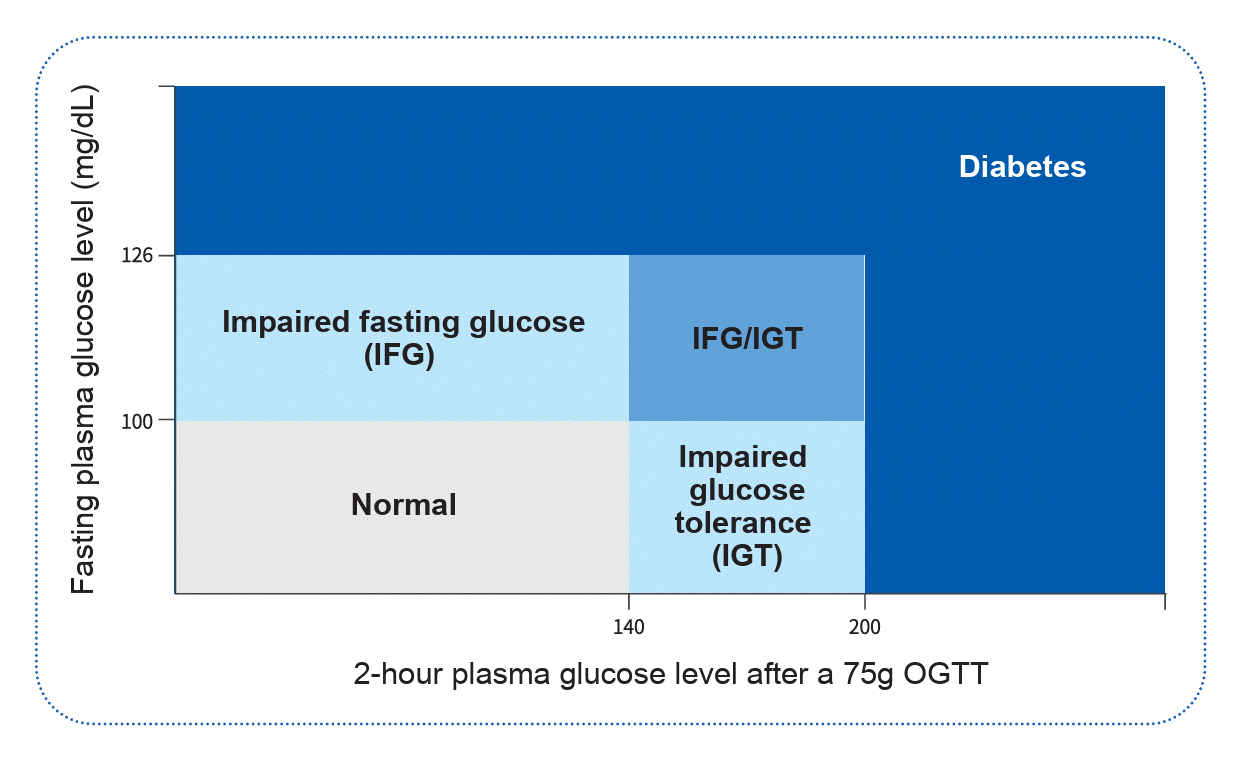
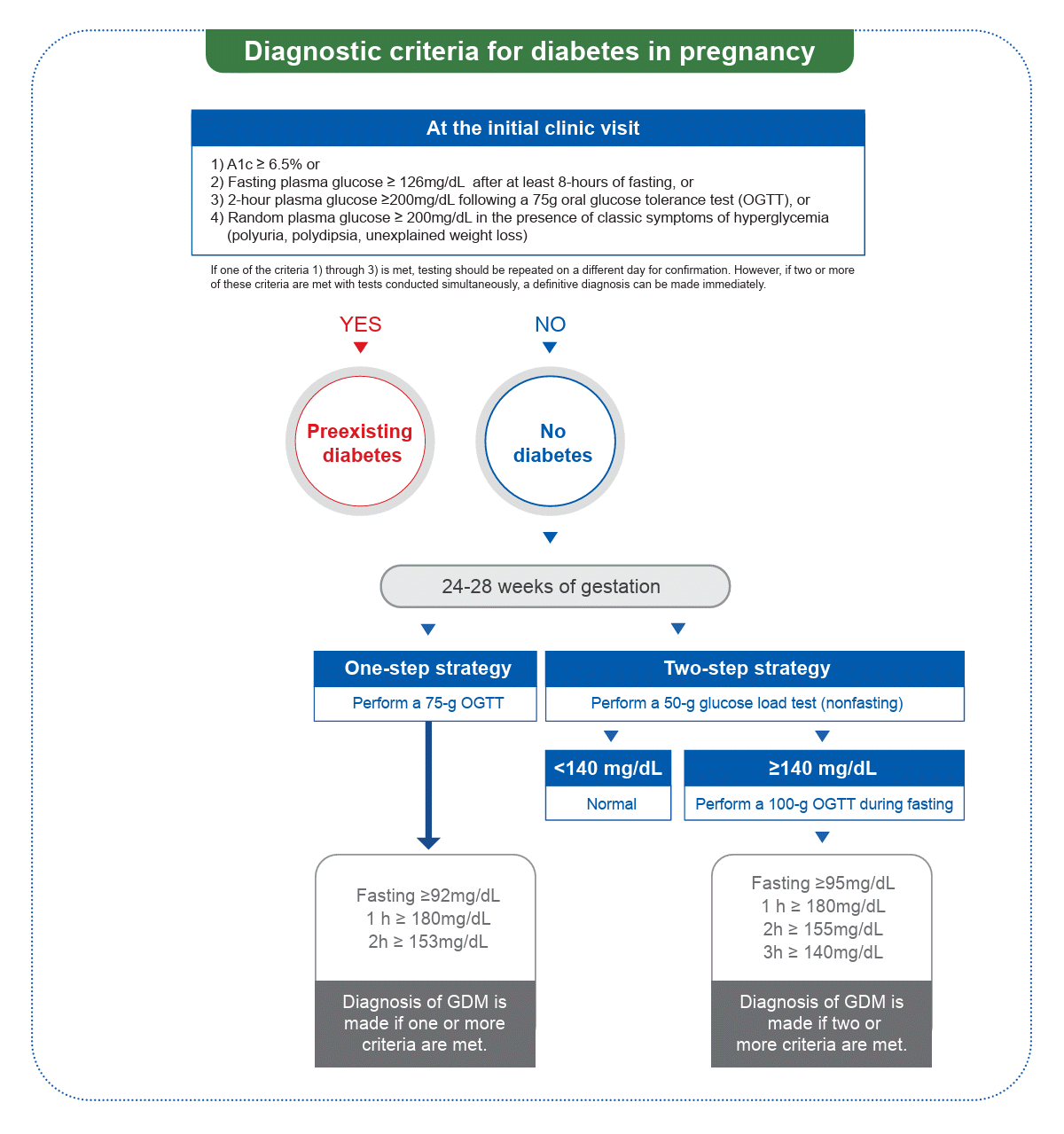
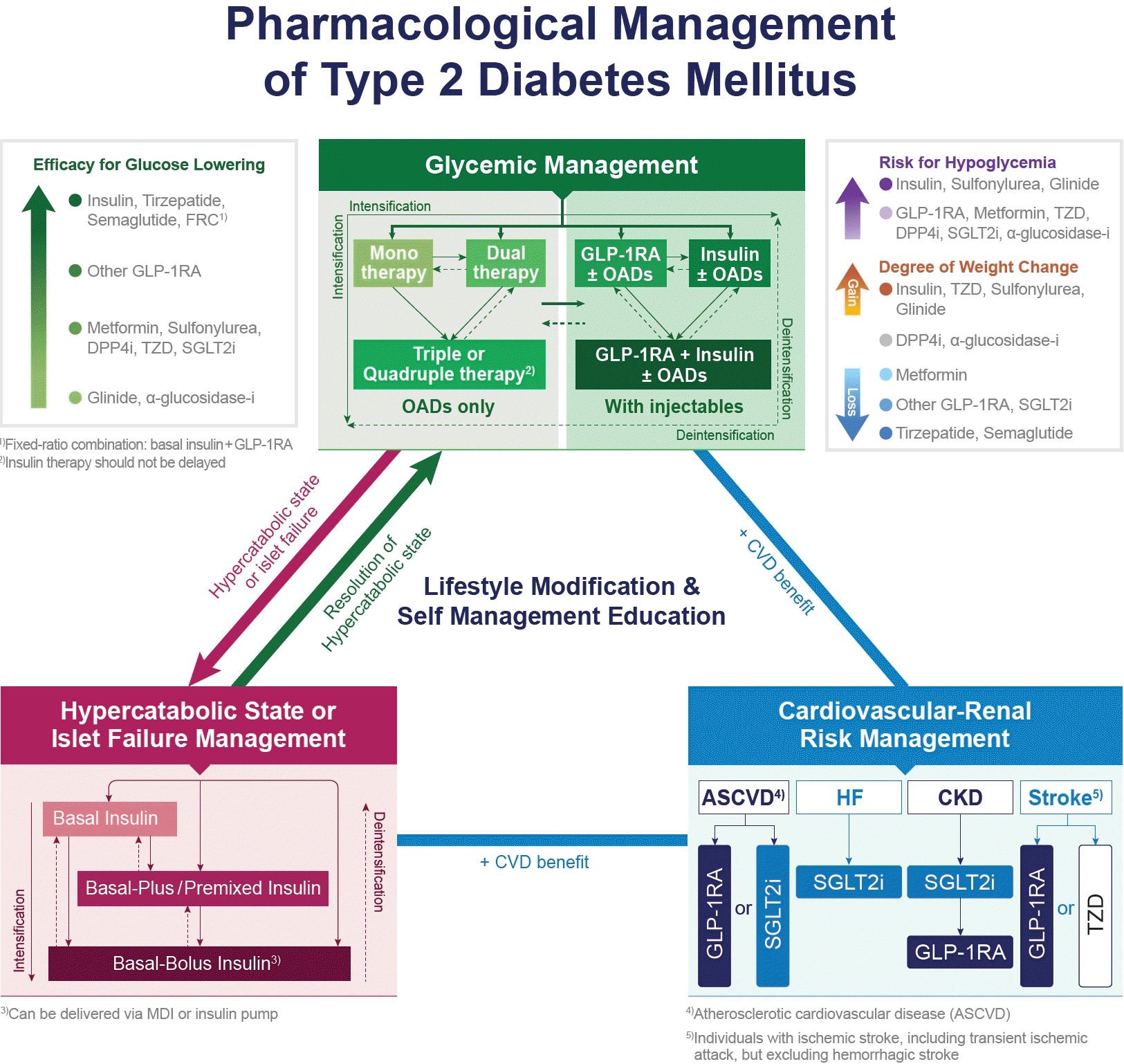
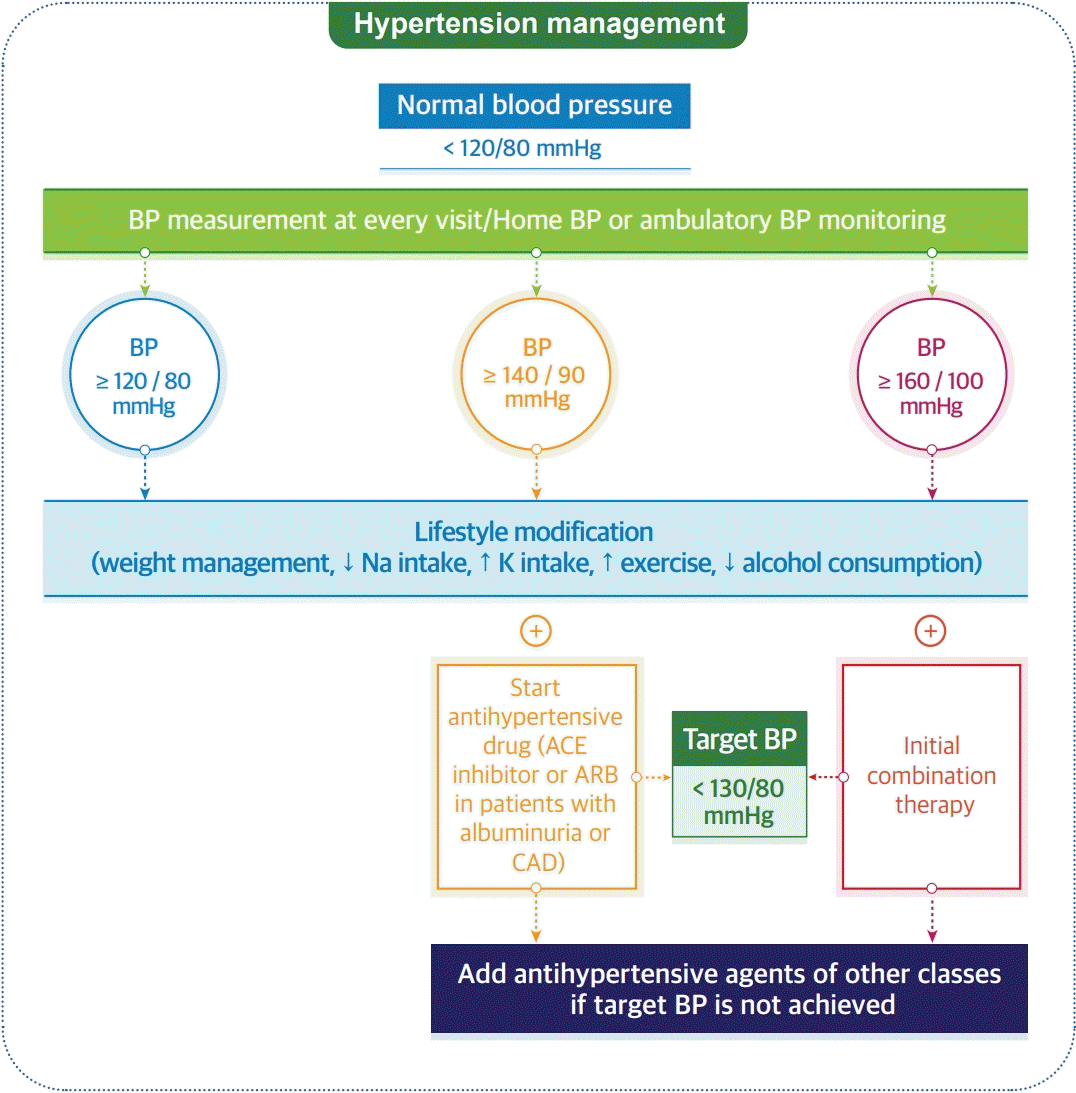
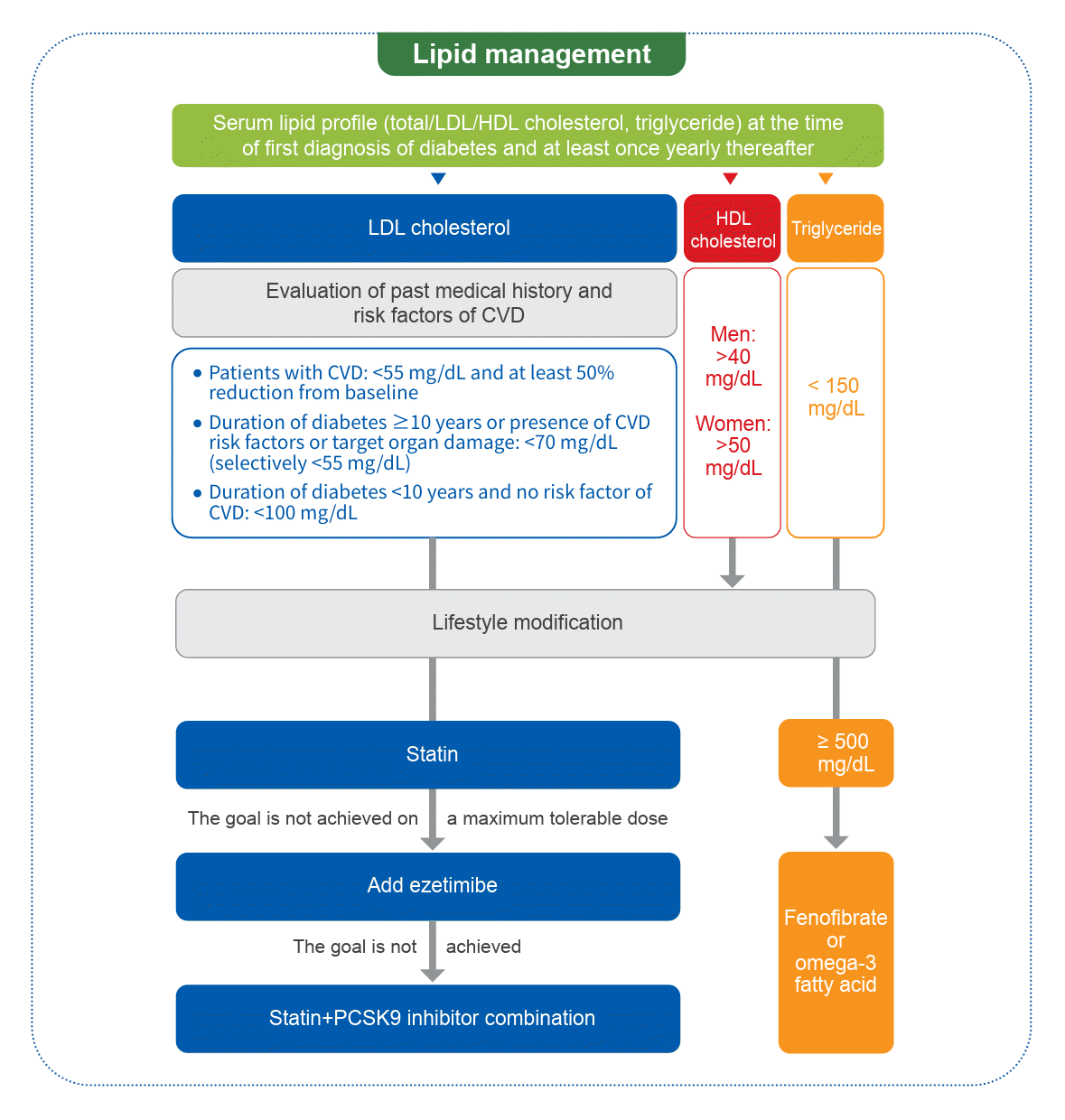
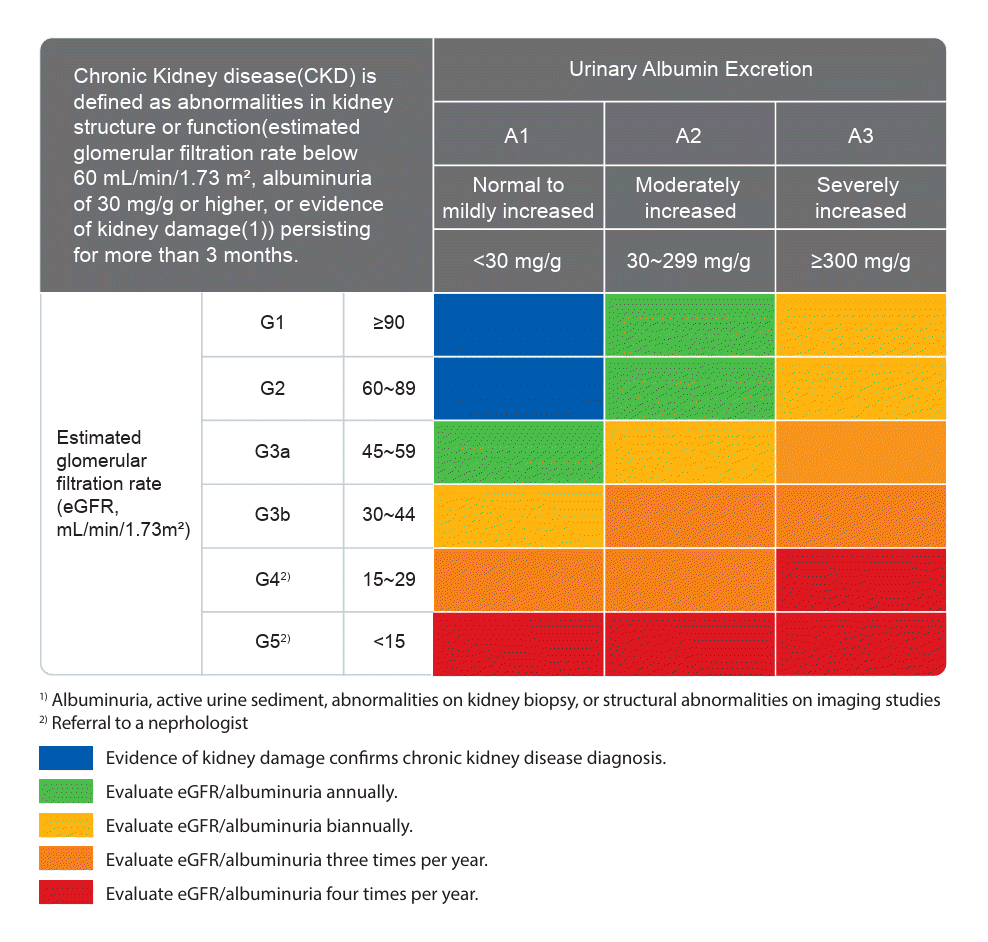
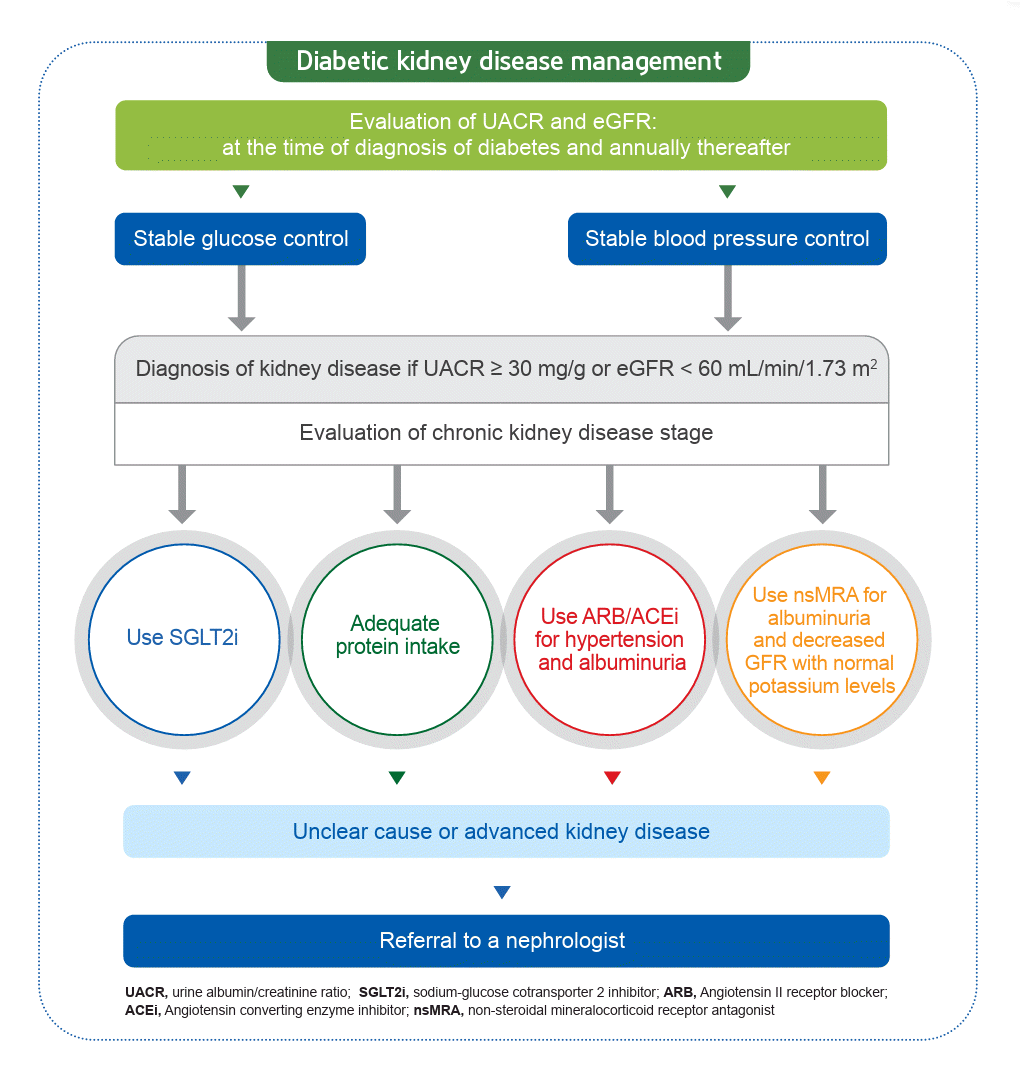
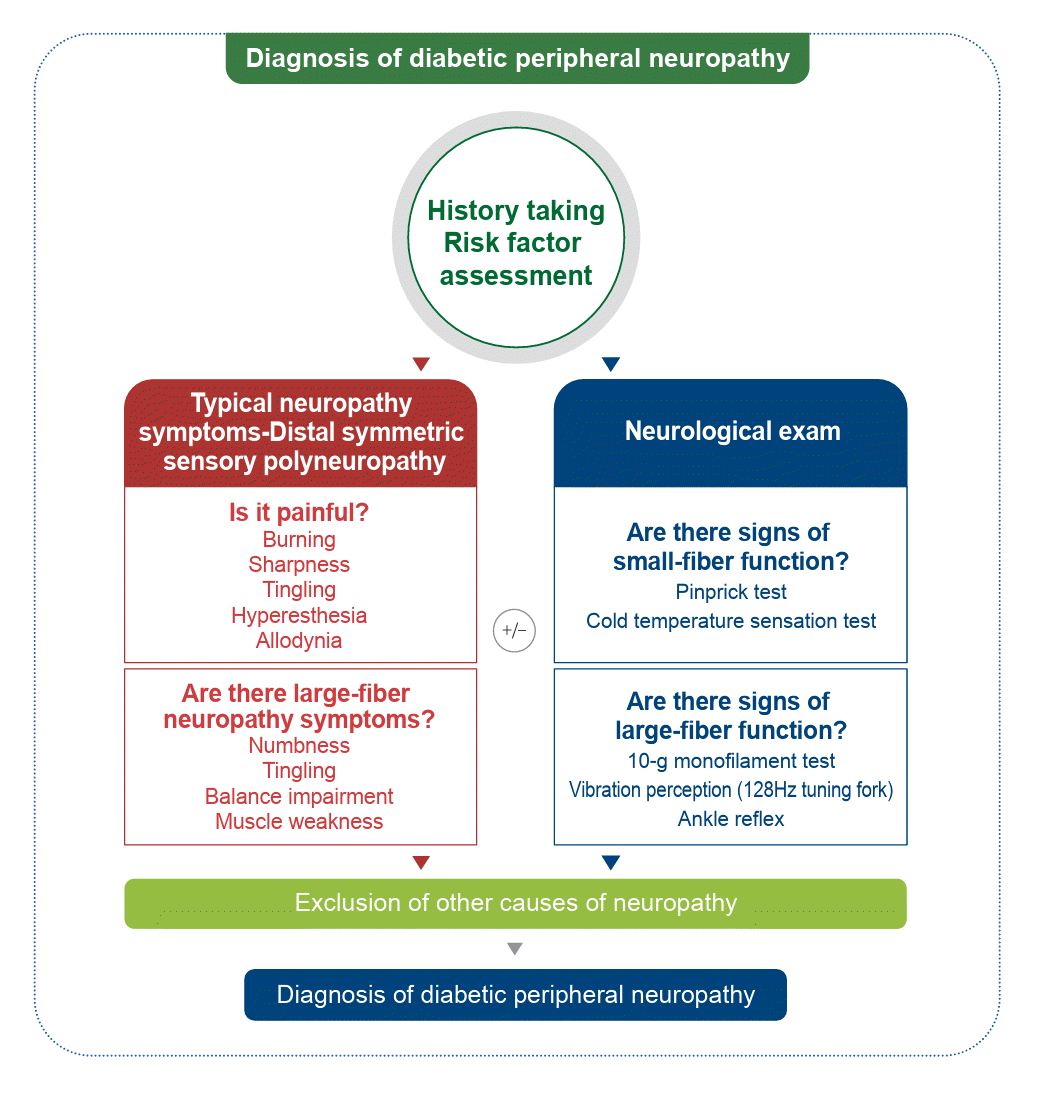
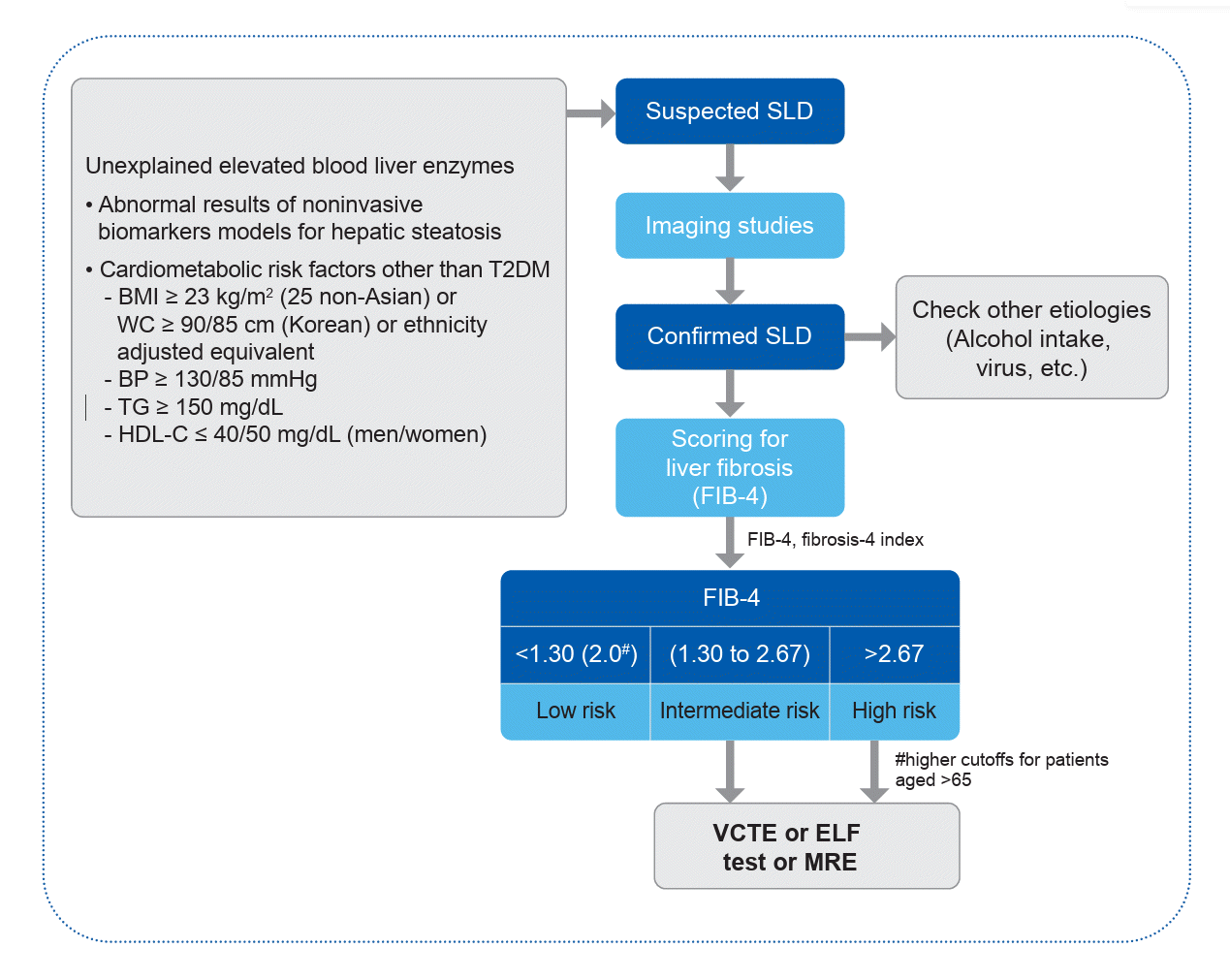
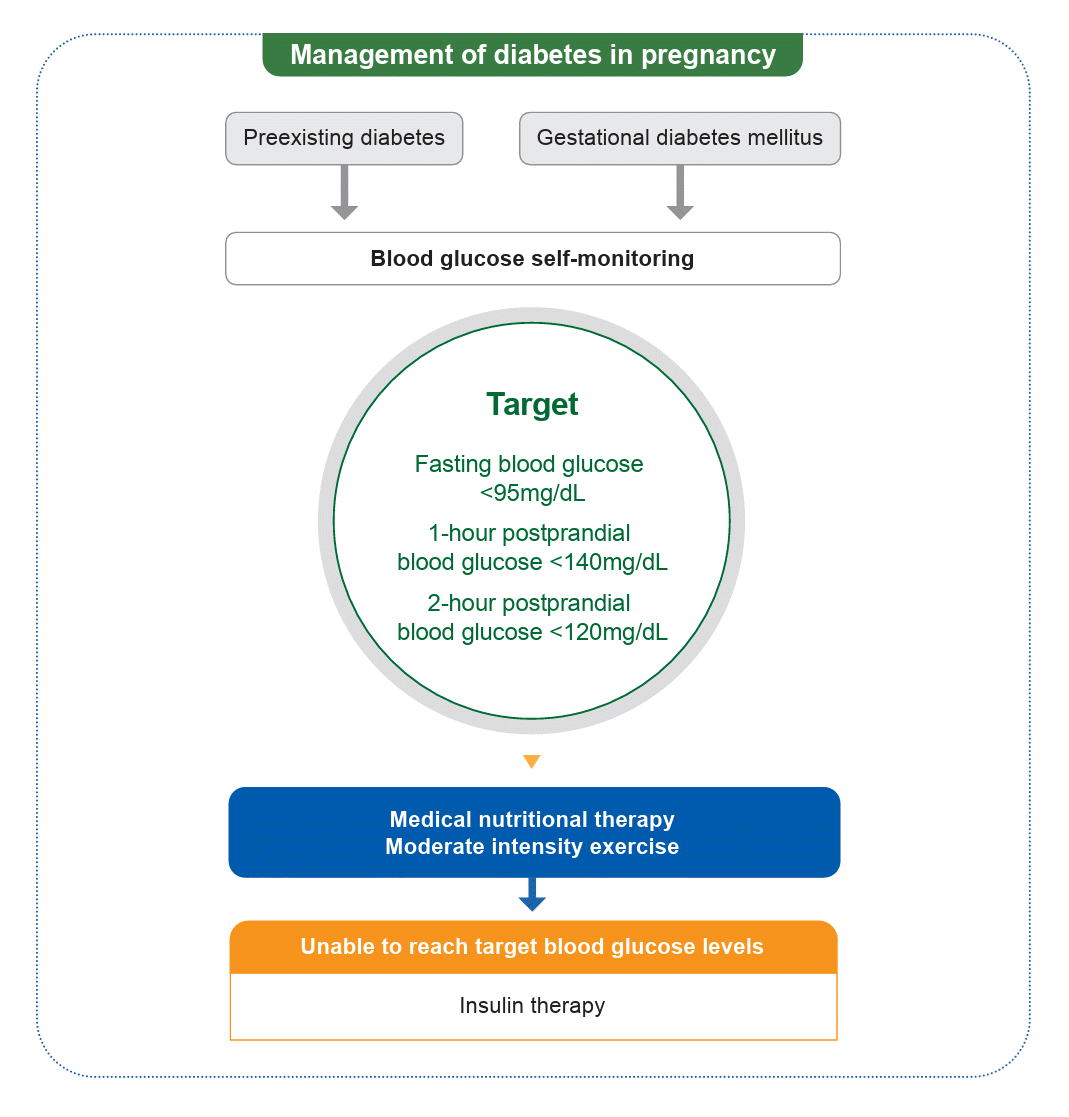
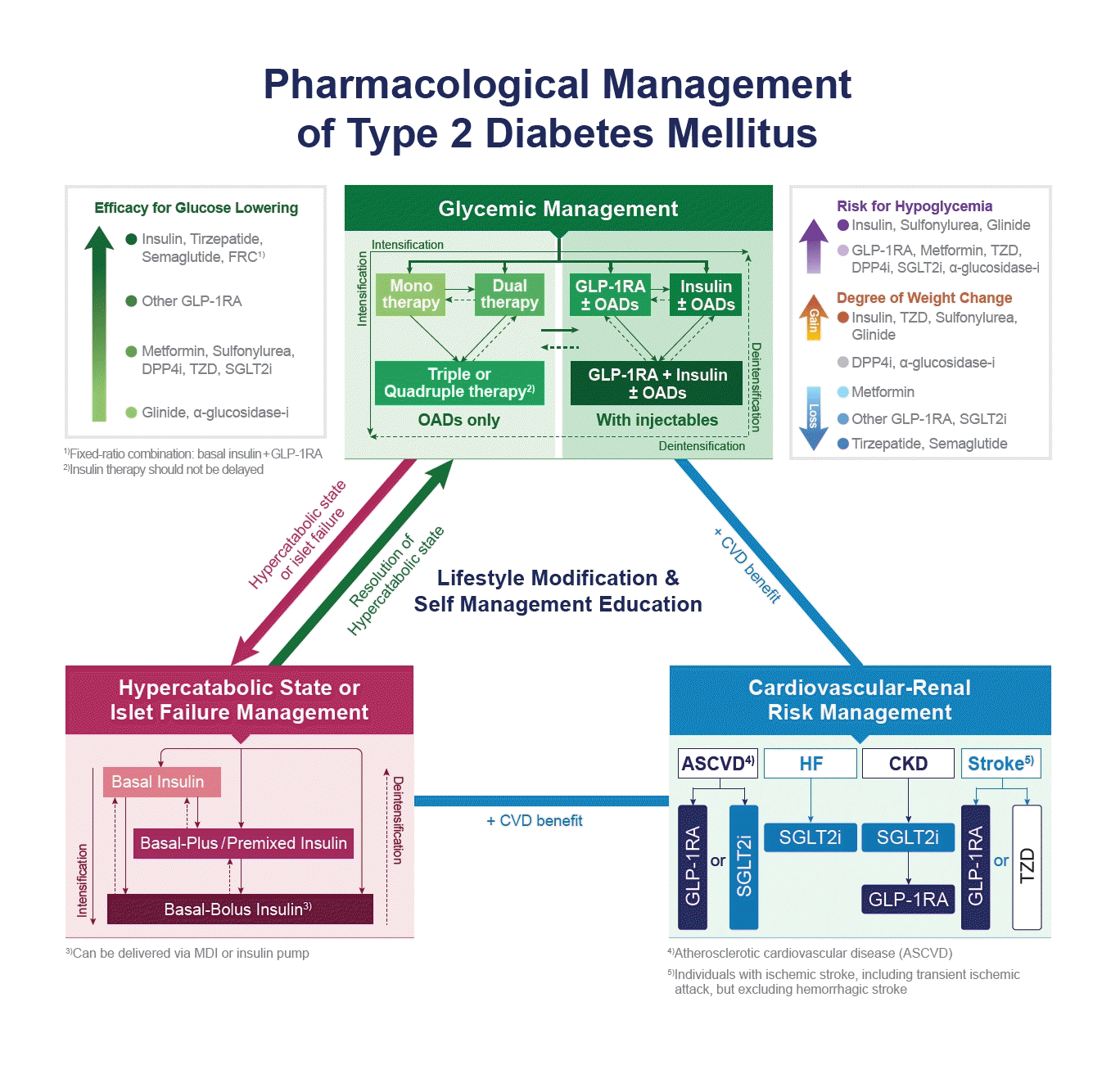
 XML Download